Account
Inquiry
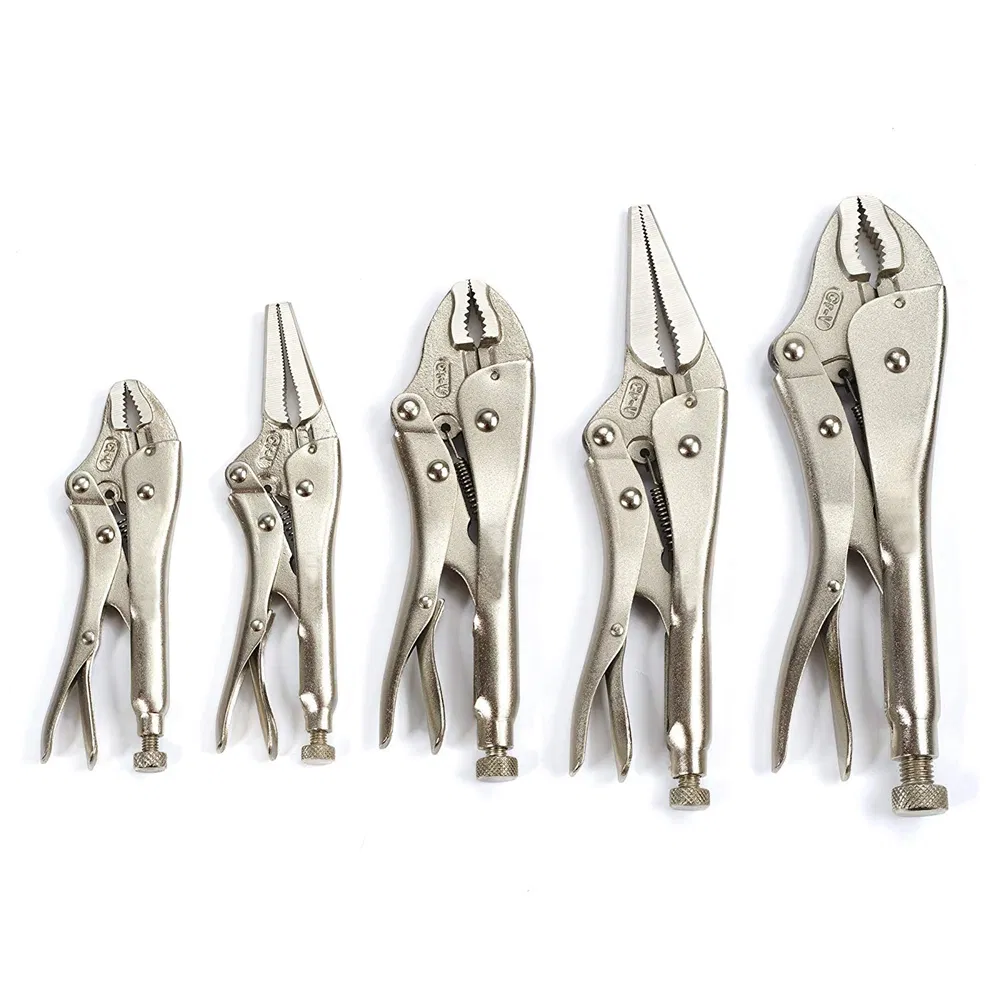
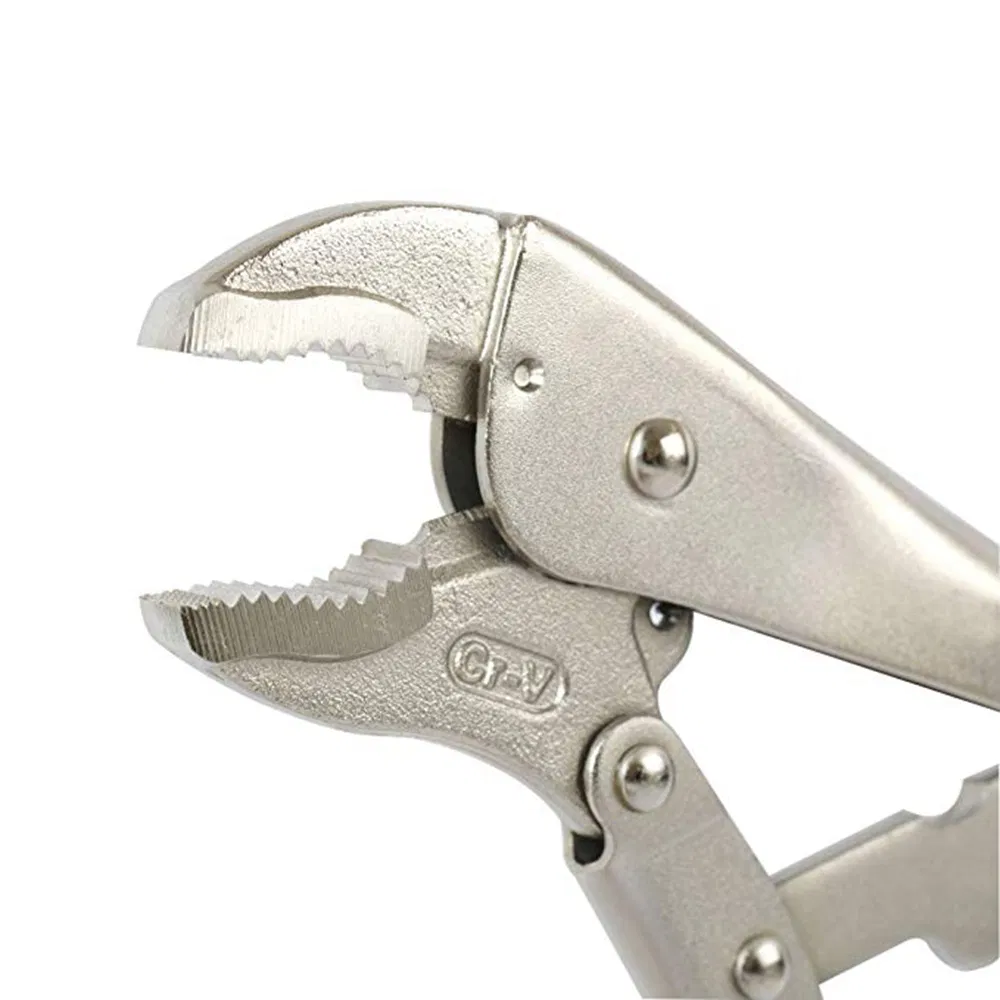
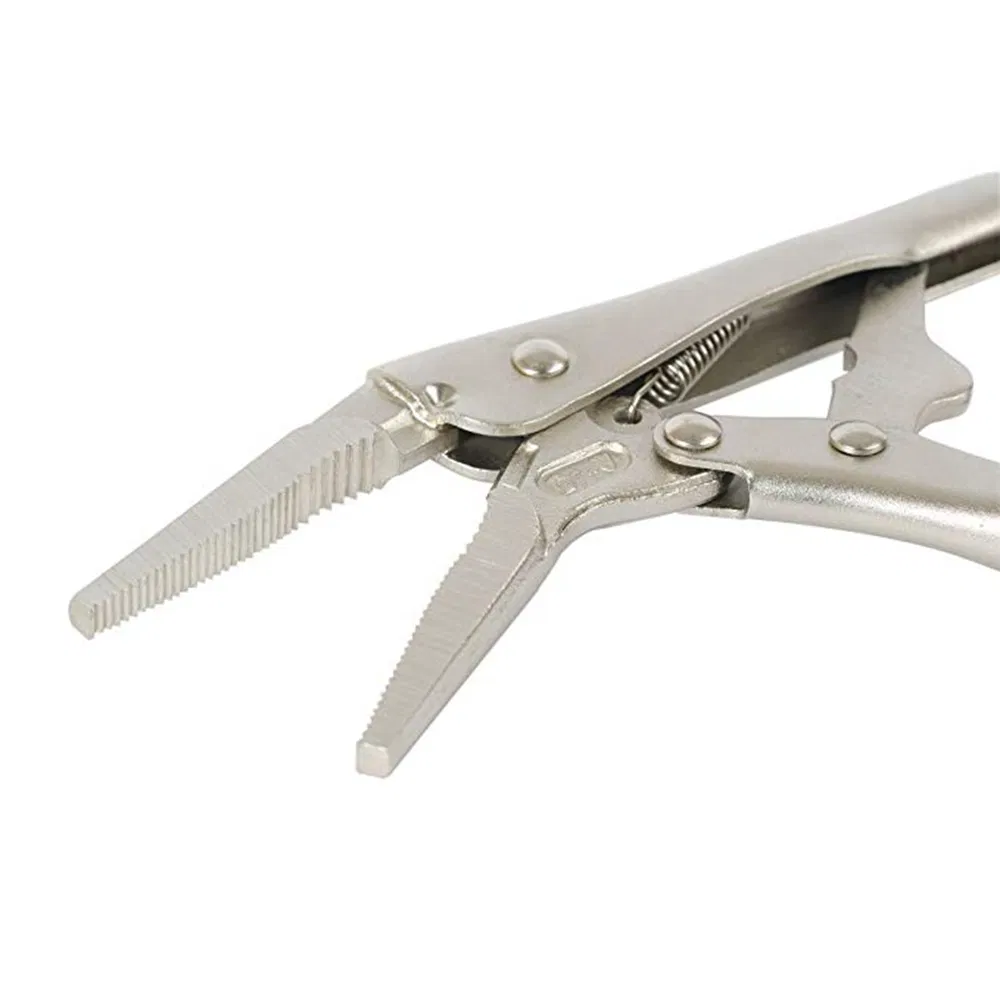
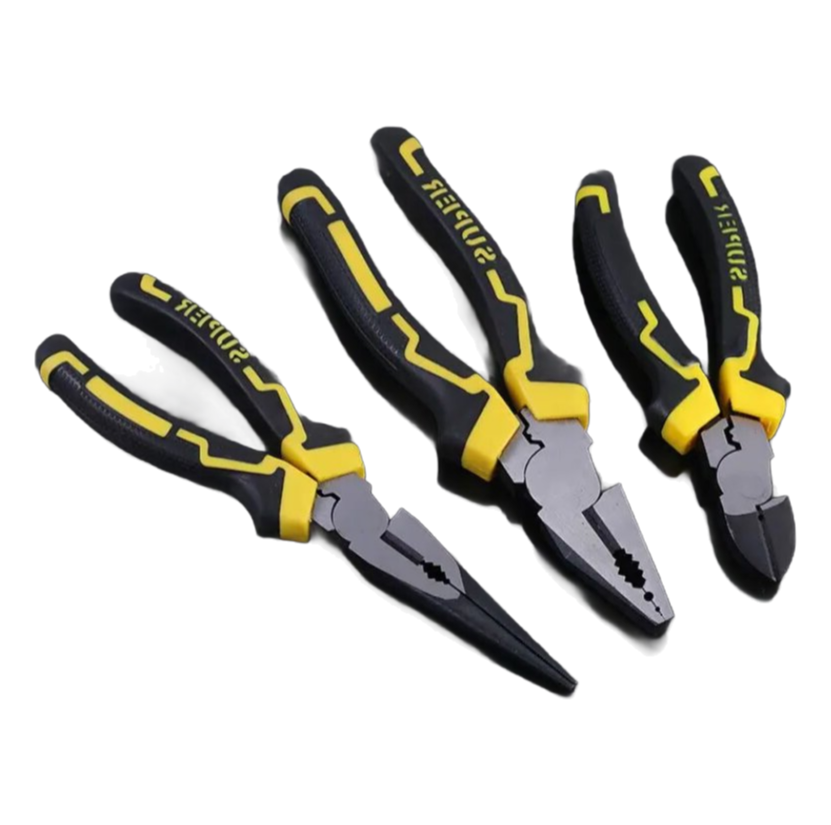
You've got a compressor that's just failed on a Sunday afternoon and the system's still holding pressure—that's exactly when these locking pliers earn their keep, because what they do is pinch off that 1/4-inch copper or aluminum line cleanly without having to pump down the whole unit first.
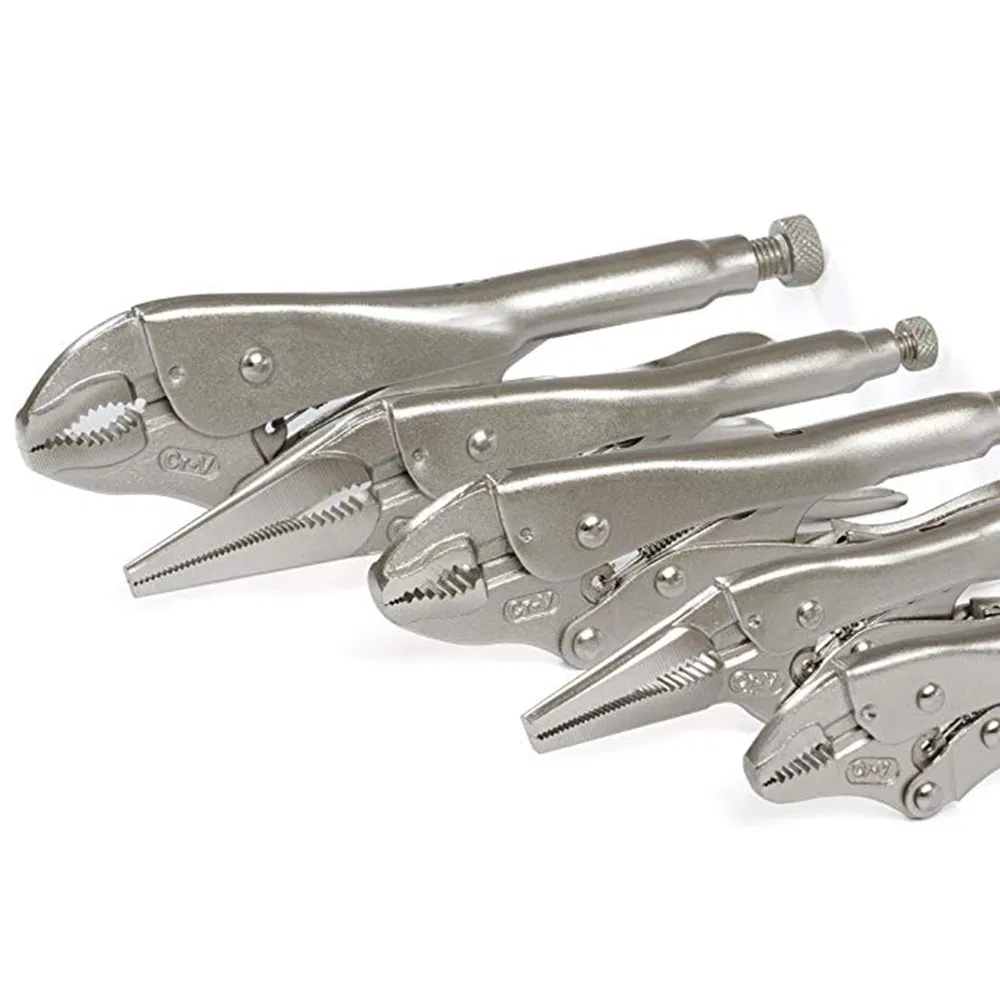
They're 7 inches long and weigh about 450 grams, so they're not going to weigh down your tool bag, but the heat-treated alloy steel jaws are pretty much overbuilt for this—the nickel plating helps with corrosion form refrigerant oils, which is a real thing if you've ever left a tool in a wet van overnight.
The presure screw at the base lets you dial in clamping force, and once you've got it set, the trigger release mechanism holds it locked until you're ready to let go—it's basically a one-handed operation once it's engaged, which matters when you're balancing on a ladder.
One thing nobody mentions is that the curved jaw profile is designed specifically for brass and aluminum tubing, not steel—try pinching steel line with these and you'll damage the jaws, so stick to what they're built for.
Also, each one ships in an individual protective case, which is nice because the locking mechanism can get finicky if it's bouncing around loose in a drawer (we usually have stock, but confirm lead time on teh case if you need multiples).
It's ISO 9001 certified, so the is consistent batch to batch, and there's a 1-year limited warranty—though in most cases, the only thing that wears out is the jaw serrations after a few hundred pinches, give or take.
The jaw capacity is 1/4 inch (6.35mm), so it’s designed specifically for pinching and cutting tubes of that diameter. It works with brass and aluminum tubing used in HVAC and refrigeration systems.
Yes, it’s made from heat-treated alloy steel for strength, and the surface is nickel plated to resist corrosion. That combo makes it hold up well in tough job site conditions.
It comes with a 1-year limited warranty, and the manufacturing process is ISO 9001 certified. So you’re covered if anything goes wrong, and the quality is backed by that certification.
It has a trigger release locking mechanism with a pressure screw for adjustment. You set the clamping force with the screw, lock it in place, and squeeze the trigger to release—simple and secure.
The tool comes in an individual protective case, so it’s ready for storage or transport. No extra accessories, but the case keeps the pliers safe from damage and rust.