Account
Inquiry
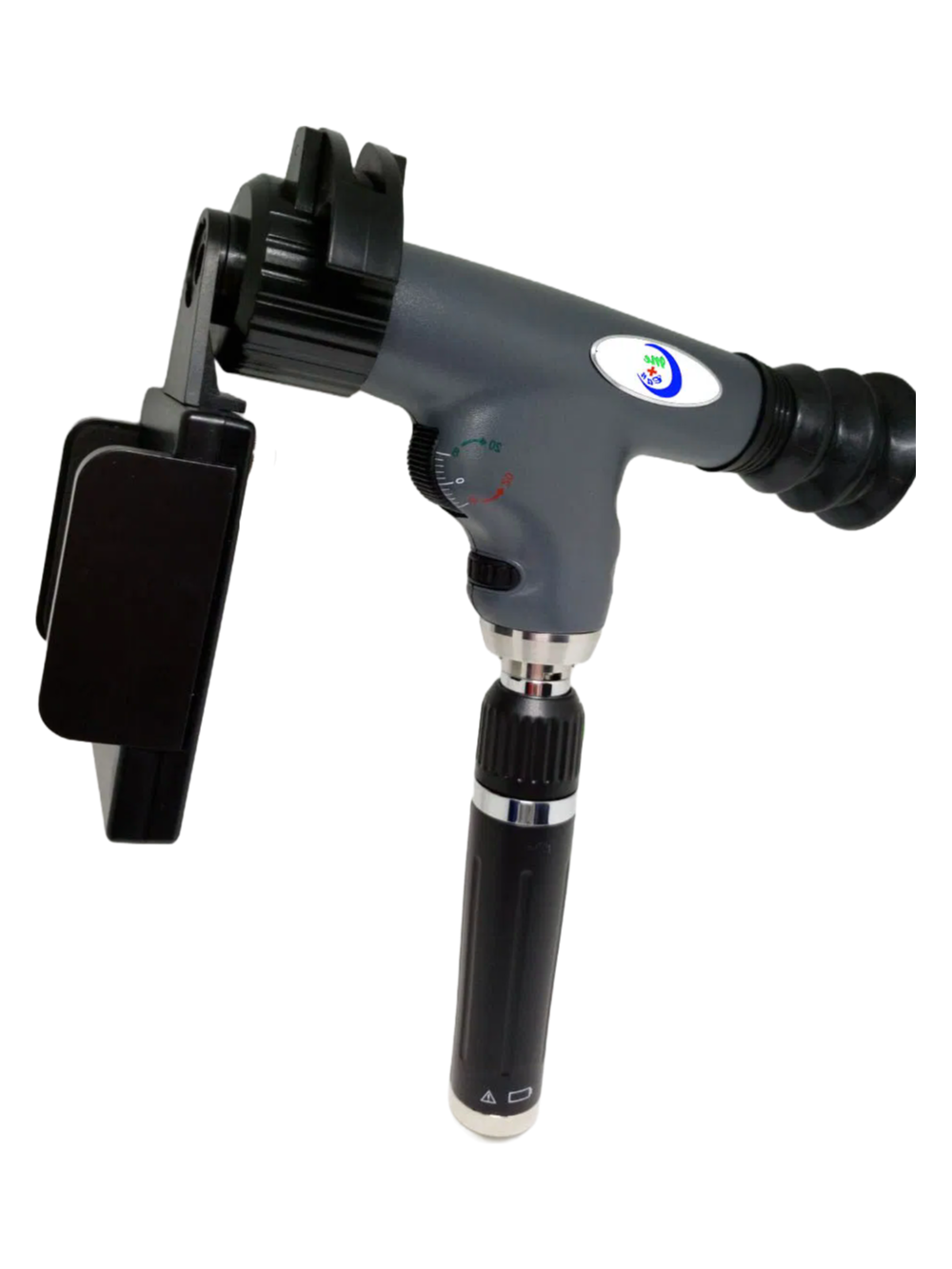
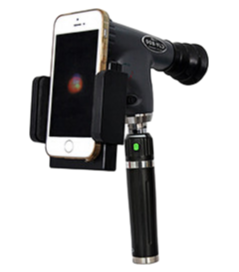
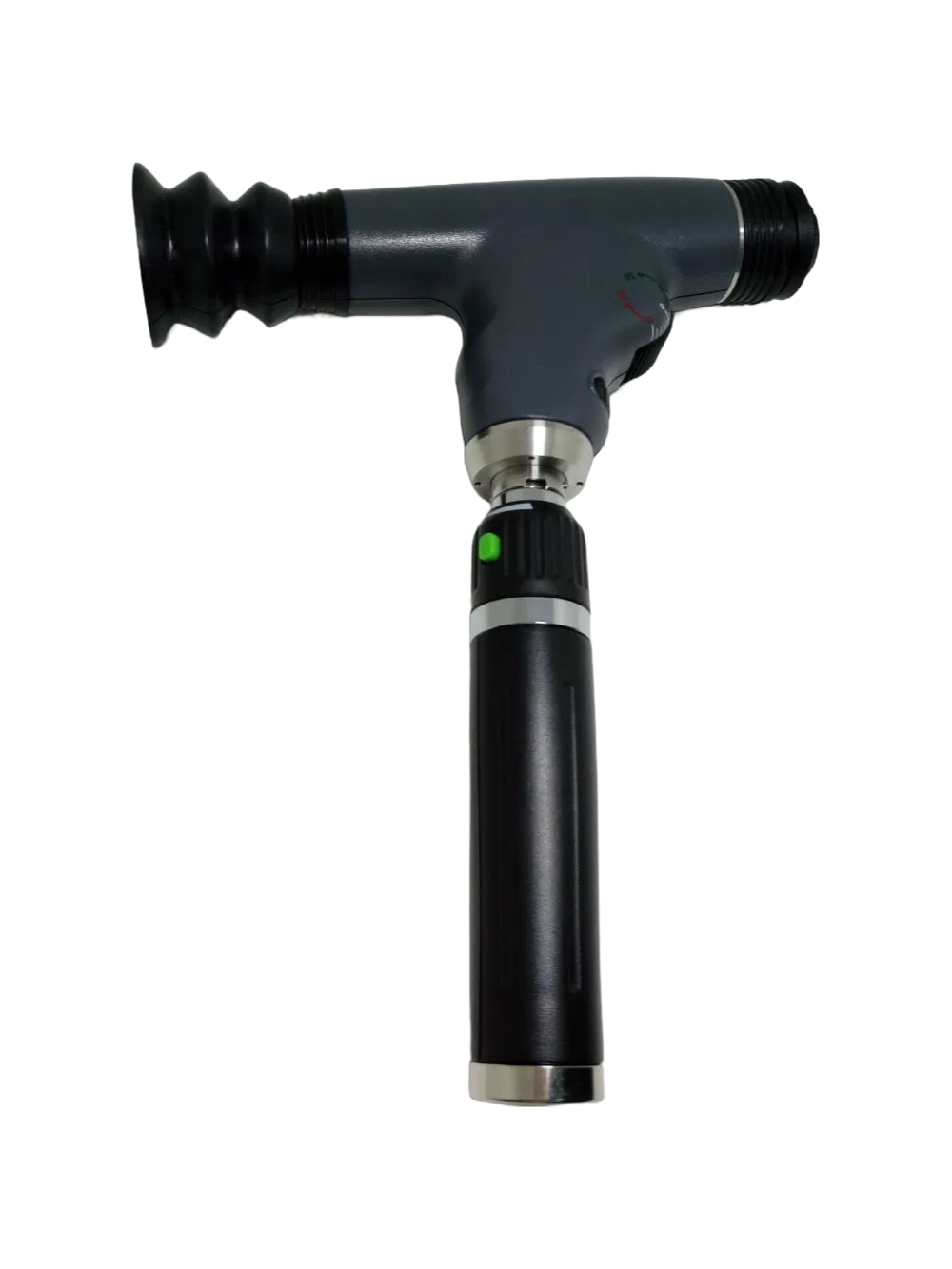
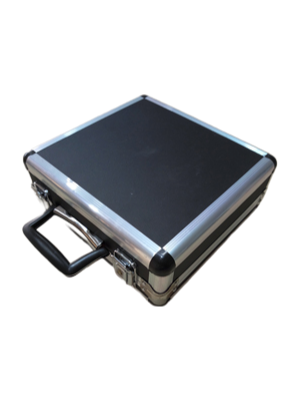
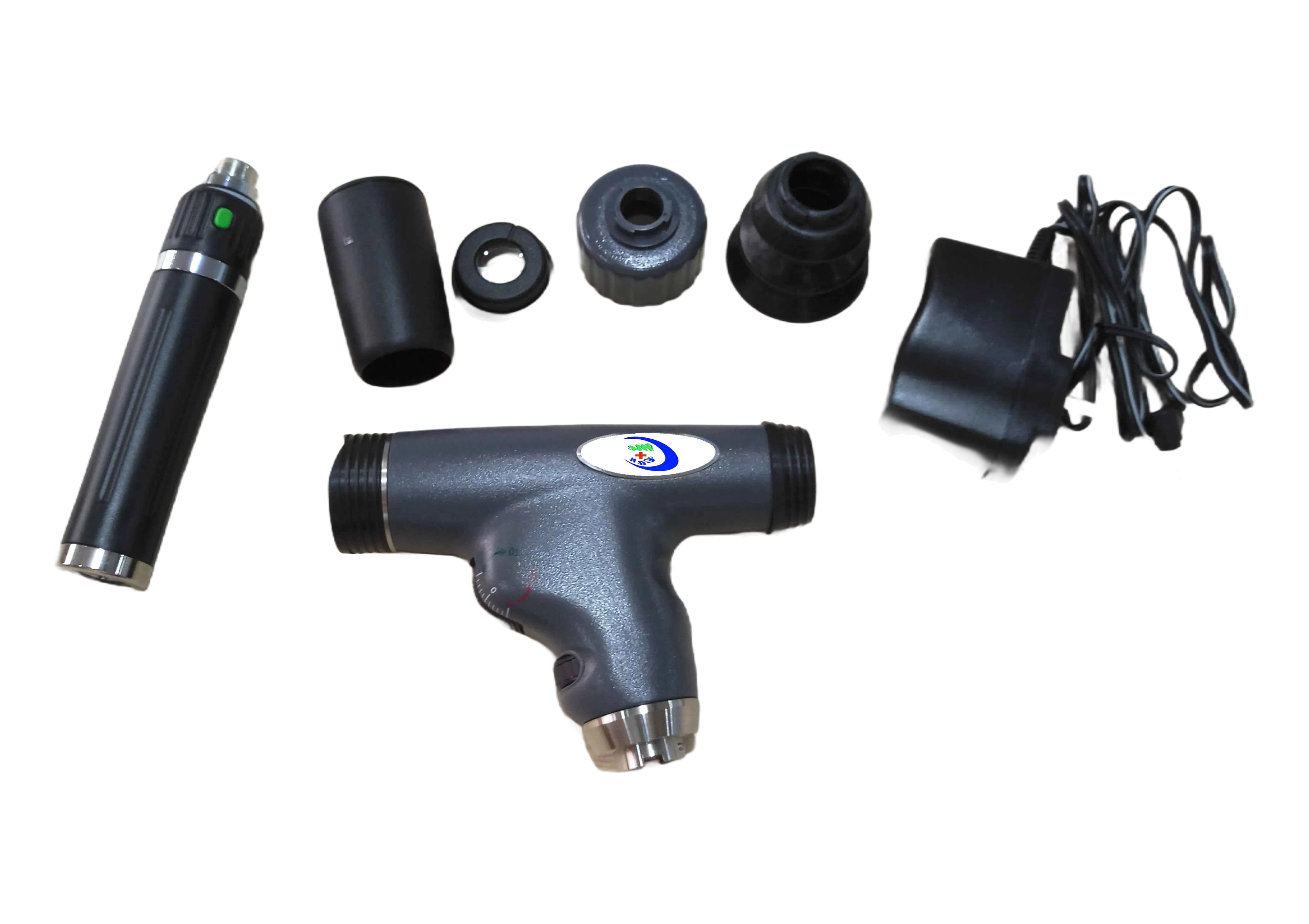
We've been using this setup for a few months now, and it's pretty much standard pantoscopic ophthalmoscope with 5X magnification but with a digital twist—teh smartphone adapter makes image capture and documentation genuinely fast, and the 230° wide field covers the retina without needing dilation, which patients usually appreciate even if the bright halogen illumination takes a second to get used to.
It basically handles corneal viewing and vitreous examination form the same unit, which saves you swapping lenses mid-exam; we typically get 45-60 images per charge depending on how much you're capturing, and the rechargeable battery holds up fine for a full clinic day (usually 6-8 hours or so depending on usage).
For ordering, the MOQ is a single unit at 250 units or so for the first run, though smaller batches in the 50-100 range are possible if you check with us—we usually have stock on the MCE-800s, but lead time for the custom smartphone adapters is about 20 days, give or take a week in some cases.
CE and FDA approved, so compliance isn't an issue for most markets, though you'll want the COA with each shipment if your lab requires it; one thing we don't see is a dedicated fundus camera mode for vitreous-only exams—the standdard view works, but you're better off with a slit lamp for that.
Also, the 5X magnification is tighter than most portable ophthalmoscopes in this price range, but it's not ideal for pediatric exams if you need a wider range; the non-dilated requrement is a real time-saver, though, and the bright halogen means you can catch lens opacities without dialating first.
We typically require a MOQ of 10 units for first-time orders, but we can discuss smaller quantities for trials or demos.
Standard lead time is 15-20 business days after order confirmation, depending on current stock levels.
Yes, we provide CE and FDA approval certificates with every shipment, along with a declaration of conformity.
Absolutely, it's designed for non-dilated examinations, which makes it way more convenient for quick screenings.
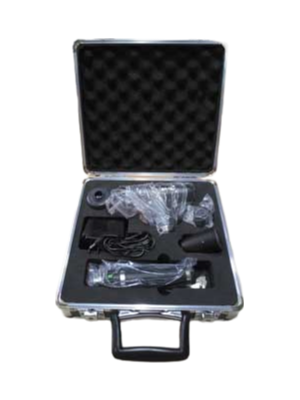
You get the ophthalmoscope, a rechargeable battery, a charger, a smartphone adapter for image capture, and the corneal and vitreous viewing lenses.