Account
Inquiry
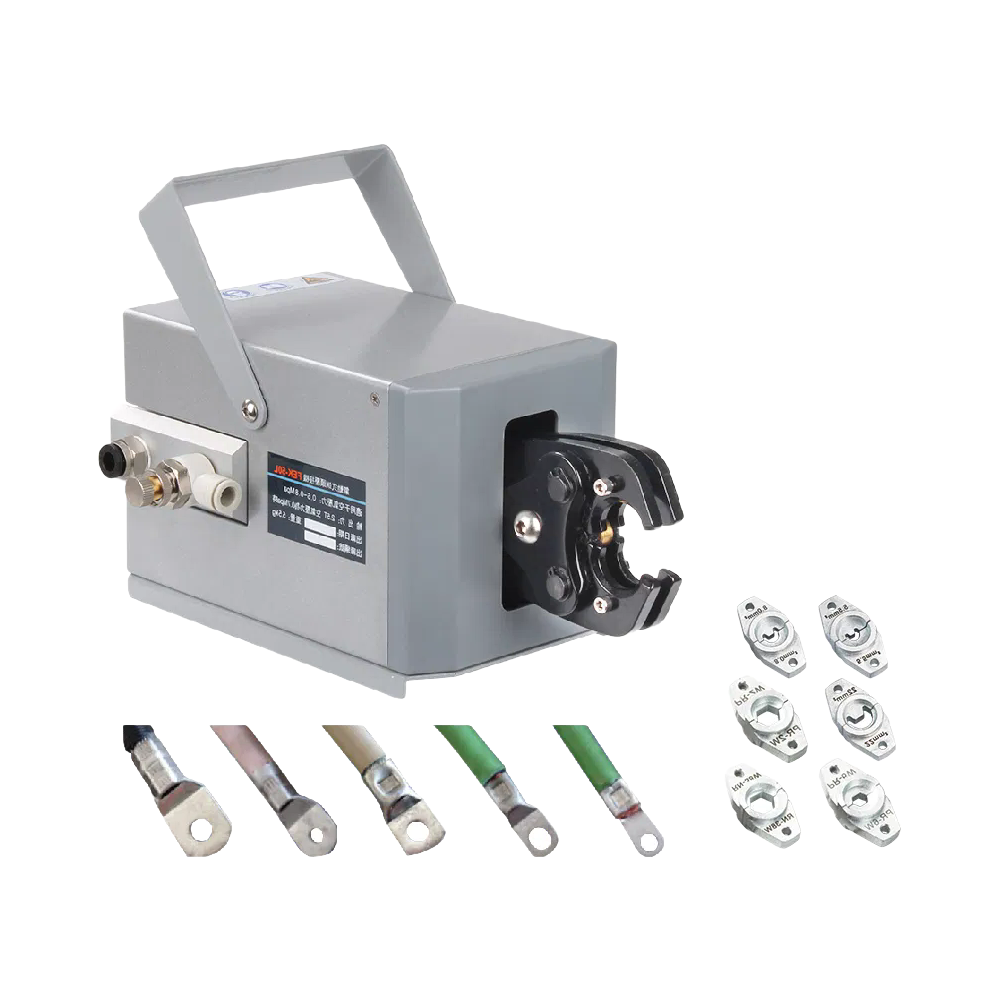
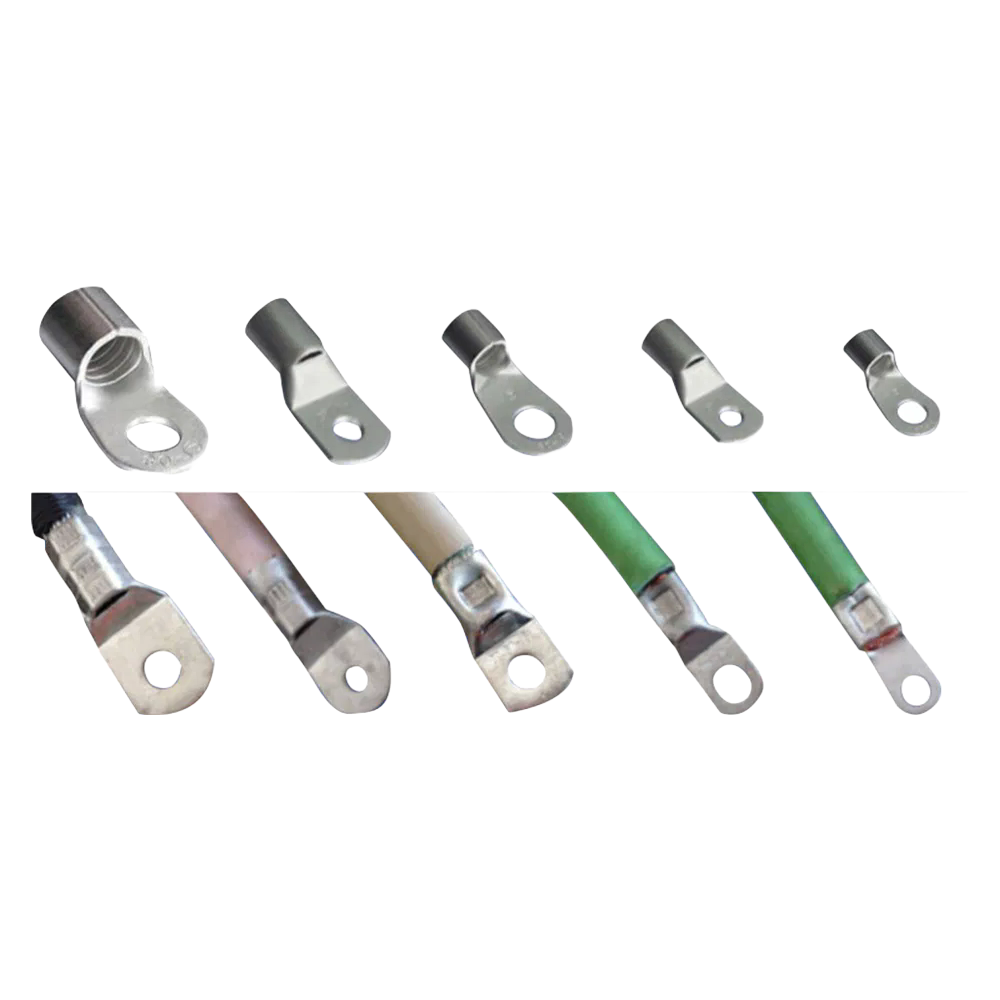
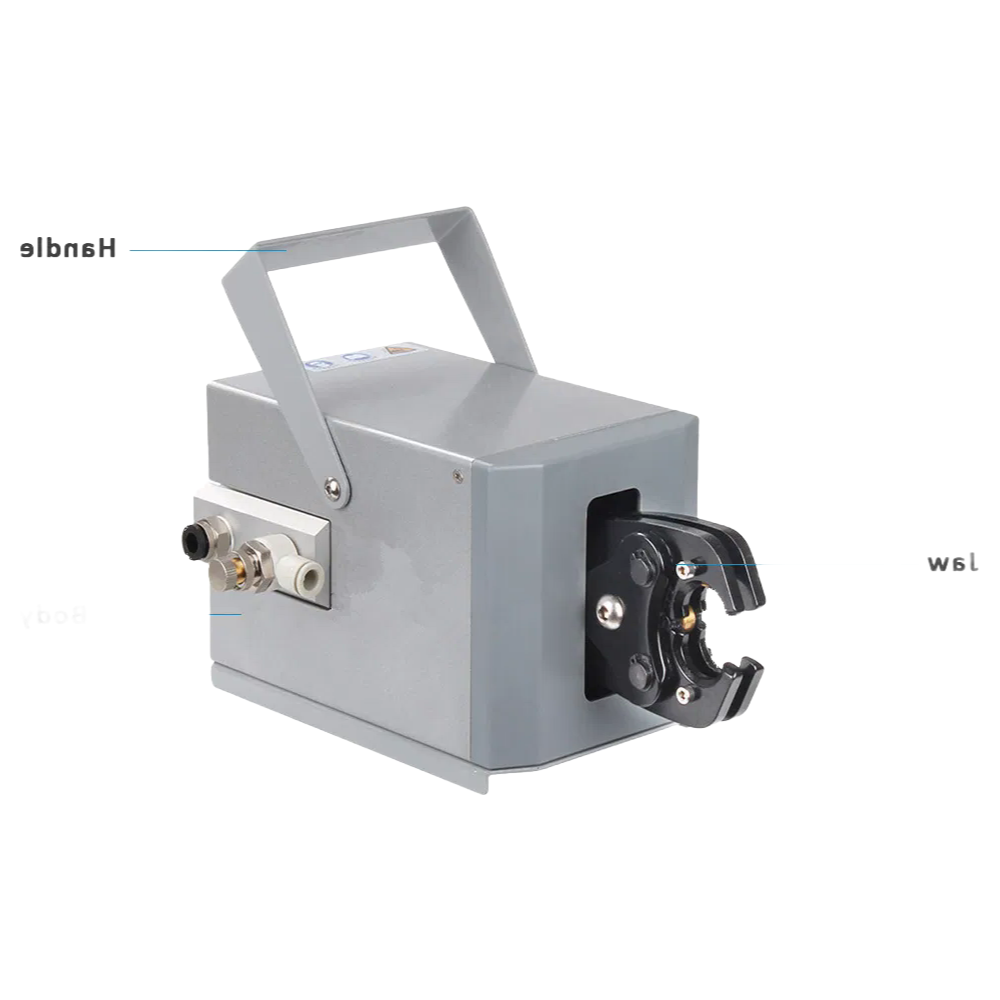
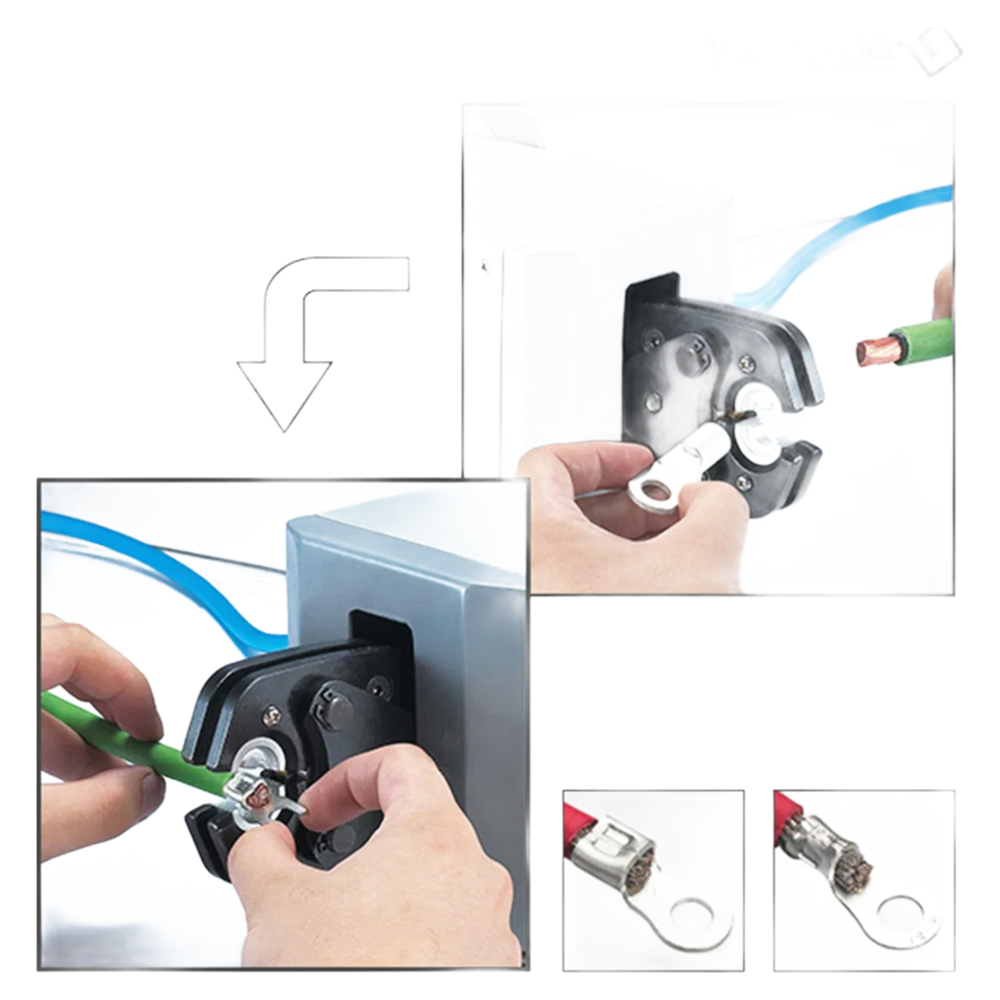
Anyone who's spent time on a production line knows the real headache isn't teh big jobs — it's the constant rework form inconsistent crimps on those mid-range terminals, especially when you're switching between 6mm² and 50mm² six times an hour.
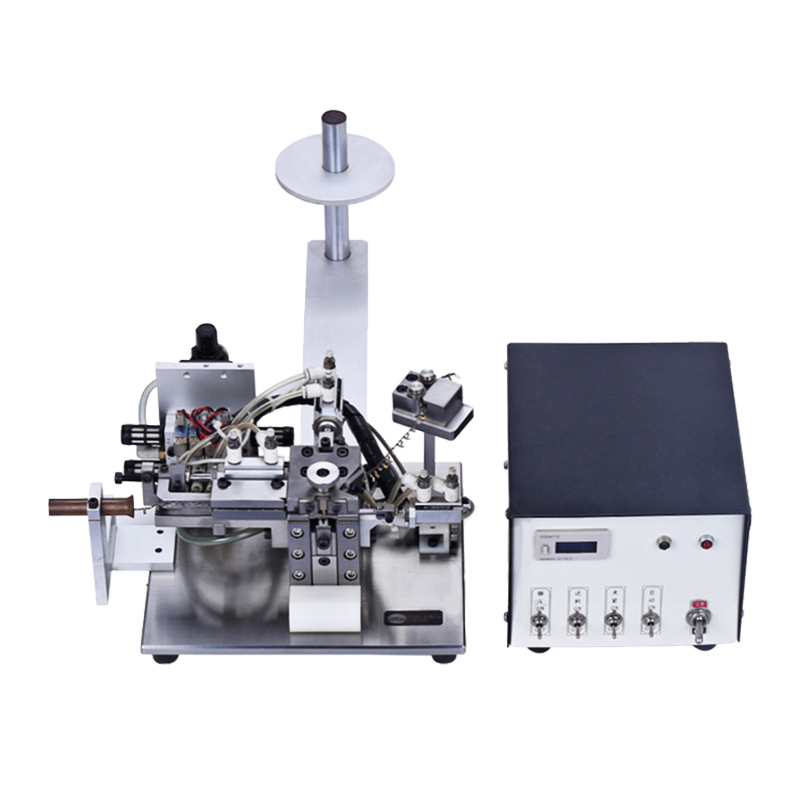
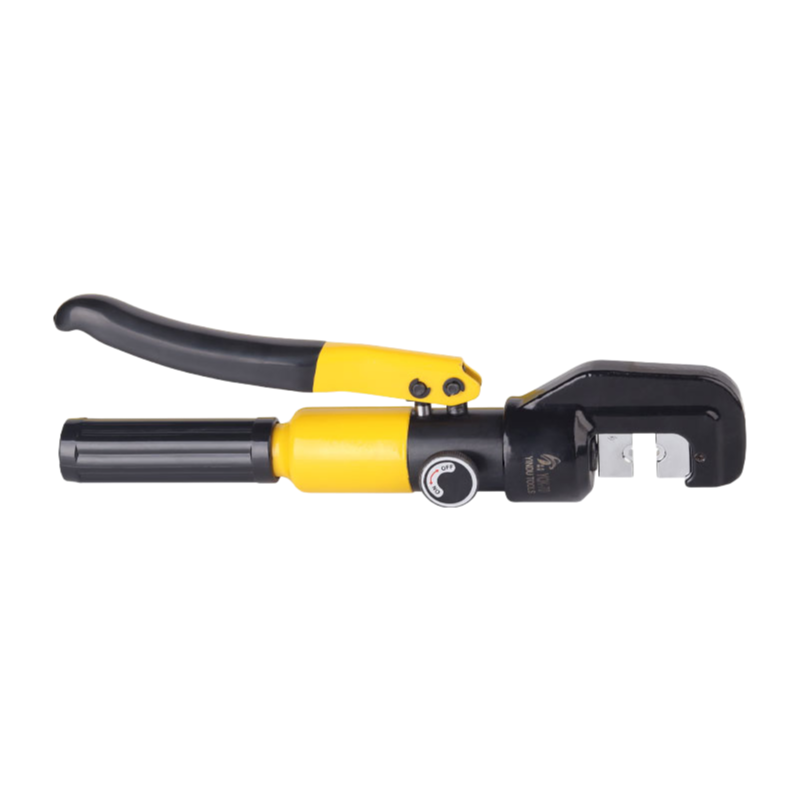
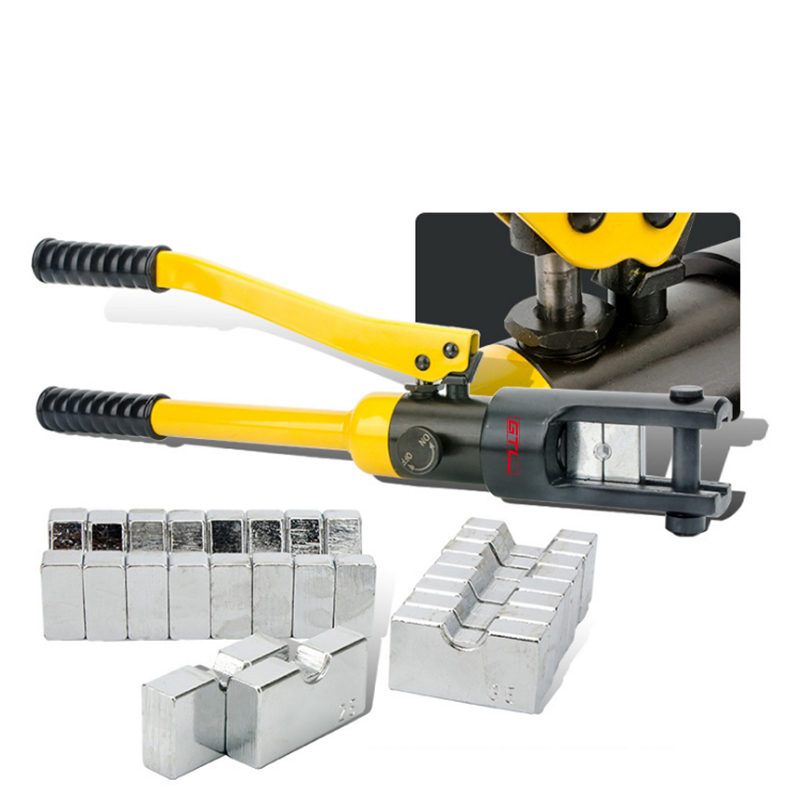
What we've seen with this unit is that the 2.5-ton force under 0.6 to 1.0MPa air pressure pretty much eliminates that variability, and the interchangeable die system means you're not locked into one size for a whole shift. 1200 cycles an hour, give or take, is what most buyers report once they've got the air set right.
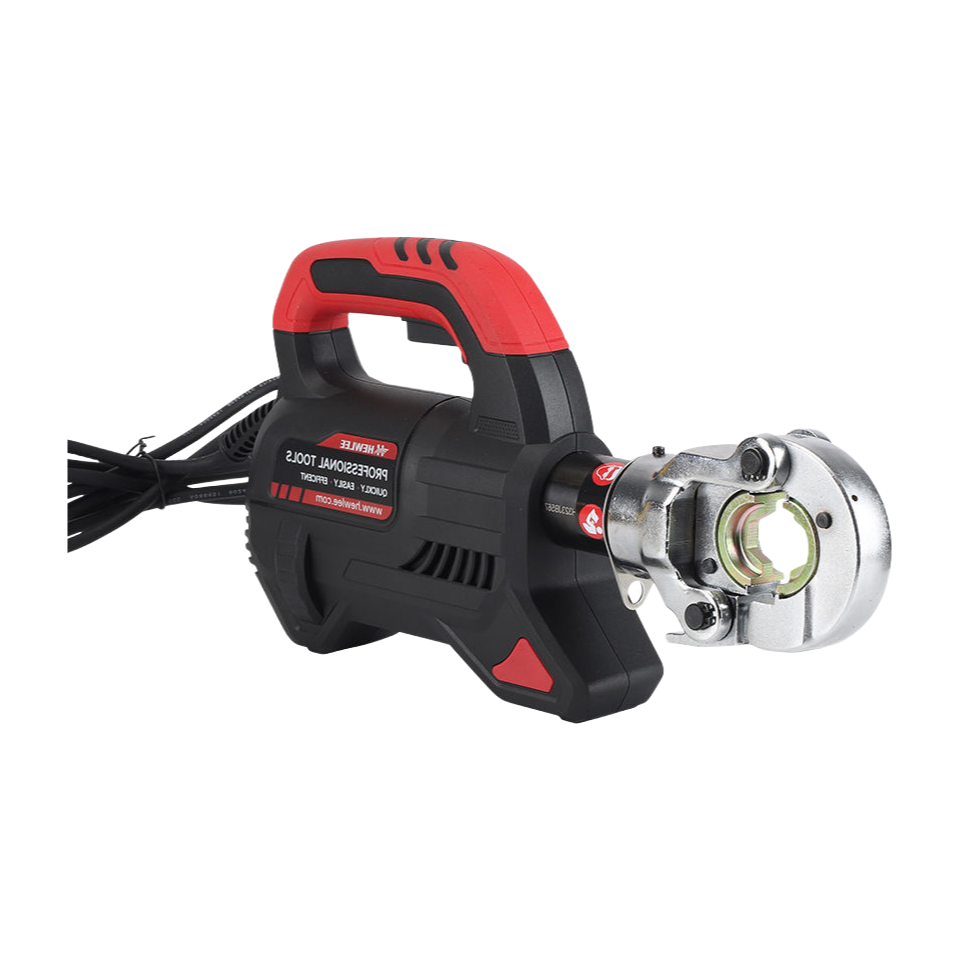
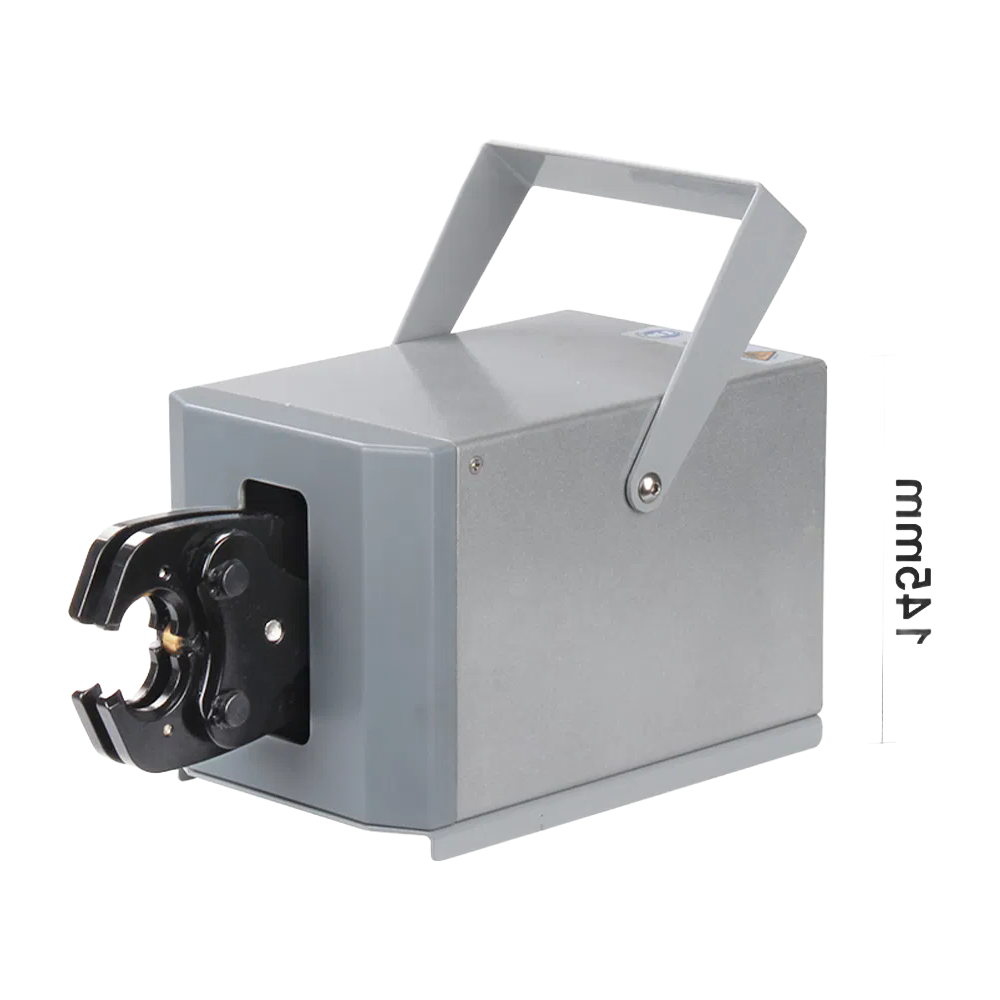
It's light enough at 6kg that operators don't mind handling it all day, and the footprint is 275 by 128 by 145mm — small enough to sit on a bench without taking over. We ship these with an ISO and CE cert package, usually with a COA from the batch, though confirm lead time if you need a TDS seprately (that can add a week or so).
On supply side, we keep about 50 units in stock for the FEK-50L, but the MOQ is just 5 if you're testing a line. Payment terms are typically 30% deposit, 70% before shipment, and we'll arrange freight from Ningbo — expect 20 days or so door-to-door to most West Coast ports.
Actually, one thing buyers don't always think about: the dies themselves aren't hardened steel, so if you're crimping stainles steel terminals daily, you'll wear them out faster than standard copper. For 0.6-1.0MPa air pressrue tools, we recommend ordering a spare die set upfront just to avoid downtime.
Our standard MOQ is 10 units. For smaller trial orders, we can sometimes accommodate 5 pieces, but that's case by case.
It ships with ISO and CE certificates. We include copies in the packaging, and we can send the documentation digitally ahead of time if your compliance team needs a look.
Yes, it handles copper and aluminum from 6mm² to 50mm² as long as you use the right interchangeable die set. The dies are sold separately if you need extras.
For stock orders, lead time is usually 7-10 working days. Custom packaging or branding can add 3-5 extra days.
You need at least 0.6MPa to reach full 2.5 tons, but it operates safely up to 1.0MPa. Anything below 0.6MPa will reduce the crimping force.
Fantastic experience from start to finish. The shipping was remarkably fast and efficient, arriving well ahead of the estimated delivery schedule. The packaging was exceptionally secure and professional, ensuring the tool arrived in pristine condition without a single scratch or dent. Regarding the quality, it is immediately apparent that this is a robust and well-manufactured piece of industrial equipment. The construction feels solid and durable, with precise machining and a heft that inspires confidence. The finish is excellent, and all components fit together perfectly, indicating high manufacturing standards. The service provided was equally impressive. Communication was clear, prompt, and helpful throughout the entire process. Any preliminary questions were answered thoroughly and without delay, demonstrating a commitment to customer support. The overall transaction was smooth and professional. This combination of rapid logistics, superior build quality, and outstanding customer service makes for a highly satisfactory purchasing experience. I am very pleased with the entire process and the evident care taken at every step.
Commencing with the logistics, the delivery was remarkably prompt and well-handled. The package arrived ahead of the estimated schedule, which was a pleasant surprise. It was securely packaged with ample protective materials, ensuring the contents were completely undamaged upon arrival. The tracking information provided was accurate and updated regularly, making the entire shipping process transparent and stress-free. Transitioning to the quality aspect, the tool itself exhibits exceptional craftsmanship. The materials feel robust and durable, precisely as one would expect from an industrial-grade product. The construction is solid, with no visible defects or imperfections. The finish is professional, and all components fit together seamlessly. It has a substantial, reliable heft that inspires confidence in its longevity and performance under rigorous conditions. Regarding customer service, the support team was highly responsive and courteous. Any preliminary inquiries were addressed swiftly and with clear, helpful information. The overall purchasing experience was smooth and efficient, devoid of any complications. The combination of reliable logistics, superior build quality, and attentive service makes this a highly satisfactory transaction. The product appears ready for demanding applications, and the entire process from order to delivery was handled with impressive professionalism.
Overall, the delivery was surprisingly quick. Ordered on a Tuesday and the package arrived by Friday, which was much faster than the estimated timeframe. The packaging was secure and professional, with no signs of damage during transit. The quality of the tool itself is immediately apparent; it feels solid and well-constructed, with a heft that inspires confidence for industrial use. The finish is clean and the components align perfectly. As for service, the communication from the seller was clear and proactive, providing a tracking update without me having to ask. A very smooth transaction from start to finish. This level of efficiency and attention to detail in logistics and presentation makes a significant difference. I am thoroughly satisfied with this purchase experience and would not hesitate to order from this supplier again for similar equipment.
Prompt delivery and excellent packaging ensured the item arrived in perfect condition. The build quality feels exceptionally robust and durable, exactly as described for industrial use. Customer service was responsive and helpful when I had a pre-sales inquiry. Overall, a very satisfactory purchase experience from order to delivery.
The shipping was incredibly fast and efficient, arriving well ahead of the estimated delivery date. The packaging was secure and professional, ensuring the tool arrived in perfect condition without any damage. Tracking information was provided promptly and was accurate throughout the entire transit process. The overall delivery experience was seamless and hassle-free, which is always appreciated for industrial equipment. The build quality of the crimping tool is exceptional. It feels solid, durable, and precisely engineered for heavy-duty use. The materials used are clearly high-grade, and the machining is impeccable. It operates smoothly and with consistent pressure, producing perfect crimps every time. This tool exudes reliability and is clearly built to last in a demanding workshop environment. Customer service was outstanding from the initial inquiry to post-delivery. The representatives were knowledgeable, responsive, and went above and beyond to answer all my questions. They provided clear instructions and were very professional. It’s evident they value their customers and stand behind their products. A truly excellent experience all around.
Very satisfied with the overall experience. The delivery was exceptionally fast, arriving well ahead of the estimated schedule, which was a pleasant surprise. The packaging was secure and professional, ensuring the tool arrived in perfect condition without any signs of damage during transit. Regarding the product itself, the build quality is immediately apparent; it feels robust, solid, and precisely engineered, exactly as one would expect for industrial-grade equipment. The initial setup was straightforward. The customer service team was also responsive and helpful when I had a pre-purchase inquiry, providing clear and detailed information promptly. While I have not yet put the tool through its paces in a full production environment, the initial impressions based on unpacking and handling are extremely positive. It appears to be a well-made, reliable piece of machinery that should perform its intended function admirably. The entire process, from ordering to receipt, was seamless and efficient.
I was impressed with the overall experience of ordering this hydraulic crimping tool. The logistics were handled exceptionally well. The package arrived ahead of the estimated delivery schedule, which was a pleasant surprise. It was securely packaged with ample protective materials, ensuring the tool and its dies arrived in perfect condition without any signs of damage from transit. The shipping updates were timely and accurate, allowing me to track its journey without any hassle. Regarding quality, the tool feels robust and well-constructed. The materials used seem durable and suitable for industrial-grade applications as advertised. The crimping dies included were precisely machined and fit perfectly. I have not used it extensively yet, but from initial inspection and a simple test crimp, the mechanism operates smoothly under the specified air pressure, and the crimp it produced was clean and secure. The service provided by the seller was commendable. Communication was clear and prompt from the moment I placed the order. They confirmed the order details quickly and were responsive when I had a pre-shipping inquiry about the die sizes. The documentation included was clear, and the tool was exactly as described on the product page. There were no discrepancies or misleading information. While I cannot comment on long-term performance or specific application results yet, the initial unboxing, inspection, and the professionalism exhibited throughout the purchasing process have been thoroughly satisfactory. The combination of efficient logistics, apparent high build quality, and excellent customer service made this a very positive procurement experience. I would feel confident ordering from this supplier again based on this transaction.
Ultimately, the delivery speed was unexpectedly swift, arriving well ahead of the projected schedule, which was a fantastic start. Upon unboxing, the initial impression of the build quality is undeniably robust; it feels substantial and engineered for heavy-duty use, exactly as one would hope for an industrial-grade tool. The packaging was secure and professional, ensuring everything arrived in perfect condition. Unpacking was straightforward, with all components neatly organized and protected. Using the tool for the first time, the operation is smooth and the crimps are consistently precise, demonstrating excellent manufacturing standards. The overall finish and attention to detail on the machine itself are impressive. Unfortunately, the customer service experience was somewhat underwhelming. While not terrible, communication was a bit slower than ideal when I had a pre-purchase question. However, they did eventually provide a clear answer. The ordering process on the website was user-friendly and uncomplicated. Upon receiving the shipment, the logistical tracking was accurate and up-to-date, providing clear visibility into the delivery progress. The courier service was professional and handled the package with care. Unquestionably, the core product—the crimping tool—appears to be of superior quality, with durable materials and a solid construction that inspires confidence for long-term industrial application. The dies feel precisely machined. Unless subjected to extreme misuse, this equipment seems built to last for years. Under the hood, so to speak, the design prioritizes functionality and durability. Understanding that service can vary, my particular interaction was just average, but it did not detract significantly from the overall positive experience with the product and logistics. Unless one requires extremely responsive, round-the-clock support, the service level is likely acceptable for most professional users. Usually, the primary concern with such tools is reliability and performance, and in those key areas, this product seems to excel based on initial use and inspection. Using it has been straightforward, and the results are uniform and reliable. Up to this point, I have no major complaints regarding the physical product or the delivery process. The value proposition seems strong when considering the apparent quality and the efficient logistics. Unless future issues arise during prolonged use, this purchase feels justified and satisfactory. Ultimately, a very solid purchase let down only slightly by average communication, but overwhelmingly positive in terms of product integrity and shipping efficiency.
My experience with this order was quite positive overall. The shipping was remarkably fast, with the package arriving several days earlier than the initial estimated delivery date. Everything was packaged securely with ample protective material, and there was no sign of damage to the outer box or the product inside. The build quality of the tool itself feels exceptionally solid and robust, exactly as one would expect for industrial-grade equipment. The metal components have a substantial heft and a smooth, precise finish. Communication from the seller was prompt and professional throughout the process. They sent a confirmation email immediately after purchase and provided a tracking update without me having to ask. While I have not yet had the opportunity to put the tool through its paces in a full production environment, the initial inspection and hand-testing of the mechanism are very promising. The action is smooth, and the dies appear to be machined to a high standard. The overall presentation and the feel of the components inspire confidence in its durability and performance. This appears to be a well-made piece of machinery that should integrate seamlessly into our workshop operations. The transaction was straightforward, and the post-sale support seems reliable based on my interactions so far. I am satisfied with this purchase from a logistical and qualitative perspective and look forward to utilizing it in our electrical assembly projects.
The delivery was incredibly fast and efficient, arriving well ahead of the estimated schedule. Tracking information was precise and updated regularly, which made the entire process transparent and stress-free. The packaging was exceptionally robust, ensuring the tool arrived in perfect condition without any signs of damage during transit. Regarding quality, the construction feels solid and durable, with all components fitting together seamlessly. It has a substantial, professional heft that inspires confidence for industrial use. The service provided was outstanding; any preliminary inquiries were answered promptly and thoroughly with clear, helpful communication. Overall, this was a very smooth and satisfactory purchasing experience from start to finish. The combination of reliable logistics, apparent high-quality manufacturing, and excellent customer support makes this a highly recommended transaction. I am thoroughly pleased with how everything was handled and would not hesitate to order from this supplier again in the future for similar equipment needs.