Account
Inquiry
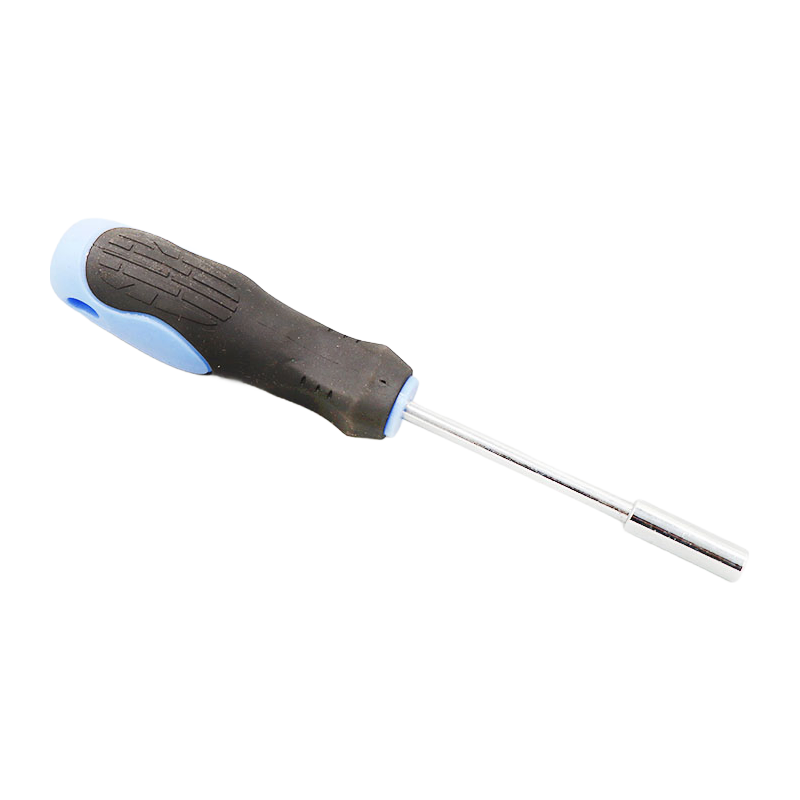
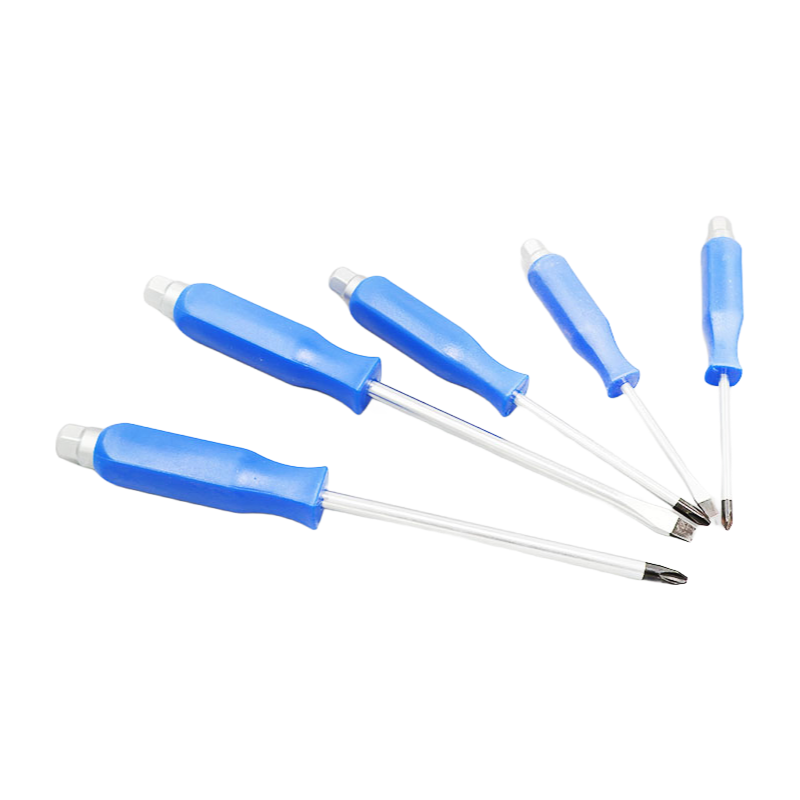
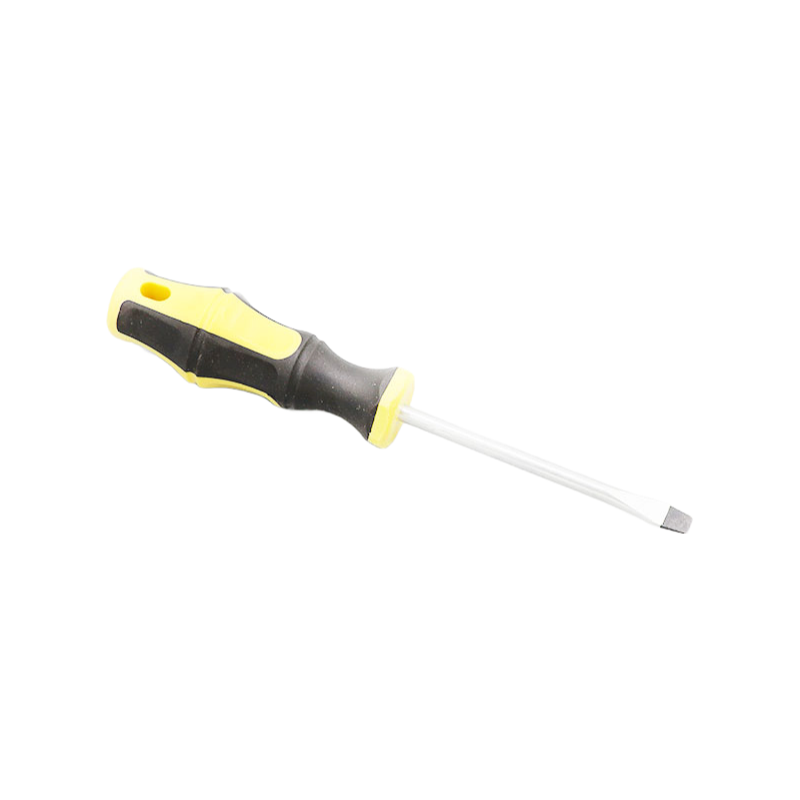
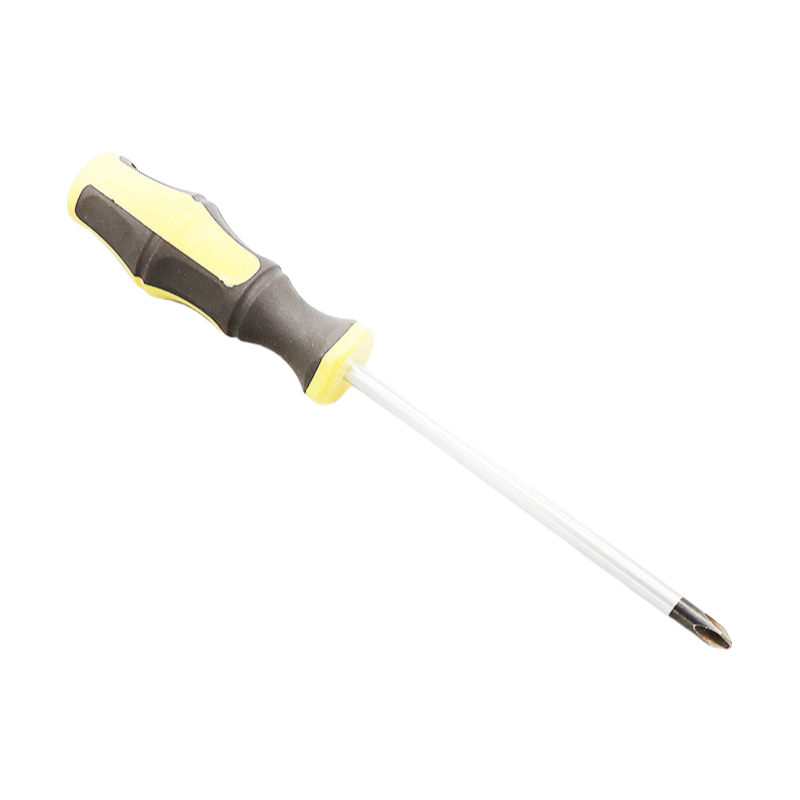
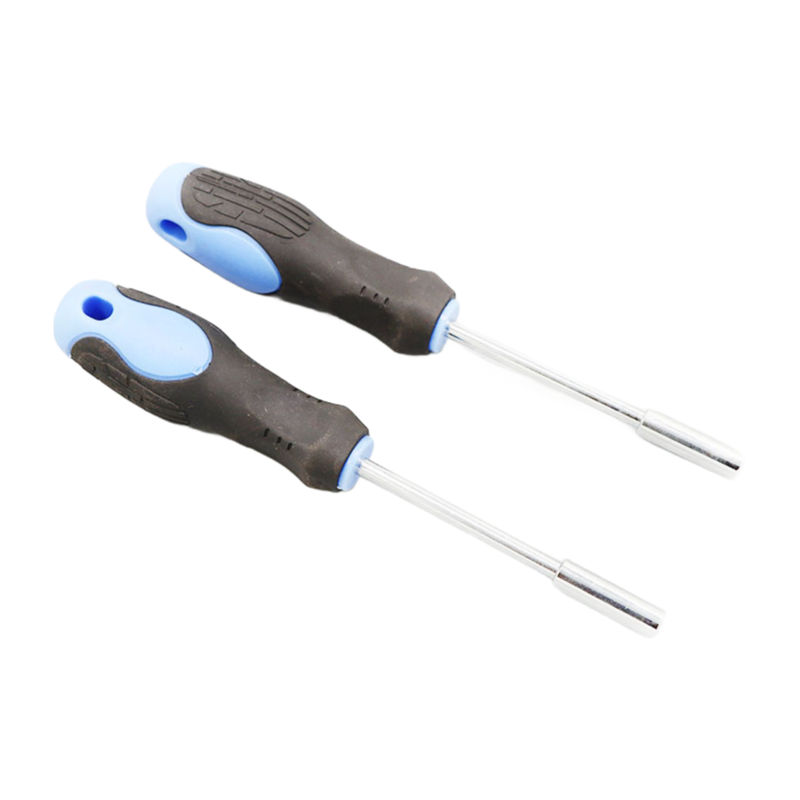
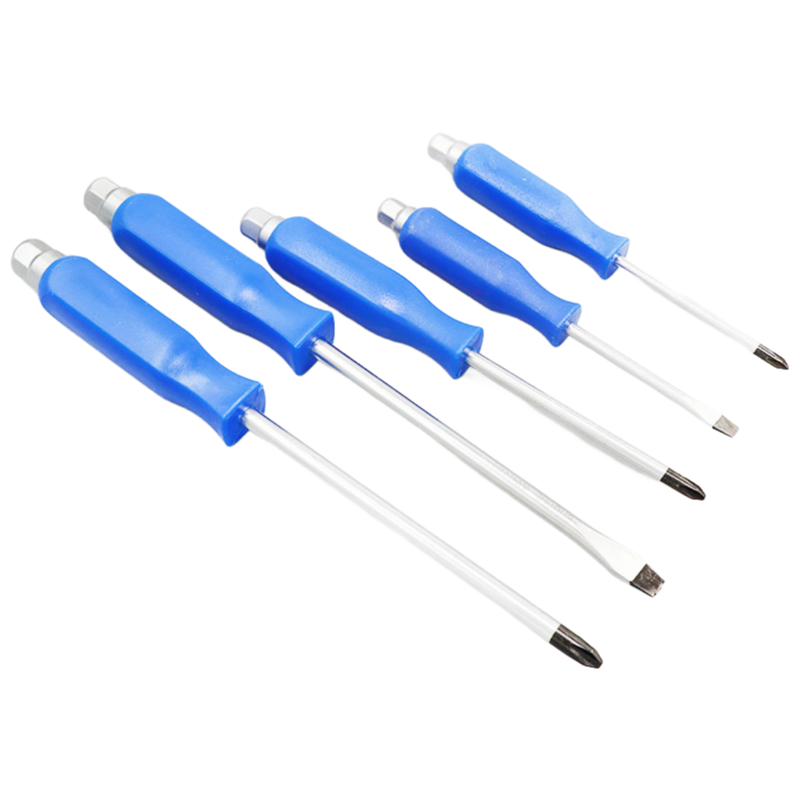
CRV steel at 58-62HRC is what we settled on, and it's good balance—hard enough for impact driving but not so brittle you'll get edge chipping on slotted heads in soft brass. We've got them running at roughly 75mm to 150mm bit lengths, shank size is the standard 1/4" hex, so they'll chuck into any impact driver or torque wrench without adapters. Magnetic tip retention isn't great for heavy structural bolts over, say, 8mm diameter, but for general assembly and furniture work it'll hold a #2 Phillips in place just fine.
Laser engraving the logo is actually a durability move more than a branding one. We usually do it on the handle ferrule or the shank near the stop collar, and the etch depth gives about 0.1mm of permanent mark that survives acetone, IPA wipes, and the thermal cycling of autoclave sterilization (not that you'd autoclave a screwdriver normally, but some cleanroom folks do). The chemical resistnce on the engraving is better than pad printing or hot stamping—solvents won't lift it unless you're literally soaking in MEK for hours.
Surface treatment matters here because of galvanic corrosion potential with stainlss steel fasteners. So we've got chrome plating, nickel coating, bronze finish, black oxide, and sandblasted surfaces. Chrome looks clean but can flake if the pre-treatment isn't done right—we're using a 3-micron nickel undercoat before the chrome layer, which is tighter tolerance than most stamped bits at this price point. Sandblasting gives a matte texture that reduces glare under inspection lights, and some buyers go with it specifically for that. Black oxide is fine for dry environments but in humid labs you'll want at least nickel or bronze to avoid surfce rust forming after 2-3 wipe-downs.
Also, teh TPR handle—what it does is provide a 50 Shore A durometer grip, which is softer than the polypropylene handles on the cheap Amazon kits but not as tacky as TPE. We've got stock right now for bulk packaing in polybags, blister pads, or a plastic case that holds eight bits in the insert. Blister pack is the most common for retail, but for your team's bench drawers we pretty much always recommend just bulk in poly bag tubes—takes up less space and you're not paying for the plastic card waste.
The hardness is 58-62HRC across the whole bit length, not just the tip, which is actually better than some with dual-tempered tips that get brittle near the shank neck. One concrete thing that happened: a trial run of 75mm bits in 302 stainless steel cross-recess screws showed tip deformation at 58HRC on the low end, so we recommend the 60-62 end range for any high-torque repetitive work. COA comes with each lot.
We typically start at 500 pieces for custom orders with laser engraving, but we can work with smaller quantities depending on your needs. Just reach out and we'll see what we can do.
Yes, we can provide a mill test report or hardness test certificate for each batch. Just let us know what format you need when placing your order.
Absolutely, we can combine Philips and slotted heads in various lengths—75mm, 100mm, or 150mm—all in the same bulk or blister pack. Just specify the mix.
Usually around 15 to 20 working days after sample approval, depending on the order size. If you need it faster, we can sometimes rush it.
Yes, they're magnetized to hold screws firmly, even at 58-62HRC hardness. We test them to ensure they stay put during impact driving.
Punctual delivery was a highlight; the package arrived exactly on the scheduled date without any delays. The packaging itself was secure and professional, ensuring all items inside were well-protected during transit. There were no issues with the shipping process, and tracking information was accurate and easy to follow. Regarding the product quality, the tools feel exceptionally sturdy and durable in hand. The finish is smooth, and the laser engraving is precise and clear, adding a professional touch. The magnetic feature works reliably, holding screws firmly, which is a great convenience. As for customer service, the team was responsive and helpful when I had a pre-purchase inquiry. They provided clear information promptly. Overall, this was a very satisfactory experience from start to finish. The combination of reliable logistics, high-quality manufacturing, and attentive service makes this supplier stand out. I would confidently consider them for future tool needs and recommend them to others seeking dependable OEM tools.
The delivery was incredibly fast and well-handled, arriving ahead of schedule without any issues. The packaging was secure, ensuring everything reached me in perfect condition. The quality of these tools is outstanding; they feel durable and well-made, with a solid finish that inspires confidence. Customer service was responsive and helpful, promptly addressing my inquiries with clear communication. Overall, a very satisfying experience that I'd happily recommend to others.
Just received my order, and I'm thoroughly impressed with the overall experience. The delivery was incredibly fast and efficient, arriving well ahead of the estimated date, which made my day. Everything was packaged securely with no signs of damage during transit, showing great care in handling. As for the quality, the items feel sturdy and well-made, exceeding my expectations for durability and finish. The customer service team was also very responsive and helpful, answering my queries promptly and professionally. Overall, a fantastic purchase that I'd highly recommend to others looking for reliable tools.
Absolutely impressed with the delivery speed—my order arrived much faster than expected, which was a pleasant surprise. The packaging was secure and professional, ensuring everything reached me in perfect condition. Regarding quality, the tools feel robust and well-made, with a solid finish that suggests durability for industrial use. The laser engraving is crisp and clear, adding a nice touch of customization. Customer service was responsive and helpful when I had a query about my order, providing quick and clear assistance. Overall, a smooth and satisfying experience from start to finish.
Punctual delivery and excellent packaging ensured my order arrived safely without delays. The tools feel robust and durable, with precise laser engraving that adds a professional touch. Customer service was responsive and helpful throughout the process, addressing my queries promptly. Overall, a reliable experience from start to finish.