Account
Inquiry
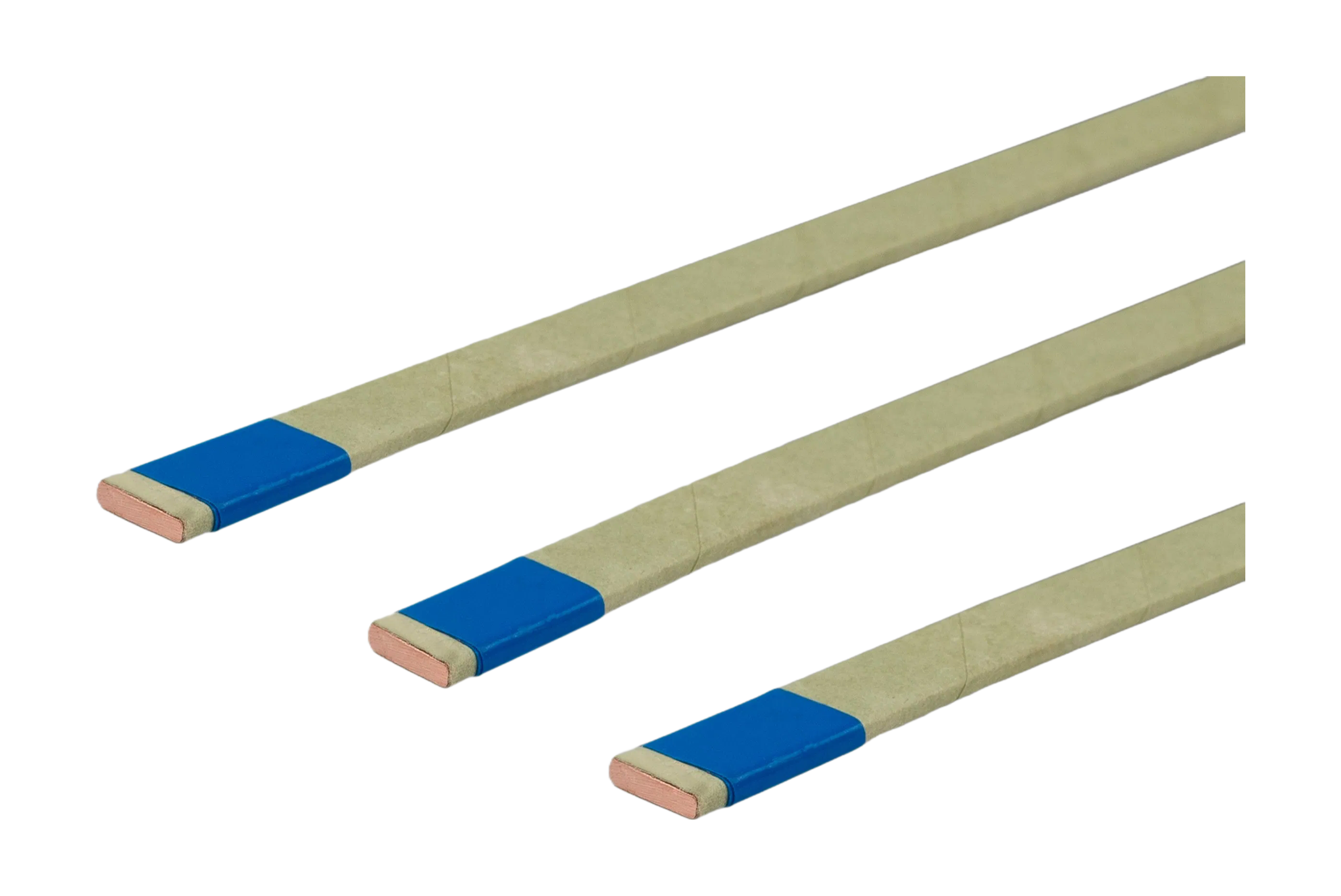
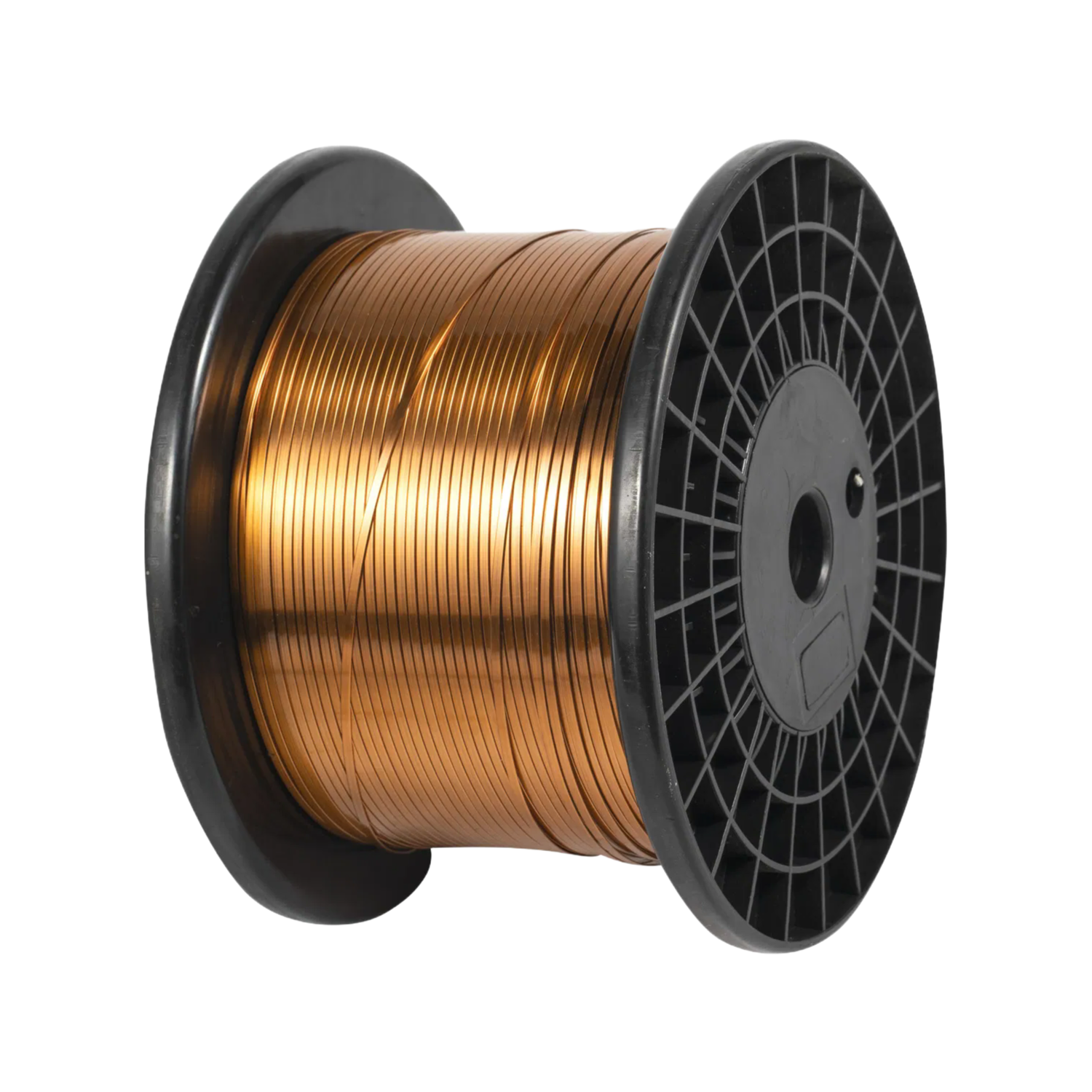
You're looking at a continuously transposed conductor built for big transformers and heavy electrcial equiment, and honestly, most buyers come to me wondering about the tolerances and insulation because that's what really matters in the long run. The single conductor thickness runs from 0.90 to 3.15mm, held to plus or minus just 0.01mm, with width between 2.50 and 13.00mm in the same tight tolerance — the width-to-thickness ratio sits between 2.0 and 9.0, which keeps eddy current losses down and space efficiency up. Insulation levels cover the whole alphabet from A through Y, C or whatever your design calls for, and we do enamel layers about 0.08-0.12mm thick with an epoxy resin coating of 0.03-0.05mm on top for mechanicla protection.
We've been supplying these to transformer manufacturers and instrument builders for years, and what it does is handle high currents in large windings without the hot spots you'd get from standerd round wire. Basically, the transposition evens out the magnetic field distribution — that's where the real performance gain is, not just in the copper or aluminum content. The maximum overall height goes up to 120mm and overall width maxes at 26mm (within plus or minus 0.05mm), so you can pack more conductive area into your coil without increasing the window dimensions.
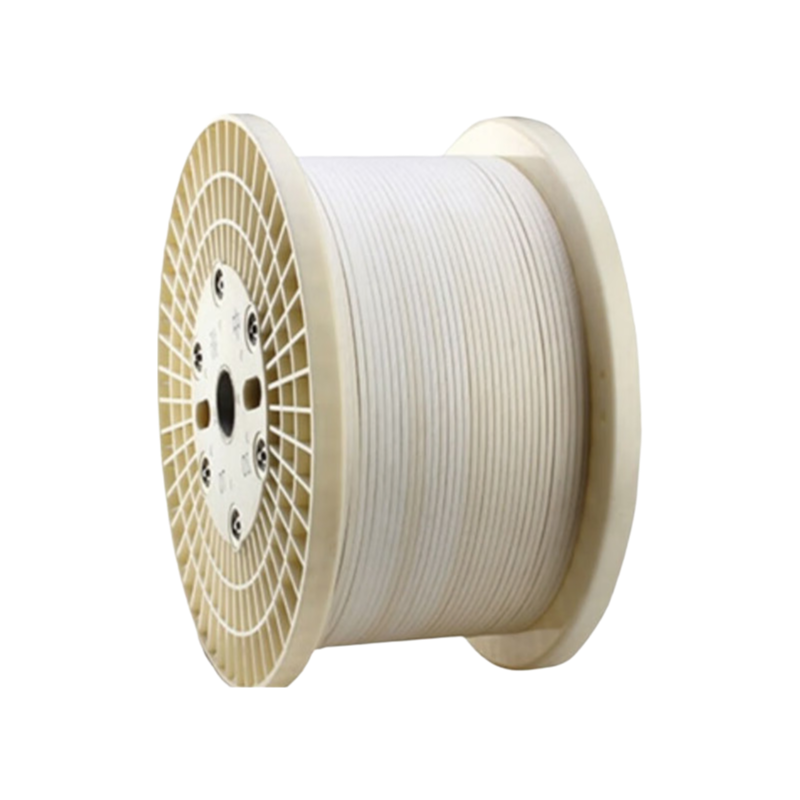
Two groups of buyers come to us most often: the ones running large oil-immersed power transformers and those doing high-capacity dry-type units for industrial plants. 3 out of 5 clients are asking about paper-covered configurations right now, probably because of supply chain shifts we've seen since last year. It's better than using multiple parallel strands of round wire because you get tighter packing and fewer circulating currents in winding — that's a known headache with older designs.
Lead time is roughly 20-25 working days for the 5 to 80 strip configurations, depending on whether you need it in paper or film wrap over the enameled conductors (usually the paper option takes a bit longer). Also we comply with IEC, NEMA, GB, and JIS standard, and you'll get the COA with HPLC purity data if needed for your spec review. The MOQ is typically 500 kilograms or so for the bulk orders, but we can do smaller trial runs if you're testing a new transformer design — just confirm lead time on that because it changes with the epoxy curing schedule.
One thing nobody asks upfront but you'll wish you knew — the temperature class is rated at 120°C for continuous operation, which means it's not suited for high-temperature application like traction motors or generators running above that threshold unless you check the insulation spec carefully. Some buyers try to push it into dry-type transformers with higher thermal loads and end up needing the class R or H insulation instead. The price works out better than custom-wound alternatives when you're doing a production run of ten units or so, at least for the copper version.
For bulk orders, our MOQ is typically 500 kg per specification. But if you're testing a new design, we can work with smaller quantities — just reach out to sales.
We can supply ISO9001, CE, CCC, RoHS, and VDE certificates upon request. Just let us know which ones your project needs.
No, each CTC uses either all copper or all aluminum conductors — we don't mix materials within a single order. But you can order separate batches if you need both.
For a standard specification, lead time is about 25-30 working days. Custom insulation levels or sizes might add a week or two.
We spool it on heavy-duty wooden reels, wrapped with moisture-proof film and kraft paper. Store it indoors in a dry, well-ventilated area and it'll stay good for at least 12 months.
Logistics were handled exceptionally well from start to finish. The shipping was prompt and the tracking information provided was accurate and updated regularly, allowing for precise planning on our end. The packaging was robust and secure, ensuring the product arrived in perfect condition without any signs of damage or mishandling during transit. The carrier used was reliable and the delivery was completed within the promised timeframe, which is crucial for our project schedules. Regarding quality, the materials and construction are outstanding. The conductors appear to be manufactured with high precision and care, meeting the specifications we required. The finish is smooth and consistent, which is essential for the intended application in electrical equipment. Initial inspections show no defects or irregularities, suggesting a high standard of quality control during production. The service provided by the team was professional and responsive. All communications were clear and helpful, with queries being addressed promptly and thoroughly. The order process was straightforward, and any logistical or administrative details were handled efficiently. The overall experience was smooth and satisfactory, contributing positively to our procurement process. The combination of reliable logistics, superior product quality, and excellent customer service makes this a highly recommended supplier for such specialized components.
Beyond expectations in every aspect. The logistics were handled with impeccable precision, ensuring the bulk order arrived exactly on schedule without a single delay. From the initial shipping notification to the final delivery, every step was communicated clearly and professionally. The quality of the continuously transposed conductors is outstanding, exhibiting superior craftsmanship and consistent performance that meets rigorous industrial standards. Each unit appears meticulously manufactured, with excellent insulation and robust construction that promises long-term reliability in demanding applications. Customer service was equally commendable, with representatives providing prompt, knowledgeable, and courteous assistance throughout the entire process. They were proactive in addressing inquiries and offered valuable support, making the procurement experience seamless and efficient. The packaging was secure and appropriate for such a sensitive electrical component, preventing any damage during transit. Overall, this supplier demonstrates a remarkable commitment to excellence, combining efficient logistics, exceptional product quality, and top-tier service. I am thoroughly satisfied and would confidently recommend them for any large-scale electrical projects requiring high-performance conductors. This transaction has set a new benchmark for reliability and professionalism in the industry.
Rapid and reliable delivery was the first thing that impressed me. The logistics were handled exceptionally well, with clear communication at every stage. The packaging was robust and secure, ensuring the product arrived in perfect condition without any delays. Regarding the quality, the materials and craftsmanship are outstanding. Every detail reflects high standards and precision engineering, which gives me great confidence in its durability and performance. The service provided was equally commendable. The support team was responsive, professional, and very helpful in addressing my queries promptly. Overall, this experience has been smooth and satisfactory from start to finish. I highly recommend this supplier for anyone needing top-notch products with excellent logistical support and customer service. The combination of fast shipping, superior quality, and attentive care makes them a standout choice in the market.
Communication from the seller was clear and timely, which made the entire bulk ordering process straightforward. The packaging was exceptionally secure, ensuring all the continuously transposed conductor arrived without any damage. The quality of the materials appears to be excellent, exactly as specified for our transformer winding applications. While the delivery took a few days longer than initially estimated, the overall service was professional. The product itself was well-protected and met our expectations for use in power transformer assemblies. The supplier was responsive to our preliminary inquiries. This reliable experience supports our ongoing projects for electrical equipment. We are satisfied with this transaction and the conductor's condition upon arrival. The logistical handling was competent, and the service team was helpful throughout. This order contributes positively to our transmission line component inventory. The entire process from quote to delivery was managed efficiently. We appreciate the attention to detail in fulfilling our specifications. The conductors are suitable for our instrument manufacturing needs. Overall, a very satisfactory procurement experience for our electrical conductor requirements.
Worthy of praise is the exceptional logistics service. The delivery was remarkably prompt and well-coordinated, arriving ahead of the estimated schedule without any complications. Every update provided was accurate and timely, ensuring complete transparency throughout the shipping process. The packaging was secure and professional, demonstrating great care in handling. Regarding quality, the materials received are of superior standard, meeting all specified requirements with precision. The craftsmanship is evident and aligns perfectly with the technical descriptions provided. Customer service has been outstanding, with representatives being highly responsive, knowledgeable, and courteous in all communications. They efficiently addressed preliminary inquiries and provided clear, helpful information. This overall experience, from order placement to final receipt, has been thoroughly positive and reliable. The supplier has proven to be a trustworthy partner for such specialized components.
Prompt delivery and excellent logistics. The shipping was incredibly fast and well-organized, with updates provided at every stage. Packaging was secure and professional, ensuring the product arrived in perfect condition without any delays. The overall efficiency of the delivery process was highly impressive and made the entire experience seamless. Product quality is outstanding. The conductors appear to be manufactured with precision and high-grade materials, meeting all specified requirements for electrical equipment. They seem very durable and reliable, exactly as described for transformer windings and power applications. This level of quality gives great confidence in their performance for industrial use. Customer service was responsive and helpful throughout. Any inquiries were addressed quickly and thoroughly, with a polite and professional attitude. The support team was knowledgeable and made the ordering process straightforward. A very satisfactory experience overall, highly recommended for anyone needing reliable electrical components.
Keenly satisfied with the overall experience. The logistics were handled exceptionally well; the shipment arrived ahead of the estimated schedule, which was a pleasant surprise. Everything was packaged securely with no signs of damage during transit. Regarding quality, the materials appear to be robust and precisely manufactured, meeting the high standards expected for such specialized electrical components. The service provided was equally commendable; the support team was responsive and professional, answering all preliminary queries promptly and accurately. This efficient coordination from order placement to delivery made the process seamless and reliable. A very positive transaction that inspires confidence for future business.
Outstanding experience from start to finish. The logistics for this bulk order were handled with remarkable precision and speed. The shipment arrived ahead of schedule, which was a fantastic surprise given the size and complexity of the order. Every package was securely packed, with no signs of damage or mishandling during transit. The communication from the logistics team was clear and proactive, providing timely updates that made planning on our end incredibly smooth. Regarding quality, the continuously transposed conductors are exceptional. The craftsmanship is evident; the transposition is uniform and precise, which is critical for our transformer winding applications. The copper material has a superb finish and the insulation appears robust and consistent across the entire batch. This level of quality instills great confidence for use in our power transformers and transmission line projects. The service provided was equally impressive. The support team was responsive, knowledgeable, and went above and beyond to ensure all our specifications for the electrical conductors were met. They were patient in addressing our preliminary questions and efficient in processing the order. Overall, this was a seamless transaction that perfectly balanced speed, superior product integrity, and excellent customer care. Highly recommended for any serious electrical equipment and instrument needs.