Account
Inquiry
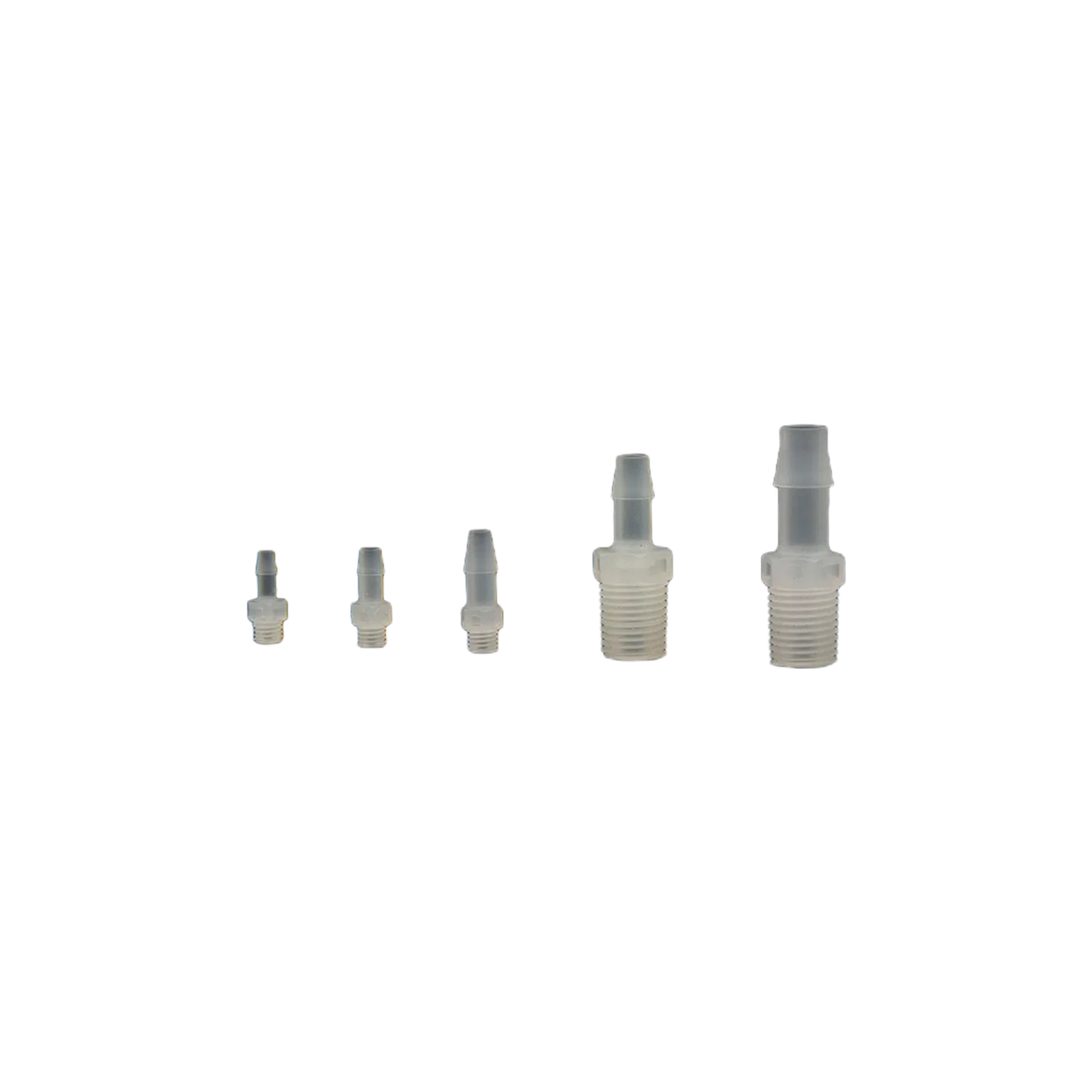
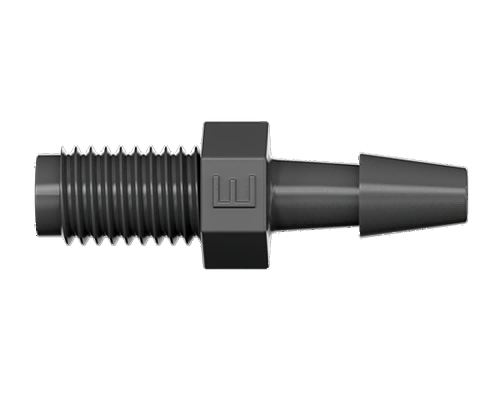
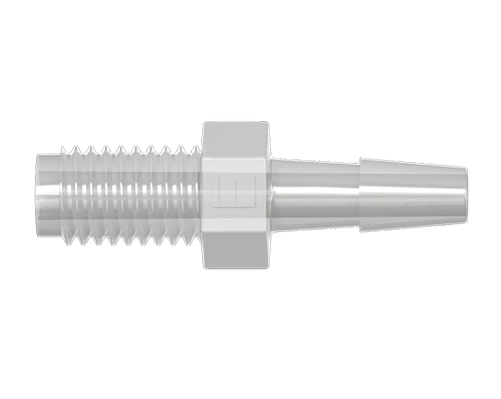
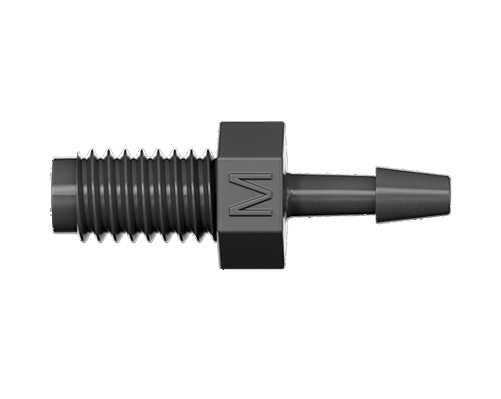
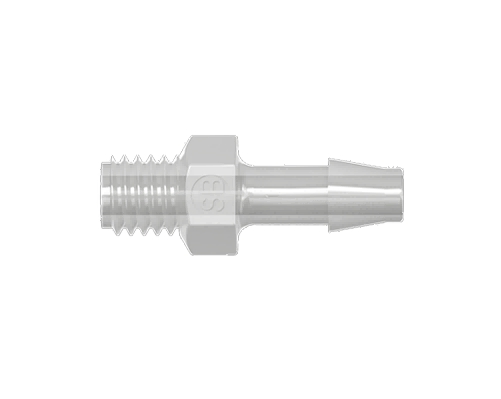
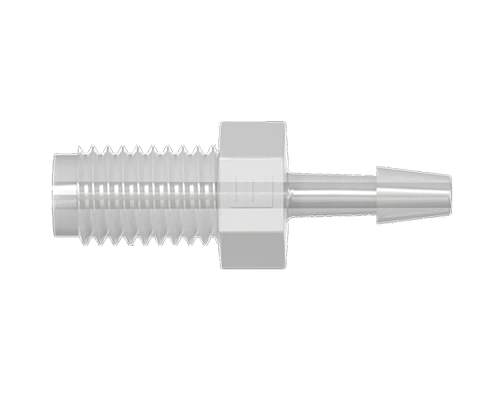
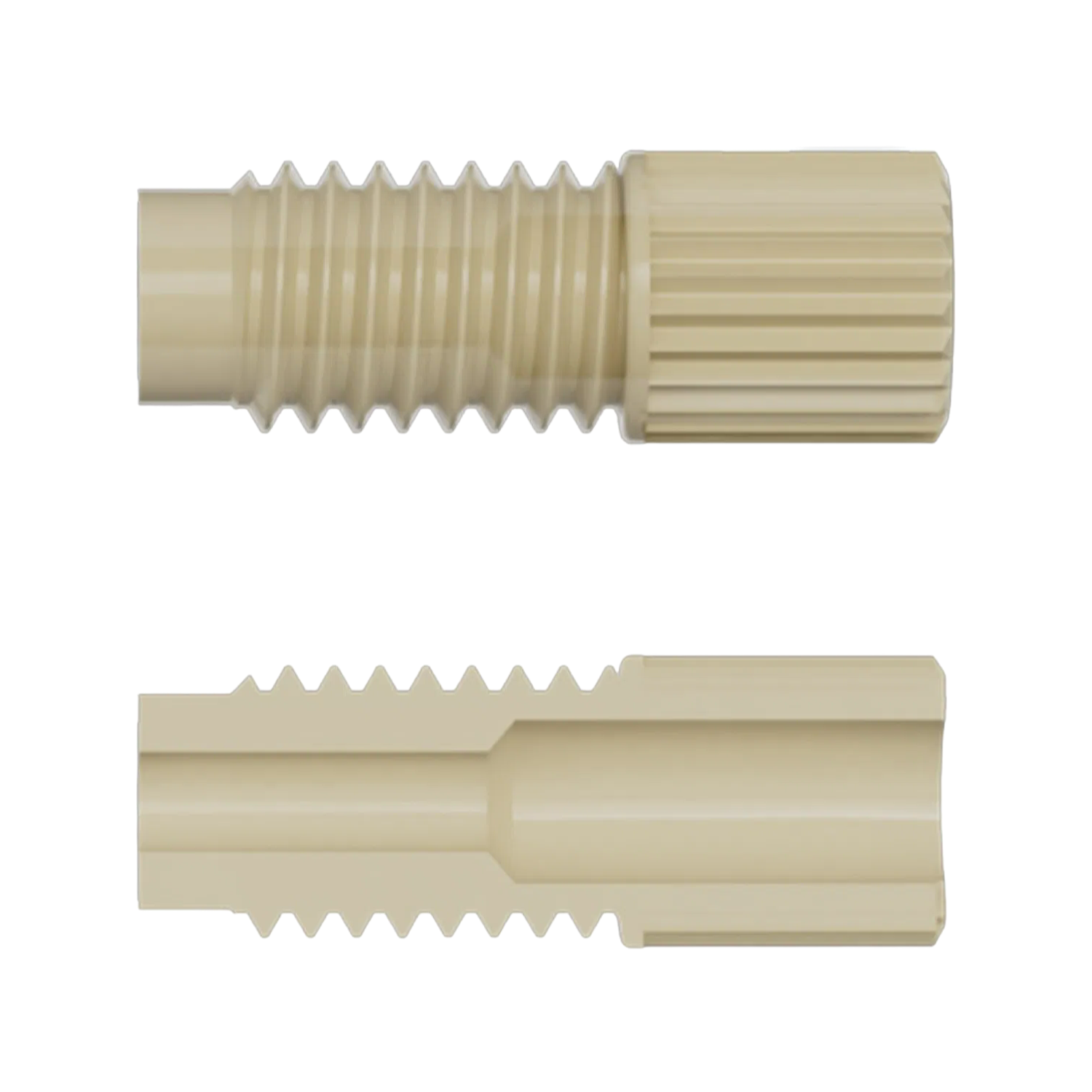
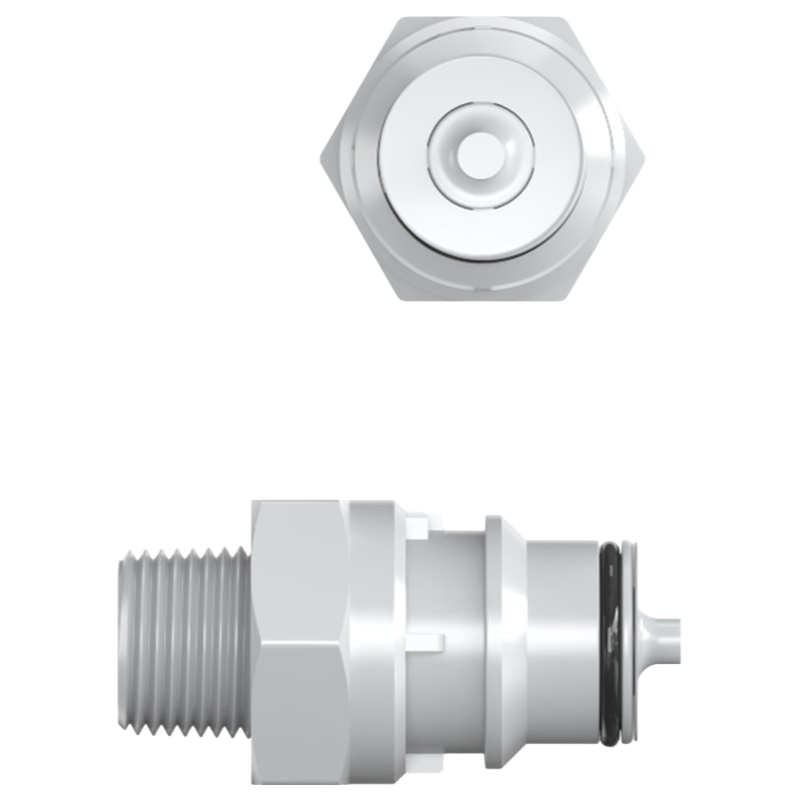
We're seeing these used most often where you need a dead-stop seal at the thread base without relying on tape or sealants — that stepped surface at the root does teh work by extruding the materail slightly as you tighten, which is basically a controlled deformation that fills the micro-gaps, and it works reliably up to about 10 bar depending on polymer you choose.
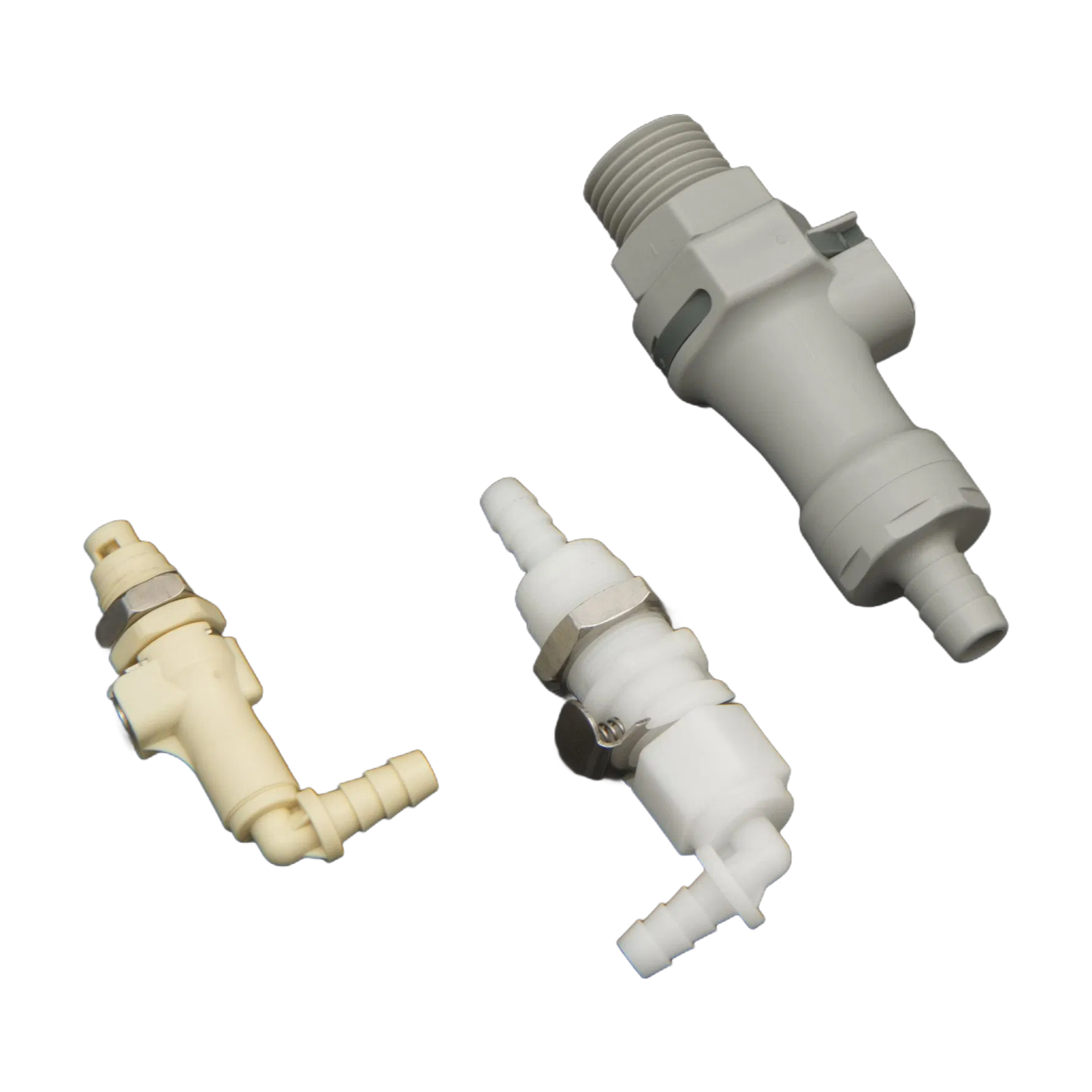
PP is fine for general lab work at up to 120°C or so, but if you're running aggressive solvents or continuous autoclave cycles, you'll want the PVDF instead — it holds up better chemically, though it's a bit stiffer to handle, and we've had a few buyers switch from Acetal because of hydrolysis issues in high-humidity environments.
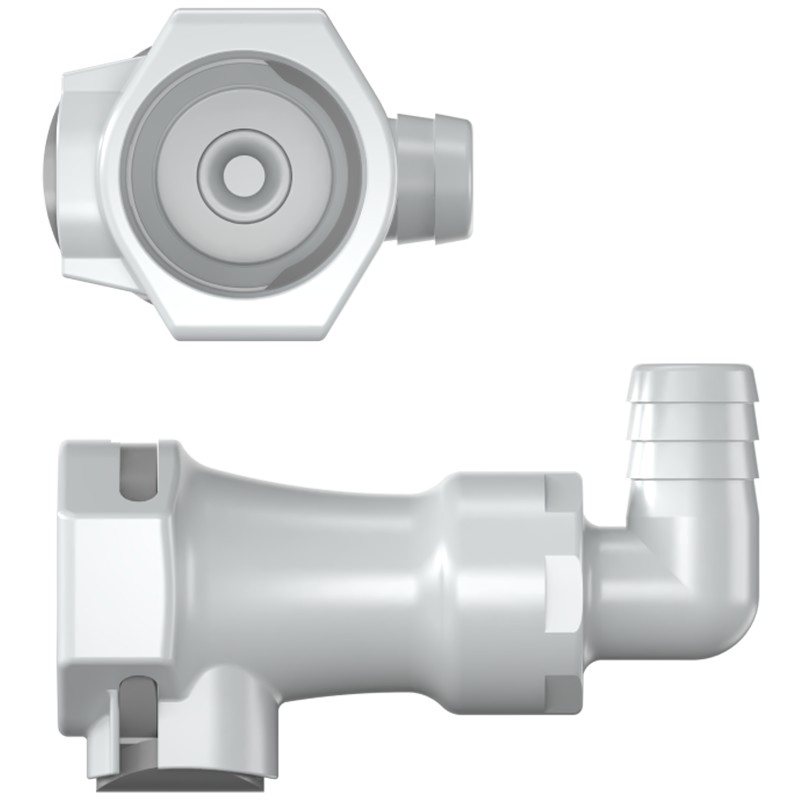
The barbed end fits 1.6mm, 3.2mm, or 4.0mm ID tubing pretty snugly, and what it does is it relies on that interference fit rather than a clamp — so you don't need tools, but you do need to push the tubing on firmly, and I'd recommend a quick pressure test before calling it leak-tight.
1/4-28UNF is the most common thread we ship for medical devices, but M5 and M6 are both avaliable — we usually have stock on all three, though lead time can stretch to 20 days or so on the M6 in PA if we're between, so just confirm before ordering.
We run HPLC and include a COA with the lot number, and for medical-grade application our company can supply a material cerification from the resin supplier — it's not something we advertise, but we've had auditors ask for it, so it's there if you need it.
One thing nobody asks but matters: the surface finish is smooth enough that you won't get particulate shedding into a microfluidic channel, but it's not polished to optical clarity — so if you're doing microscopy through the fitting itself, this isn't the part for that.
We typically require a minimum of 1000 pieces per order for standard PP and PA fittings, but we can negotiate lower MOQs for custom colors or UV-stabilized grades.
Standard lead time is 2-3 weeks for custom orders, depending on batch size. For Acetal with M5 thread, we usually ship within 15 working days after design approval.
Yes, we can supply RoHS and medical-grade material certifications, including a Material Test Report for PVDF batches. Just request it when placing your order.
Yes, the 4.0mm ID barb with 1/4-28UNF thread is rated for up to 10 bar, but actual pressure capacity depends on the material—PA and PVDF handle that range best. We recommend testing under your specific conditions.
PP and PVDF are autoclavable and available in natural. We package them in sealed, clean polybags with no static cling, and can do double-bagging in medical-grade bags for an extra charge.
Beyond expectations in every aspect. Beginning with the logistics, the delivery was remarkably swift and the packaging was impeccably secure, ensuring the fittings arrived in pristine condition without any delays. The quality of these micro barb fittings is truly outstanding; the materials feel robust and durable, with precise manufacturing evident in every detail. The service provided was equally impressive, with clear communication and a professional approach throughout the entire process. I am thoroughly satisfied with this purchase and would highly recommend this supplier to anyone in need of reliable components for analytical or medical applications.
Brisk delivery was the first thing I noticed; the package arrived well ahead of the estimated schedule, which was a fantastic start. The packaging itself was secure and professional, ensuring all components were protected in transit. Upon inspection, the build quality of the fittings is immediately apparent. They feel robust and precisely manufactured, with clean molding and no visible imperfections. The materials seem durable and suitable for their intended applications. Customer service was responsive and polite during the order confirmation process, providing clear communication. Overall, a very satisfactory experience from a logistical and quality assurance perspective. The product appears to meet high standards, and the entire purchasing process was handled efficiently and reliably.
My experience with this order was quite positive overall. The shipping was remarkably fast, arriving several days ahead of the initial estimated delivery window. The packaging was secure and professional, with each fitting individually bagged to prevent scratching. Regarding quality, the fittings appear to be very well manufactured. The barbed ends are smooth with no visible mold lines or burrs, and the threading on the bottom seal is precise and clean. The material, which I believe is PP, feels sturdy and has a consistent color. Customer service was responsive when I had a pre-sale question about thread compatibility, providing a clear and helpful answer within a few hours. While I cannot comment on long-term performance in a specific application yet, the initial physical inspection suggests high-quality machining and material selection suitable for precision fluidic systems. The order was accurate, and the entire process from purchase to delivery was seamless and efficient.
Prompt delivery and excellent packaging. The items arrived securely and ahead of the estimated schedule, which was a pleasant surprise. The quality of the fittings appears to be very high, with clean molding and a sturdy feel that inspires confidence for our intended applications. Communication from the seller was clear and professional throughout the process, making the entire transaction smooth and worry-free. A very satisfactory purchasing experience overall.
Great experience overall. The shipping was incredibly fast and the package arrived well ahead of the estimated delivery date, which was a pleasant surprise. Everything was securely packed with no signs of damage during transit. Regarding the quality, the fittings feel very solid and well-made. The material seems durable and the threading is precise, exactly as described. The service from the seller was also excellent; communication was prompt and helpful when I had a pre-sale question. I am very satisfied with this purchase and would confidently order from this supplier again.
Keenly impressed with the overall experience of receiving these fittings. The delivery was incredibly fast and well-packaged, ensuring everything arrived in perfect condition without any delays. Quality-wise, the materials feel sturdy and well-crafted, showing no signs of defects or inconsistencies. Customer service was outstanding; they responded promptly to my inquiries and provided helpful assistance throughout the process. Overall, a very smooth and satisfying transaction that I'd happily recommend to others.
Wow, the shipping was incredibly fast and well-packaged, arriving ahead of schedule without any delays. The quality of the items is outstanding, with precise craftsmanship that feels durable and reliable for professional use. Customer service was exceptionally responsive and helpful, promptly answering all my queries and ensuring a smooth transaction. Overall, a fantastic experience from start to finish.
Shipping was incredibly fast and efficient, arriving ahead of schedule with secure packaging that ensured everything was in perfect condition. The quality of these fittings is outstanding, with precise manufacturing that feels durable and reliable for professional use. Customer service was responsive and helpful, promptly answering my inquiries and ensuring a smooth transaction. Overall, a fantastic experience from start to finish, making me confident in future purchases.
A fantastic experience from start to finish! The shipping was incredibly fast, arriving much sooner than I anticipated, which was a pleasant surprise. The packaging was secure and ensured that everything reached me in perfect condition. As for the quality, the fittings feel sturdy and well-made, showing excellent craftsmanship that I truly appreciate. The customer service team was responsive and helpful, answering all my questions promptly and professionally. Overall, I'm highly satisfied with this purchase and would definitely recommend it to others based on these aspects alone.
The delivery was incredibly fast and well-handled, arriving ahead of schedule without any issues. The packaging was secure and professional, ensuring everything arrived in perfect condition. As for the quality, the materials feel durable and well-crafted, meeting high standards for such components. Customer service was outstanding; the team was responsive and helpful, promptly addressing my inquiries with clear and friendly communication. Overall, a very satisfying experience that I would highly recommend to others.