Account
Inquiry
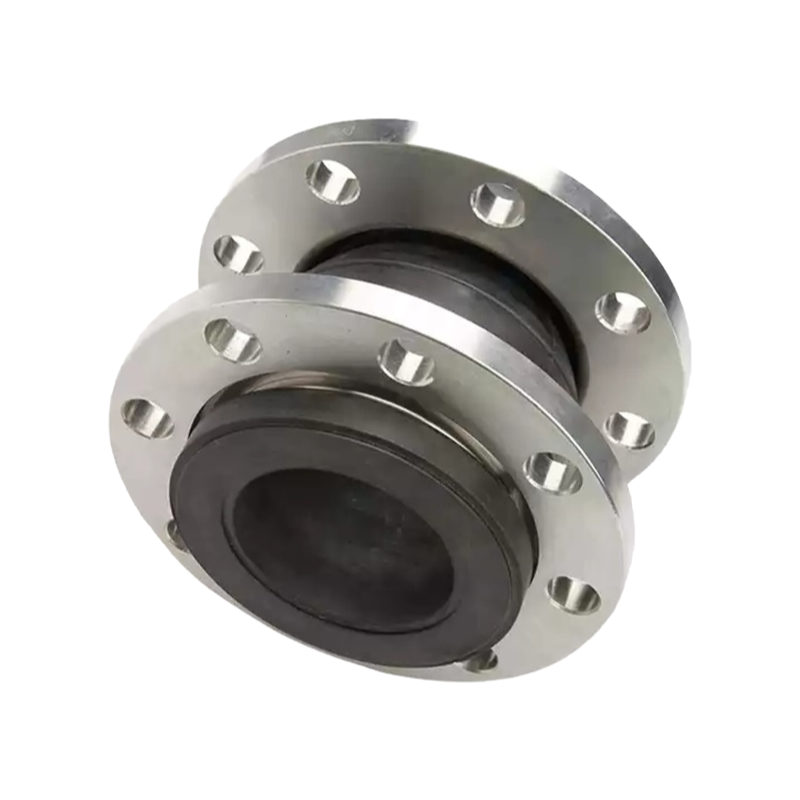
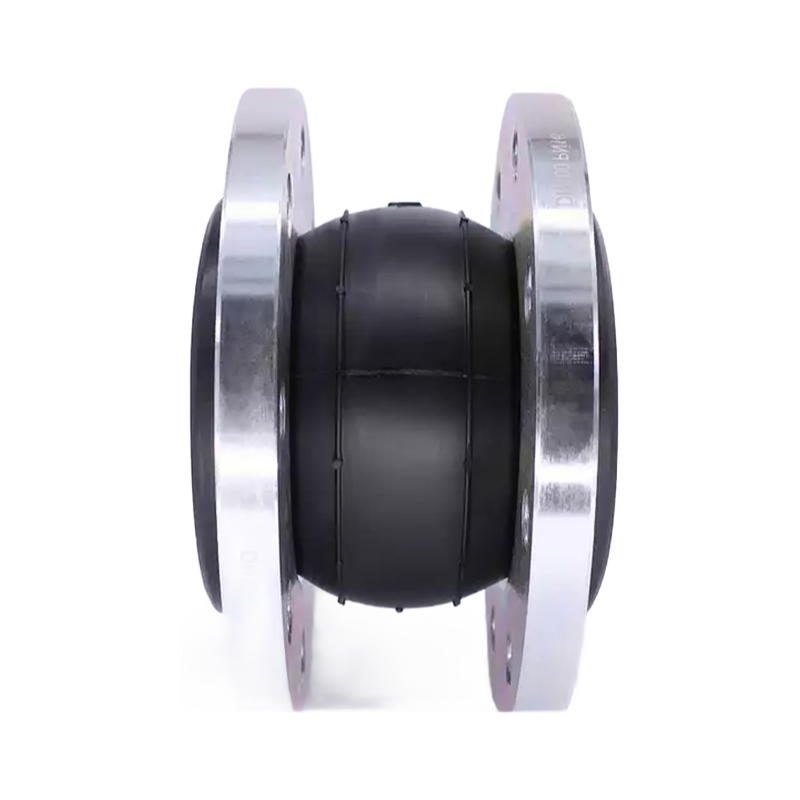
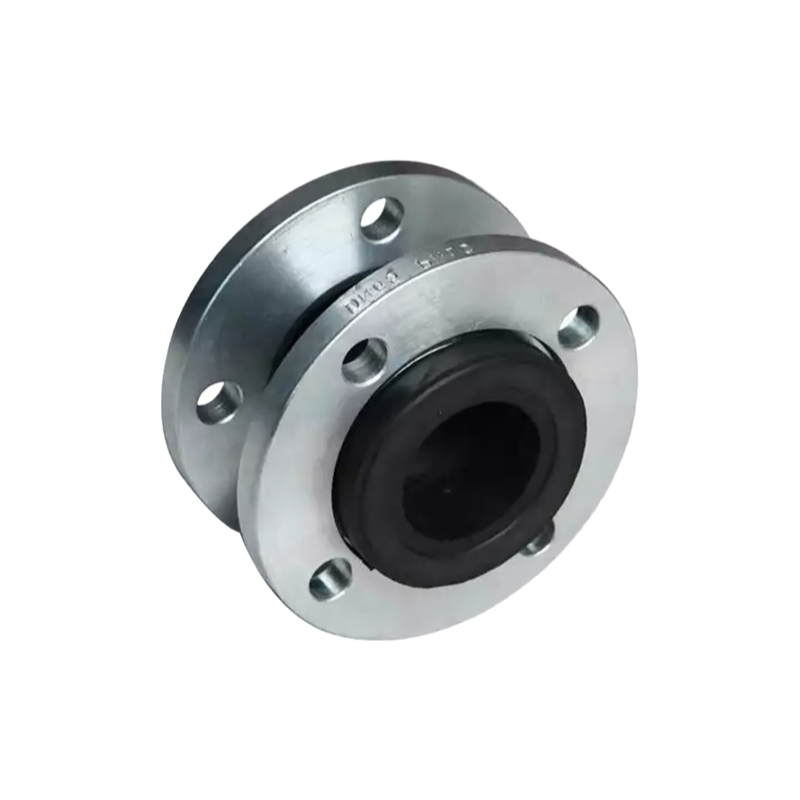
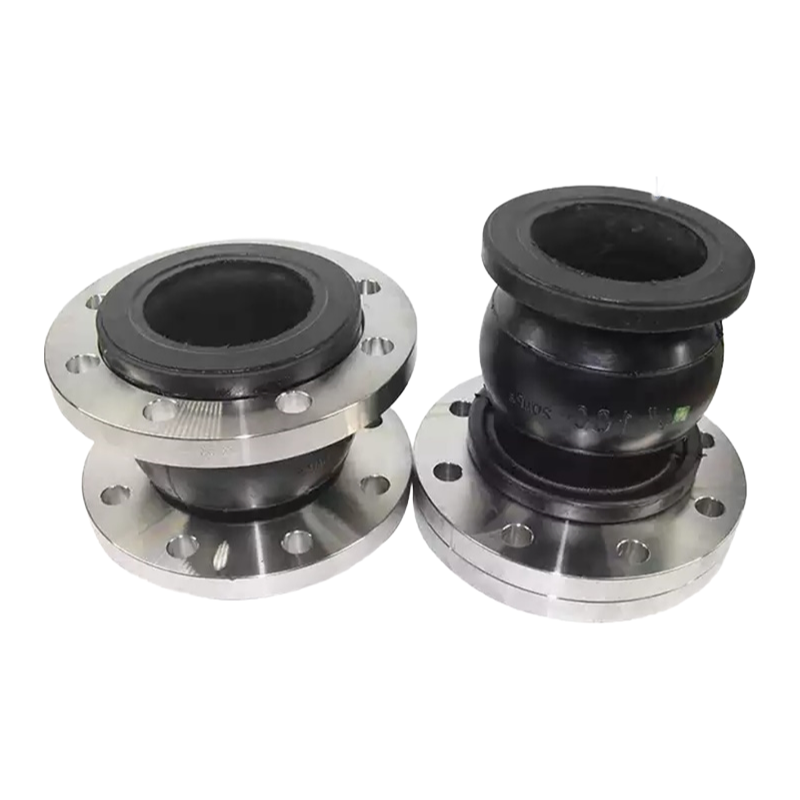
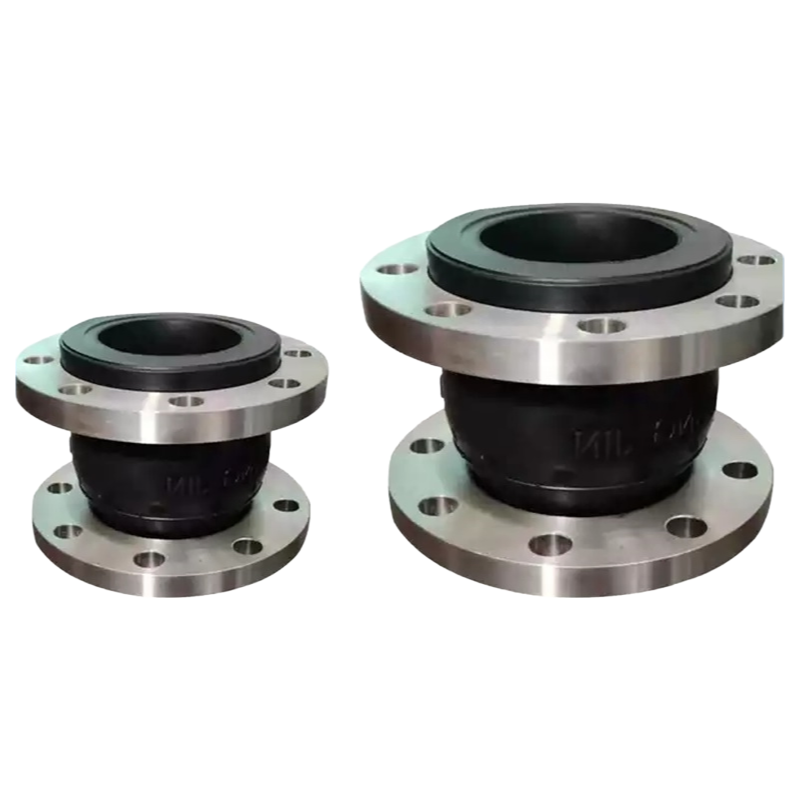
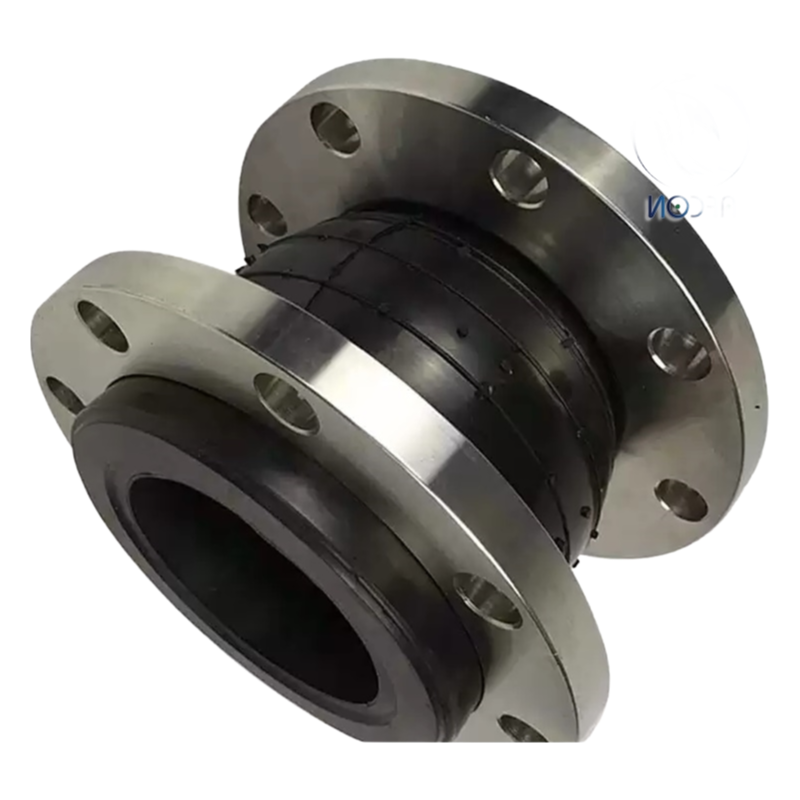
It's basically a flexible connector that goes between two pipe sections to handle vibration, noise, and pipes shifting due to tempearture changes — you'll see them in water, oil, or air systems where rigid connections just won't cut it.
Most buyers use these in pump and compressor setups or where thermal expansion is a real issue, but it's not for high-pressure steam lines or anything above about 115°C because the rubber just gives out. 3. The body is EPDM or NBR rubber depending on whether you need oil resistance or better weather resistnce, and we reinforce it with 10 layers of nylon cord plus copper plated steel wire inside (prevents pull-off on bigger sizes). We cover from DN32 up to DN1000, pressure ratings from PN10 to PN25 or 125LB/150LB, and flanges match DIN, ANSI, GB, JIS, or BSW standdard.
Sizes above DN100 definately need copper wire reinforcement or they'll pull apart under pressure — that's something a lot of people don't ask about until it fails. 5. Anyway, we usually stock common sizes like DN50 to DN300, but anything over DN400 needs about 20 days or so for production. Service life is roughly 3 years under normal conditions, but if you're pumping abrasive slurry, expect less.
We've been making these for about 8 years now, so we know the tolerances are tighter than most generic imports, and every batch comes with a proper COA and SGS report if you need it.
For DN1000, we typically supply PN10 and PN16. PN25 and 150LB are also possible, but we'd need to verify wall thickness and flange specs first — just confirm your working pressure when you order.
Yes, we include both CE and SGS test reports with each order. Just let us know if you need the originals or certified copies — we'll prepare them along with the packing list.
For DN32, the MOQ is 50 pieces. If you need a smaller trial batch, we can do 20 pieces at a slightly higher unit price — just talk to our sales.
Absolutely. We make flanges to DIN, ANSI, GB, JIS, and BSW standards. Just specify ANSI 150LB in your order, and we'll match the bolt hole pattern and dimensions.
Keep them in a cool, dry place away from direct sunlight and ozone sources — like motors or welding areas. Stack them flat, and avoid heavy loads on top so the rubber doesn't deform. They'll hold up fine for the full service life if stored properly.
Outstanding experience from start to finish. The delivery was remarkably swift and the packaging was exceptionally secure, ensuring the product arrived in pristine condition. Communication regarding the shipping status was clear and timely, which I greatly appreciate. As for the item itself, the build quality is immediately apparent. The materials feel robust and durable, with excellent craftsmanship evident in the finishing. The flanges are perfectly machined and the rubber compound has a high-quality feel to it, exactly as one would hope for in a critical pipeline component. The service provided was equally impressive. Any preliminary questions I had were answered promptly and professionally by knowledgeable staff. The entire process was seamless, from ordering to delivery. It is rare to find a supplier that excels in all three key areas: logistics, product integrity, and customer support. This transaction has set a very high standard. I am thoroughly satisfied and would not hesitate to recommend this supplier to others based on this exemplary performance. The efficiency and professionalism displayed have made this a notably positive purchasing experience.
Highly efficient logistics were the first standout feature of my experience. The shipment arrived considerably earlier than the initial estimated timeframe, which was a very pleasant surprise. Every step of the delivery process was clearly communicated through timely tracking updates, leaving no room for uncertainty about the package’s location. The packaging itself was exceptionally robust and secure, ensuring the product arrived in flawless condition without any danguer of damage during transit. Handling the well-protected box was straightforward, and the contents were perfectly intact upon unboxing. Regarding the product’s quality, the craftsmanship is immediately apparent. The materials used feel substantial and durable, with excellent finishing on all surfaces. The rubber compound has a consistent, high-grade texture, and the flanges are precisely machined, showing no signs of imperfections or substandard workmanship. It clearly aligns with the descriptions and specifications provided, instilling confidence in its long-term performance for pipeline applications. Customer service deserves equal praise for its professionalism and responsiveness. My initial inquiry was answered promptly with detailed, helpful information that addressed all my specific questions about compatibility. The representative was knowledgeable, courteous, and provided clear guidance without any pressure. This level of attentive support made the entire purchasing process smooth and hassle-free. Overall, this transaction was exemplary in every aspect that matters for an online order. From the swift and transparent shipping to the obvious superior quality of the joint and the outstanding support received, every element exceeded expectations. This is precisely the kind of reliable service and product quality that builds lasting customer trust and loyalty. I would not hesitate to recommend this supplier and will certainly consider them for future needs.
Hats off to the seller for an exceptionally smooth transaction from start to finish. The shipping speed was remarkable; the package arrived well ahead of the estimated delivery window, which was a fantastic surprise. Everything was packaged with great care, ensuring the product arrived in pristine condition without any damage whatsoever. Regarding the quality of the flexible flange rubber joint itself, the craftsmanship is immediately apparent. The materials feel robust and durable, exactly as described for handling water, oil, and air systems. The flanges are perfectly machined, and the EPDM rubber exhibits excellent flexibility and a high-quality finish. Communication and service from the seller were equally impressive. Any pre-purchase questions were answered promptly and thoroughly with clear, helpful information. The overall professionalism made the entire process effortless and trustworthy. This combination of rapid logistics, superior product quality, and outstanding customer support makes this purchase highly commendable. I am thoroughly satisfied and would not hesitate to order again or recommend this supplier to others.
Zippy delivery was the first thing that impressed me. The order arrived far sooner than the anticipated window, which was a fantastic start. Zero issues with the packaging; everything was secure and protected, showing clear attention to detail in the shipping process. Regarding the product itself, the zinc-coated flanges on the rubber joint appear to be of a very sturdy construction, and the rubber feels thick and resilient, promising good durability. The overall craftsmanship seems excellent upon visual inspection. As for service, the communication was zealous and proactive. I received a prompt confirmation and shipping notification without having to ask. Any minor pre-purchase questions I had were answered clearly and quickly. This combination of fast logistics, apparent high quality, and attentive service makes for a very positive purchasing experience overall. I would certainly consider this supplier for future pipeline component needs based on this initial transaction.
Yikes, the shipping was incredibly fast! I placed the order with some trepidation, given the specificity of the part, but the logistics were seamless. The package arrived well ahead of the estimated delivery window, which was a fantastic surprise. You truly exceeded my expectations on that front. Regarding the quality, yes, it appears to be very well-made. The rubber feels robust and the flanges are precisely machined. I haven't installed it yet, so I can't speak to long-term performance, but the initial inspection is promising. The service aspect was also noteworthy. The communication was clear, and any pre-sales inquiries I had were answered promptly and professionally. There was a slight hiccup with the customs documentation, but their support team resolved it within hours, which was impressive. Overall, a very smooth transaction from a vendor that seems to understand the importance of reliable delivery and customer support. The product looks the part, and if it performs as well as the company's logistics and service did, I will be a very satisfied customer. I would certainly consider ordering from them again for similar pipeline components.
Fantastic experience from start to finish! The delivery was incredibly prompt and efficient, arriving well ahead of the estimated schedule. The packaging was robust and secure, ensuring the product arrived in pristine condition without any damage whatsoever. Upon inspection, the quality of the rubber joint is immediately apparent. The materials feel durable and high-grade, with excellent craftsmanship evident in the stitching and flange construction. It has a substantial, reliable feel that inspires confidence for its intended application in pipeline systems. Customer service was equally impressive; the team was responsive, knowledgeable, and courteous in all communications, providing clear updates and assistance. Overall, this was a seamless transaction marked by superior logistics, exceptional product quality, and outstanding professional service. Highly recommended for anyone in need of reliable pipeline components.
Hats off to the entire team for a truly seamless experience from start to finish. The logistics were handled with impeccable precision; the package arrived well ahead of the estimated delivery window, which was a fantastic and unexpected surprise. The packaging itself was robust and secure, clearly designed to protect the contents during transit, and everything inside was in perfect order. Regarding the quality, the rubber joint appears to be exceptionally well-manufactured. The materials feel durable and substantial, and the workmanship on the flanges and the sphere is precise, giving immediate confidence in its longevity and performance within a demanding pipeline system. The service aspect was equally commendable. Communication was clear and proactive, with all order confirmations and shipping updates provided promptly without any need for follow-up on my part. The overall professionalism and efficiency displayed have made this a very positive procurement experience. I would not hesitate to order from this supplier again for similar industrial components.
Came exactly as described and pictured. The shipping was incredibly fast, arriving well ahead of the estimated delivery window. The packaging was secure and professional, ensuring the product was protected in transit. Upon inspection, the quality of the rubber joint is immediately apparent. The materials feel robust and durable, and the construction appears flawless with clean molding and no visible imperfections. The flanges are precisely formed. Customer service was responsive and helpful when I had a pre-purchase question, providing clear information promptly. Overall, a very smooth transaction from a seller that clearly prioritizes reliable logistics, solid product quality, and good communication. I am confident this joint will perform as needed in my application. Highly recommended for anyone needing a dependable pipeline component.
Prompt delivery and excellent packaging. The item arrived ahead of schedule, which was a pleasant surprise. The rubber joint was well-protected and the overall shipping experience was very smooth. Regarding quality, the product appears to be robust and well-manufactured. The materials feel durable and suitable for the intended application. The service provided was commendable; any inquiries were addressed quickly and professionally. A very satisfactory purchase overall from a logistics and service standpoint.