Account
Inquiry
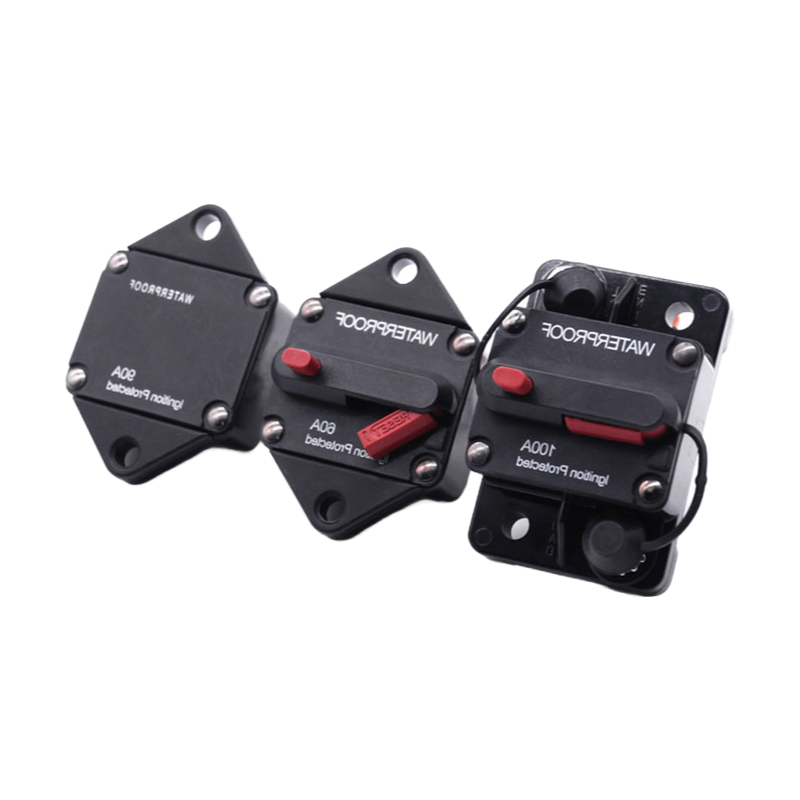
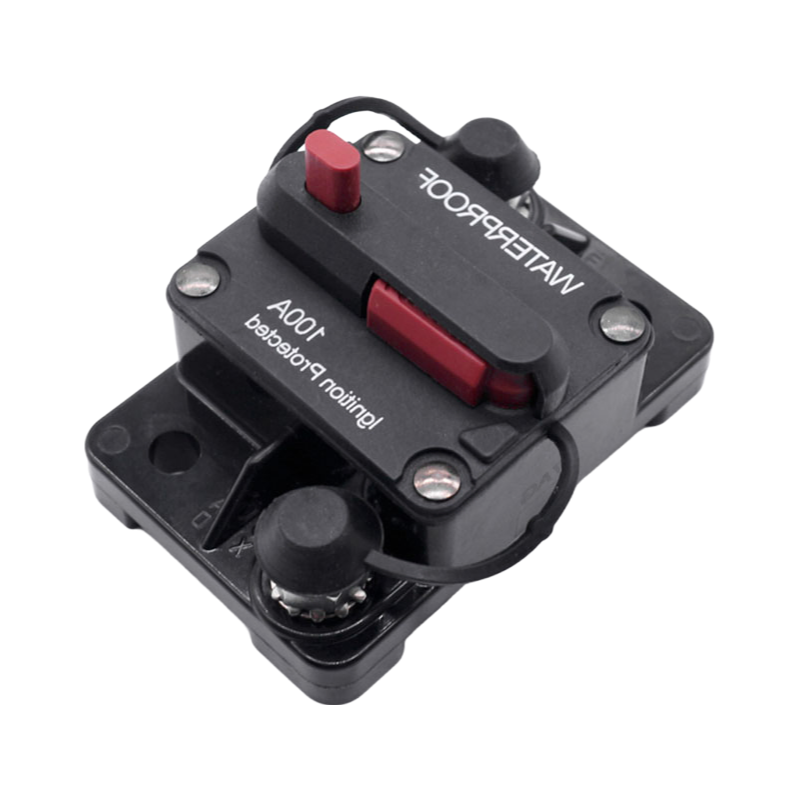
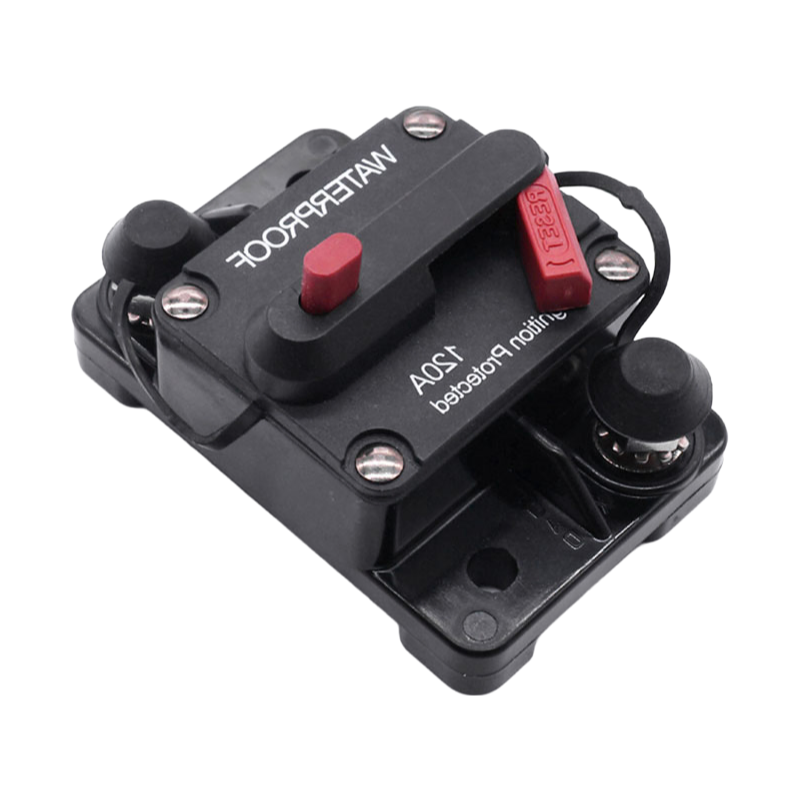
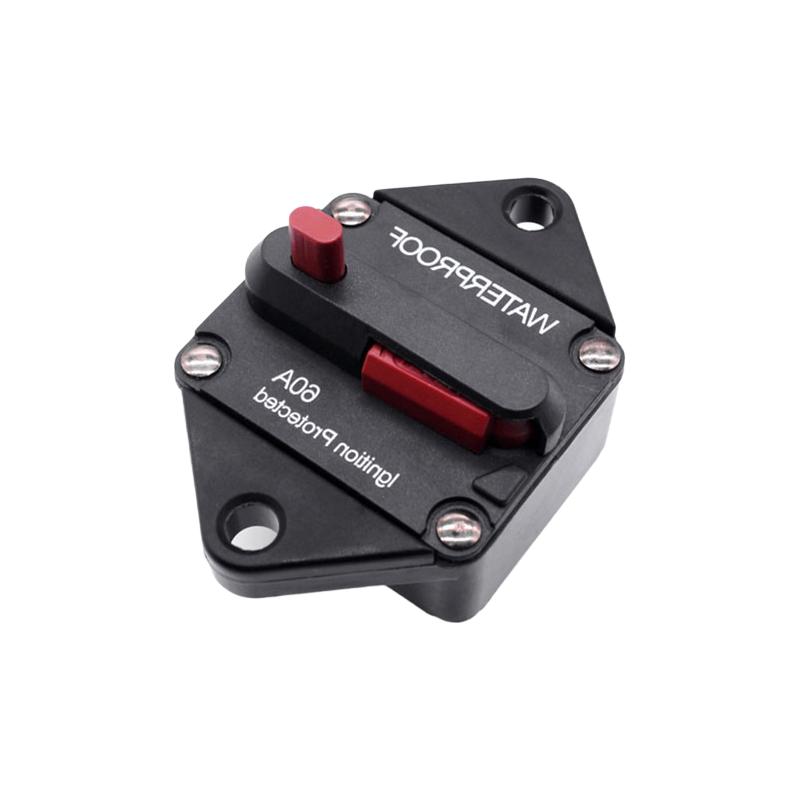
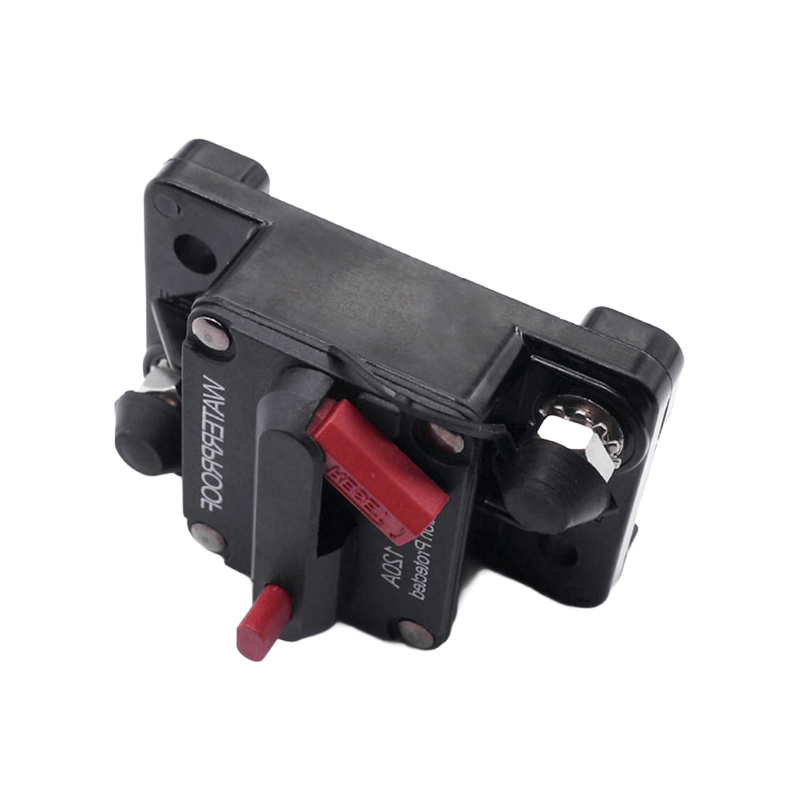
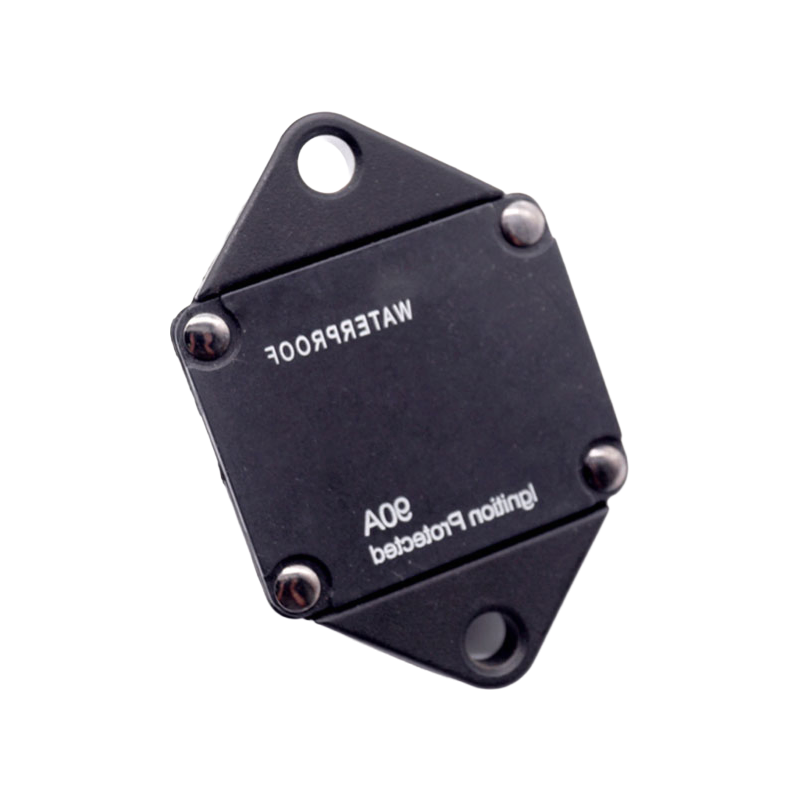
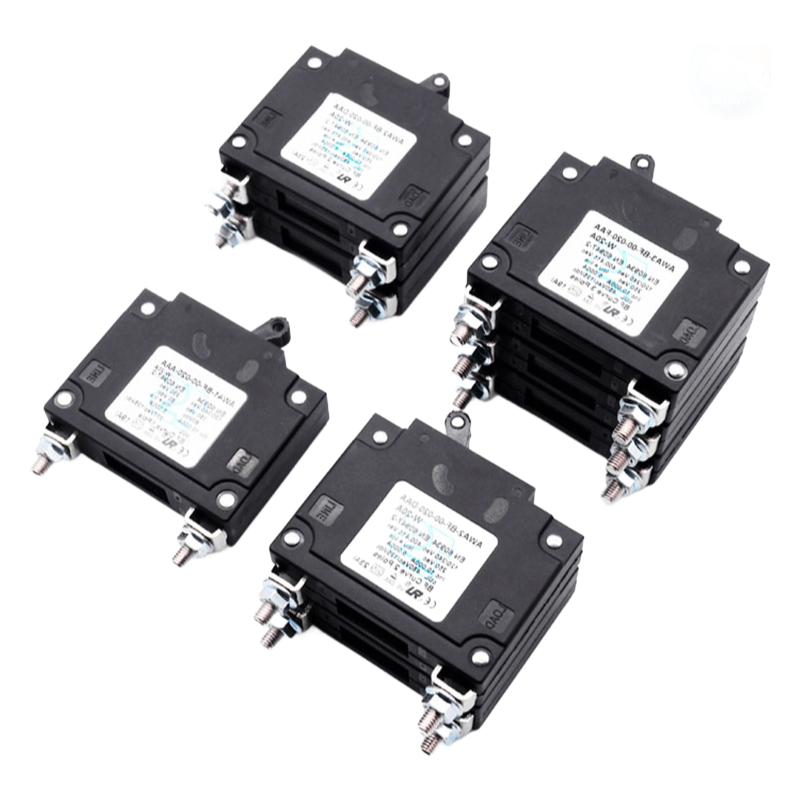
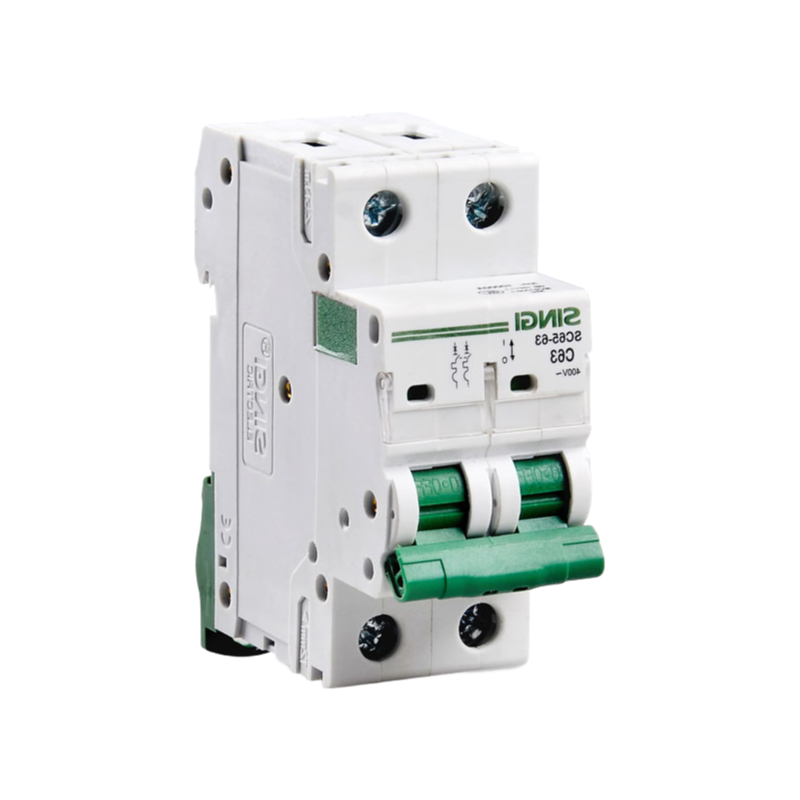
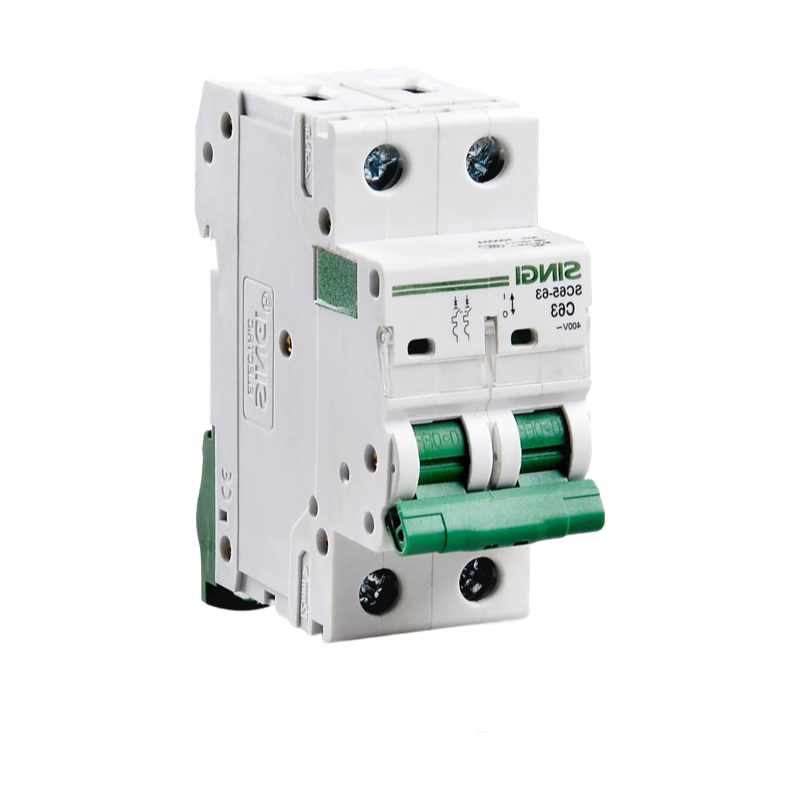
We've been shiping the E9 series for a few years now, and the 48VDC rating is what most buyers in automotive and marine actually need—especially with systems running more electronics than ever. It handles 25A all the way up to 300A, but the sweet spot for typical installations is usually 50A to 100A, give or take. You'll want to check your load calc rather than guessing, because the IP67 waterproofing won't save you if you oversize the breaker for a circuit that only draws 30A. The stud terminals (1/4-28 or 3/8-16, depending on your cable) make it pretty straightforward to connect, but the smaller stud is easier to torque down in tight engine bays or bilge spaces.
So here's the thing about the interrupt rating—it's 3000A at 30VDC, which is fine for most marine and automotive battery banks, but if you're running a high-capasity lithium bank that can dump serious current, you might want to confirm that's adequate for your specific setup. It's better than a lot of breakers in this price range, though, and we usually have them in stock. The RoHS cert is standard stuff, nothing exotic, but we do have the COA on request if your QA team wants to see it.
One thing that catches people off guard: the manual reset version can used as a switch for maintenance isolation, which is pretty handy in a marine panel where you want to kill power without yanking fuses. The automatic reset version is better for remote equipement where nobody's around to flip it back, but it can be annoying if the fault keeps cycling—so most buyers go with the manual reset unless they really need auto. We've got both in the same housing, same IP67 rating, so you can swap them without redoing the wiring.
Actually, the surface mount vs panel mount decision matters more than you'd think—panel mount gives you a cleaner look on a dash or control board, but surface mount is faster to install inside a sealed enclosure. The housing itself is pretty tough, UV-resistant thermoplastic (which is why it holds up in engine compartments and on deck), and we've seen these survive salt spray for years in commercial fishing boats. Lead time is usually 2-4 weeks on orders under 100 units, but we can sometimes expedite if you're in a pinch.
25A to 300A covers a lot of ground, but this breaker isn't great for high-frequency switching application like motor drives—it's designed for overcurrent protection, not as a load-switching device. The internal bimetal strip does the tripping, and while it's reliable, you'll want to let it cool down after a trip before resetting, especially on the manual version. We don't publish thermal curves for every amp rating, but if you need a specific time-to-trip at a certain overload, our company can dig up test data form the batch.
The manual reset requires you to push a button after a trip, while the automatic reset will reconnect the circuit once it cools down. Choose manual for safety-critical systems where you want to control the restart, or automatic for remote or hard-to-access locations.
Yes, IP67 means it's fully protected against dust and can handle immersion in up to 1 meter of water for 30 minutes. It's ideal for marine engine bays or outdoor automotive use where splashing or temporary submersion might happen.
We offer sample orders for evaluation, typically 1-10 pieces, with a lead time of about a week. For bulk production, the MOQ starts at 100 units per rating, and we can ship within 15-20 working days.
We provide a RoHS certificate and a test report showing the interrupt rating of 3000A at 30VDC. If you need additional certifications like CE or UL, we can arrange them at an extra cost depending on the volume.
Yes, we can customize the terminal size or type to match your wiring setup, but the standard options are 1/4-28 for lower current ratings and 3/8-16 for higher ones. Just let us know your requirement, and we’ll adjust the production accordingly.
Yikes, the shipping was incredibly fast, arriving days ahead of the estimated schedule. The packaging was secure and professional, which is always a good first sign. Regarding the quality, the unit feels exceptionally solid and well-made. The IP67 rating seems legitimate based on the robust sealing and construction. The terminals are sturdy, and the manual reset action is crisp and positive. As for service, the communication was clear, though I didn’t need to contact them for any issues, which is perhaps the best service of all. Everything was straightforward from order to delivery. A very smooth and satisfactory transaction for a component that appears to be precisely as advertised. I am confident in its application for my marine electrical panel. The overall experience was positive, with no complaints about the process, the product’s physical attributes, or the seller’s handling of the order. It’s exactly what I was looking for in a waterproof DC circuit protection device.
Brisk delivery was the first thing I noticed; the item arrived well before the estimated date, which was a pleasant surprise. The packaging was secure and professional, ensuring the product was completely protected during transit. Upon inspection, the build quality feels exceptionally robust and solid, exactly as described for a waterproof, IP67-rated component. The finish and materials seem top-notch, suitable for demanding automotive or marine environments. Customer service was also commendable; I had a pre-sale question that was answered promptly and thoroughly with clear, helpful information. Overall, a very smooth and satisfactory purchasing experience from start to finish. The product appears to be a high-quality, reliable circuit protection solution, and the service supporting it is equally professional. I am confident in its suitability for my application and would not hesitate to order from this seller again for similar components. The entire process, from ordering to unboxing, was seamless and instills confidence in both the product and the company behind it.
Great experience overall with this purchase. The shipping was incredibly fast and efficient. My order arrived well ahead of the estimated delivery date, which was a pleasant surprise. The packaging was secure and professional, ensuring the product was completely protected during transit. There were no delays or issues with the logistics at all, making the receiving process very smooth. Regarding the product itself, the build quality appears excellent. It feels robust and well-made, exactly as described. The materials seem high-grade and durable, which is crucial for the intended applications. The finish is clean, and all components look precisely manufactured. I have not installed it yet, but based on initial inspection, the quality inspires confidence. As for customer service, while I did not need to contact them for this order, the communication from the company was clear. Order confirmation and shipping updates were prompt and informative. The website was easy to navigate, and the checkout process was straightforward. This overall positive experience with the transaction aspects—logistics, perceived quality, and service—makes me likely to consider this seller for future needs. Everything from ordering to delivery was handled professionally.
I am thoroughly impressed with the overall experience. The shipping was incredibly fast, arriving much sooner than the estimated delivery window. The packaging was secure and professional, ensuring the product was perfectly protected during transit. Regarding the item itself, the build quality feels robust and substantial. The materials used seem high-grade, and the IP67 rating gives me great confidence in its durability for my marine application. The finish is clean and precise. Customer service was also exemplary. I had a pre-sale question about compatibility, and the response was prompt, knowledgeable, and very helpful. The entire process, from ordering to unboxing, was seamless. I would not hesitate to order from this seller again. The combination of efficient logistics, a well-made product, and excellent support is exactly what every customer hopes for.
Delivery was incredibly prompt and well-handled. The package arrived ahead of the estimated schedule, which was a pleasant surprise. Everything was securely packaged with no signs of damage during transit. The quality of the circuit breaker itself appears to be excellent. It feels robust and well-made, exactly as described for demanding applications. The finish and construction inspire confidence for use in automotive or marine environments. Regarding service, the communication from the seller was clear and professional. Any preliminary questions I had were answered quickly and thoroughly. The overall purchasing experience was seamless from start to finish. Definitely a positive transaction that met all expectations for logistics, product integrity, and customer support.
Q: The shipping was incredibly fast and the item arrived well-packaged and in perfect condition. I was impressed by the prompt delivery, as it allowed me to proceed with my project without any delays. The quality of the circuit breaker appears to be excellent; it feels robust and well-made, exactly as described. The service from the seller was also commendable, with clear communication throughout the process. Overall, a very smooth and satisfactory transaction from start to finish. I would definitely consider purchasing from this seller again for future needs. The product seems to meet all the specifications mentioned, and the waterproof rating is a crucial feature for my application. Everything was handled professionally, making the entire experience positive and hassle-free.
Zippy delivery was the first thing that impressed me. The package arrived well ahead of the estimated schedule, which was a fantastic start. Zero issues with the packaging; it was secure and professional, ensuring the product was completely protected during transit. Zoning in on the product quality, the build feels exceptionally robust and solid. The finish is clean, and it precisely matches the described specifications for a waterproof, surface-mount unit. Zealously attentive customer service was the final, excellent touch. I had a simple pre-purchase question, and the response was not only rapid but also thorough and helpful. This overall experience, from ordering to unboxing, was seamless and positive. Zestfully recommend this seller for their efficient logistics, superior product construction, and outstanding support.
Just received my order today and I am thoroughly impressed with the shipping speed. The package arrived ahead of schedule, which was a pleasant surprise. Jumping into the quality, the circuit breaker feels incredibly solid and well-made. The construction seems robust, and the IP67 rating gives me great confidence for my marine application. It has a substantial, premium feel in hand. Regarding the service, the communication from the seller was clear and proactive. They provided timely updates without me having to ask. The item was packaged securely with ample padding, ensuring it arrived in perfect condition without a single scratch. Everything was exactly as described on the product page. This overall experience has been seamless from purchase to delivery. I would not hesitate to order from this seller again for future projects. The combination of fast logistics, top-notch product quality, and excellent customer service is hard to find elsewhere.
Excellent experience overall. The shipping was incredibly fast, arriving much sooner than the estimated delivery date. Everything was packaged securely with no damage whatsoever. The breaker itself feels very solid and well-made; the construction quality is immediately apparent and seems quite durable. Communication from the seller was prompt and helpful when I had a pre-sale question. A very smooth transaction from start to finish. I am confident this product will perform reliably based on its build and the professional service received. Highly recommended for anyone needing a robust circuit protection solution.
Hats off to the seller for an outstanding experience from start to finish. The shipping was incredibly fast; the package arrived well ahead of the estimated delivery date, which was a very pleasant surprise. Everything was packaged with great care, ensuring the product was perfectly secure and protected during transit. Upon inspection, the build quality of the circuit breaker is immediately impressive. It feels robust and well-made, with a solid construction that inspires confidence for use in demanding environments. The finish is clean, and all components fit together precisely. The service provided was equally commendable. Communication was clear, prompt, and professional throughout the entire process. Any questions I had were answered thoroughly and without delay. The overall transaction was smooth and hassle-free. This level of attention to detail in logistics, product integrity, and customer support is truly noteworthy and makes for a highly satisfactory purchasing experience. I would not hesitate to order from this seller again based on this interaction.