Account
Inquiry
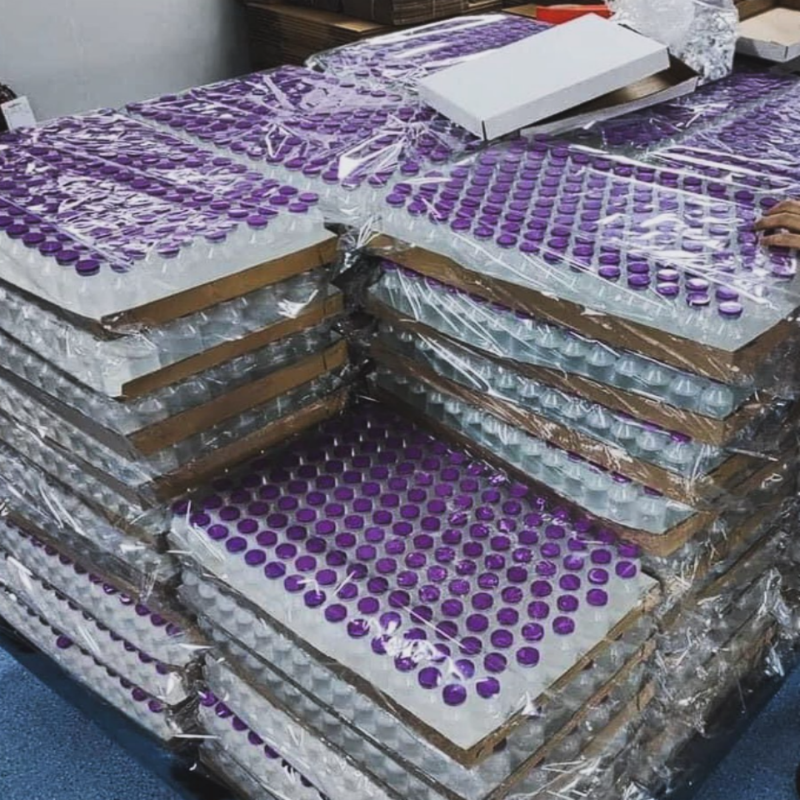
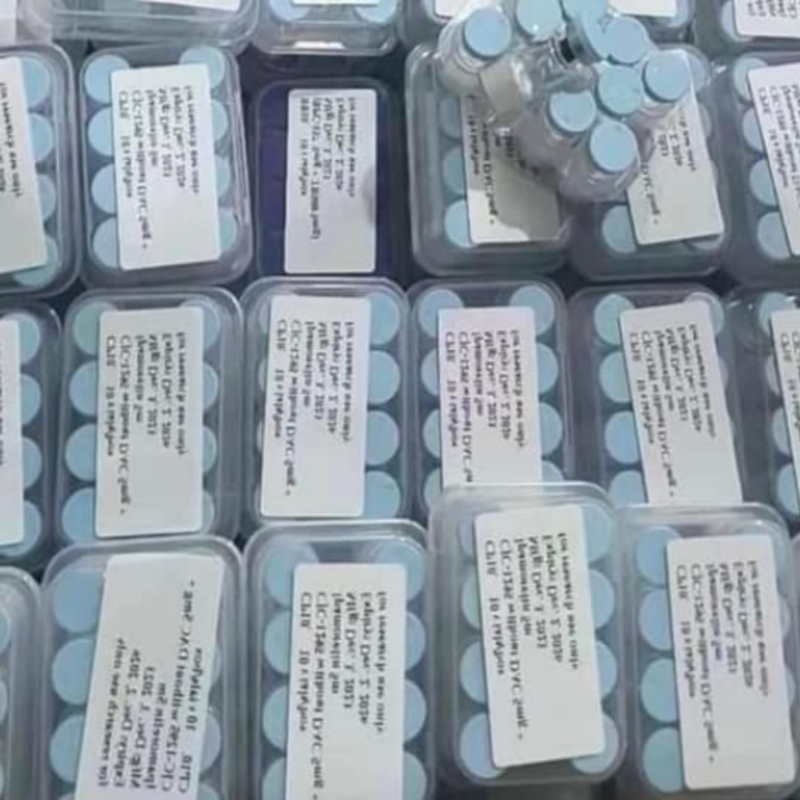
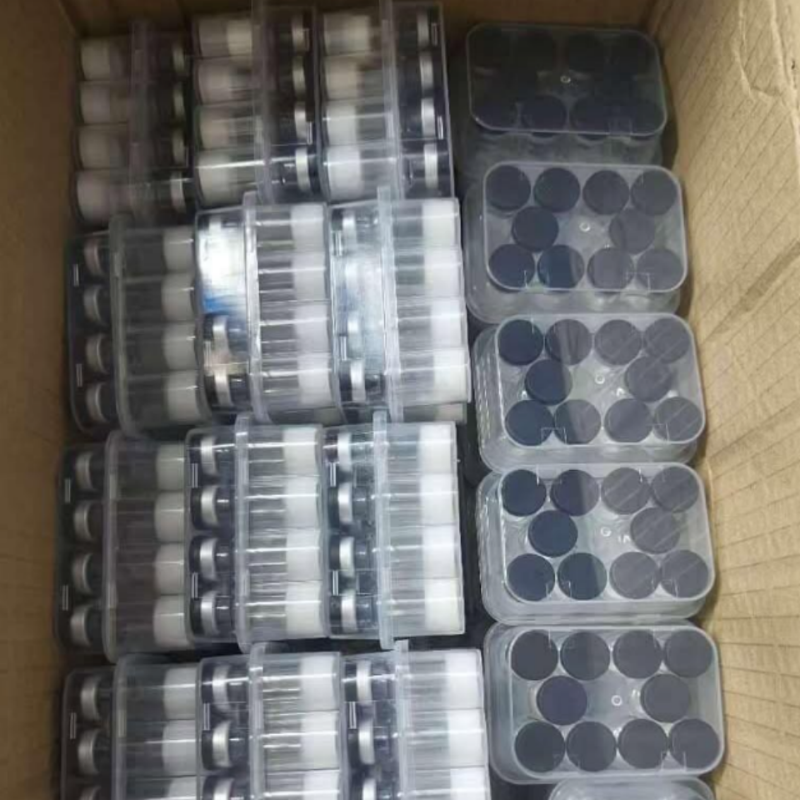
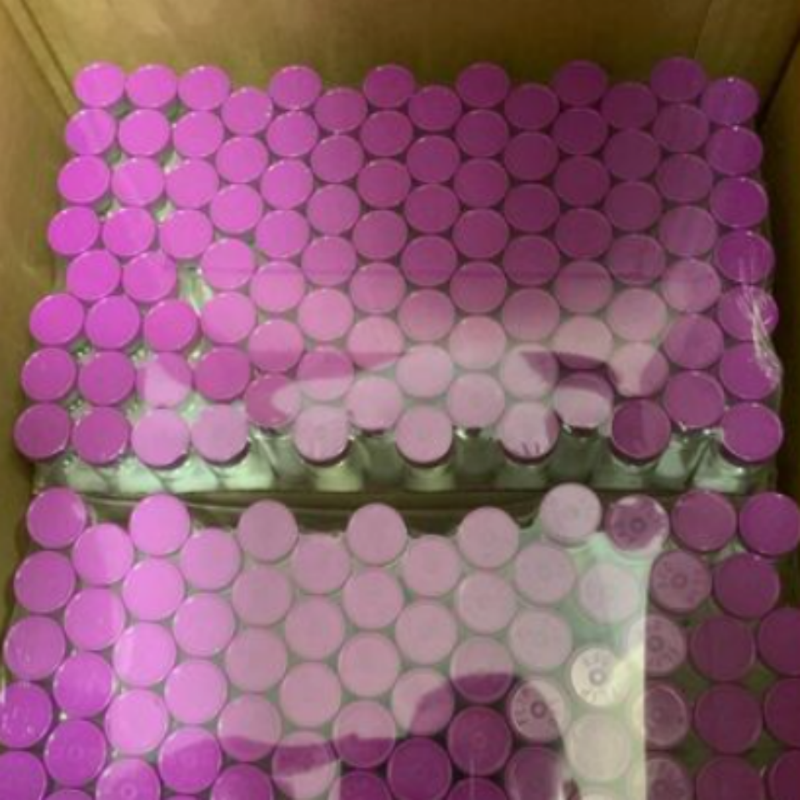
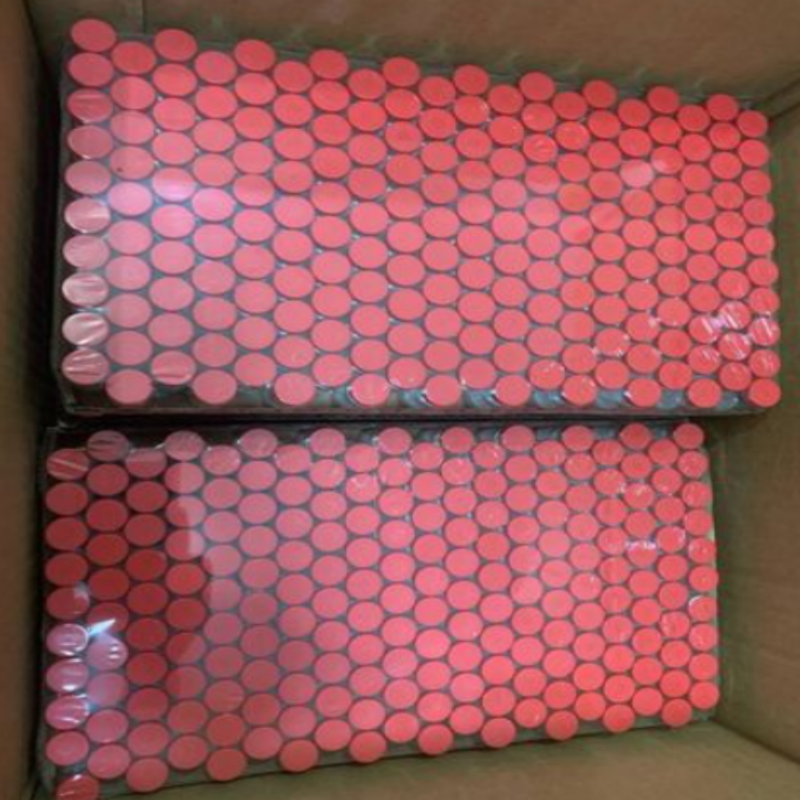
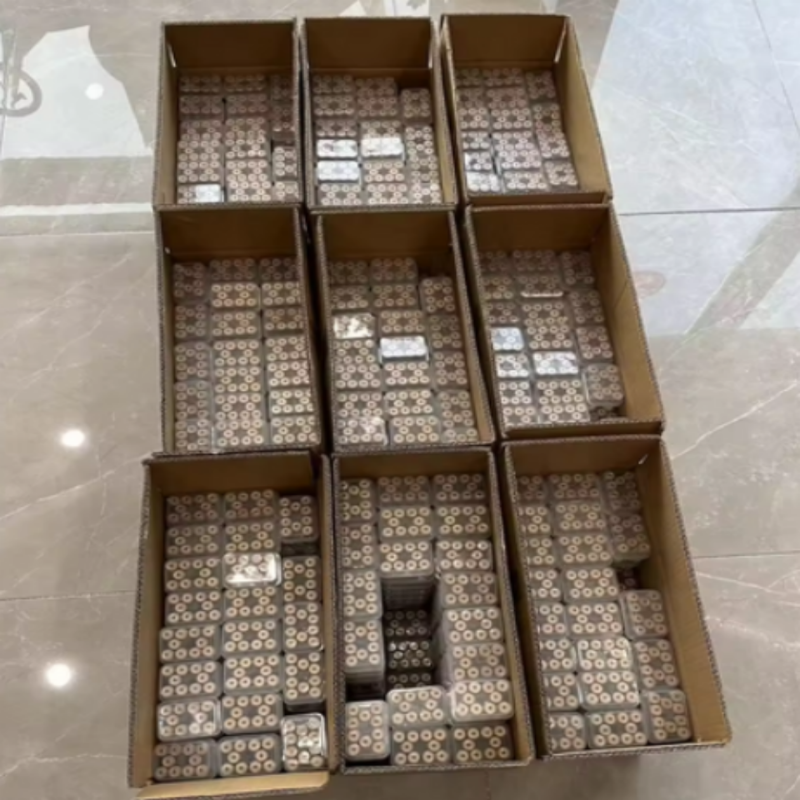
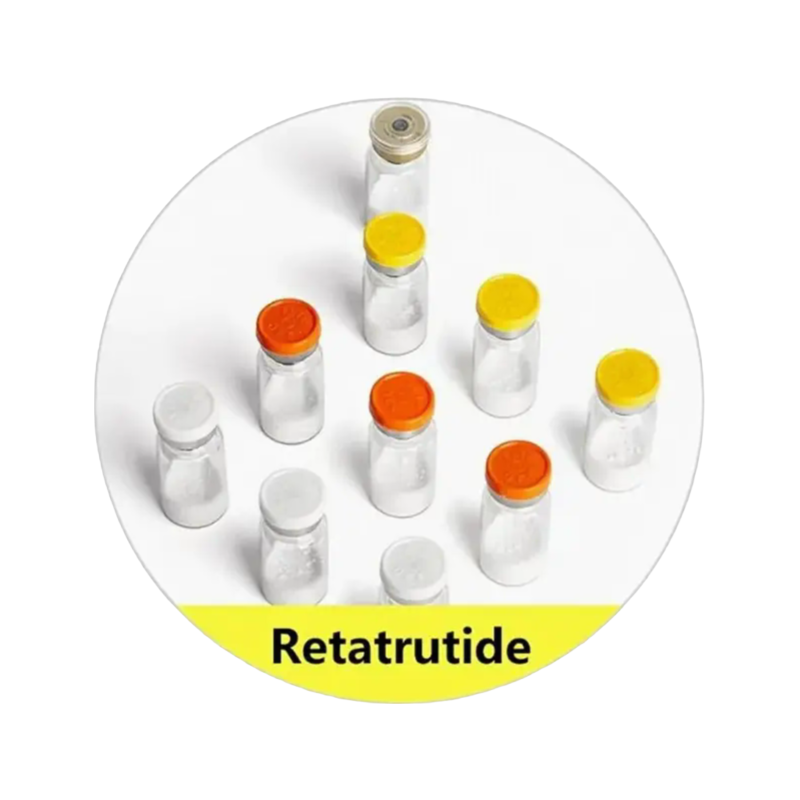
So you're looking at the dual agonist — the one that hits both GIP and GLP-1 pathways, which is why a lot of researchers are shifting away from single-target compounds for metabolic studies. We've been moving this peptide for a while now, and the CAS is 2023788-19-2 if you want to cross-reference with your own records. The molecular weight comes in at 4813, which is a bit heavier than some analogs, but the purity is where it really stands out — we routinely see ≥99.9% on the COAs, and that's better than reagent grade for this sort of work.
What it does is basically combine the glucose-dependent insulinotropic polypeptide mechanism with the glucagon-like peptide-1 agonist activity, which gives you that dual action that a lot of the newer protocols are built around. It's not suited for anything oral — this is strictly for reconstitution, and we usually recommend sterile water or bacteriostatic water, though check your own SOPs. Storage is pretty straightforward: 2-8°C, dry, and keep it away from light, otherwise you'll degrade it faster than you'd like. We've had buyers who forgot about that and ended up with cloudy solutions — it's a real thing.
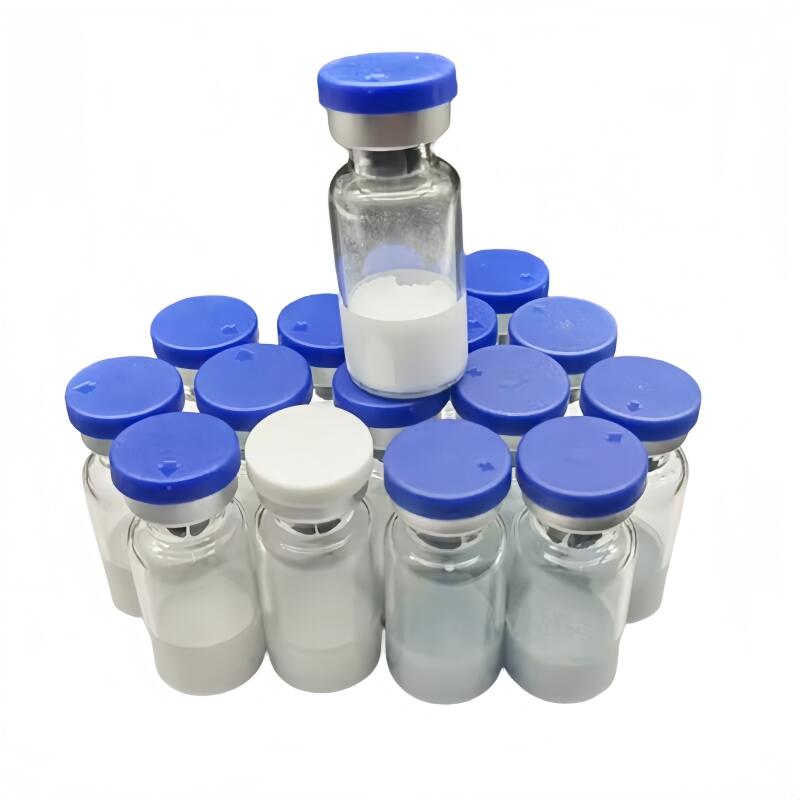
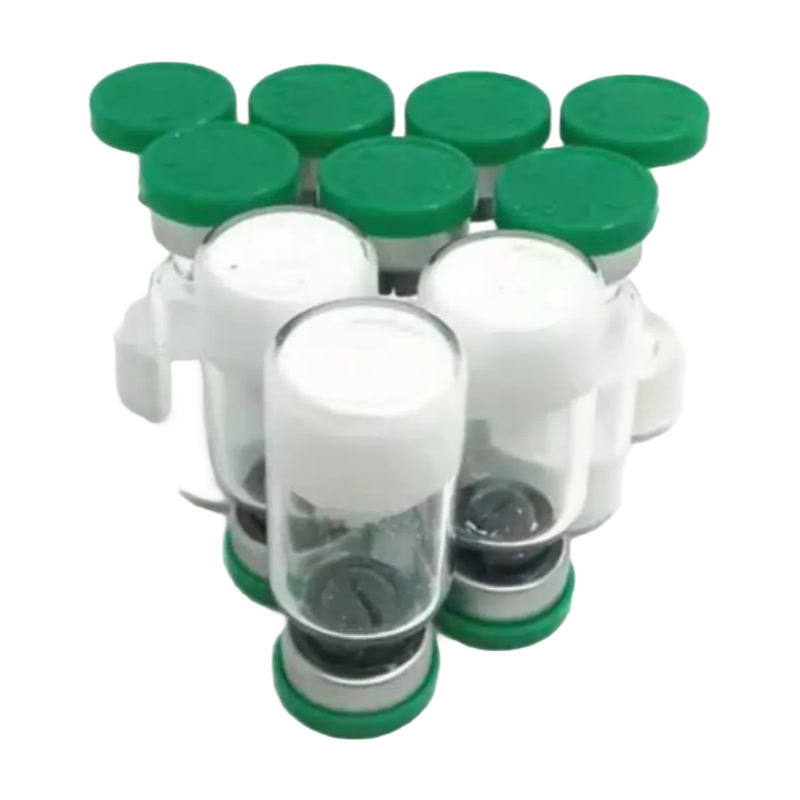
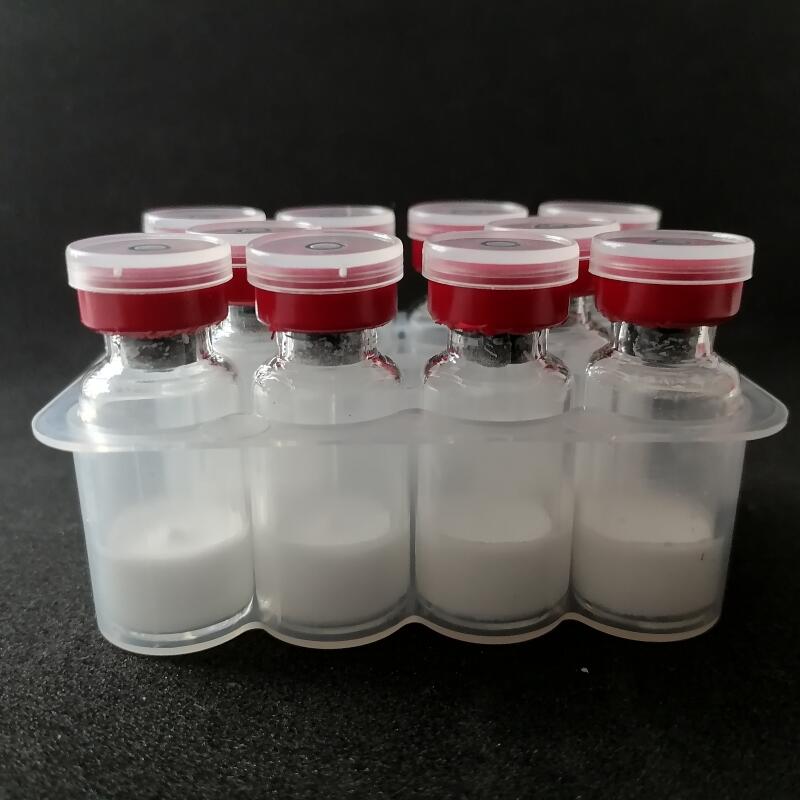
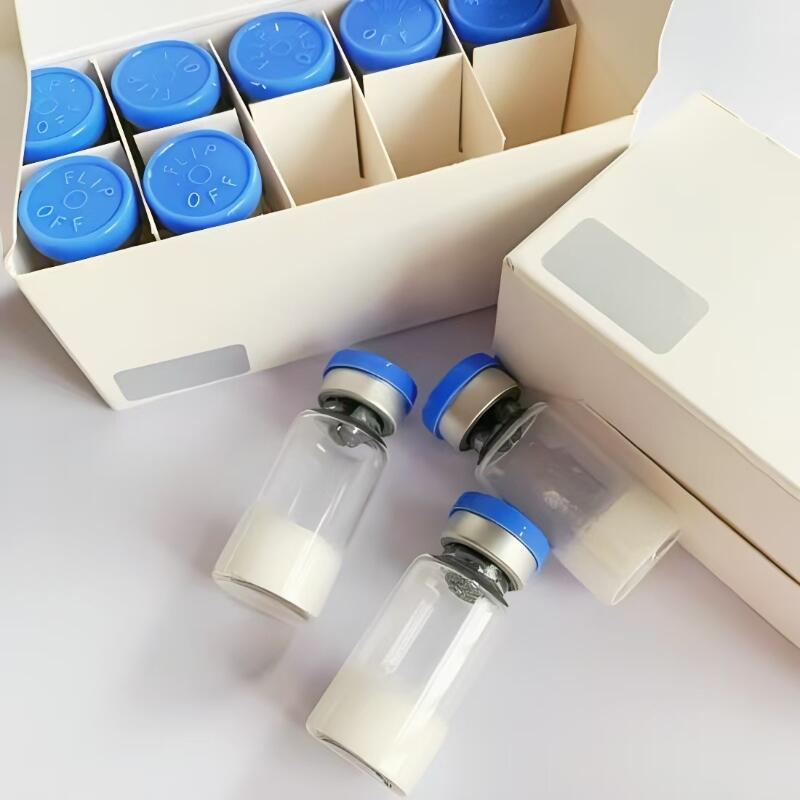
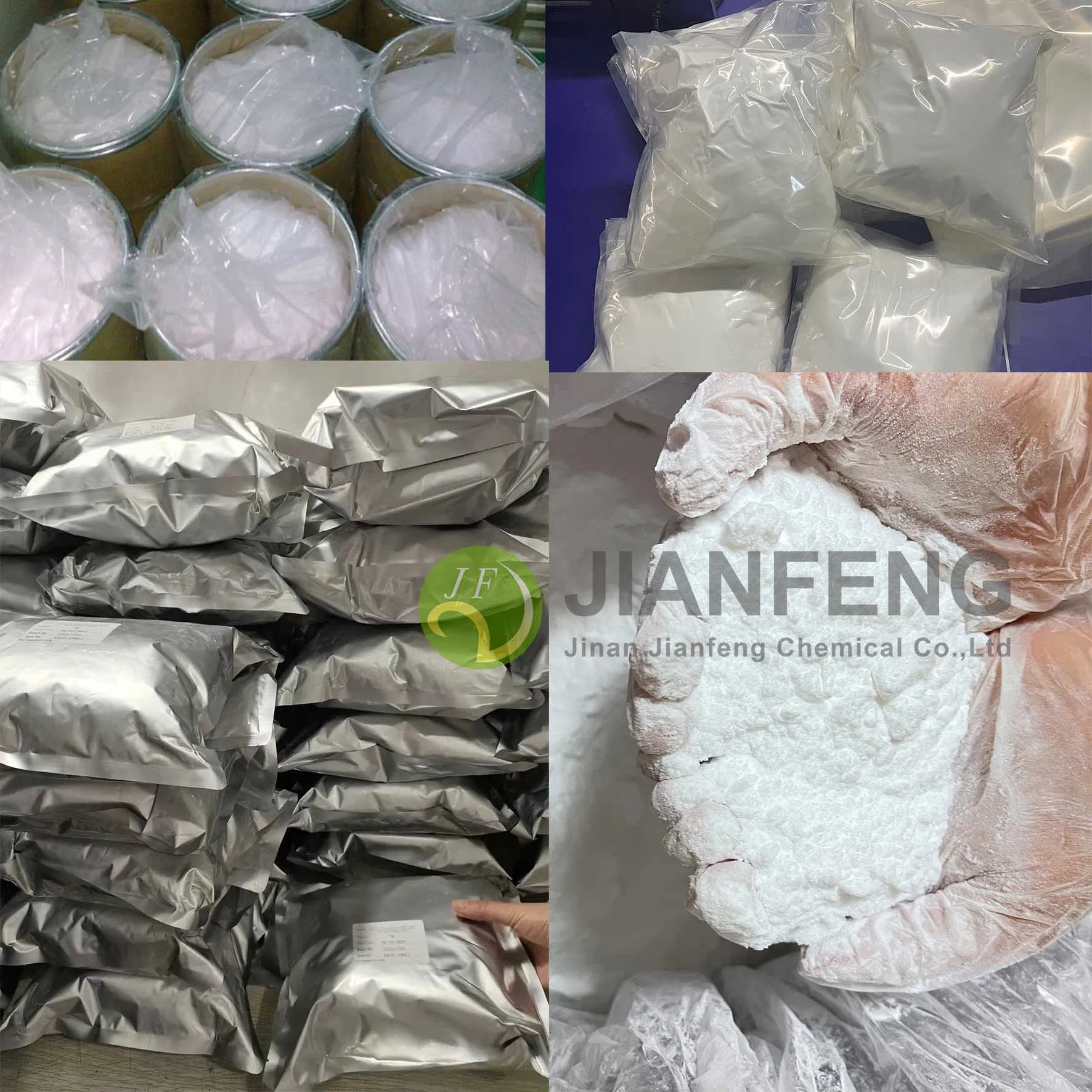
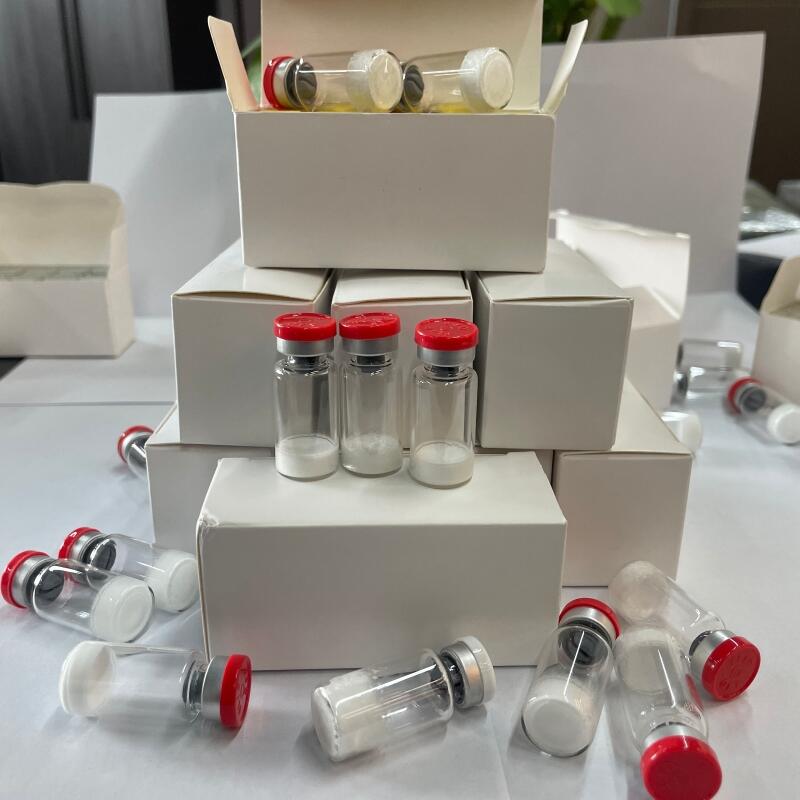
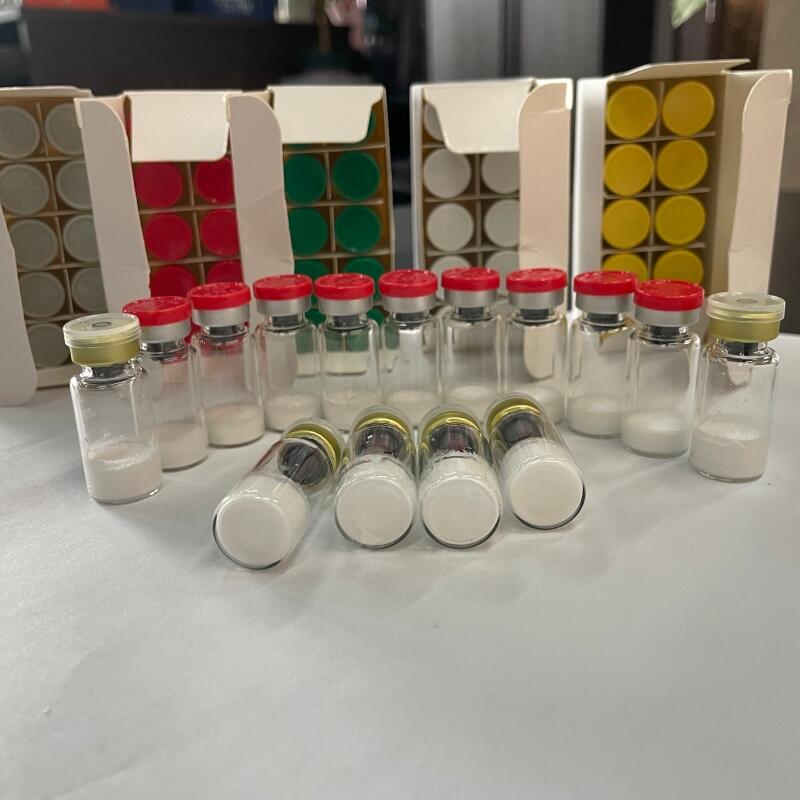
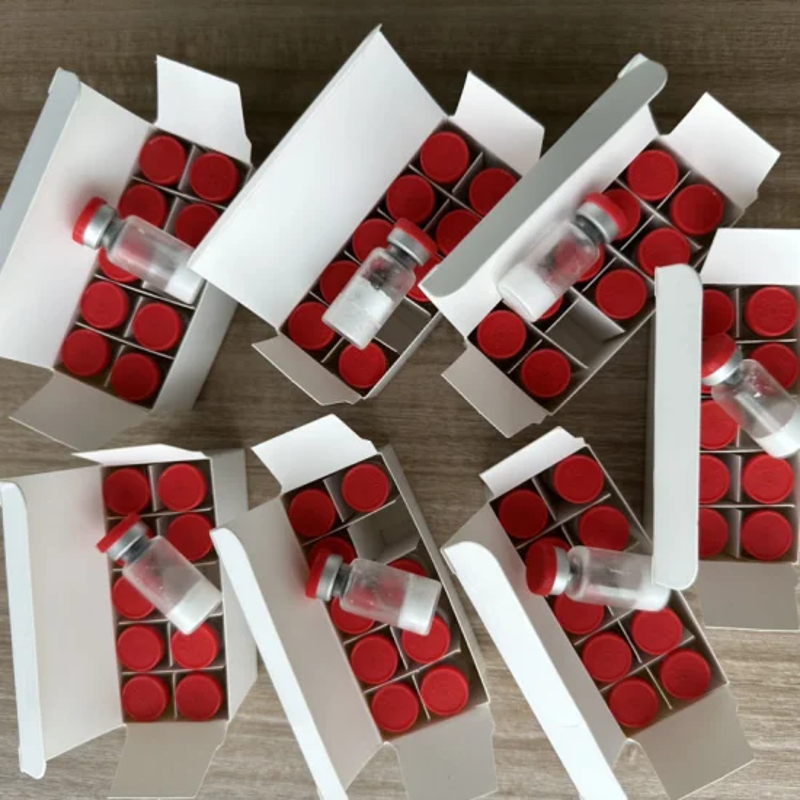
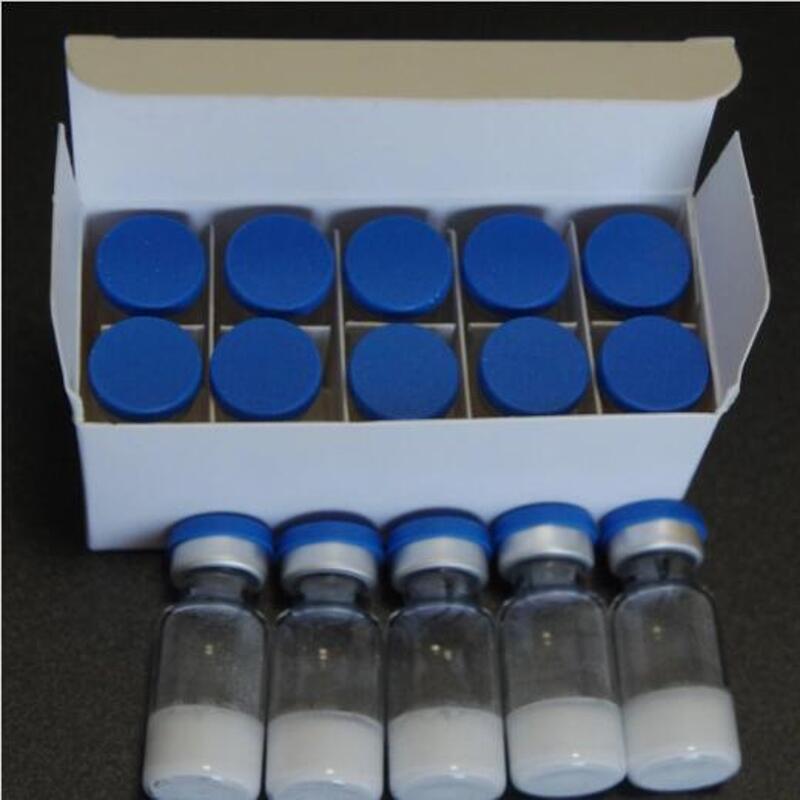
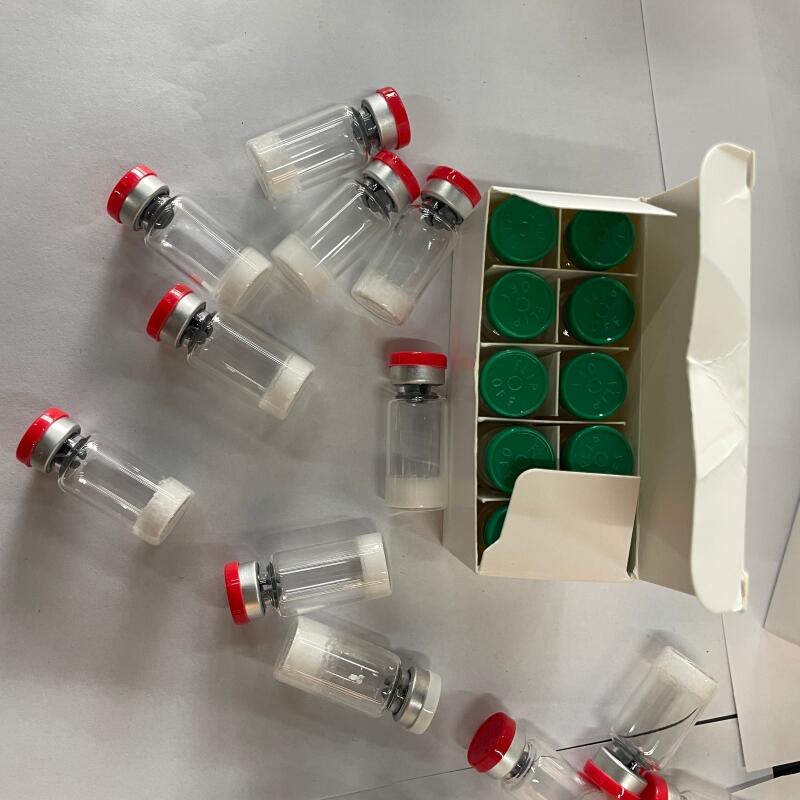
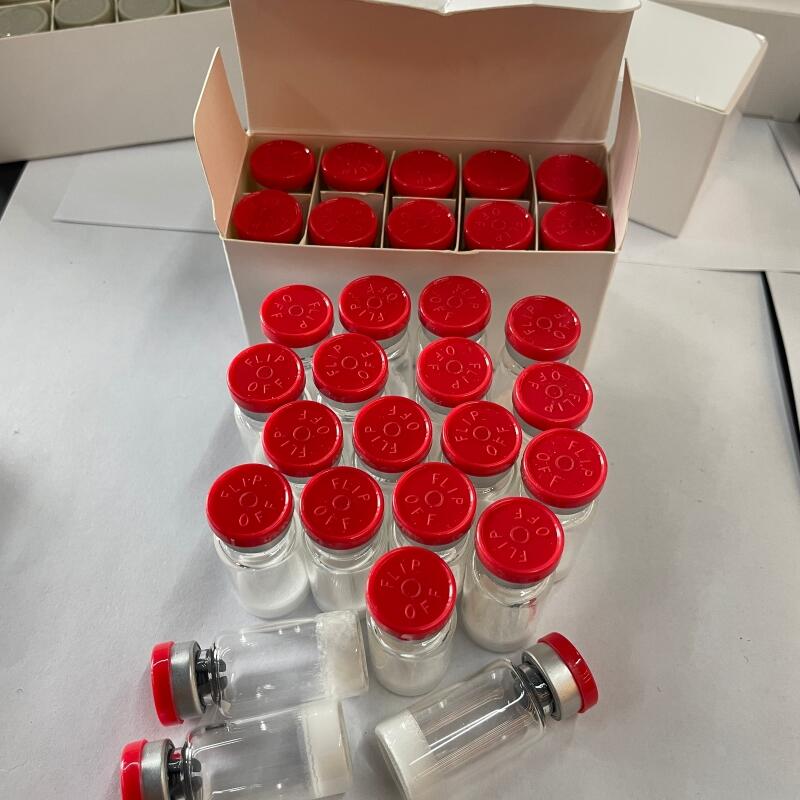
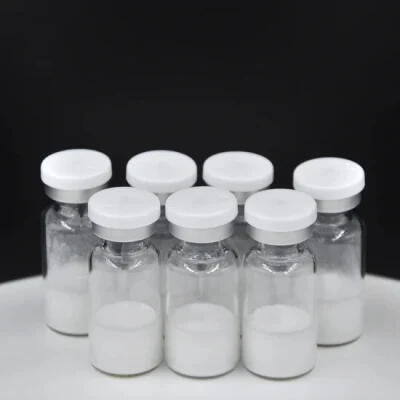
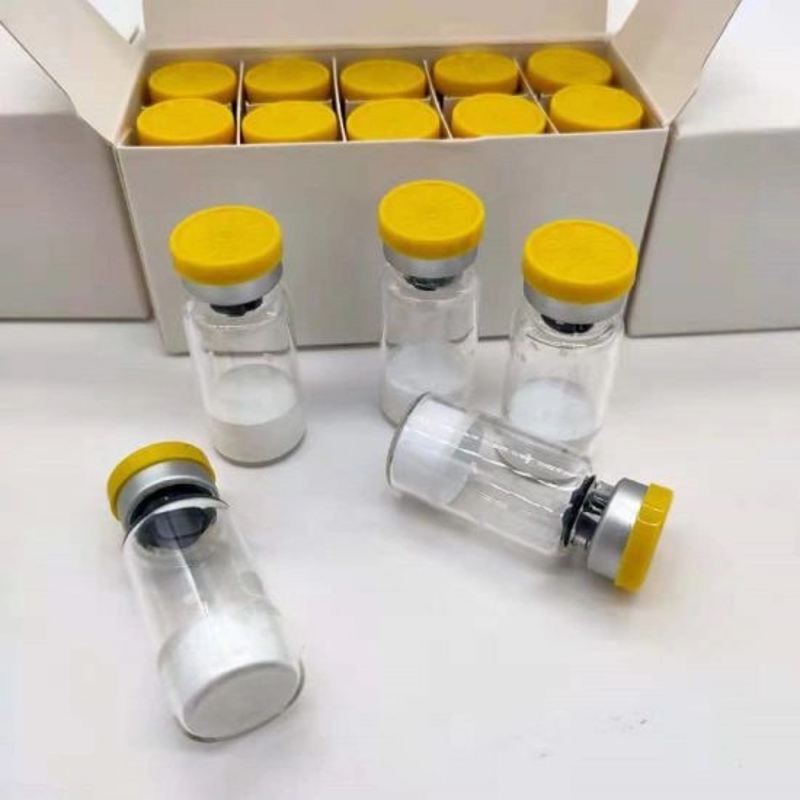
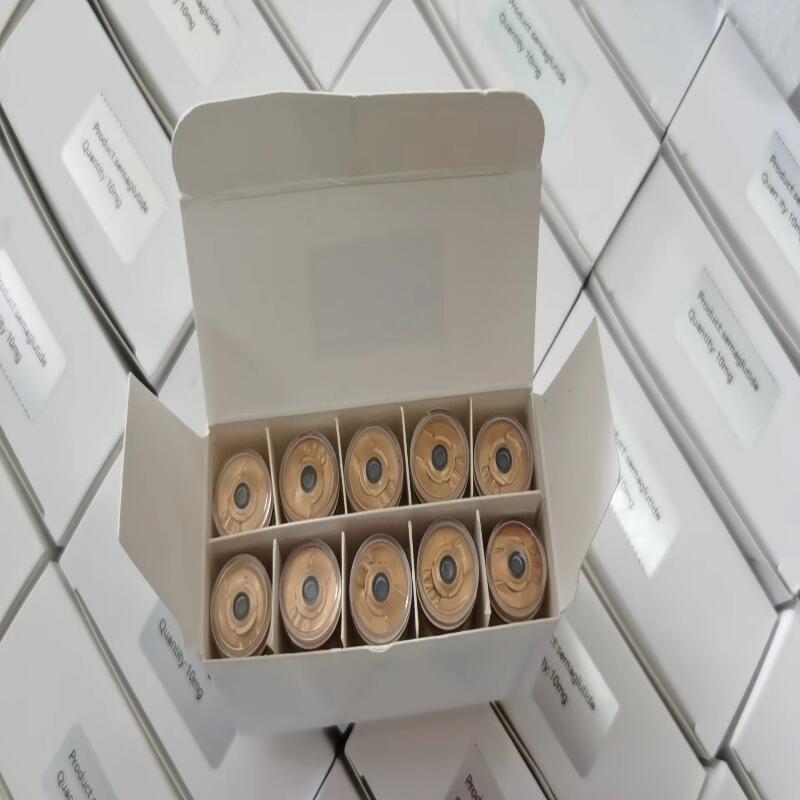
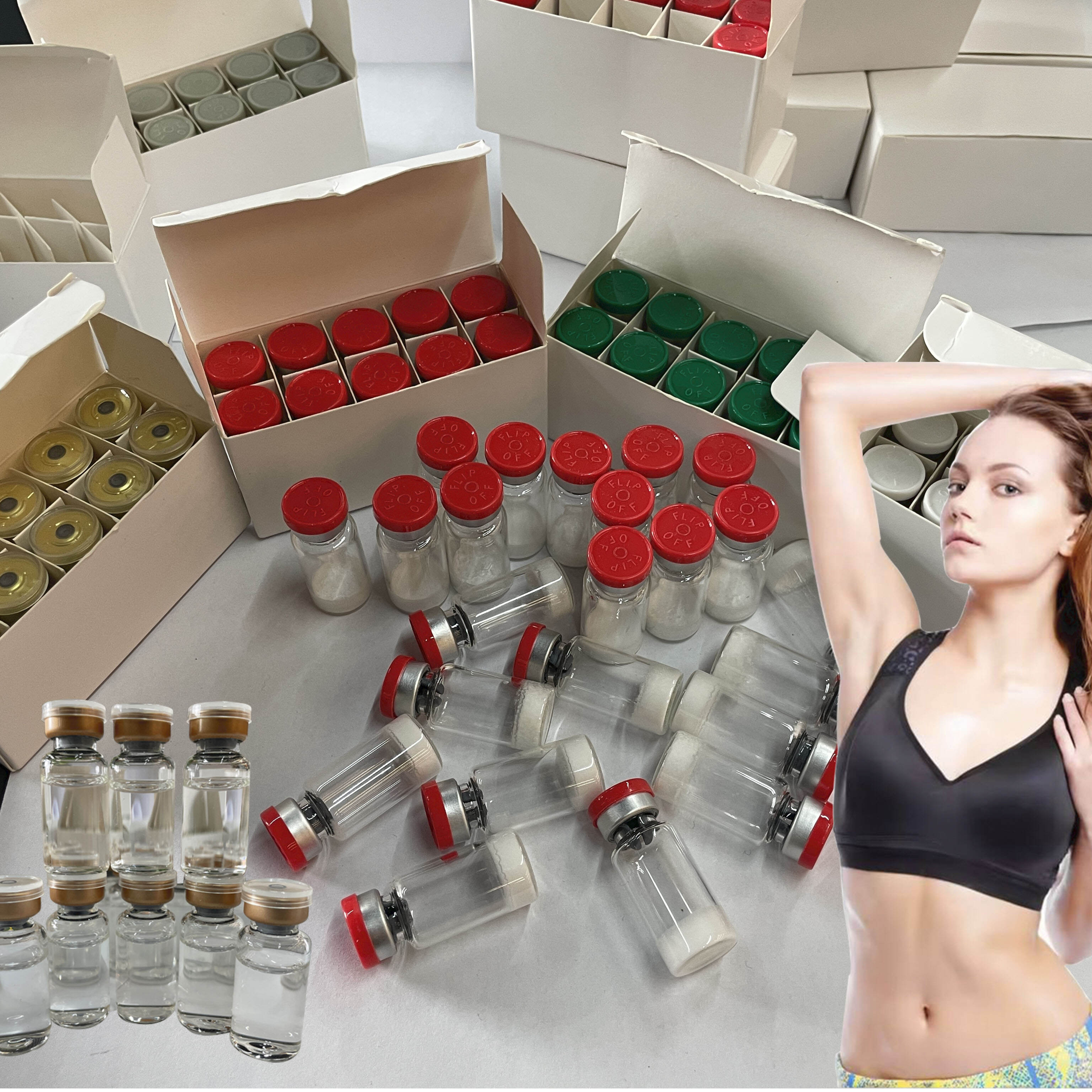
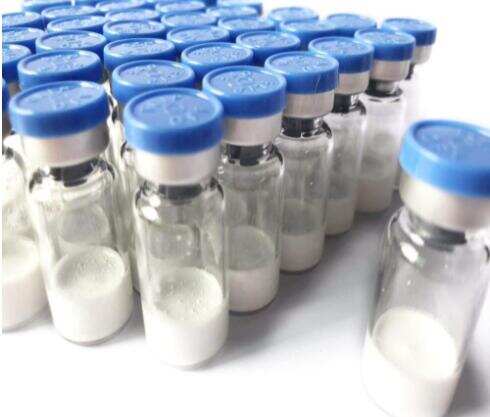
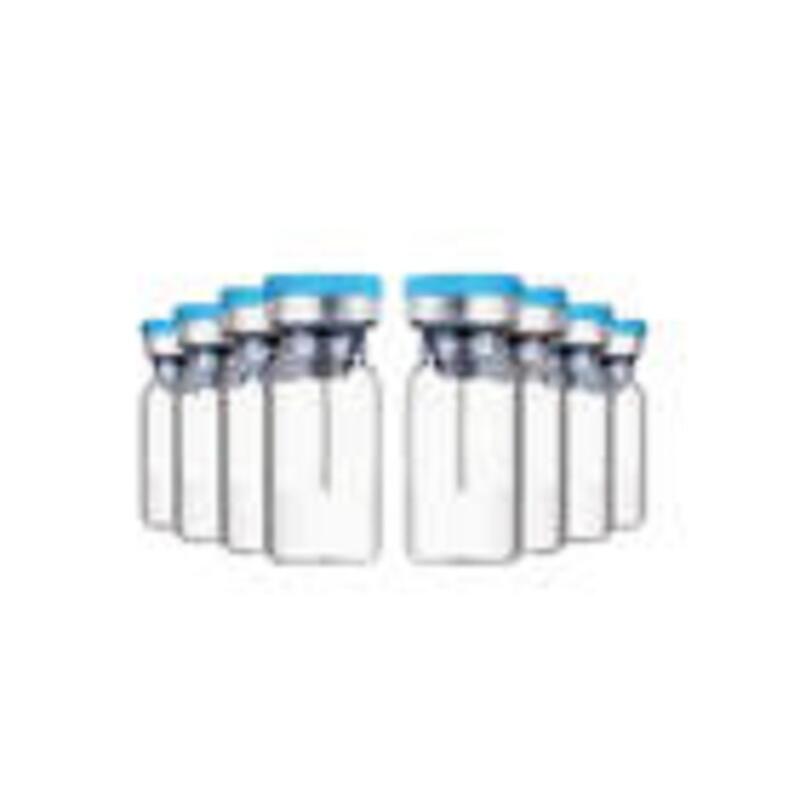
Anyway, the powder itself is white, pretty much what you'd expect for pharmaceutical grade matrial, and the molecular formula is C225H348N48O68 if that matters for your documentation. Most buyers go with the 10mg per vial format (usually 10 vials to a box), but we can do custom packaging if you need smaller or larger batch sizes — just confirm lead time on that, as it's not always in stock. We usually have stock on the standard box, but I'd check availability if you're ordering over 50 units or so.
The MOQ is typically 10 boxes for whlosale orders, but our company can sometimes flex that depending on the relationship and volume you're projecting. One thing buyers don't always think to ask is that the product is for research use only — it's not for human consumption, and we make that clear on every invoice and COA. Also, the HPLC data our company provide is from a third-party lab, not just our in-house testing, so you've got an extra layer of verification there. There's a slight limitation though: purity is stable, but the peptide itself has a shelf life of about 2 years from manufacturing date when stored properly — don't push it past that.
Actually, we've handled a lot of this peptide for metabolic and weight management research, and the tolerance is tighter than most GLP-1-only compounds in terms reconstitution volumes — you'll want to be precise with your dosing, because 10mg per vial doesn't leave much room for error. The dual receptor activity means it's pretty potent, so researchers often start with lower doses in their protocols and titrate up. And don't think of it as a replacement for semaglutide — it's structurally similar but the GIP componnet changes the pharmacokinetics, so your study design might need adjustments.
Our standard MOQ is one box of 10 vials, but we can flex on that for larger commitments or repeat orders. Just reach out to discuss your needs.
Yes, we include a full COA with every batch, showing HPLC purity results and identity confirmation. Just request it with your order.
Absolutely, we offer custom packaging options—just let us know your preferred vial size or box configuration, and we'll work it out.
Keep it in the fridge at 2-8°C, in a dry place away from light. Stick to those conditions and it'll stay stable for the long haul.
No, this is strictly for research use only—it's not intended for human consumption or clinical applications. Make sure your team understands that.