Account
Inquiry
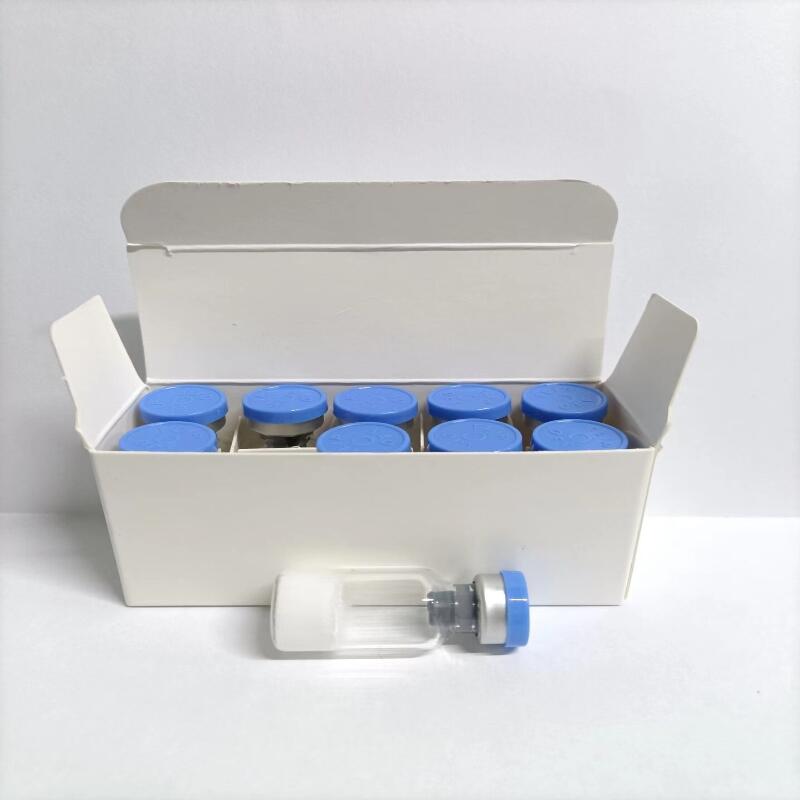
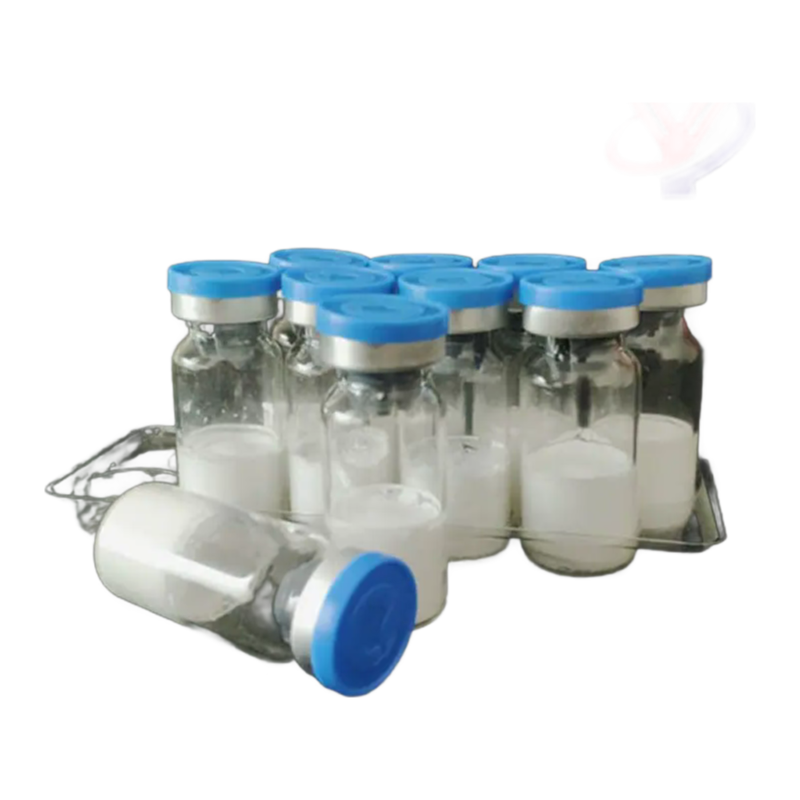
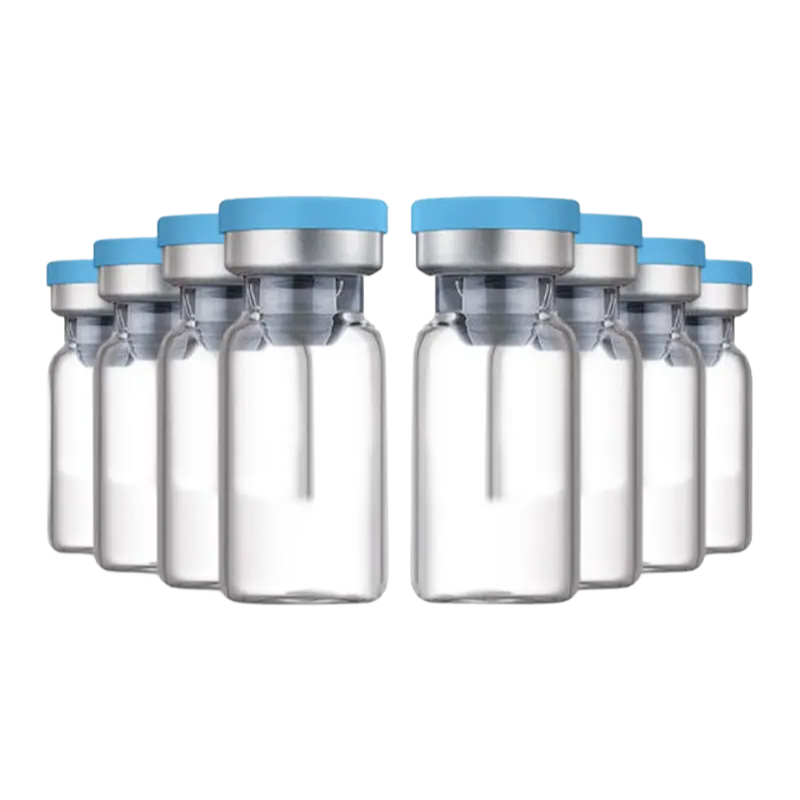
It basically hits both GLP-1 and GIP receptors at the same time, which gives you a broader metabolic effect than targeting just one pathway—pretty much the whole reason researchers shifted focus from single-agonist peptides in the first place. You’ll see it delay gastric emptying and reduce hepatic glucose output while ramping up insulin secretion, so the net effect on weight and glucose control is noticeably stronger than what you’d get with, say, semaglutide alone.
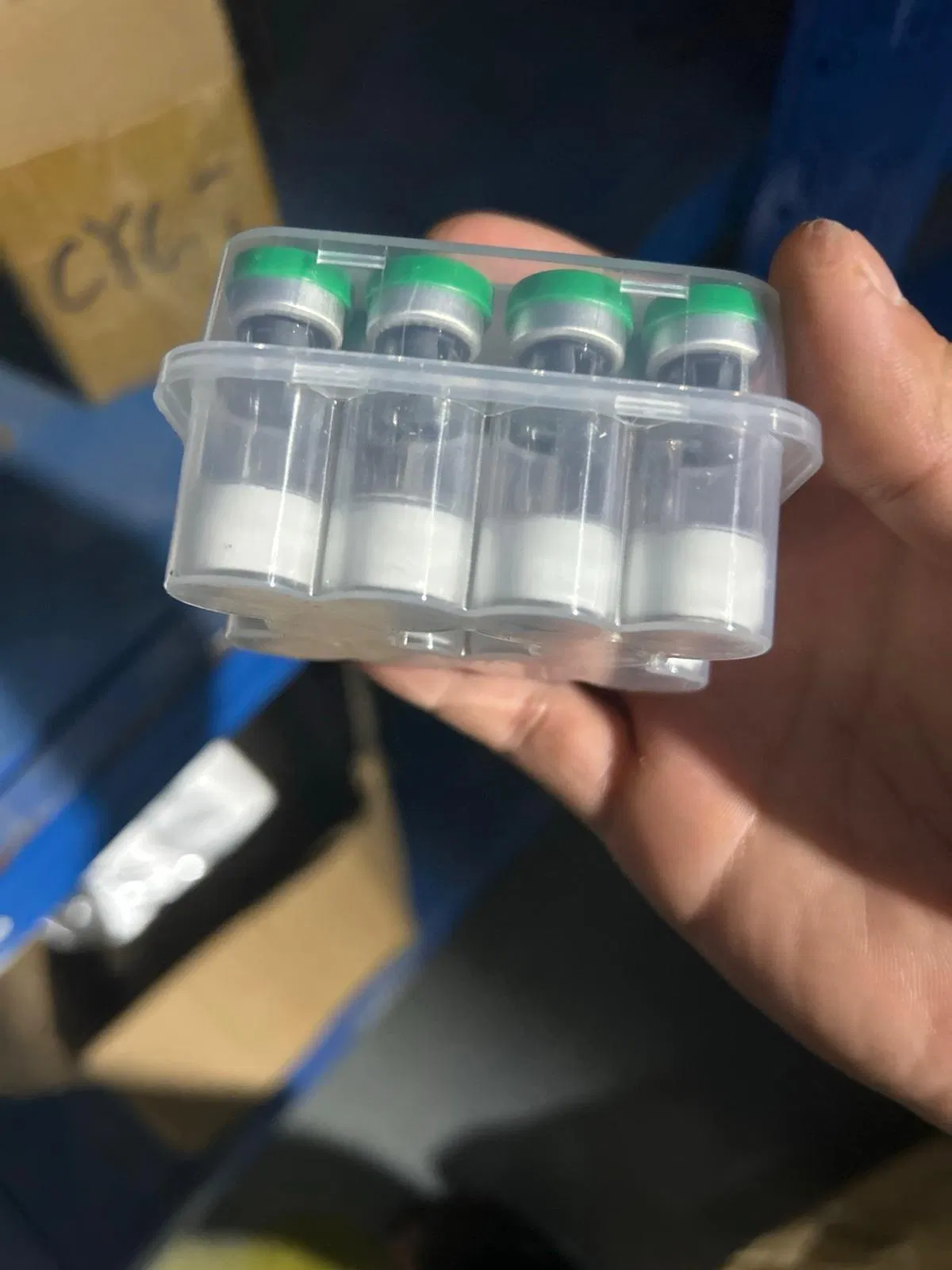
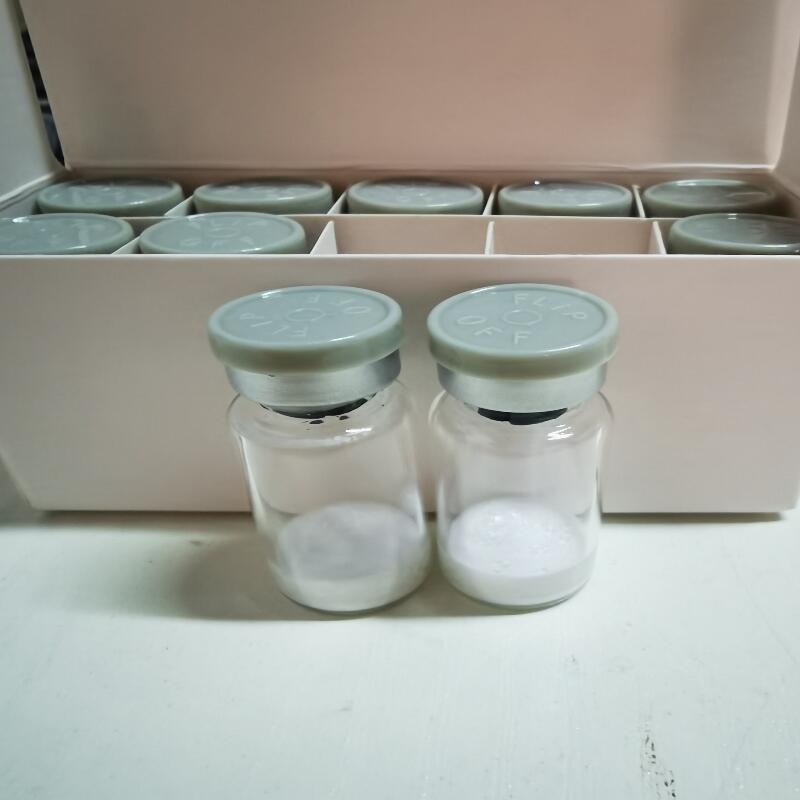
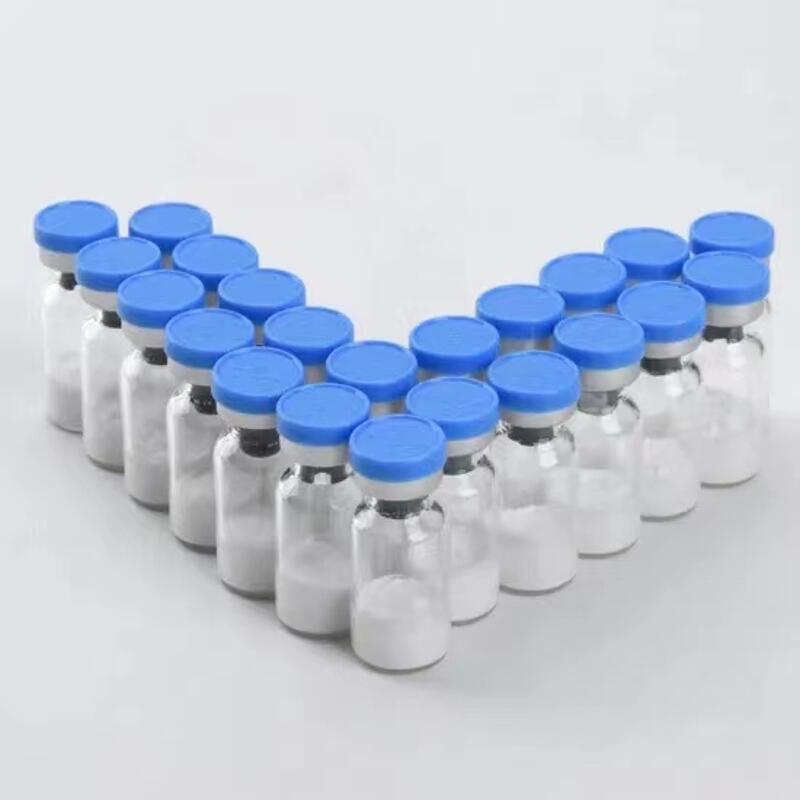
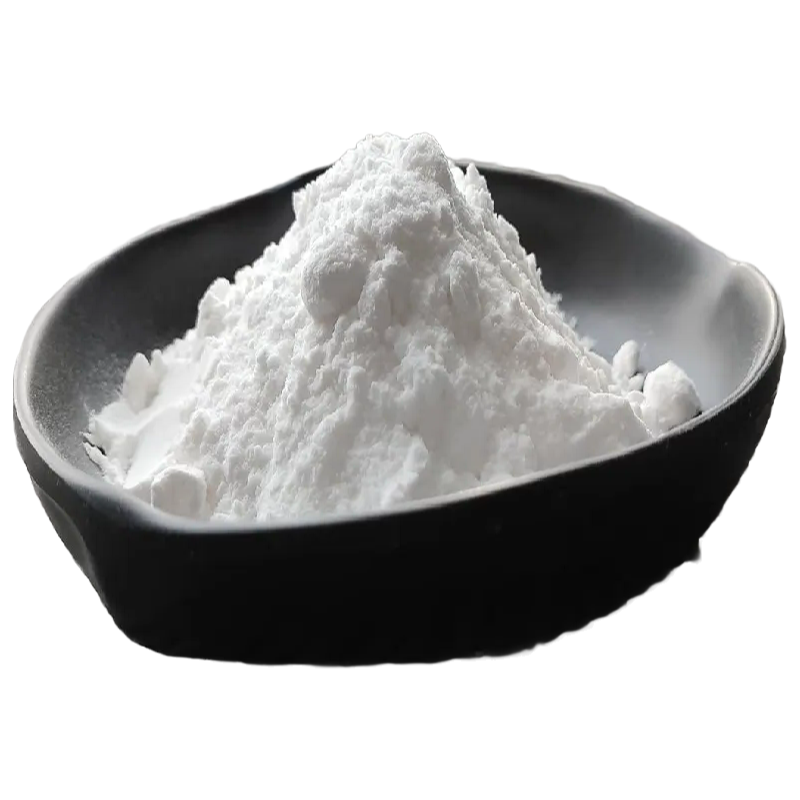
Teh molecular weight checks in at 4813 Dalton with a CAS of 2023788-19-2, and we routinely see ≥99% purity by HPLC—that’s pharmaceutical grade, not research-grade, so the impurity profile is tighter than what you’d find in cheaper alternatives. It’s a white to off-white powder, soluble in water, and you’ll want to store it at 2-8°C protected form light; leave it at room temp for more than a few hours and you’ll degrade the peptide chain.
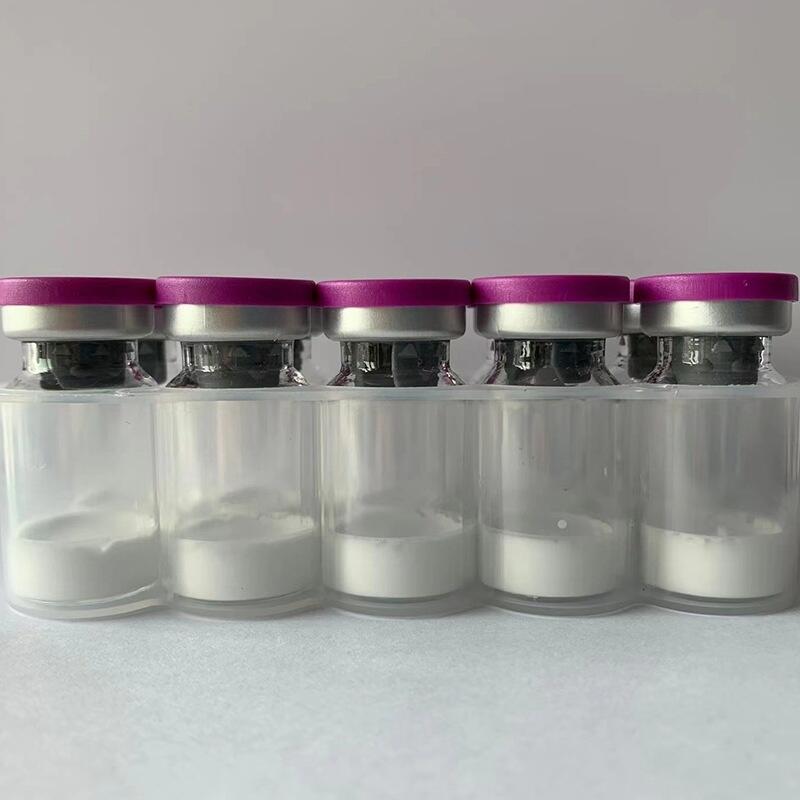
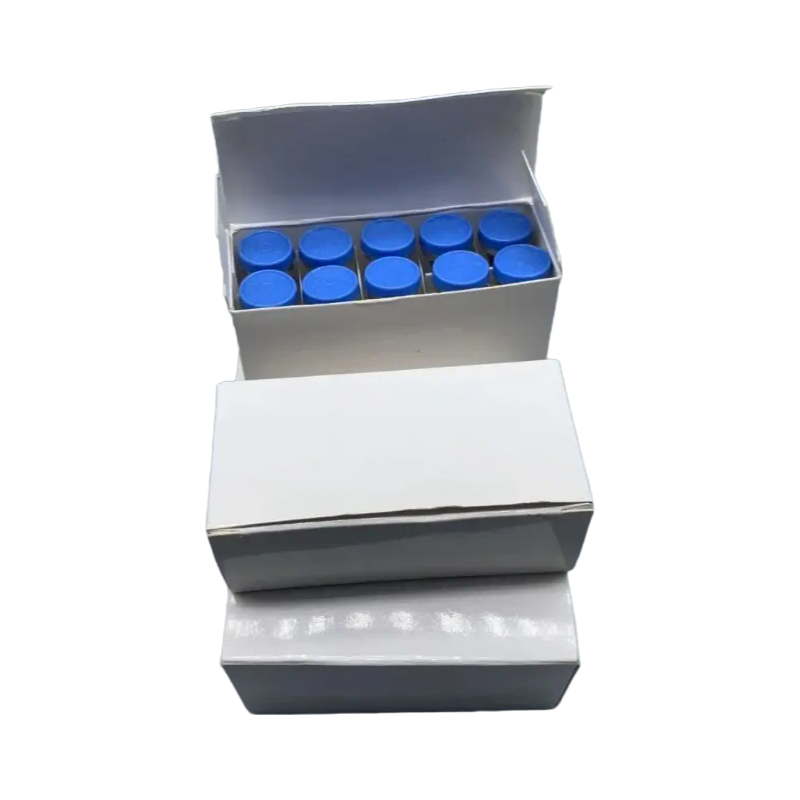
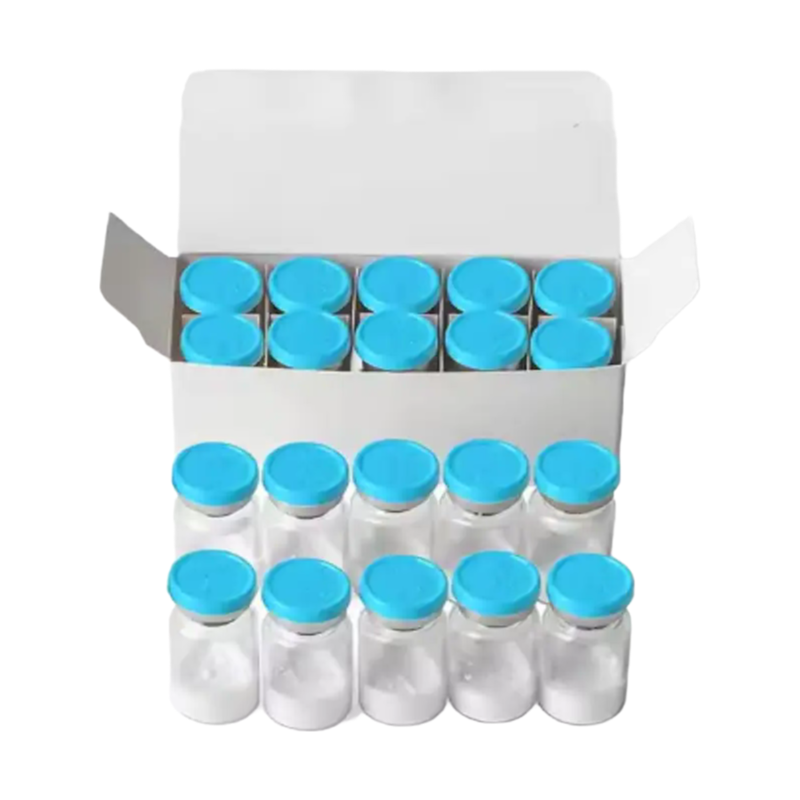
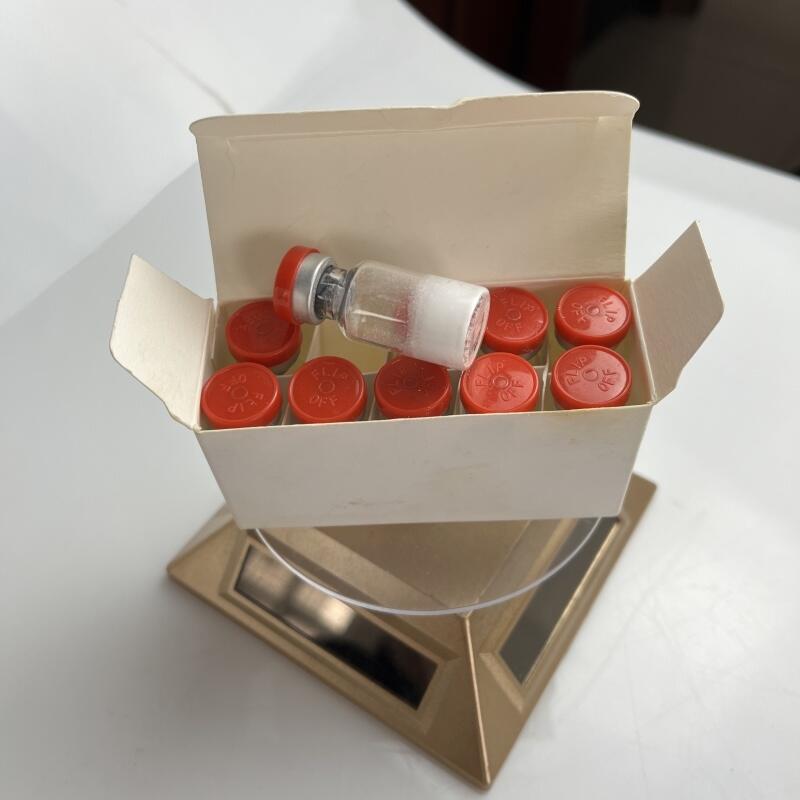
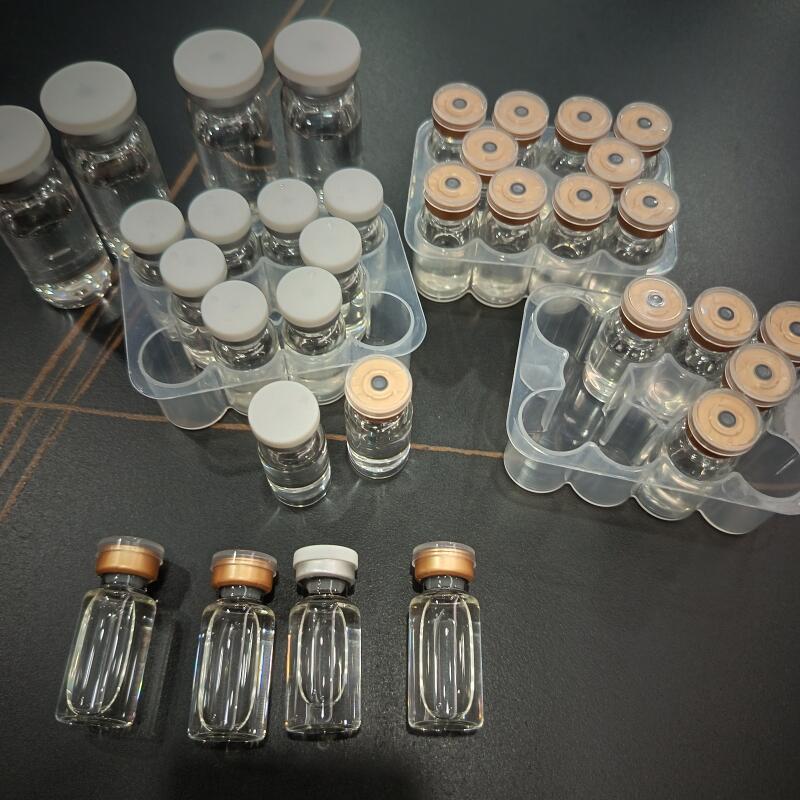
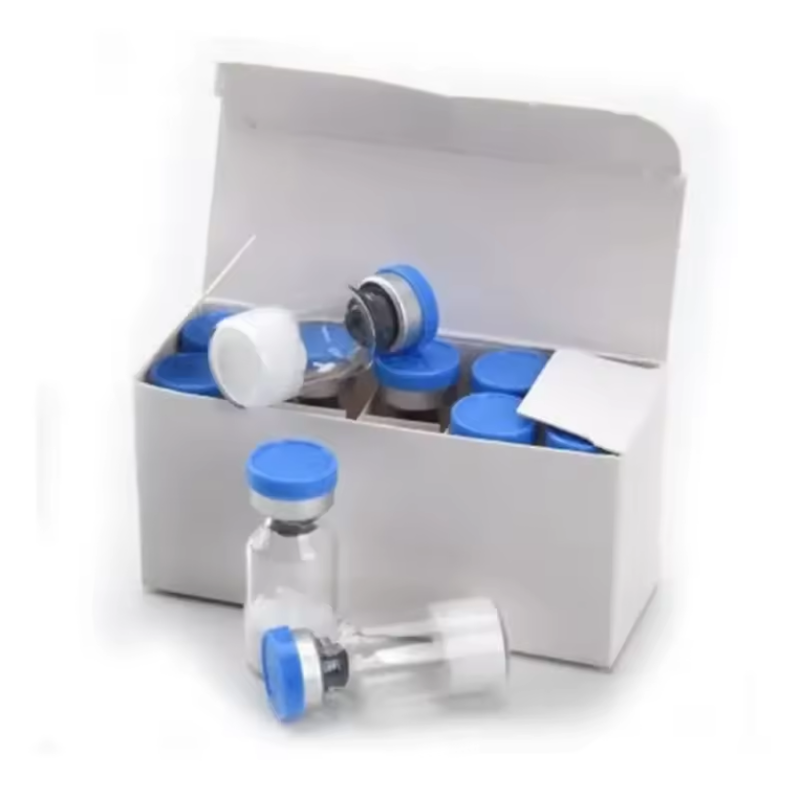
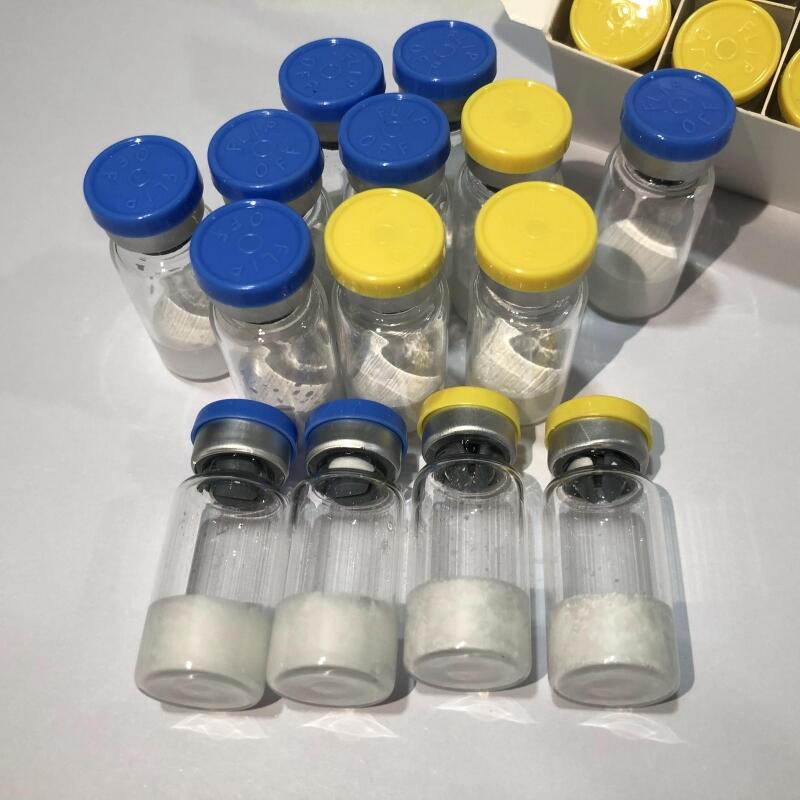
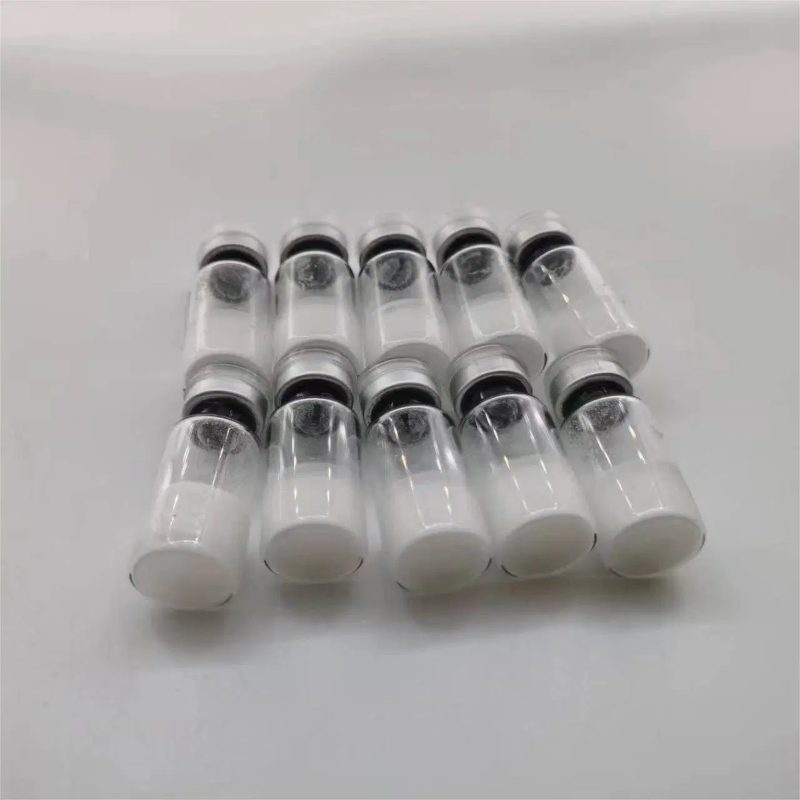
Most buyers go with the 10mg or 50mg vials (we usually have stock, but confirm lead time for custom batch sizes) and the MOQ is typically 1 gram for custom synthesis orders. One thing we don’t advertise: this is not suited for oral dosing studies because the peptide gets shredded in the GI tract—you’ll need to work out a parenteral route if you’re planning in vivo work.
Also, the solubility in water is straightforward, but if you’re running assays at pH below 4 or above 8, you’ll get precipitation issues—something a lot of first-time buyers don’t think to ask about until they’ve already reconstituted a batch, we provide a COA with each shipment, and HPLC trace is usually included, but if you need the mass spec data or residual solvent analysis, just mention it in the order notes.
Anyway, for researchers new to this area, it fits best in metabolic disease models where you want dual-receptor engagement—type 2 diabetes, obesity, or even NAFLD work—and the 99% purity means you’re not chasing artifacts from truncated peptide fragments. We don’t recommend it for acute toxicity screens unless you’ve validated the dosing vehicle first, because the aggregation behavior can skew results at high concentrations.
20 days or so is the typical lead time for custom synthesis, give or take a few days depending on the batch size and whether we’re running the peptide in-house or contracting the solid-phase synthesis.
Lead time depends on the quantity. For standard research batches, it's usually 2-4 weeks after order confirmation and payment. Larger custom orders may take 6-8 weeks.
Yes, every batch comes with a full COA including HPLC purity data, mass spec, and appearance check. We can also share a sample COA before you order if you need to verify.
Our MOQ for this custom synthesis product is typically 1 gram. Smaller amounts may be possible for initial testing, but pricing will be higher per unit.
Store it at 2-8°C in a tightly sealed container, protected from light. Keep it dry and avoid repeated freeze-thaw cycles. For best stability, use it within 6 months of opening.
We can adjust the synthesis to target a higher purity, but 99% is already our standard pharmaceutical grade. Customizing molecular weight isn't feasible since it's fixed by the sequence, but we can discuss modifications to the peptide chain if needed.