Account
Inquiry


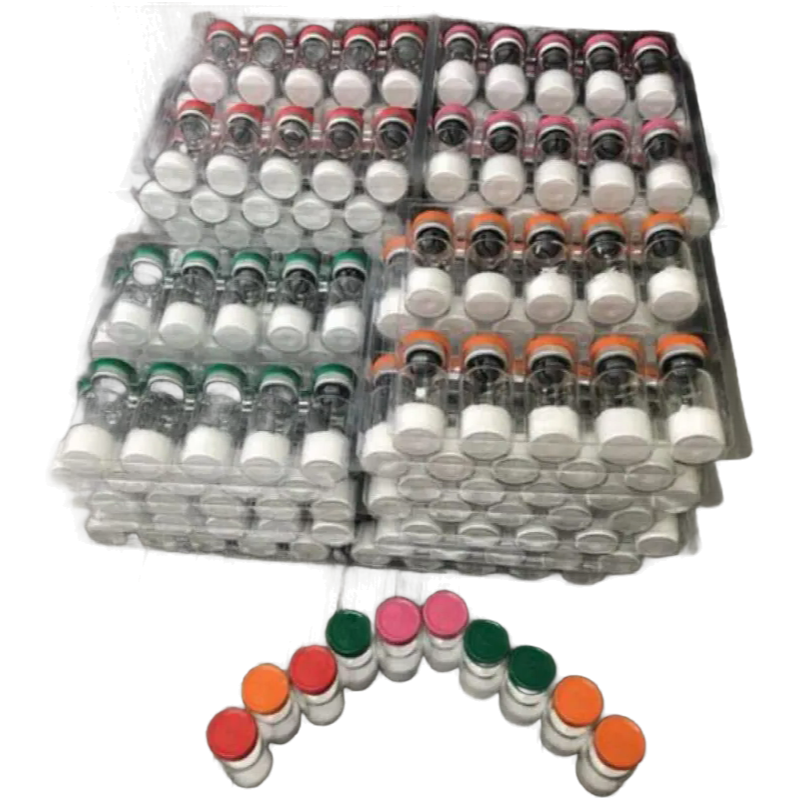
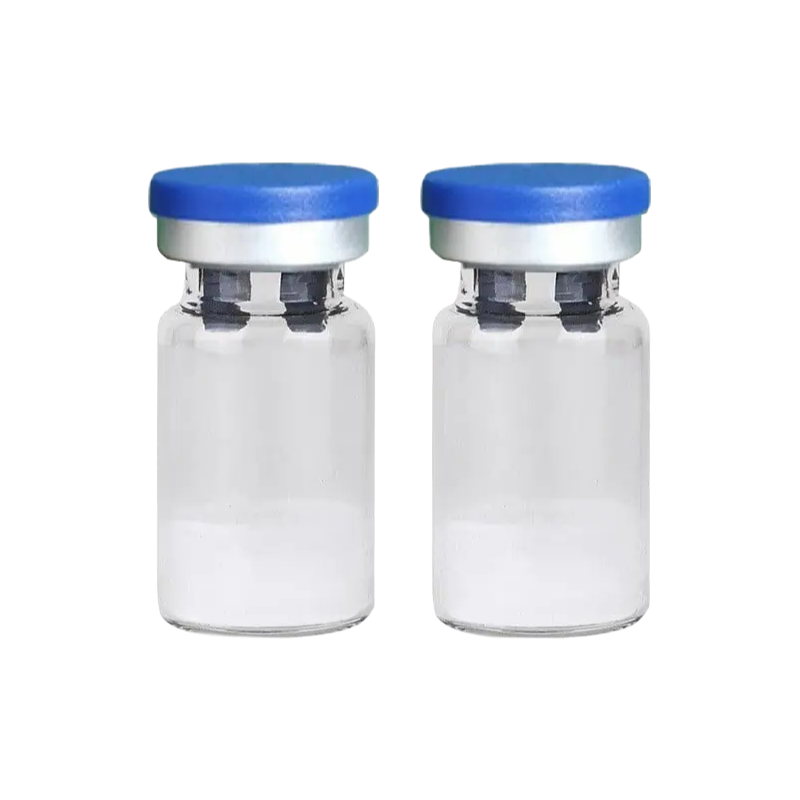
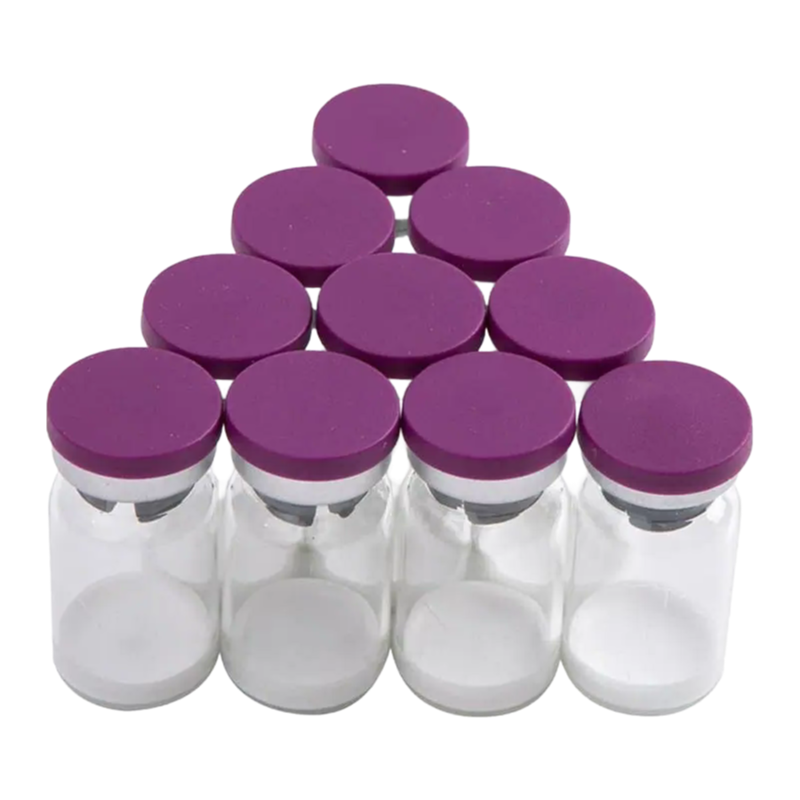

Triple agonism at GCGR, GIPR, and GLP-1R is what sets it apart from single or dual agonists—particualrly for metabolic research where receptor crosstalk matters. We've seen it perform better than straight GLP-1 analogs in models of energy expenditure, probably because the glucagon componnet drives thermogenesis directly.
So if you're chasing mechanistic data on how combined receptor activation affects insulin sensitivity or fat oxidation in vitro, this is pretty much teh tool for the job. One buyer was trying to differentiate weight loss from muscle wasting pathways, and the triple agonist gave cleaner readouts than stacking separate peptides (which adds variables). It's not suited for chronic dosing studies in rats unless you factor in the 2-8°C storage requirement—room temp degradation happens faster than you'd think, usually within 48 hours or so.
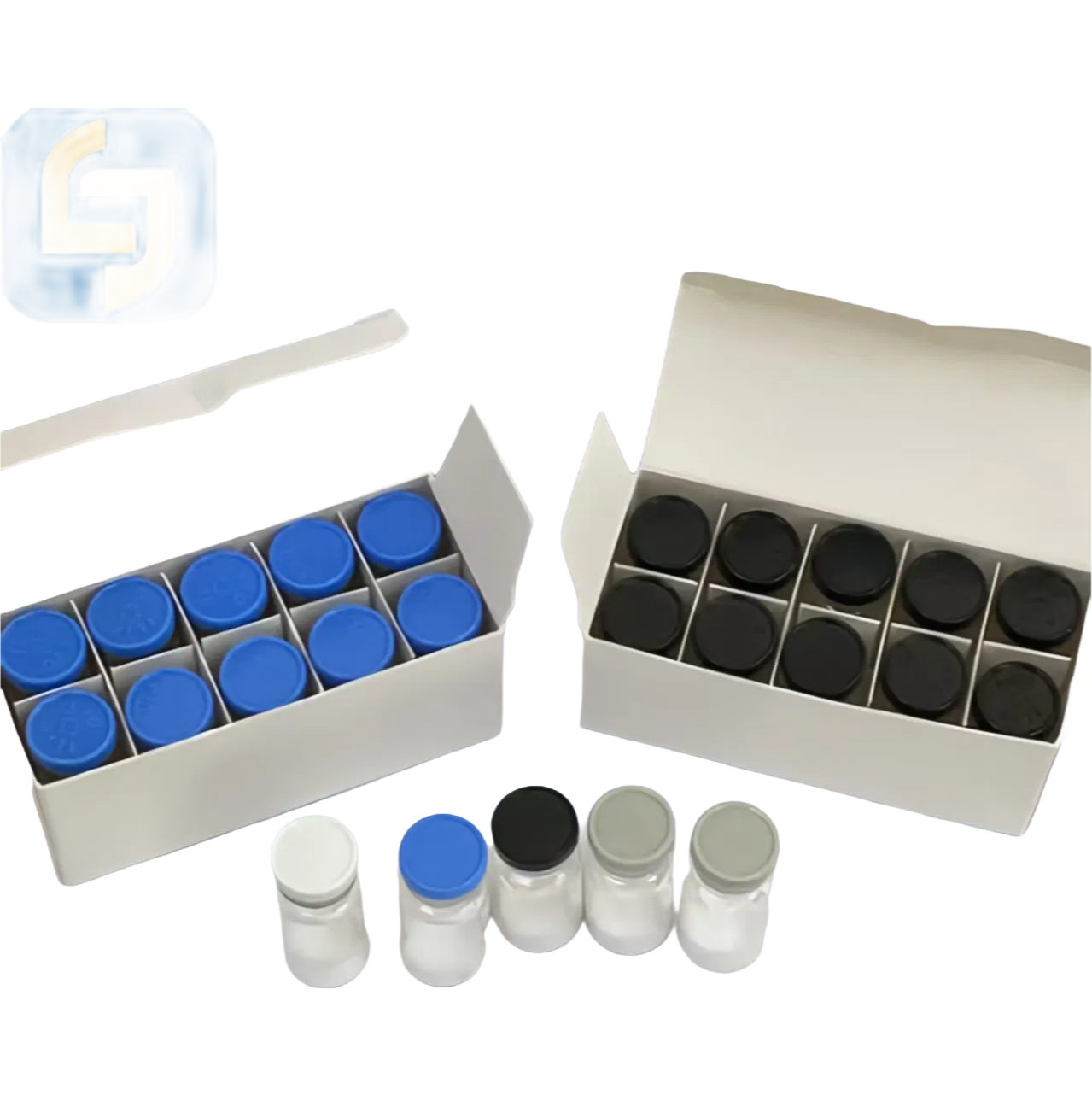
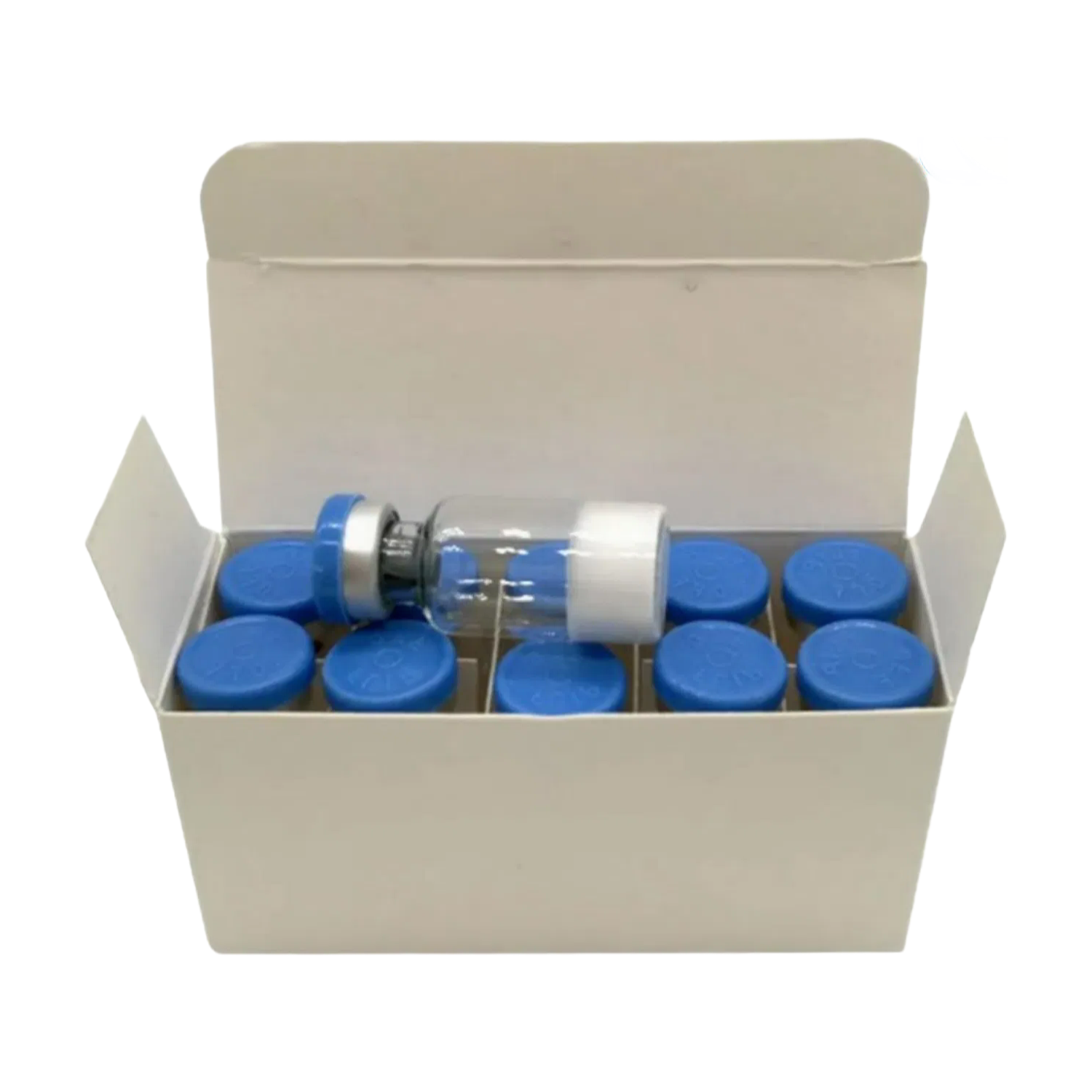
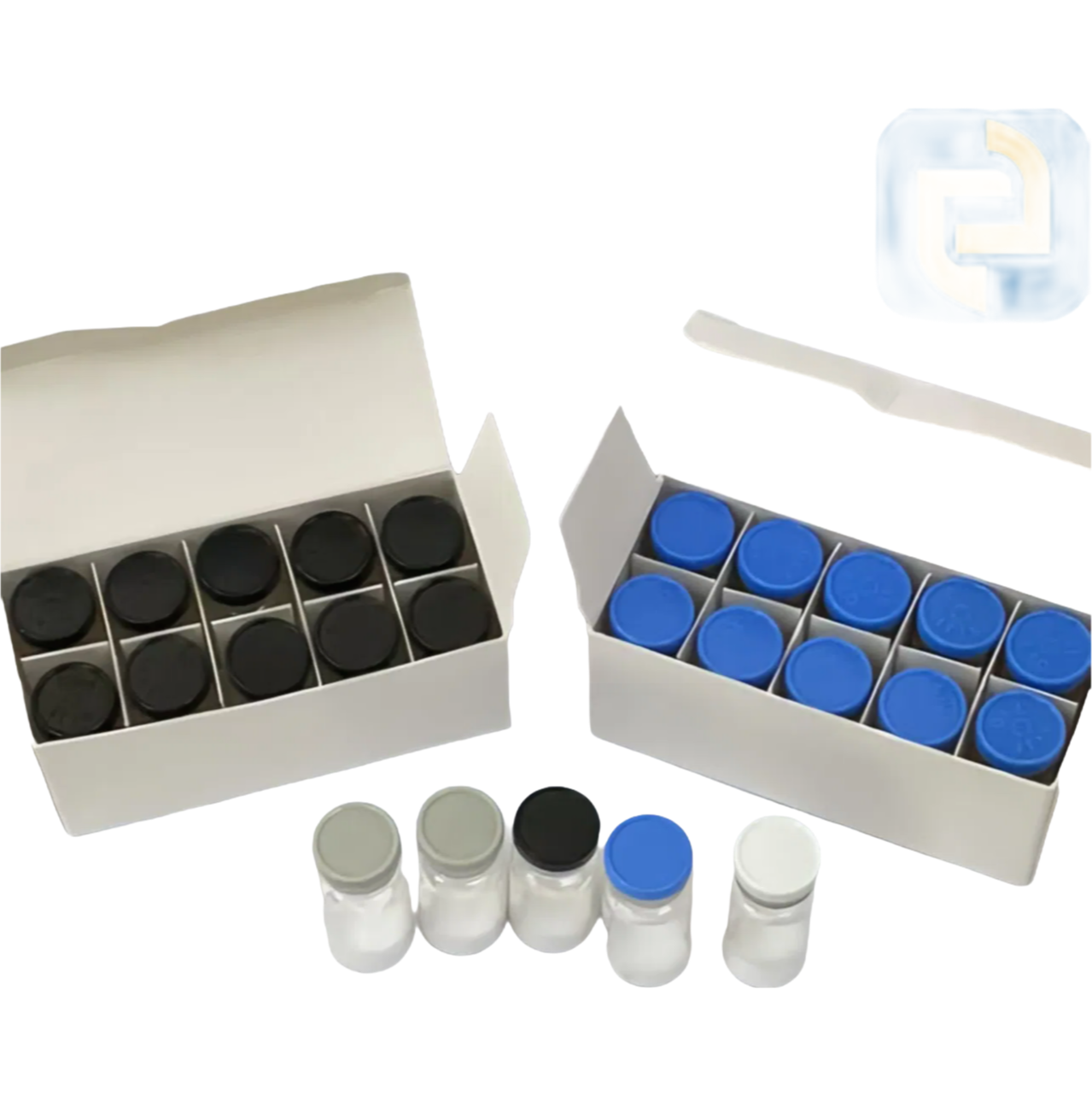
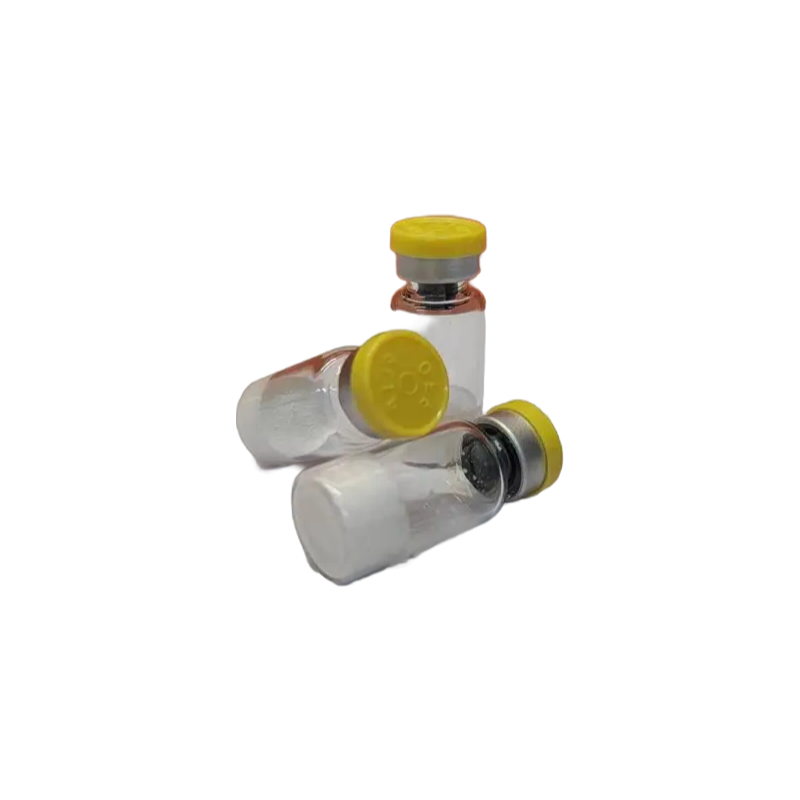
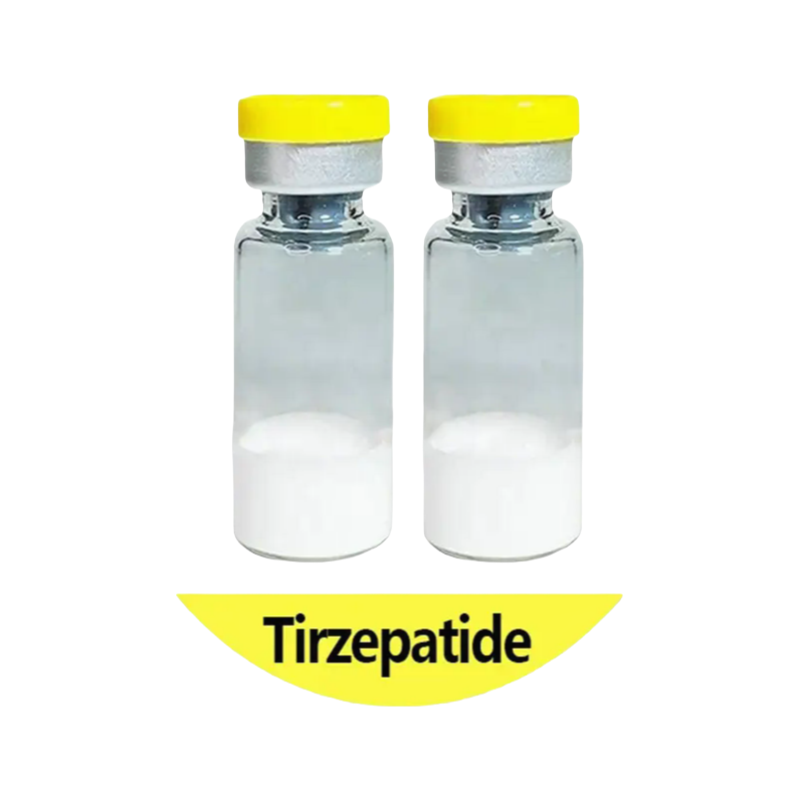
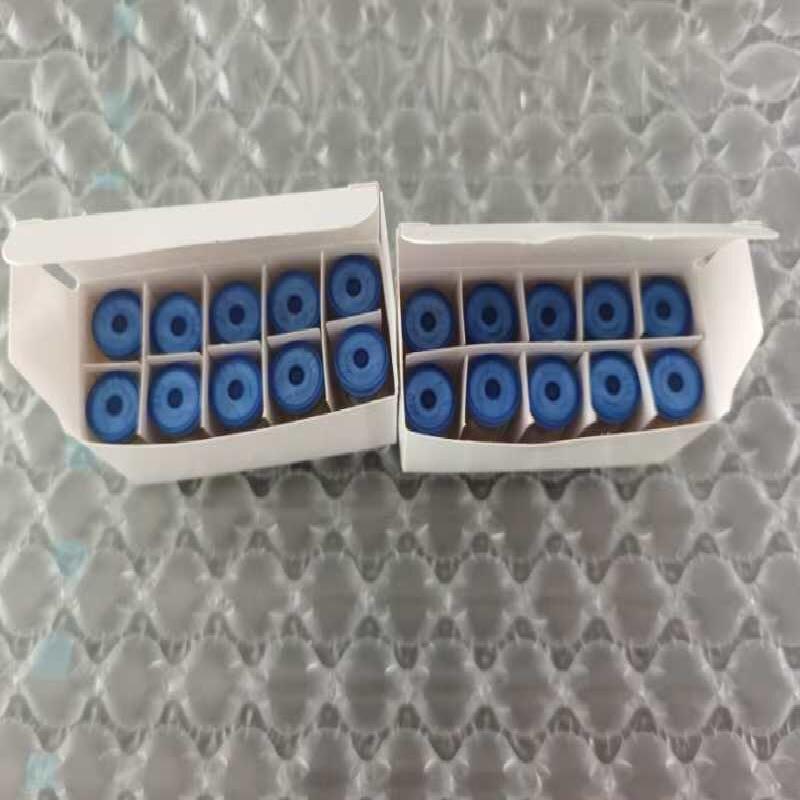
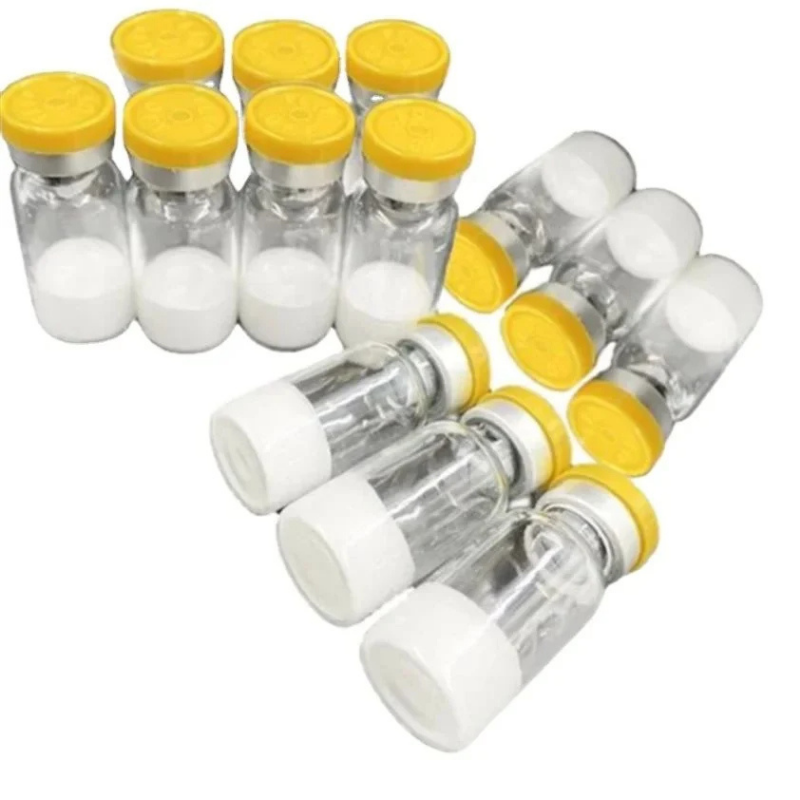
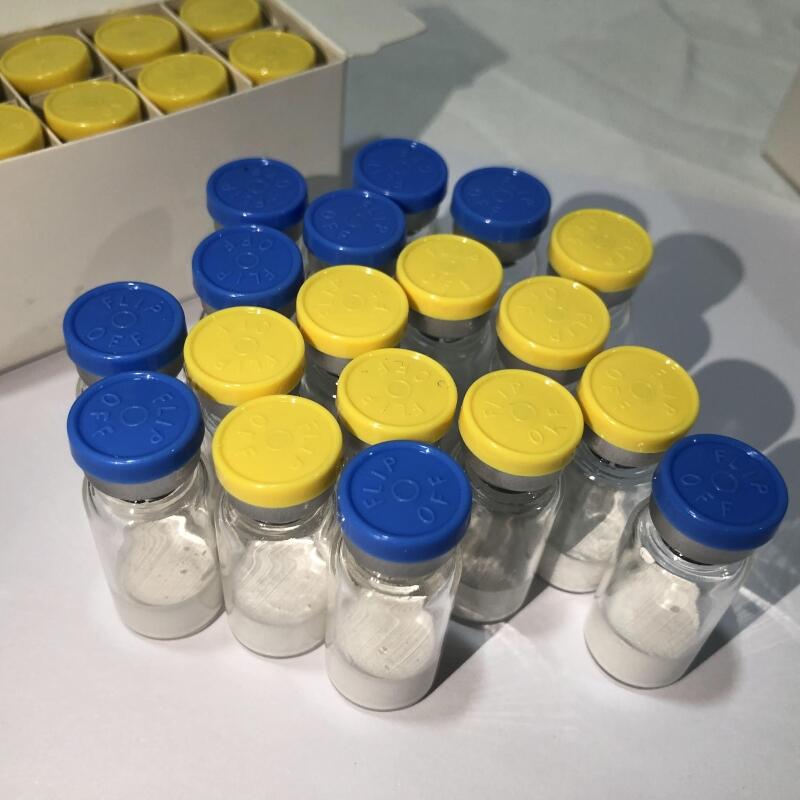
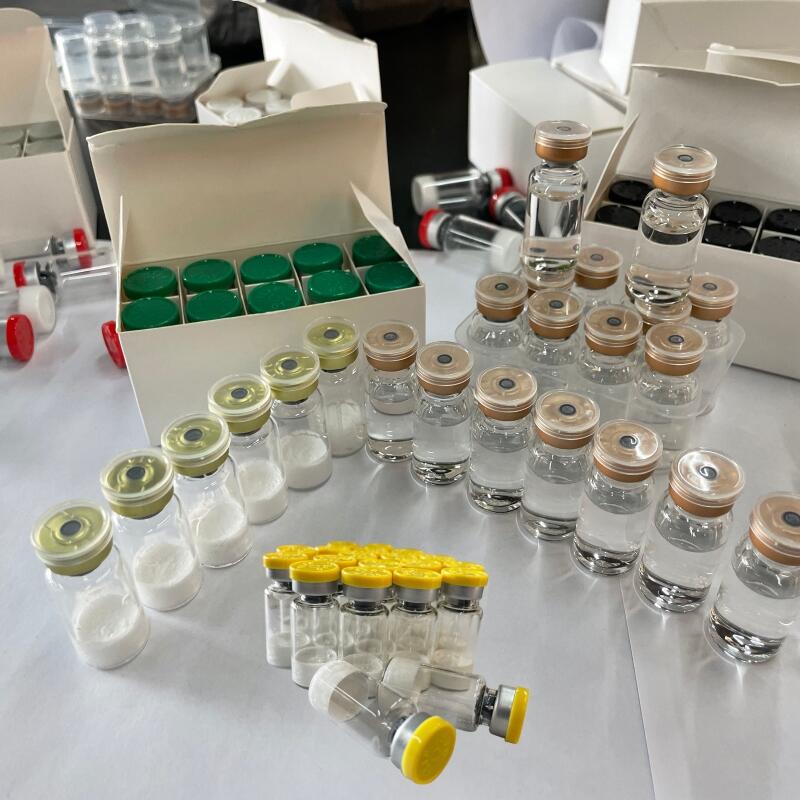
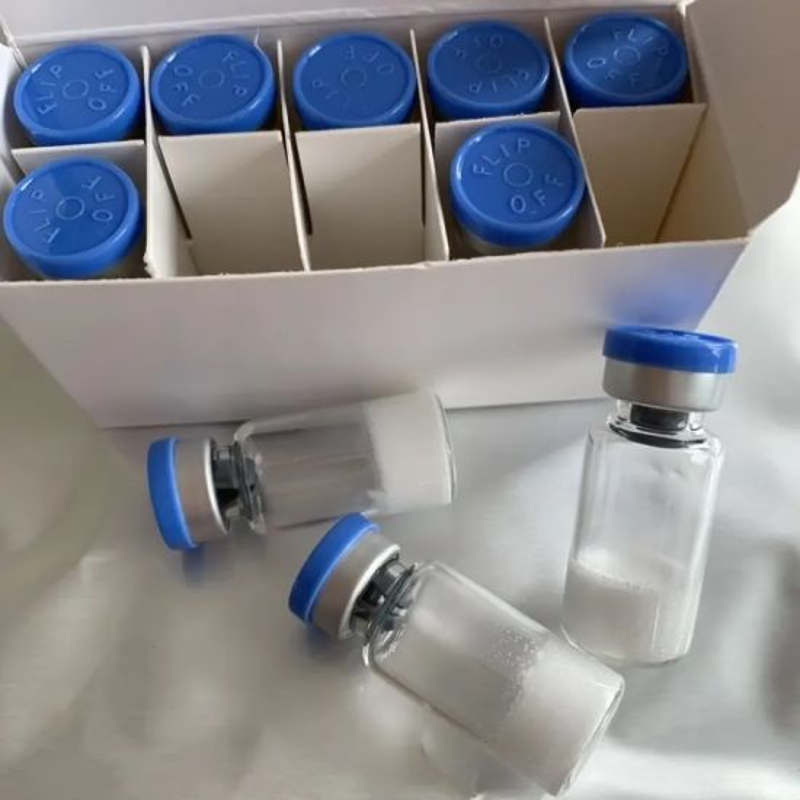
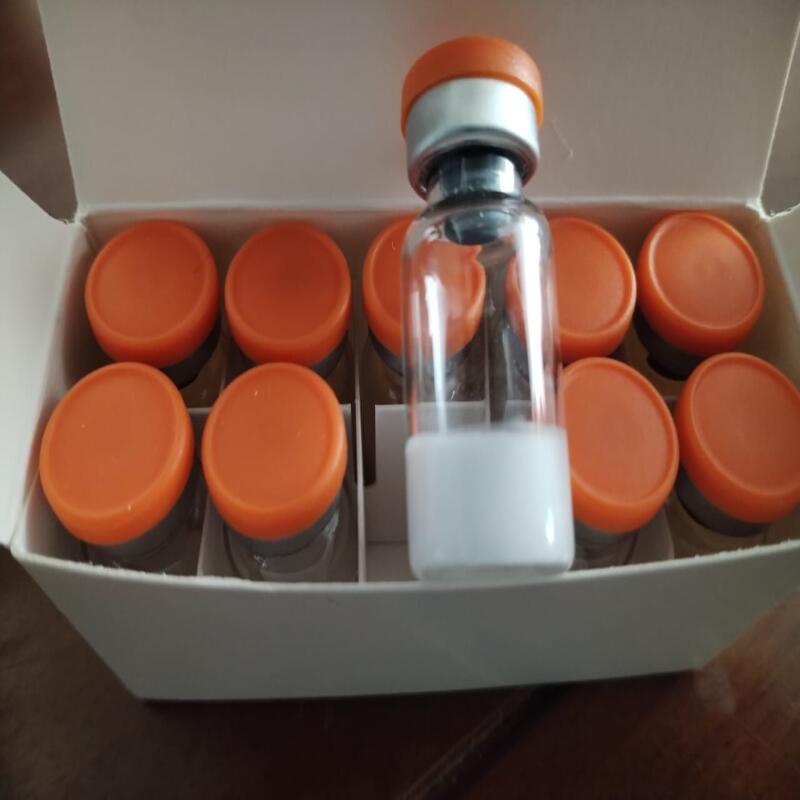
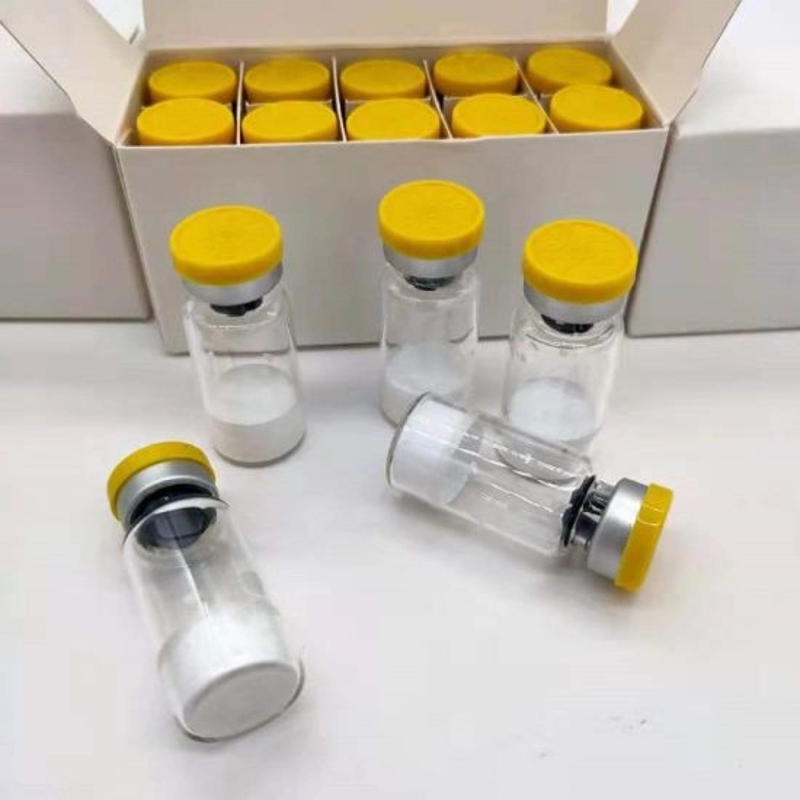
Purity runs ≥99.0% by HPLC, which is tighter than reagent grade for most receptor binding assays. The molecular weight clocks in at 4731.33 g/mol, and you'll see EC50 values—5.79 nM for human GCGR, 0.0643 nM for human GIPR, 0.775 nM for human GLP-1R—that are consistent across the 5mg, 10mg, or 15mg vial formats we stock. Packaing is ten, and no, the 15mg doesn't require different reconstitution buffers; same PBS or saline works across the board.
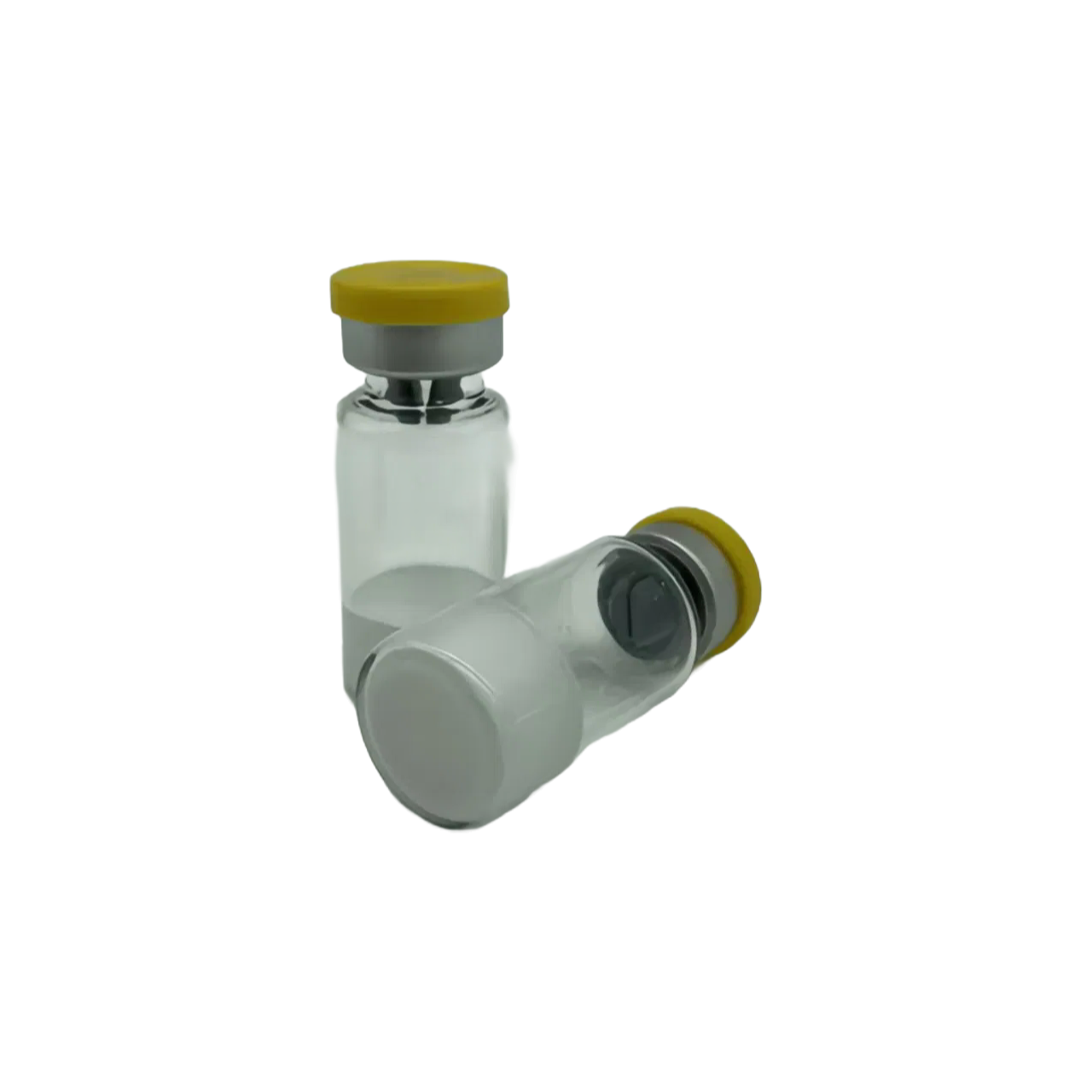
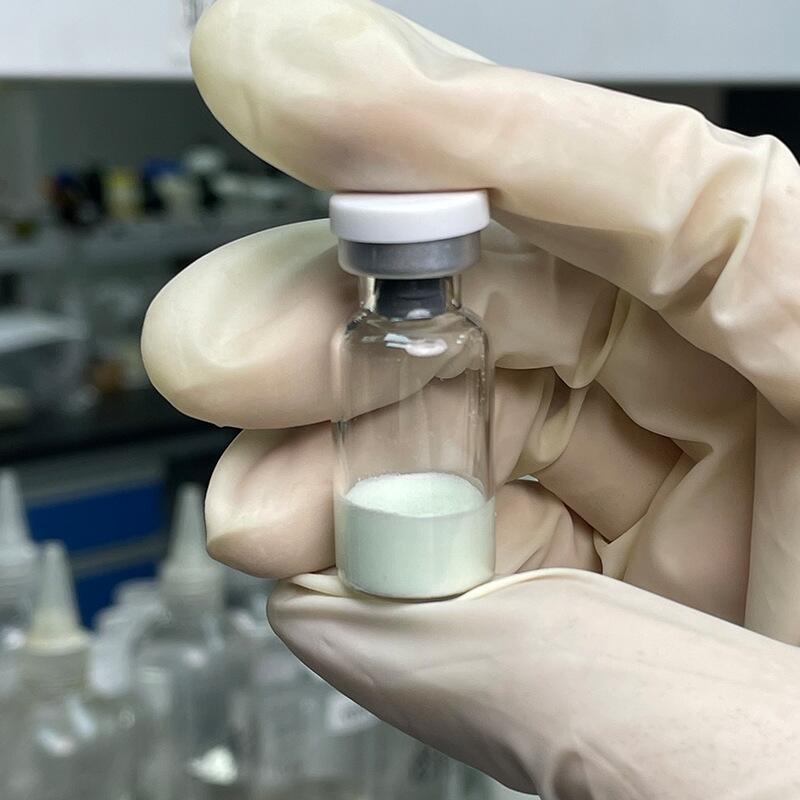
What you won't find in spec sheet is that the lyophilized cake reconstitutes faster if you gently swirl versus vortexing—vortexing can denature the peptide at this molecular weight. We've had labs that ran head-to-head with another supplier's lot and saw a 10-15% difference in aggregation rate by SDS-PAGE, which is why we include a COA with each batch.
Honestly, the semaglutide injection price comparison doesn't apply here—this is a retatrutide acetate research peptide, not a clinical formulation. Bulk orders are where the pricing makes sense; for a single 10mg vial, it's roughly comparable to what you'd pay for a custom synthesis run, but you skip the 4-6 week lead time (usually we ship within 3 days).
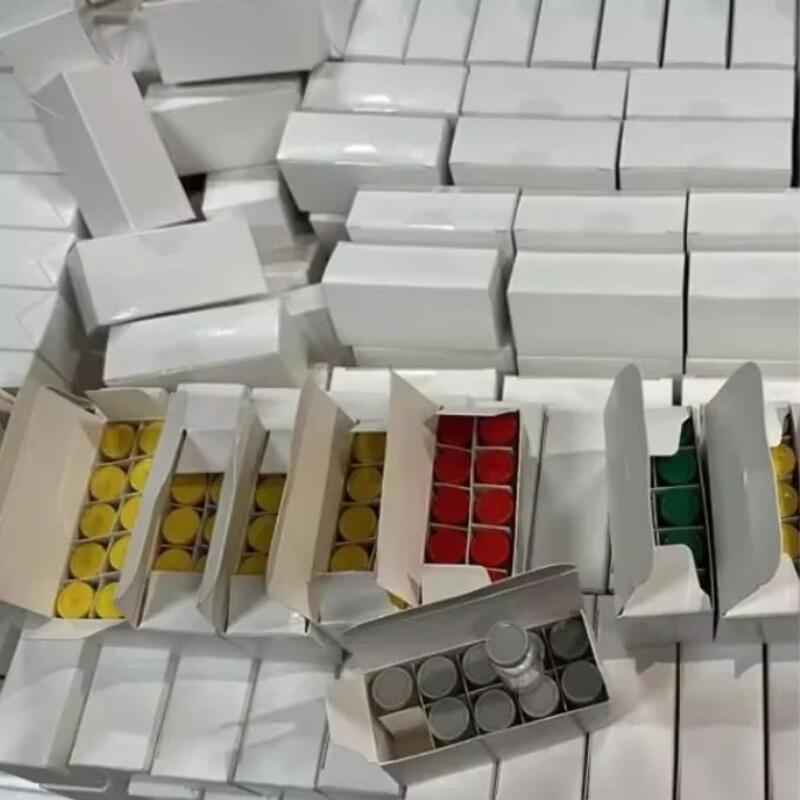
The MOQ is one box of 10 vials, but you can mix different vial sizes (5mg, 10mg, 15mg) within that box.
Yes, we include a COA with every order showing the ≥99.0% purity and other specs like appearance and molecular weight.
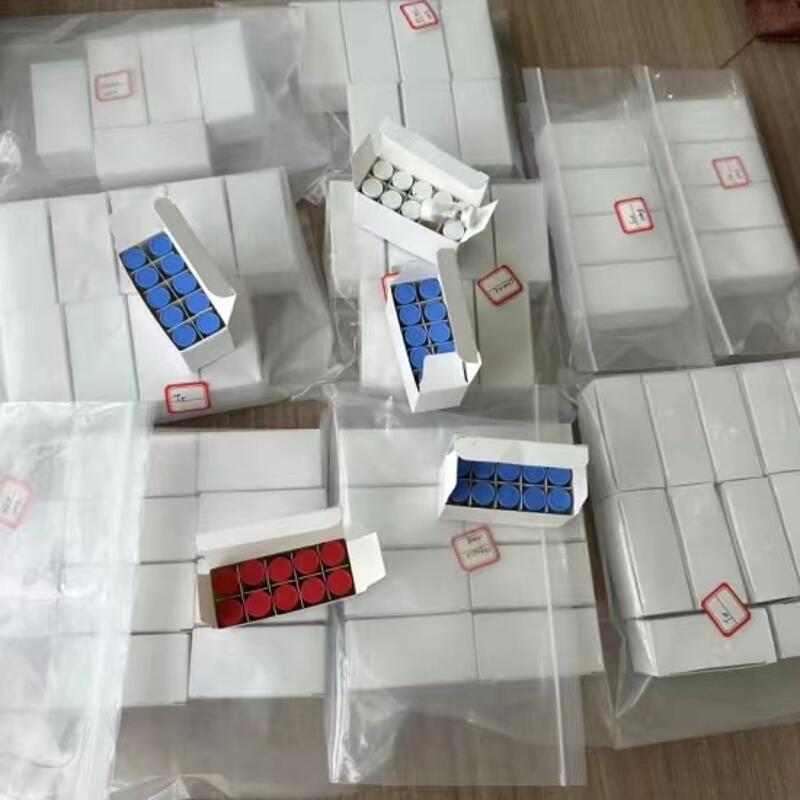
We ship it in insulated packaging with ice packs to keep it cool (2-8°C). Just make sure you store it in a dry, cool place at that temperature once it arrives.
We can do single vials for sample orders, but the standard packaging is 10 vials per box. Just let us know your needs and we'll adjust.
Typically 2-5 business days for processing and shipping, depending on your location and the order size.