Account
Inquiry
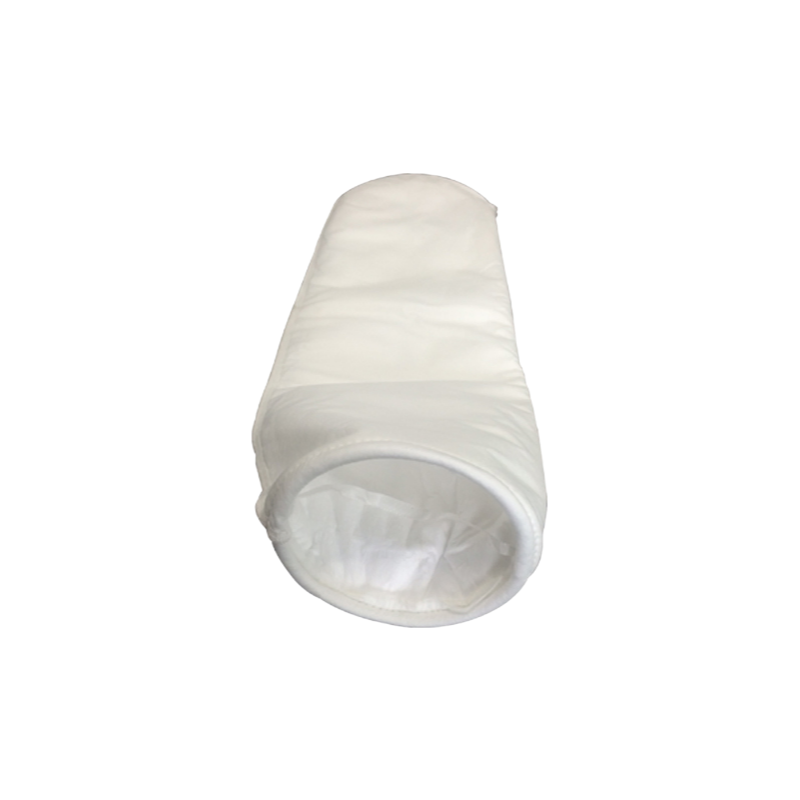
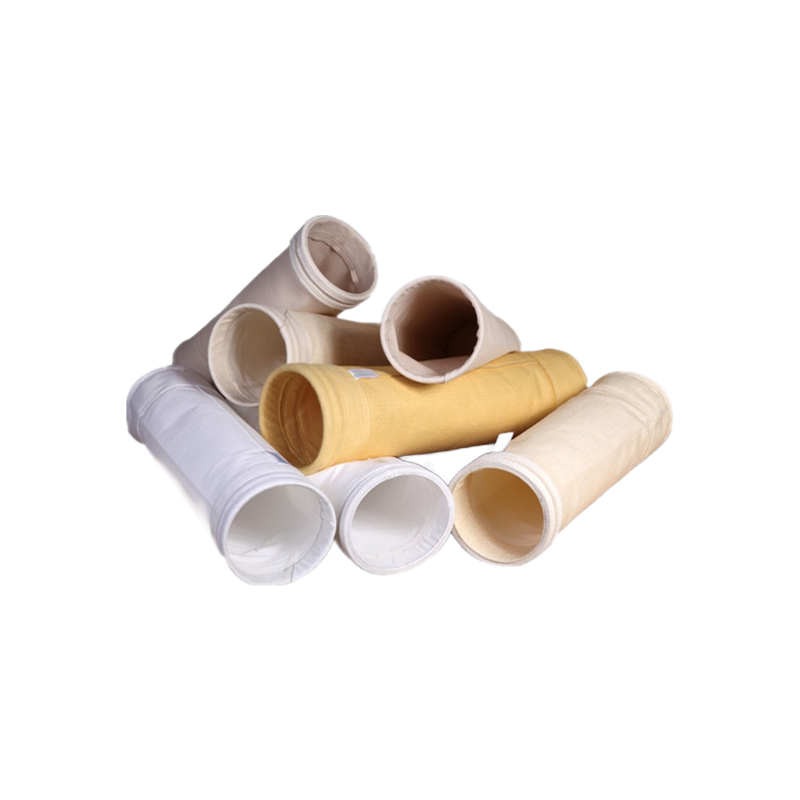
If you’re running a cement plant or a chemicla processing line, these bags handle the fine dust that clogs lesser filters—we’ve seen them hold up through 24 months of near-constant use, though your mileage depends on teh particulate load.
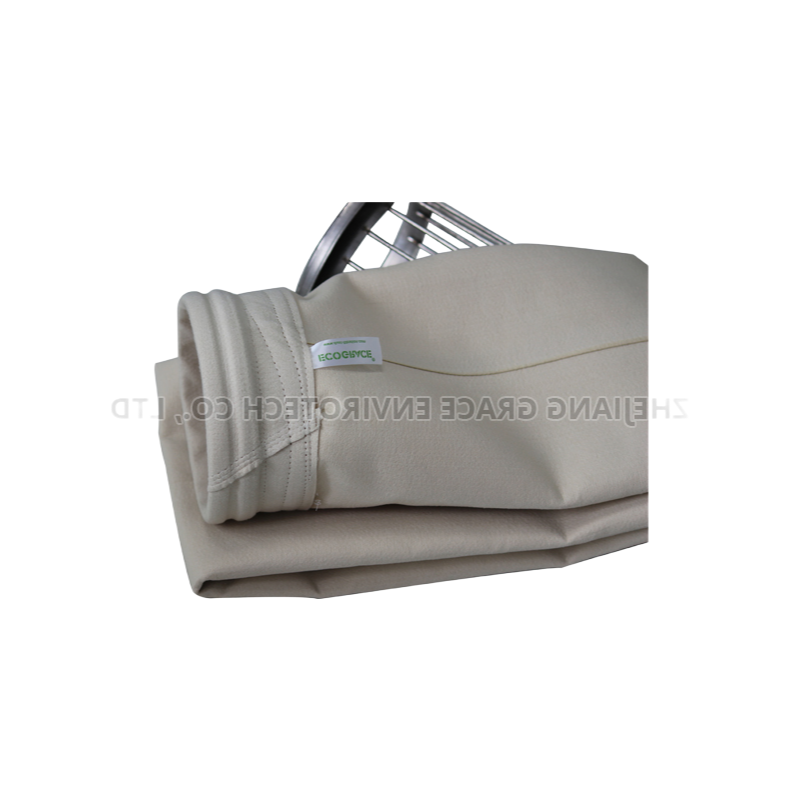
The polyester felt weighs in at 500 g/m² with a thickness of 1.7 mm, and air permeability sits at ≤2.2 L/m²/min (so it’s tight but not choked), tensile strength runs ≥1100 N/5cm in the warp and ≥1500 N/5cm in weft, with elongation capped at 35% and 60% respectively.
They’re singed, calendered, and heat-set, which basically knocks off loose fibers and gives a smooth suface for cake release—continuous temp is 130°C but you can spike to 150°C for short bursts, and while acid and alkali resistance is only medium, abrasion resistnce is excellent, so they’re better than standdard polyester for gritty streams.
: hydrolysis stability is medium, so if your gas stream has high moisture and high heat together, these aren’t your best bet—that’s a limitation we’re upfront about.
Width is 2150 mm, and we usually have stock on the standard sizes, but confirm lead time if you need a custom cut—MOQ is typically 50 units or so, and our company provide COA with each batch (ISO9001:2008 and SGS certified).
Warranty runs 12 months, service life is roughly 24 months in most cases, and they ship folded in cartons—no frills, just the bags.
Our MOQ is typically 500 pieces per size, but we can discuss smaller trial orders if you’re just starting out. Let us know your volume and we’ll see what works.
Standard lead time is 15-20 working days after order confirmation and deposit. Rush orders can be arranged with a small surcharge if needed.
Yes, we include ISO9001:2008 and SGS test reports with every batch. Just let us know if you need specific copies for your compliance team.
Singeing removes loose fibers for a smooth surface, calendering improves dimensional stability, and heat setting locks the structure to resist shrinkage at high temperatures up to 130°C continuous.
Store them in a dry, cool place away from direct UV light, ideally at room temperature. Avoid stacking heavy loads on top to prevent deformation—proper storage ensures they last the full 2 years.