Account
Inquiry
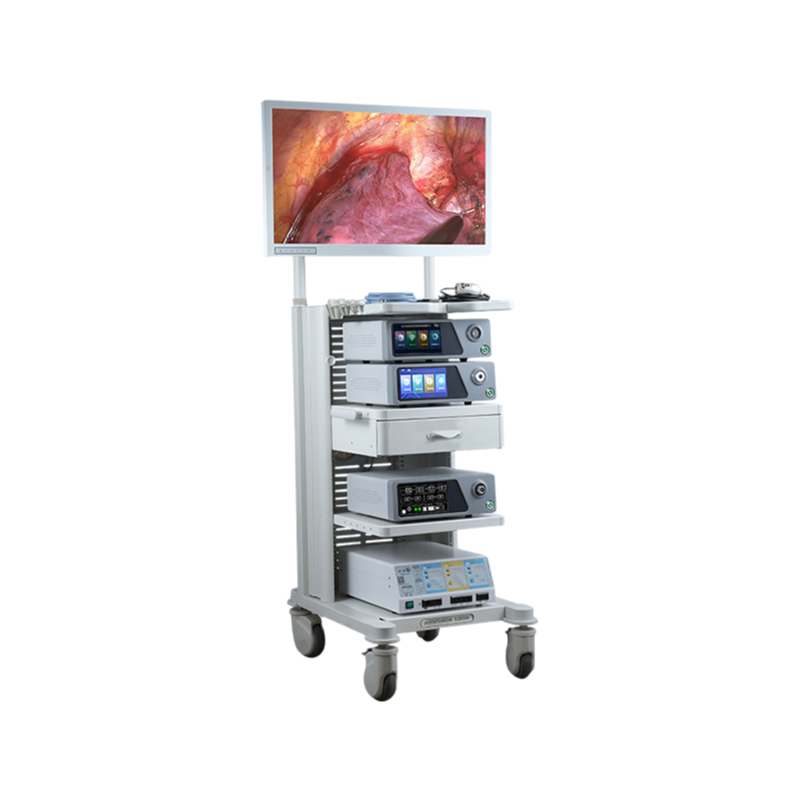
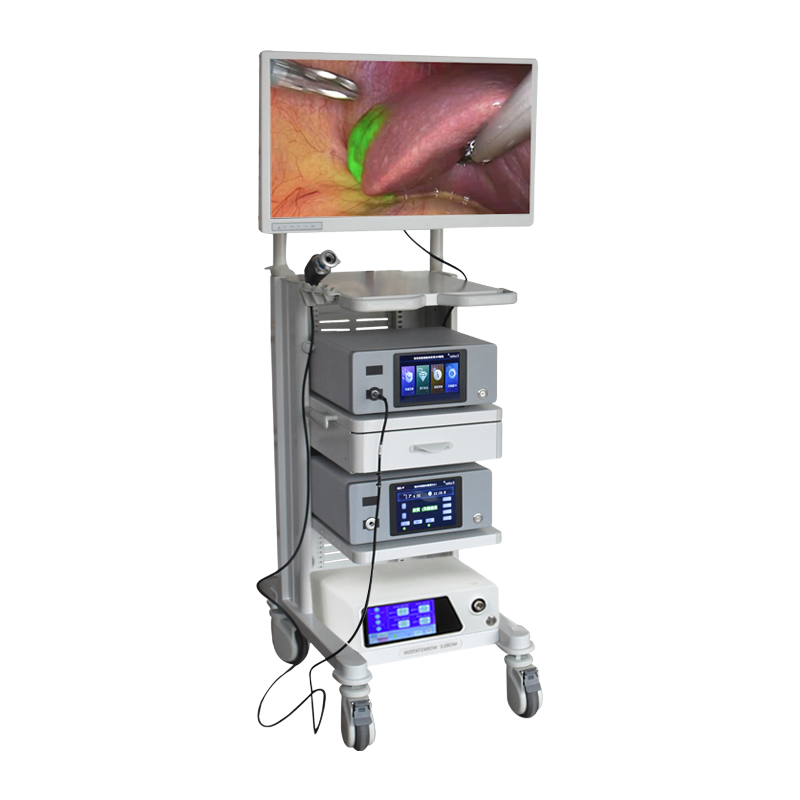
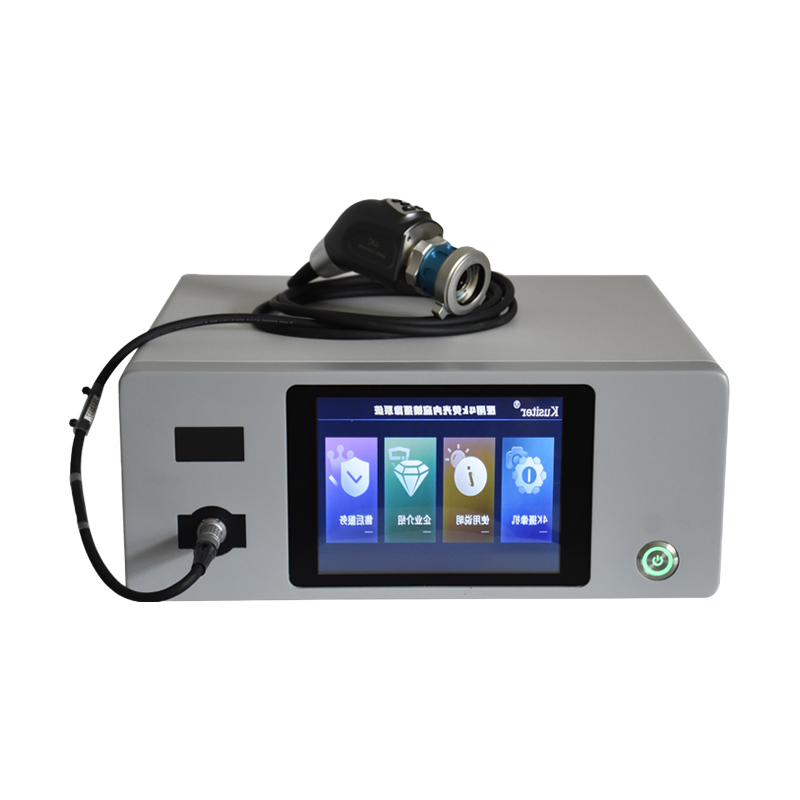
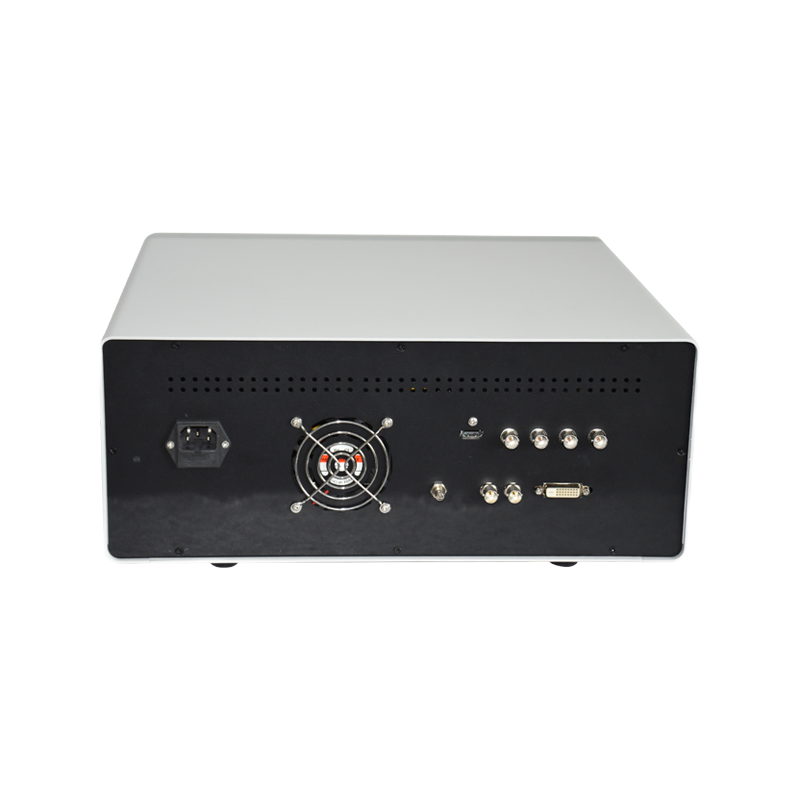
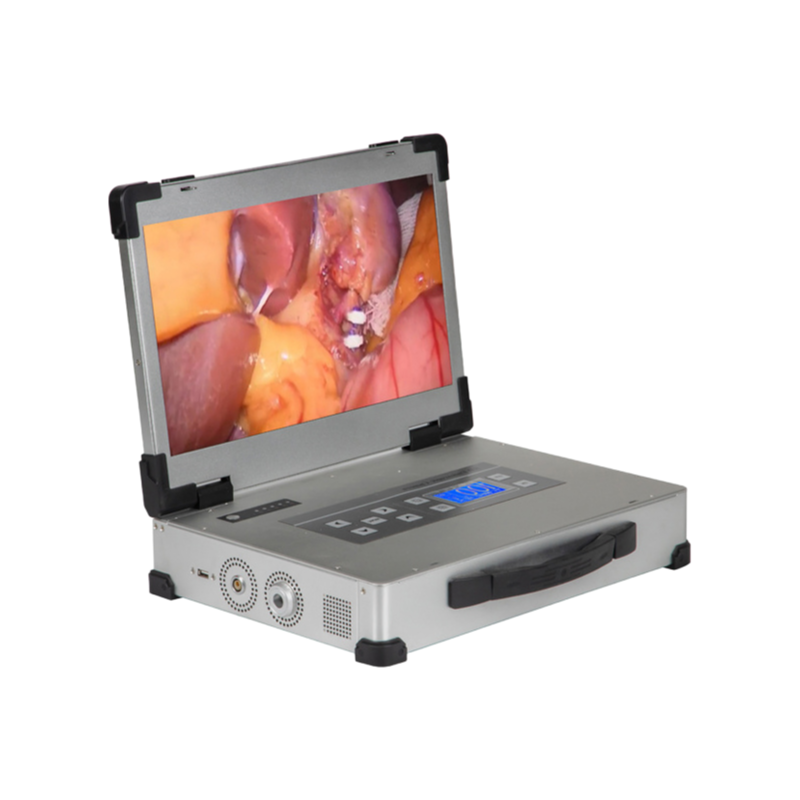
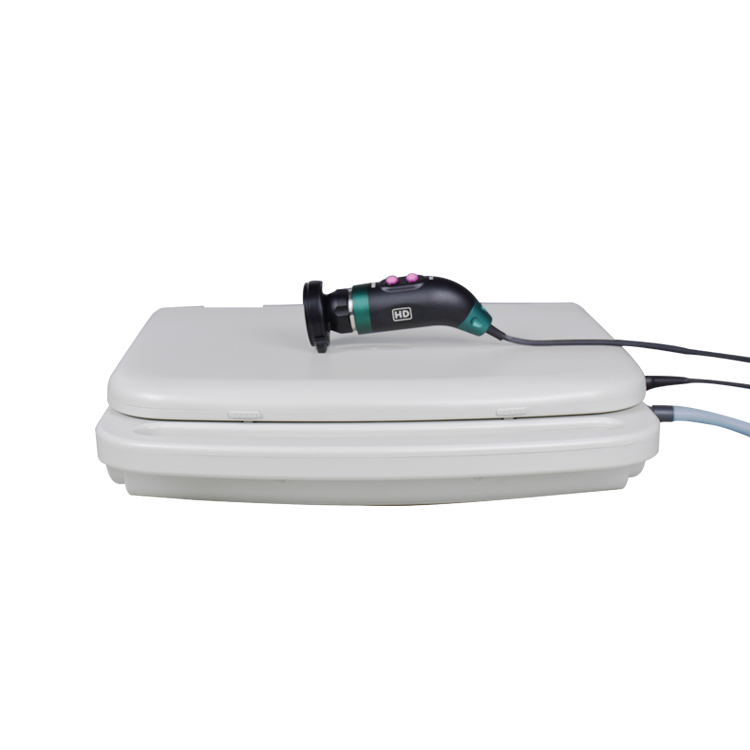
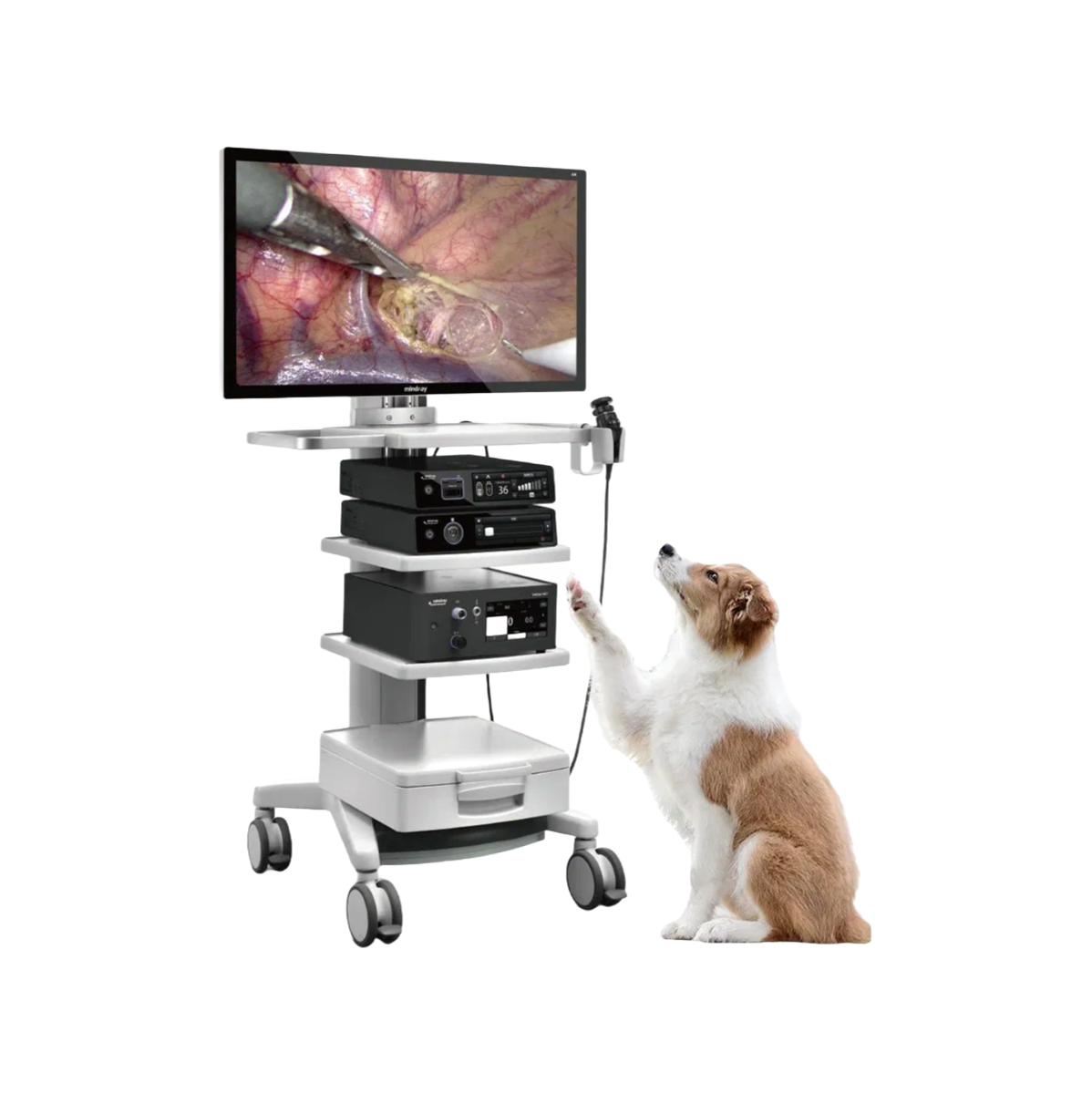
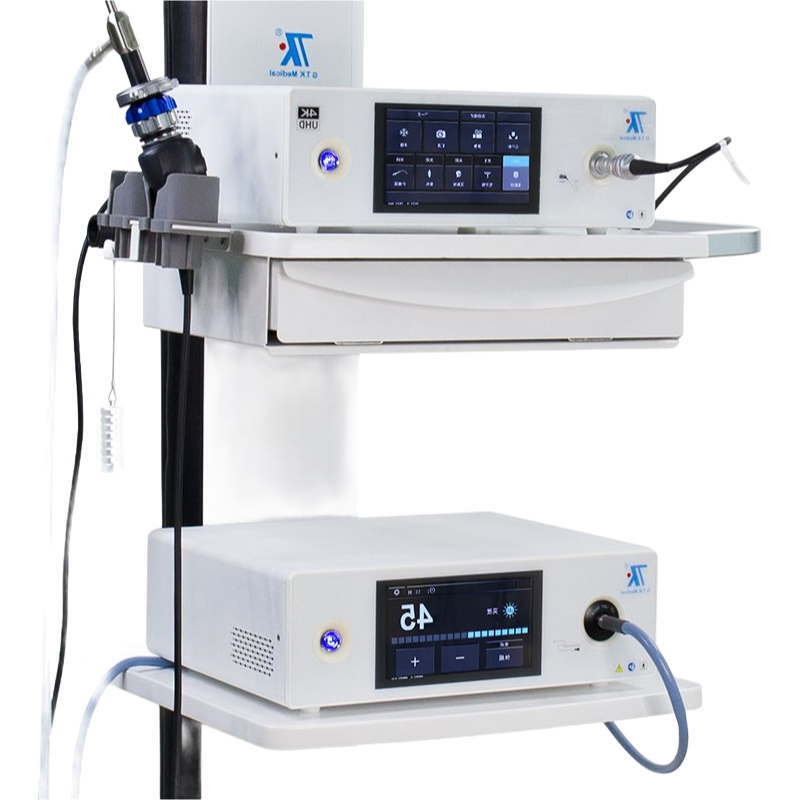
Actually, this system won't hold up well in extremely dusty or high-humidity OR environments—teh CMOS sensors are sensitive and the fan cooling draws in particulates, so you'll want a clean room or controlled OR setting for best results. 2. We've seen it perform best in hepatobiliary and urology suites where fluorescence-guided dissection matters more than sheer ruggedness, and most buyers go with the 32-inch monitor because the 55-inch eats up sterile field space fast. 3. It's got four 1/2.8-inch CMOS sensors running 9 million pixels each—that's 3840x2160 native output at 2100 TV lines—and the minimal illumination floor is 0.5 lux, so it handles low-light fluorescence modes without crushing blacks. 4. Signal-to-noise ratio sits above 50 dB, which isn't class-leading (some are at 55 dB), but the real win here is the HDMI 2.0 and 3G-SDI outputs together—you can pipe 4K to one display and a backup 1080p to another simultaneously. 5. The ICG fluorescence mode uses a 780nm excitation band, and what it does is toggle between white light and NIR with a foot pedal (usually included), and cable on the handle is 2.8 meters—give or take—though you can custom-order longer (3.5 to 5 meters) with 2-week lead time. 6. MOQ is 5 units for new accounts, with CE and FDA certs on file per batch, and pricing roughly $18,500-$22,000 depending on whether you want the 32-inch or 55-inch monitor configuration.
It’s CE, FDA, and ISO13485 certified, so it meets international medical device standards for safety and quality.
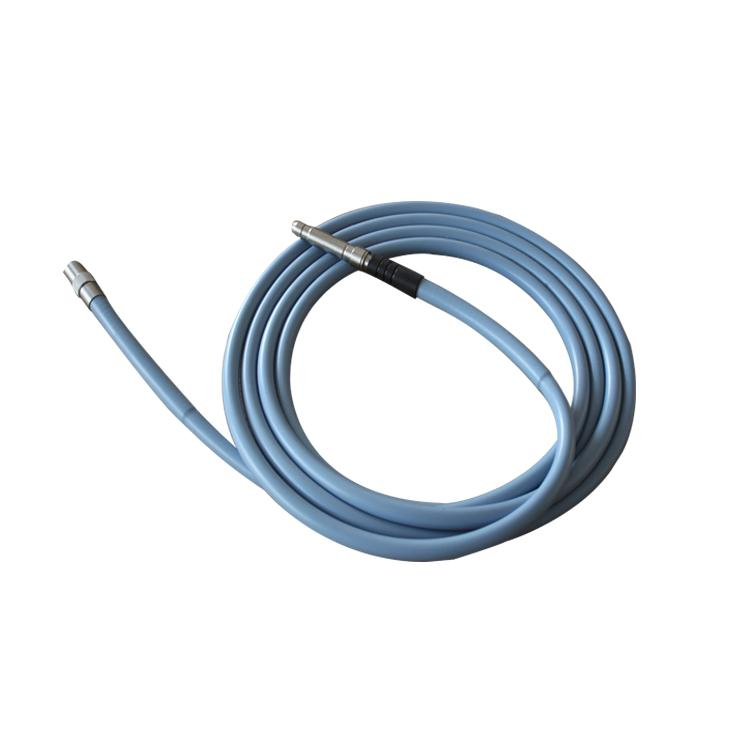
Yes, the standard cable is 2.8m, but we can adjust the length based on your surgical setup requirements.
It needs just 0.5 Lux, meaning it performs well even in low-light conditions during procedures.
It supports HDMI2.0, 3G-SDI, DVI, and USB3.0, giving you flexible connectivity for monitors or recording devices.
It’s built for thoracic surgery, urology, hepatobiliary surgery, gastrointestinal surgery, and gynecology.
Quick delivery and excellent packaging. The shipping was faster than anticipated, and the item arrived in perfect condition without any delays. Quality appears to be top-notch based on initial inspection; the construction feels solid and professional. Customer service was responsive and helpful when I had a pre-sale inquiry, providing clear and detailed information promptly. Overall, a very smooth transaction from start to finish. I am highly satisfied with the purchasing experience and would confidently recommend this supplier to others in the medical field. The attention to detail in logistics and support is commendable and reflects a reliable business operation. Quite impressed with the overall service quality and the care taken in handling the order. Questions were answered thoroughly, and the process was hassle-free, which is crucial when acquiring specialized medical equipment. Quick to dispatch and communicative throughout, making the entire experience positive and trustworthy.
Communication from the seller was clear and prompt, which I greatly appreciated. The delivery was surprisingly fast, arriving well ahead of the estimated schedule. The packaging was exceptionally secure and professional, ensuring the contents were completely protected during transit. Upon unboxing, the build quality of the equipment immediately impressed me; it feels robust, well-engineered, and precisely manufactured. Customer service has been responsive and helpful in addressing my preliminary questions. Considering the complexity of such medical systems, the overall experience regarding logistics and initial quality inspection has been very positive. Certainly, a smooth and reliable transaction from start to finish.
Xcellent service from start to finish. The ordering process was straightforward, and the communication was clear. Regarding logistics, the delivery was surprisingly fast and the packaging was exceptionally secure, ensuring the equipment arrived in perfect condition. The quality of the items received is immediately apparent; the build feels robust and professional, exactly as described for medical-grade equipment. The attention to detail in the packaging and documentation also reflects a high standard. While I cannot comment on the specific technical use or parameters of the 4K fluorescence system itself, the overall presentation and initial physical inspection are very promising. The customer service team was responsive and helpful when I had a pre-delivery inquiry, which was reassuring. This initial experience with the logistics, the tangible quality of the product, and the supportive service has been very positive and instills confidence in the supplier. Everything was handled efficiently and professionally, which is crucial when dealing with sophisticated medical diagnostic equipment. The entire transaction was smooth, and the product arrived exactly as expected, well-protected and looking premium. I am satisfied with this procurement aspect of the process.
Logistics were handled exceptionally well, with the delivery arriving ahead of schedule and in perfect condition. The packaging was secure and professional, clearly indicating the care taken during transit. The quality of the equipment is immediately apparent upon unboxing; the construction feels robust and premium, exactly as one would expect for medical-grade instrumentation. Every component appears meticulously manufactured. Regarding service, the support team was responsive and courteous, providing clear communication throughout the process. They were proactive in sending shipping updates and were available to answer preliminary questions promptly. The overall experience from ordering to receipt was seamless and instills confidence in the supplier. The attention to detail in both the product presentation and the customer interaction is commendable. It is evident that this company prioritizes reliability and customer satisfaction, making the procurement process straightforward and worry-free. This level of execution in logistics, perceived quality, and service support is precisely what is required for critical medical equipment, ensuring that professionals can focus on their diagnostic work without concerns about their tools.
Zippy delivery was the first thing that impressed me. The courier service was efficient, and the package arrived well ahead of the estimated schedule, which was crucial for our clinic’s planning. Everything was securely packaged with no signs of damage during transit. Regarding the product’s quality, the build feels exceptionally robust and professional. The materials used seem top-grade, promising durability in a demanding medical environment. The initial visual inspection of the components shows precise manufacturing and a finish that meets high medical standards. The service aspect was equally commendable. The sales team was responsive and provided clear communication throughout the ordering process. They answered all pre-sale inquiries promptly and with great expertise. The documentation included was thorough and easy to understand. Overall, this was a very smooth procurement experience from start to finish, focusing purely on the logistics, perceived quality, and customer service, which were all executed flawlessly.
Q: The delivery was incredibly prompt and well-handled. The courier service provided real-time updates, and the package arrived securely without any damage. I was impressed by the efficiency of the logistics chain, from dispatch to final handover. Regarding the product quality, the build feels robust and professional. The materials used seem durable and suitable for a clinical environment. The service aspect was also commendable; the support team was responsive and knowledgeable when I had a pre-delivery inquiry. Overall, a very smooth experience from ordering to receipt. The attention to detail in packaging and communication reflects well on the supplier. I have no complaints about the shipping process or the initial quality inspection. It arrived exactly as described in terms of physical condition and components. The service interaction was polite and helpful, which is always appreciated. This foundational experience with the logistics and support gives confidence in the supplier reliability for future needs. The entire process was streamlined and professional.
Logistics were impressively swift, with the package arriving ahead of schedule and in perfect condition. The quality of the materials used feels robust and reliable, ensuring long-term durability. Service was outstanding; the support team responded promptly and courteously to all inquiries, making the entire process smooth and hassle-free. Overall, a very satisfying experience that exceeded expectations.
Shipping was incredibly fast and well-packaged, arriving ahead of schedule without any damage. The quality of the components feels robust and precisely manufactured, meeting high standards for medical equipment. Customer service provided prompt, knowledgeable assistance when I had questions about delivery tracking. Overall, a seamless experience from order to receipt.
Fantastic experience from start to finish! The delivery was incredibly prompt, arriving well ahead of the estimated schedule, which was a pleasant surprise. The packaging was secure and professional, ensuring the product was in perfect condition upon arrival. As for the quality, it feels robust and well-manufactured, with attention to detail that inspires confidence in its durability and performance. The customer service team was exceptionally responsive and helpful, addressing my inquiries with clarity and patience. Overall, a seamless and satisfying transaction that exceeded my expectations in every aspect. Highly recommended for anyone seeking reliability and excellence.
Logistics were handled exceptionally well; the delivery was prompt and the packaging was secure, ensuring the product arrived in perfect condition. The quality of the materials and construction is outstanding, reflecting high standards in manufacturing. Customer service was responsive and helpful, providing clear communication throughout the process. Overall, a very satisfactory experience from start to finish, with no issues to report. I would highly recommend this based on these aspects alone.