Account
Inquiry
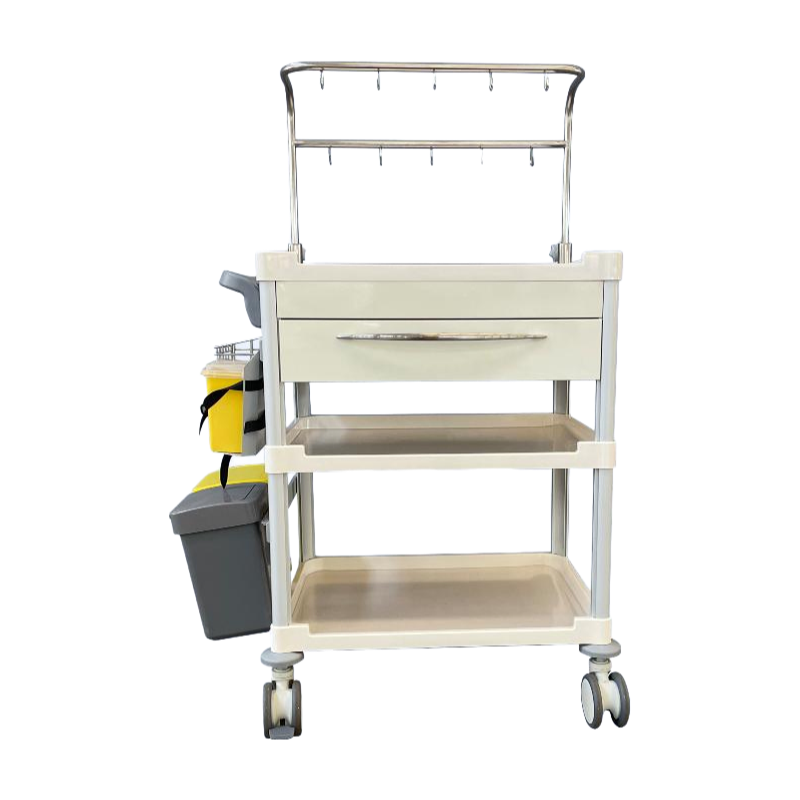
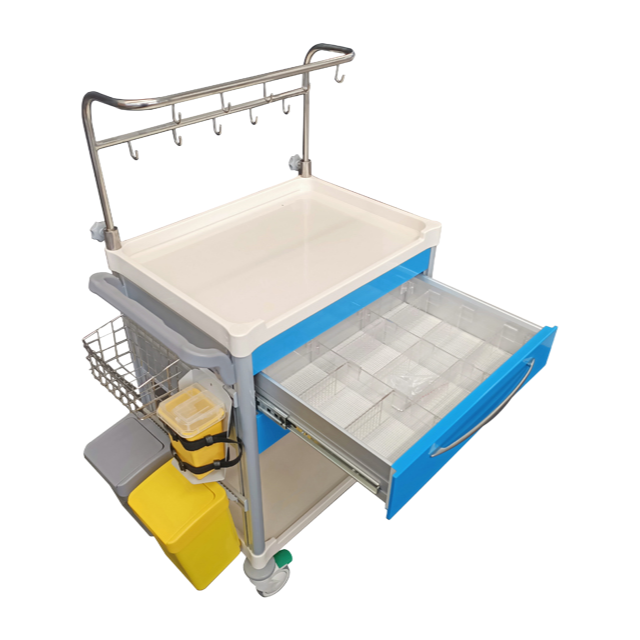
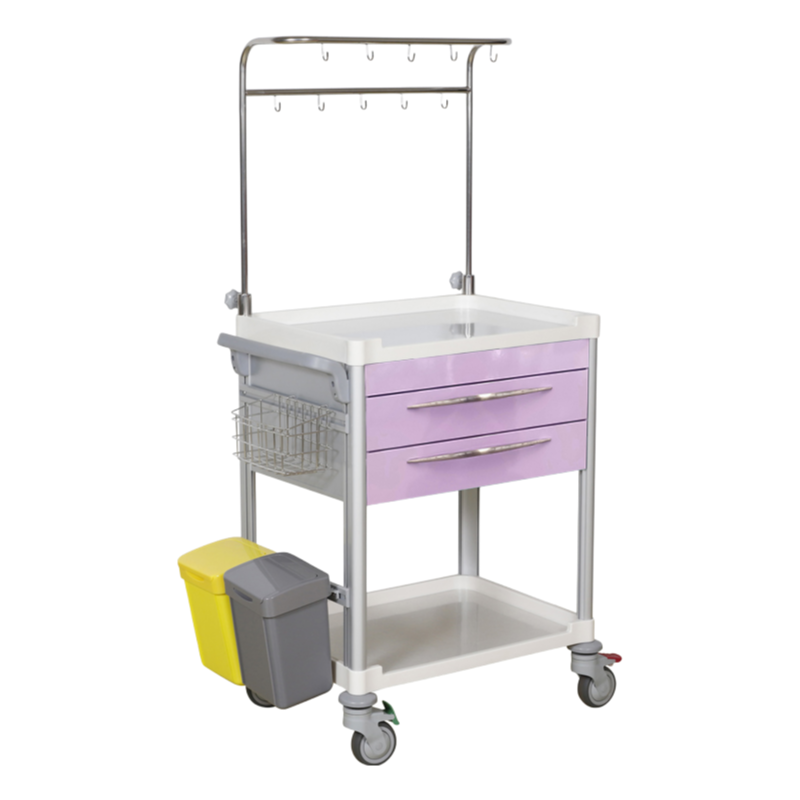
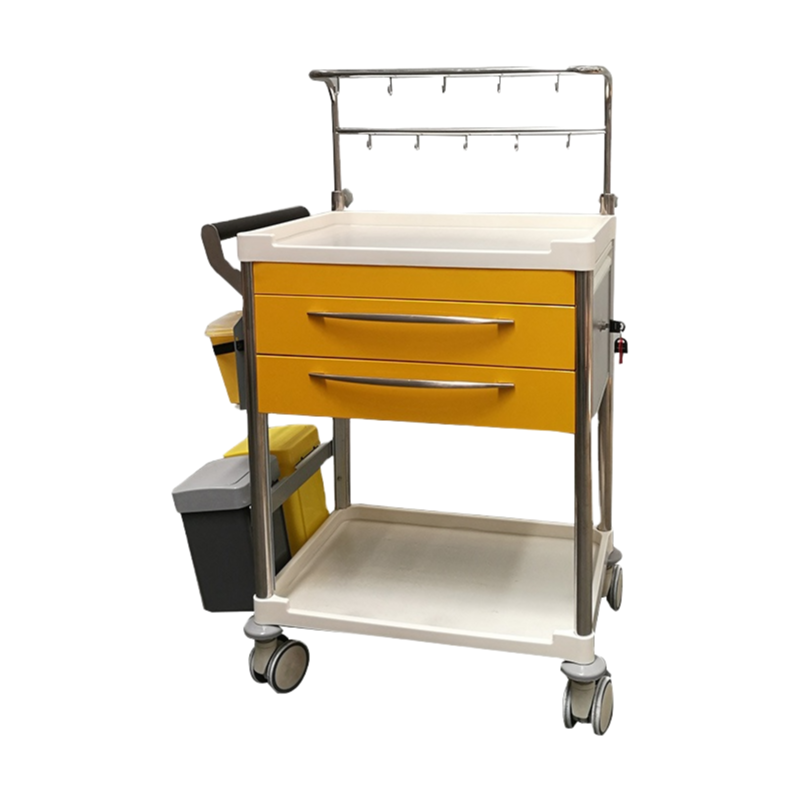
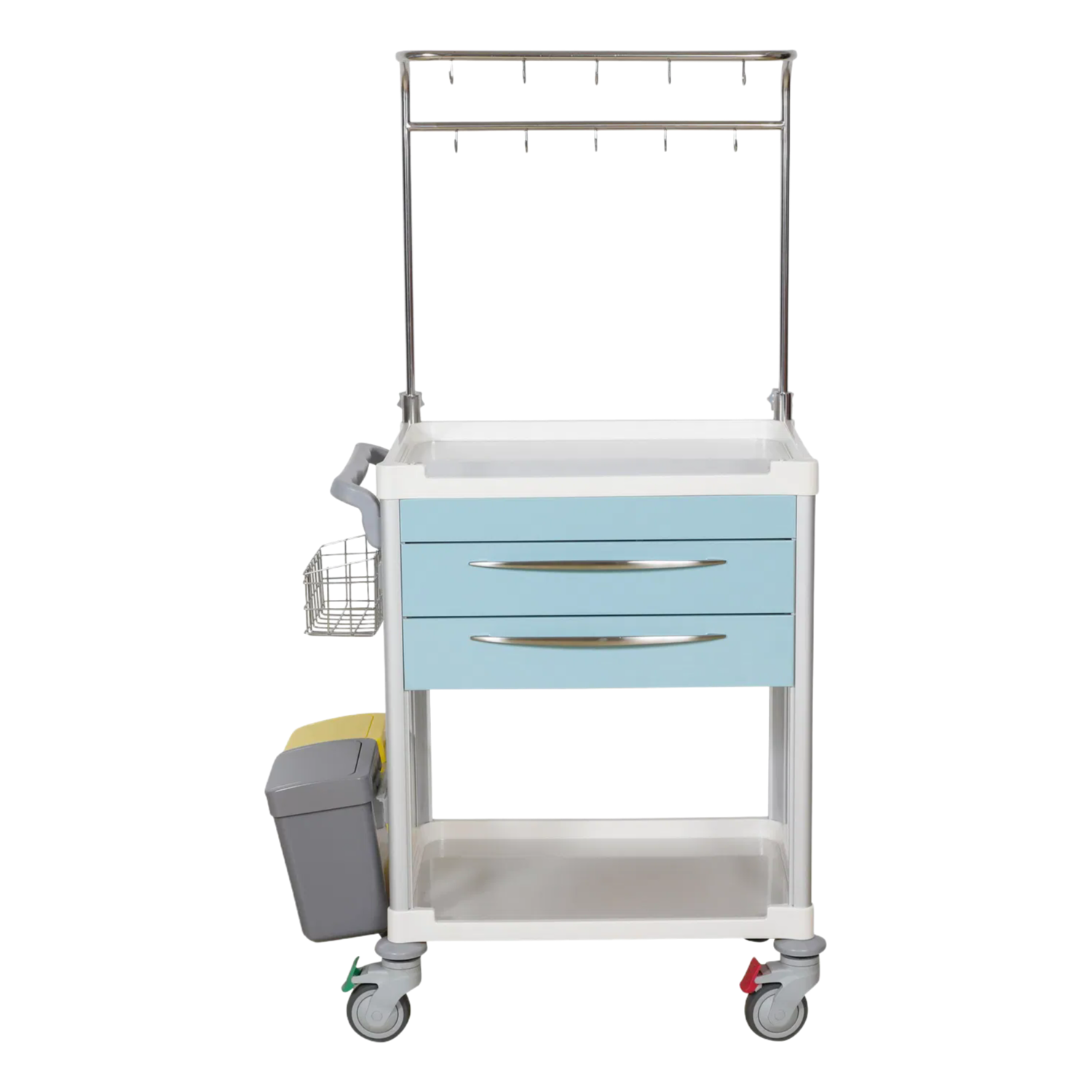
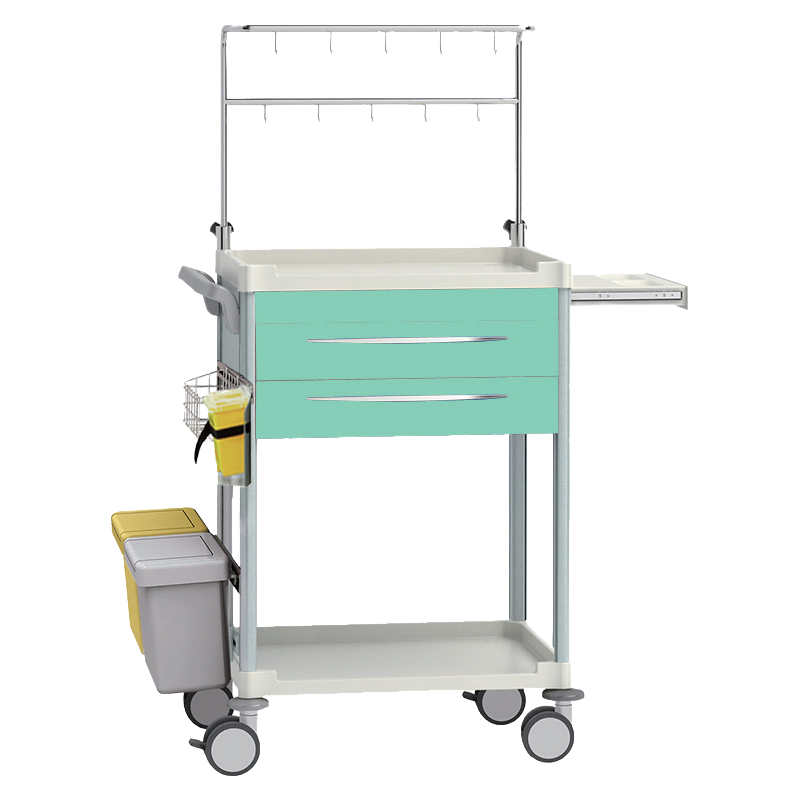
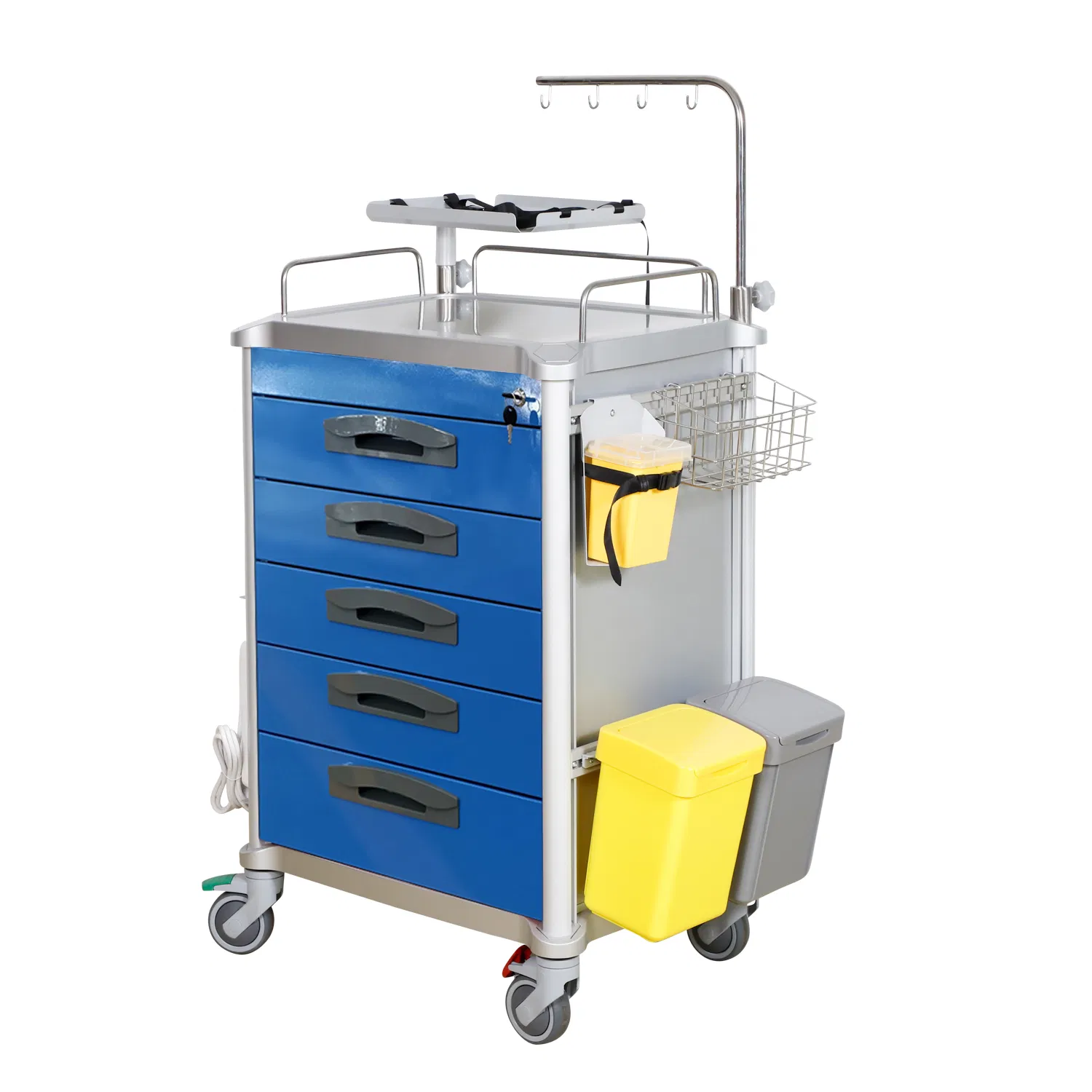
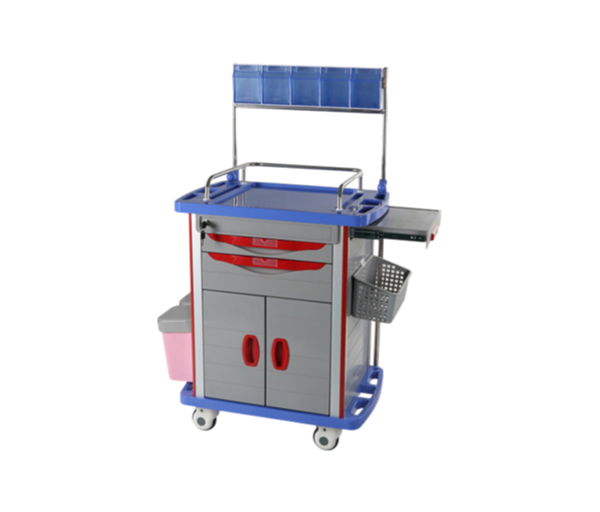
The aluminum frame gets an electrophoresis coating before assembly, which basically seals it against corrosion better than a standard paint job would, and it's one of those details we've found matters in humid hospital environments.
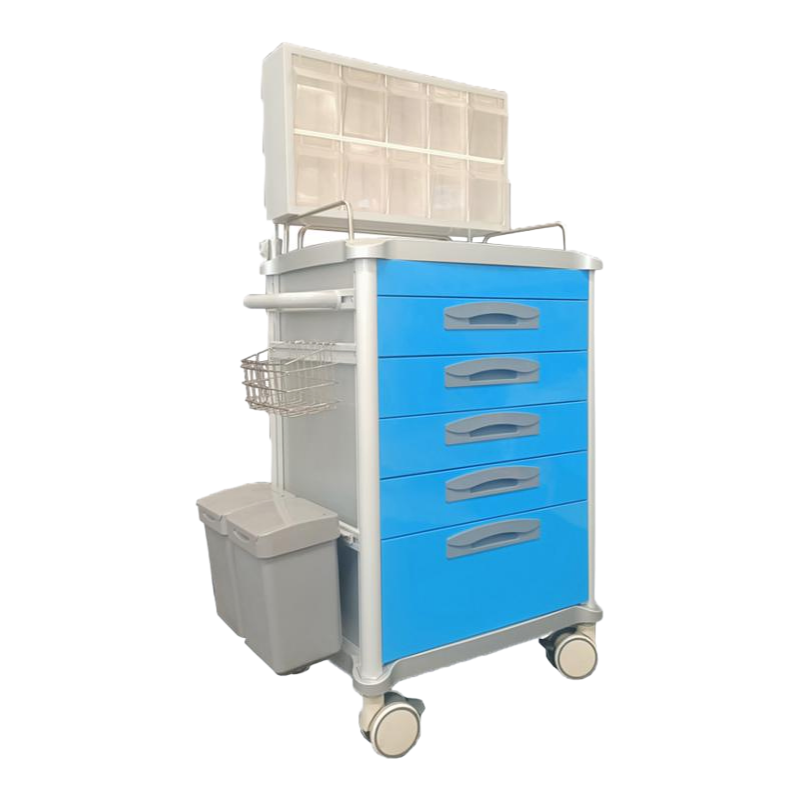
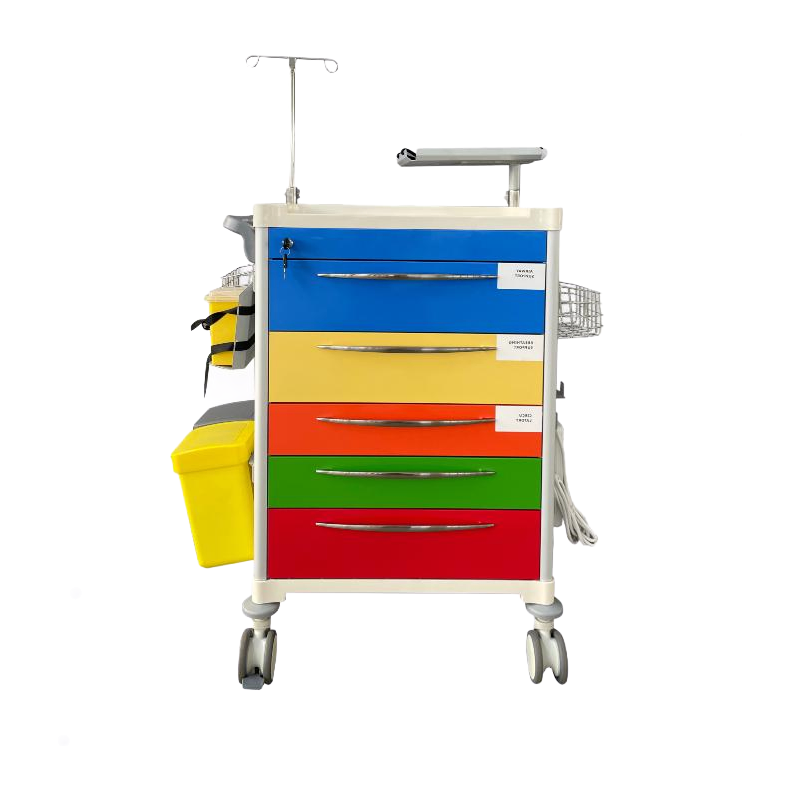
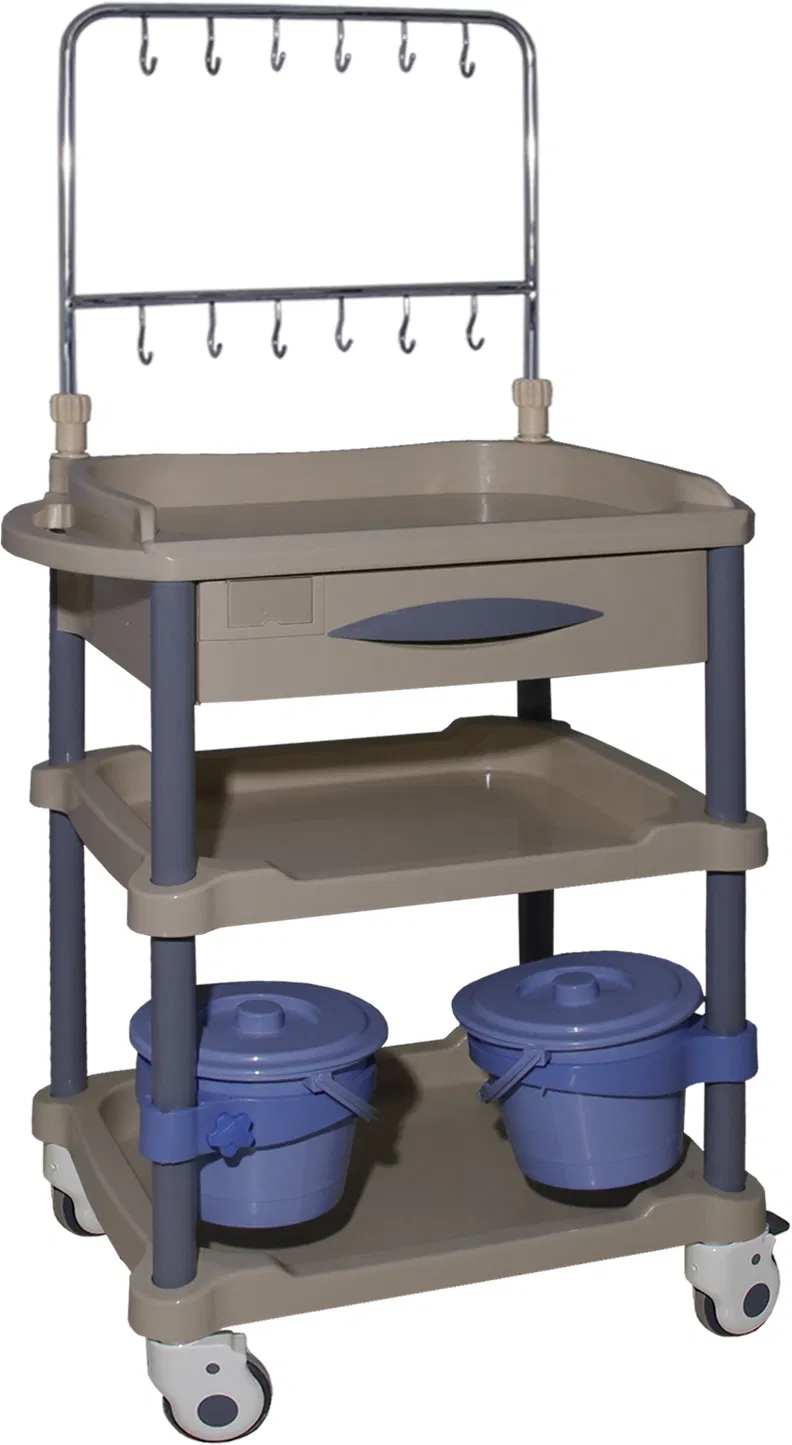
We're seeing most buyers go with the 10-hook IV pole configuration even though the tray itself handles 100KG total load, since the drawers each take 25KG—that's usually enough for a full shift's worth of supplies without overloading the castors. The soft-close mechanism on those zinc-coated steel drawers is actually pretty satisfying to use; it doesn't slam shut even when you're rushing between rooms. You'll notice the ABS work surface has a molded rim around the edge, which stops small vials or syringes from rolling off, and that's a detail you don't always think to ask about until you've lost something expensive on the floor.
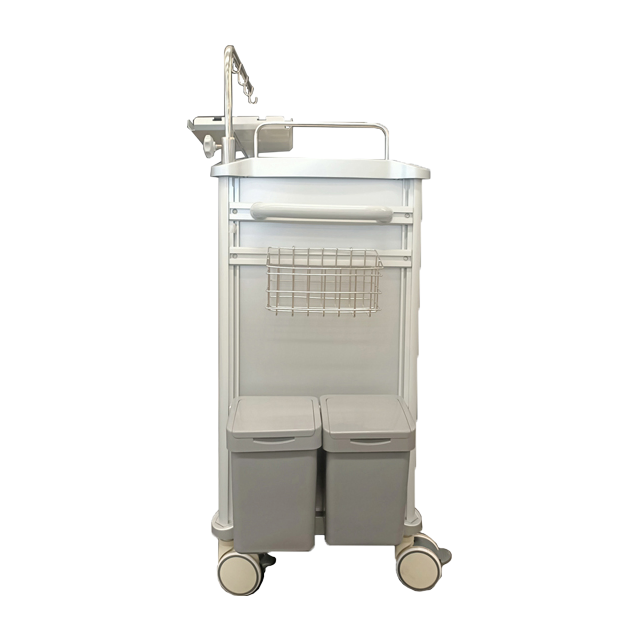
The wheels are 100mm with two braked castors, but honestly if you're working in a tight ICU bay you might want to check whether the lock engages firmly enough for your flooring type—some epoxy surfaces can make them slip slightly. Anyway, the waste bins and needle box come standdard, and the extension table is useful for setting up a temporary prep area.
It's not designed for heavy-duty crash cart use though; the 100KG limit is fine for routine medication rounds but don't load it with multiple fluid pumps and a defibrillator, because the aluminum alloy frame—while strong—has a different flex profile than steel. Also, the PC dividers in drawers are detachable, so you can reconfigure them for different vial sizes, which is handy when you're switching between adult and pediatric stock.
Custom color options are available, but lead time on those is usually 3-4 weeks or so, while standard white or light gray ships within about 10 days. Teh ABS surface cleans up well with typical hospital wipes, and the electrophoresis coating means the alumnum won't show that white powdery corrosion you sometimes see on cheaper frames after a year or two of daily use.
The trolley holds up to 100KG total, with each of the four drawers rated for 25KG. So you can load them evenly or max out a single drawer if needed.
Yes, it comes with four 100mm castors, and two of them have brakes to keep the trolley steady when parked.
Absolutely, colors are customizable. Lead time for custom colors is typically around 30 days, depending on the order volume.
We provide ISO 13485 certification, CE marking, and a material compliance report for the ABS, aluminum alloy, and zinc components. Just request these with your order.
MOQ is 10 units. Each trolley is packed in a foam-lined cardboard box with protective film on the ABS surfaces to prevent scratches during transit.
Rapid shipping and secure packaging were the first things I noticed. The delivery was prompt, arriving ahead of the estimated schedule, which was a pleasant surprise. The item was very well-protected, with no signs of damage during transit. The build quality feels solid and durable, exactly as described. The materials seem robust and suitable for a medical environment. Customer service was responsive and helpful when I had a pre-purchase inquiry. Overall, a very satisfactory experience from order to delivery.
Prompt delivery and excellent packaging. The trolley arrived ahead of schedule, which was a pleasant surprise. The build quality feels very solid and durable, exactly as described. The ABS surface is smooth and easy to clean, while the aluminum alloy frame provides great stability without being too heavy. Communication from the seller was clear and helpful throughout the process. Overall, a very satisfactory purchase experience from start to finish. The product seems perfectly suited for its intended medical environment. Packaging was secure, preventing any damage during transit. I am impressed with the attention to detail in both the product and the service provided. Would certainly consider this supplier for future needs. The entire transaction was seamless and professional.
Yikes, the shipping was incredibly fast! I was pleasantly surprised when the trolley arrived well ahead of the estimated delivery date. The courier service was professional, and the packaging was robust, ensuring the item was perfectly secure upon arrival. Regarding quality, it feels exceptionally sturdy and well-made. The ABS surface has a smooth, clean finish that looks easy to maintain, and the aluminum alloy frame appears very durable, exactly as described for medical environments. The wheels roll smoothly and quietly, which is crucial. As for service, the communication from the seller was prompt and helpful throughout the process, answering my pre-purchase questions clearly. Overall, a very positive experience from order to delivery. The product seems to meet high standards for healthcare utility, and the entire transaction was handled efficiently and professionally. I would certainly consider purchasing from this seller again for similar medical equipment needs. The attention to detail in both the product construction and the customer service aspect is commendable. It’s reassuring to find a reliable supplier for such important utility items.
Prompt delivery and the packaging was very secure. The trolley arrived in perfect condition with no damage whatsoever. The build quality feels excellent and sturdy, just as described. The ABS surface is smooth and easy to clean, and the aluminum frame is very lightweight yet strong. Customer service was responsive when I had a question about the delivery window. A very satisfactory purchase for our clinic.
Outstanding experience with this purchase! The delivery was incredibly fast and efficient, arriving well ahead of schedule without any delays. Packaging was secure and ensured the product arrived in perfect condition. Regarding quality, the materials feel robust and durable, with a solid construction that inspires confidence for long-term use. The service provided by the seller was exceptional; they were responsive, answered all my queries promptly, and handled everything professionally. Overall, a very satisfying transaction that I would highly recommend to others.
Zippy delivery impressed me greatly; the item arrived much sooner than anticipated, which was a pleasant surprise. Zero issues with the packaging—everything was secure and intact upon arrival. Zestful customer support team provided quick and helpful responses to my inquiries, making the entire process smooth. Zonal shipping updates kept me informed every step of the way, eliminating any guesswork. Zealous attention to detail in the product's construction is evident, as it feels sturdy and well-made without any visible defects. Zenith of professionalism in their service approach, from order placement to post-delivery follow-ups, ensured a hassle-free experience. Zany as it might sound, I'd happily recommend this for anyone seeking reliable medical equipment, thanks to the overall excellence in logistics and support.
Logistics were impressively fast and reliable, with the trolley arriving well-packaged and ahead of schedule. The quality is outstanding, featuring a sturdy build and smooth finish that exceeds expectations for medical environments. Service was exceptional, with prompt responses and helpful support throughout the process, making it a hassle-free experience overall.
Prompt delivery and excellent packaging ensured the trolley arrived in perfect condition. The build quality feels robust and durable, suitable for hospital environments. Customer service was responsive and helpful throughout the process, addressing my queries quickly. Overall, a reliable purchase experience.
Outstanding delivery service for this hospital infusion trolley; it arrived much faster than anticipated, which was a pleasant surprise. The packaging was secure and ensured the item was well-protected during transit. Regarding quality, the ABS surface and aluminum alloy frame feel incredibly durable and sturdy, promising long-term reliability in a medical setting. The finish is smooth and professional, adding to its overall appeal. Customer service was exceptional, with prompt and helpful responses to my inquiries, making the entire purchasing process smooth and hassle-free. Overall, a highly satisfactory experience that I would recommend to others in the healthcare field.
Highly satisfied with the delivery speed; it arrived much faster than expected. Handling was careful, and the packaging was secure, ensuring no damage during transit. The build quality is impressive, with sturdy materials that feel durable and reliable for medical settings. Customer service was responsive and helpful, addressing all my queries promptly. Overall, a great experience from start to finish.