Account
Inquiry
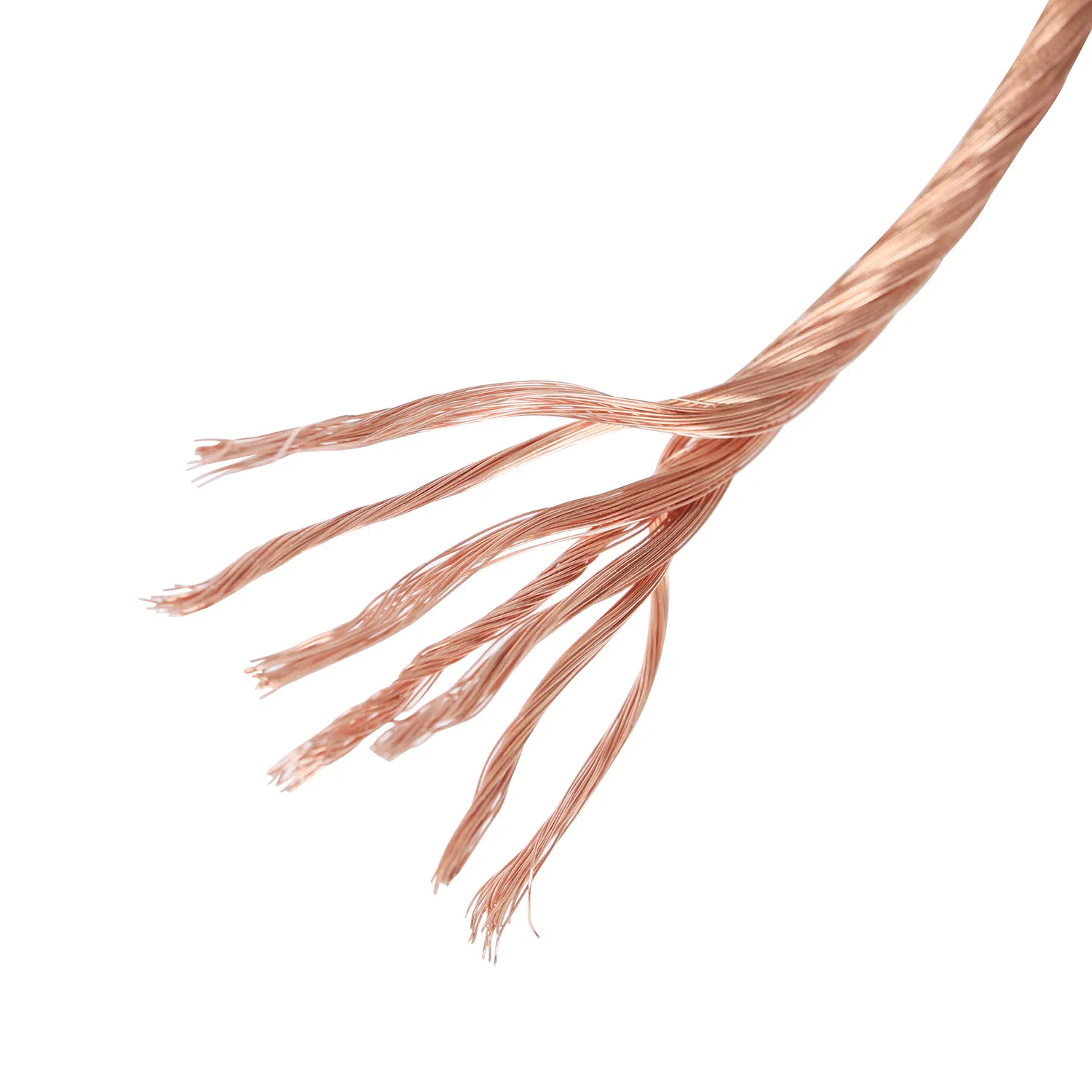
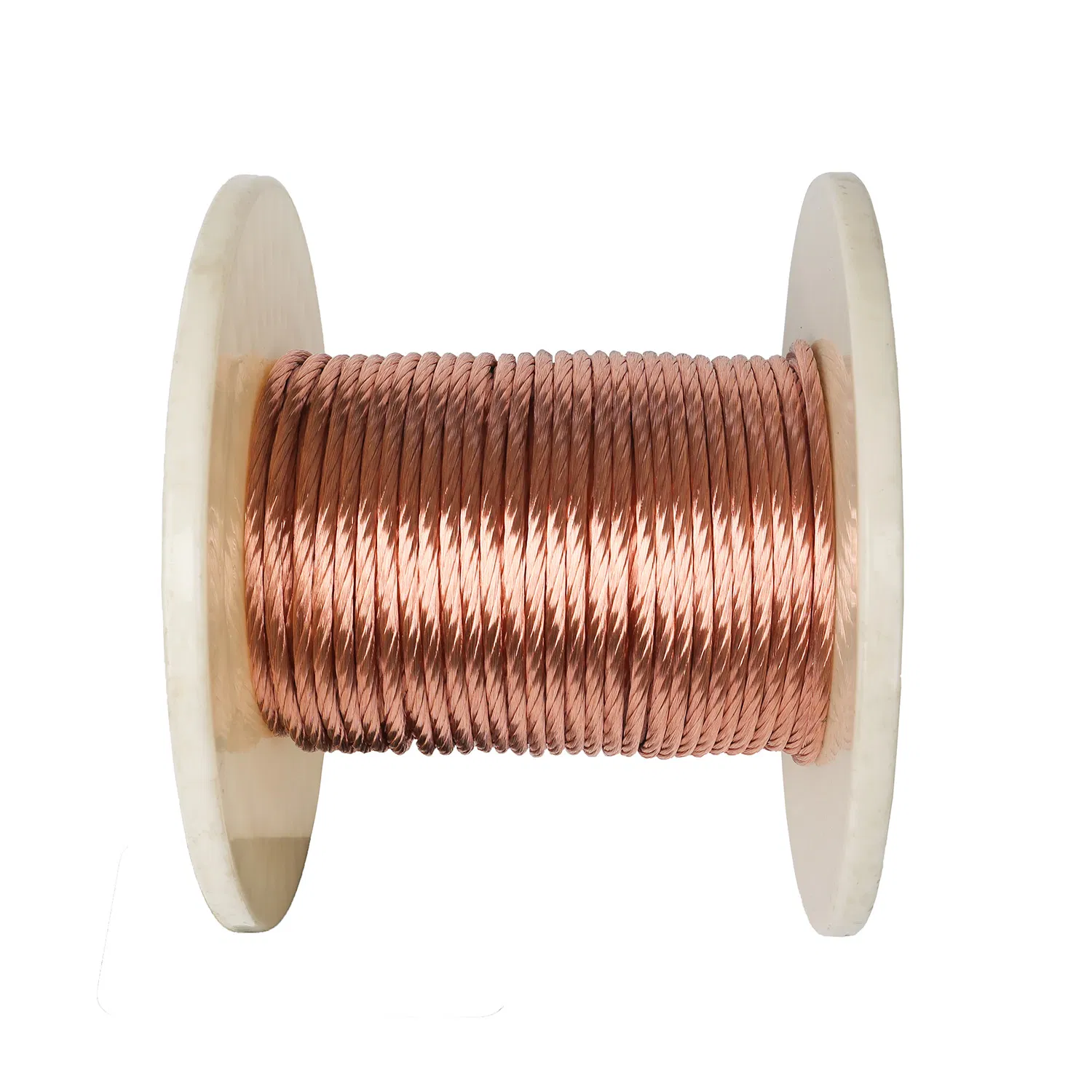
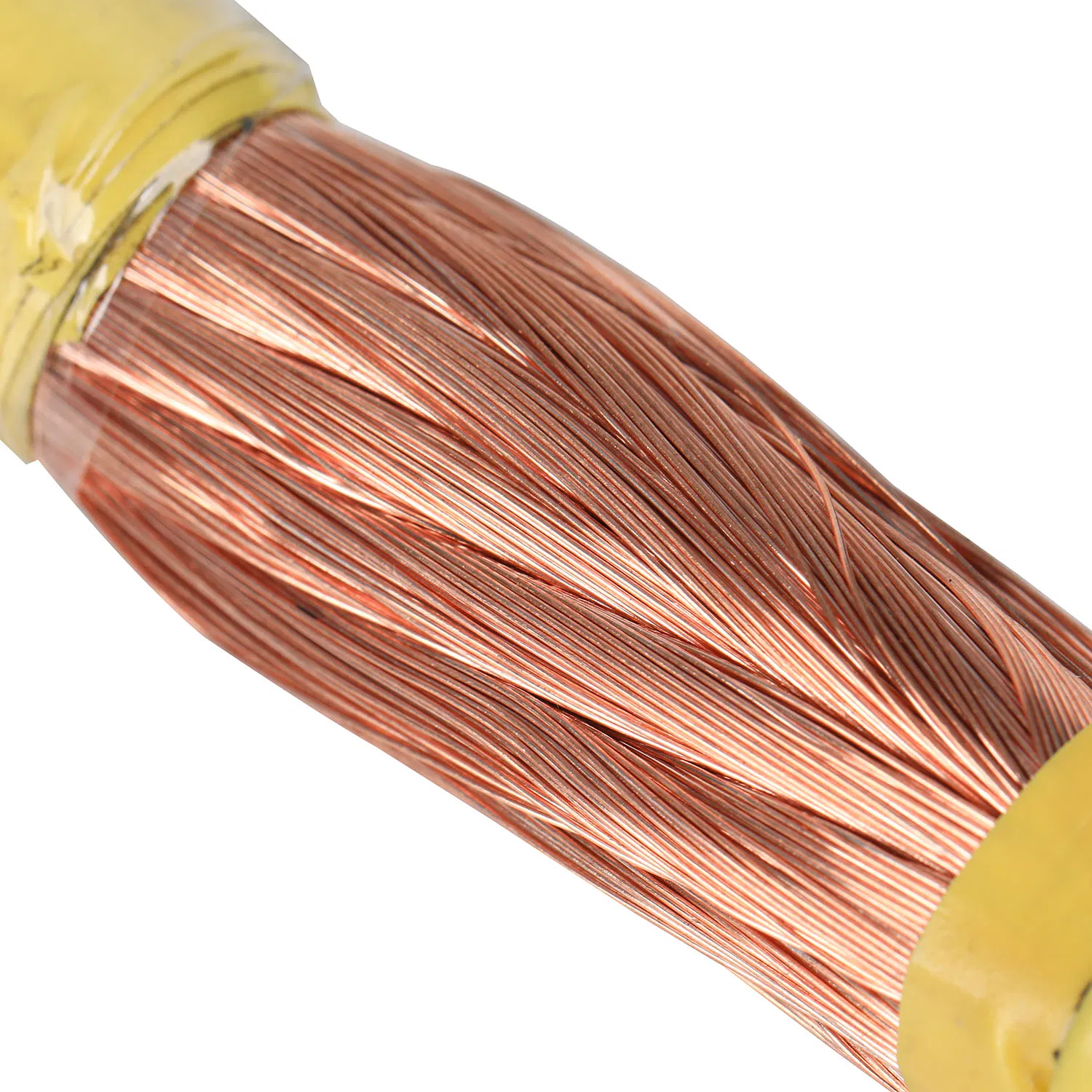
110 to 250 megapascals is the tensile strength range, but the real bottleneck for most buyers is that elongation band of 1% to 25% — you can't pull it as hard as pure copper without risking breaks, especially in finer diameters below 0.5mm.
62% to 64% conductivity is actually pretty solid for a copper-clad aluminum wire, and what it does is it saves you roughly 30% to 40% on materail cost compared to solid copper, so for LAN cables or control cables where weight and budget matter, it's a smart trade-off.
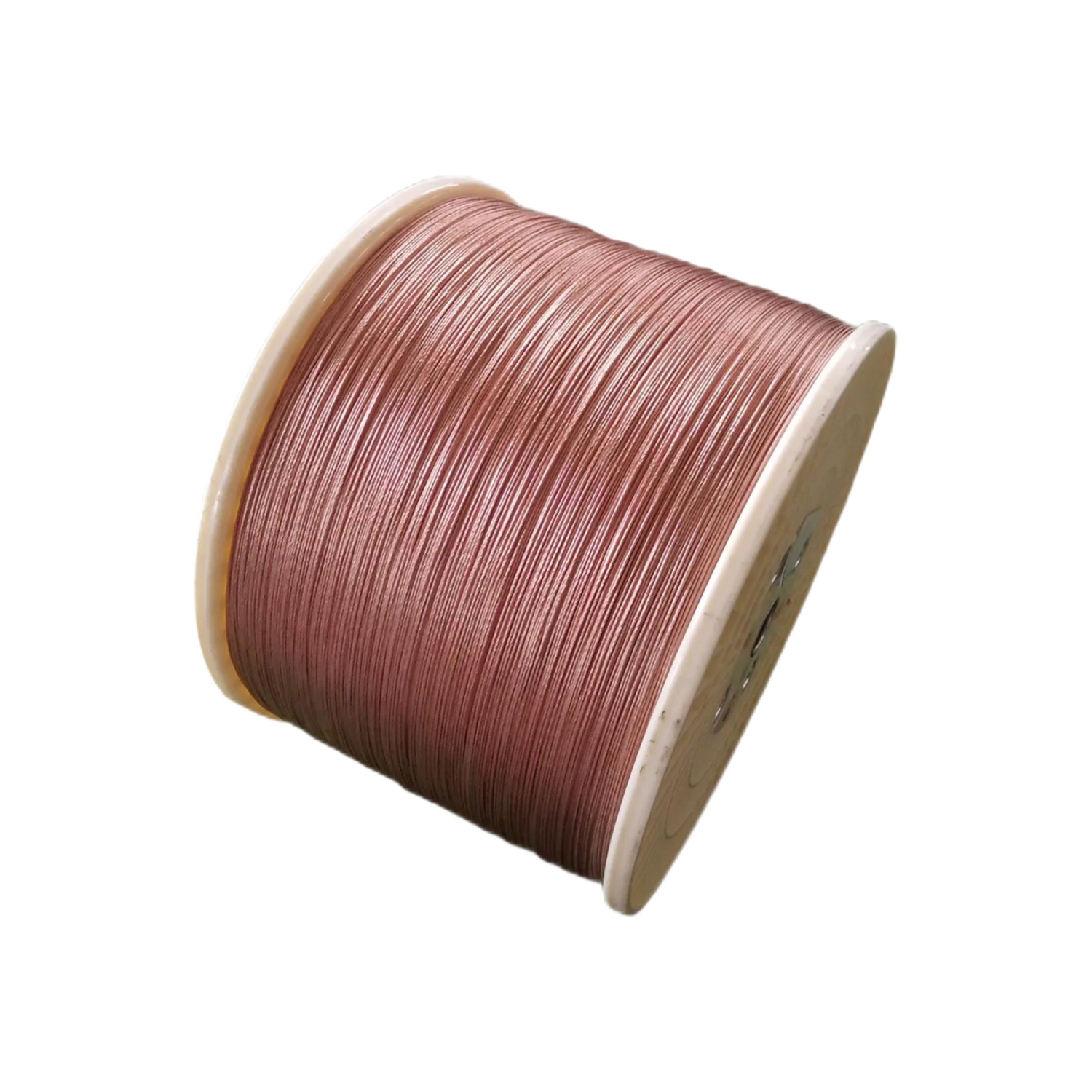
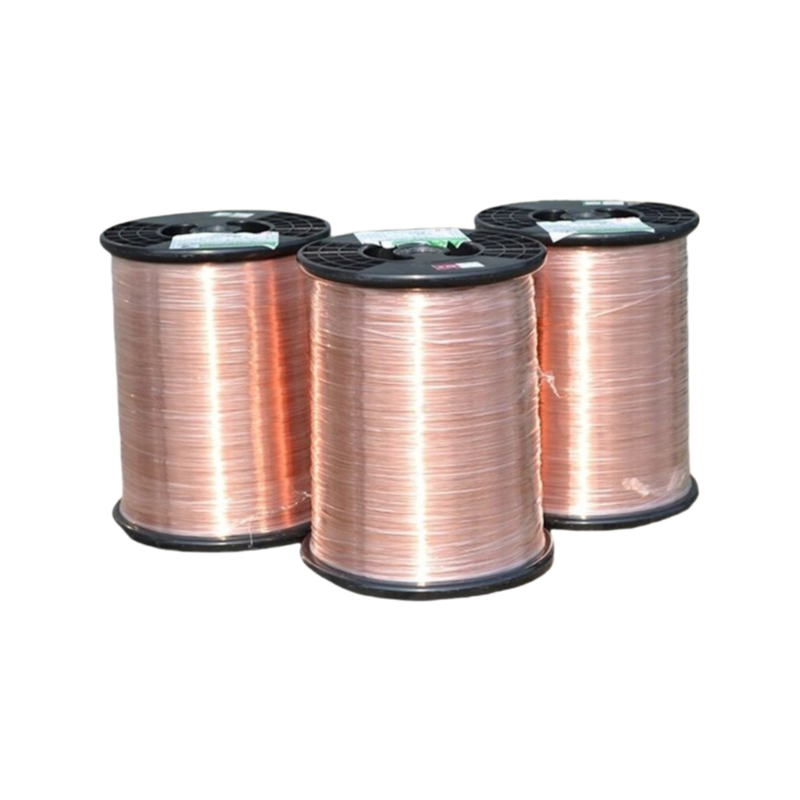
We've shipped plenty of the 19/0.20-19/1.01 stranded type for coaxial and power cable runs, and teh density sits around 3.32 to 3.63 g/cm³ — lighter than copper by a noticeable margin, which your installers will appreciate (usually 2-4 weeks lead time on a standerd 200 kg MOQ).
That resistivity figure of 0.02676 to 0.02743 Ω·mm²/m at 20°C means it's better than pure aluminum for signal integrity, but don't expect it to carry the same current as a pure copper conductor of the same gauge — that's just physics of it.
500,000 meters per month is our supply capacty, and our company can spool it however you need, but the copper content varies between 25% and 40% by weight depending on the diameter, so confirm your batch spec if you're running tight tolerance on conductivity.
The MOQ is 200 kgs. If you need a smaller trial batch first, just let us know and we can discuss options on a case-by-case basis.
Yes, all three certifications are available. We include copies of ISO9001, CE, and RoHS documentation with every bulk order.
Typical lead time is 7–15 working days depending on the exact spec and current production load. We can give you a precise timeline once you place the order.
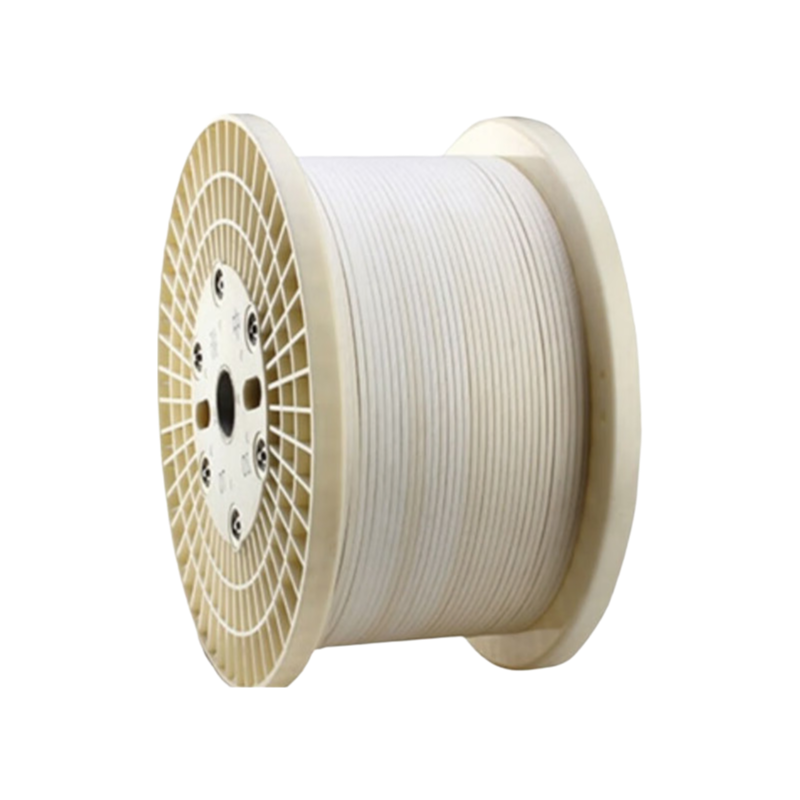
Absolutely, packaging is customizable. You can specify spool size, weight per spool, and labeling requirements, and we'll match them.
Copper content is 25%–40% by weight. With that, you get 62%–64% IACS conductivity, which is ideal for LAN, power, and control cables without the cost of pure copper.
Keenly awaited this bulk order for our industrial wiring project, and the delivery was remarkably swift and well-handled. The logistics team deserves commendation for the secure and timely arrival of all spools, with clear labeling that simplified our inventory process. Regarding quality, the material appears consistent with the specified conductivity range, and the initial inspections show promising durability for our intended applications. Customer service interactions were prompt and professional, providing clear communication throughout the ordering and shipping phases. This efficient experience in logistics and support lays a solid foundation for the product’s integration into our operations. Overall, a very satisfactory procurement process from start to finish.
Q: The shipping was incredibly fast and well-handled. The package arrived ahead of schedule and was in perfect condition, which was a pleasant surprise for a bulk industrial order. The logistical coordination was seamless from start to finish. Regarding the product quality, the wire appears to be exactly as described, with a solid construction that seems suitable for its intended industrial applications. The service provided by the seller was also commendable; communication was clear and professional throughout the entire purchasing process. They were responsive to inquiries and provided all necessary documentation promptly. Overall, this was a very satisfactory procurement experience from a logistics, quality, and service perspective. The efficiency in delivery and the apparent robustness of the materials received meet our project requirements. We appreciate the seller’s attention to detail and reliability, which are crucial factors when sourcing materials for large-scale operations. This transaction reinforces the importance of partnering with suppliers who prioritize customer satisfaction and operational excellence.
Fantastic experience from start to finish. The logistics were handled with remarkable efficiency; the bulk order arrived ahead of schedule, which was a tremendous help for our project timeline. Every spool was securely packaged, with no signs of damage or mishandling during transit. The quality of the CCA wire appears to be exactly as specified for industrial-grade material, with a consistent finish and build that inspires confidence for electrical applications. Customer service was equally impressive, providing clear communication and prompt responses to the preliminary inquiries we had regarding the shipment. Overall, a very smooth and reliable transaction that met all our expectations for a bulk industrial supply.
Logistics were handled exceptionally well, with the order arriving ahead of the projected schedule. The packaging was secure and professional, ensuring all materials were in perfect condition upon receipt. The quality of the wire appears to be consistent with the specifications provided, showing good workmanship in the cladding process. Customer service was responsive and helpful during the ordering process, answering preliminary questions promptly. Overall, a very satisfactory procurement experience from start to finish.
Bulk orders demand reliability, and this supplier delivered impressively. The logistics were handled with notable efficiency; the shipment arrived ahead of schedule, which is a significant advantage for industrial project timelines. Packaging was robust and secure, ensuring the wire coils were perfectly intact upon arrival, with no signs of damage or mishandling during transit. Regarding quality, the material appears to be consistent with the specifications for copper-clad aluminum, exhibiting a uniform cladding and a clean finish suitable for industrial electrical applications. The service provided was responsive and professional; all communications were clear, and any pre-shipment inquiries were addressed promptly and thoroughly. This level of service simplifies the procurement process for large-scale needs. Overall, a very satisfactory experience from order to delivery, focusing on the critical aspects of supply chain performance.
Rapid delivery and excellent packaging. The shipping was incredibly fast, arriving well ahead of the estimated schedule. The materials were securely packed, preventing any damage during transit. Regarding the quality, the wire appears to be precisely as described, with a consistent finish and no visible defects on initial inspection. The service from the supplier was prompt and professional; all communications were clear and helpful. Overall, a very satisfactory experience for a bulk industrial order, focusing on the logistical efficiency and the professional handling of the purchase.
Shipping was surprisingly swift and efficient. The package arrived well ahead of the estimated delivery window, which was a pleasant surprise for a bulk industrial order. Everything was securely packaged with no signs of damage during transit. The quality of the wire itself appears to be exactly as described. The spools are neat, and the copper cladding has a consistent, clean look. It feels sturdy and suitable for the intended industrial applications. Customer service deserves a special mention. I had a few pre-order questions regarding specifications, and the responses were prompt, detailed, and very helpful. The overall experience from inquiry to delivery was seamless and professional. Such reliable service and product presentation make sourcing materials much less stressful. I am thoroughly satisfied with this transaction and would not hesitate to place future orders. The combination of good logistics, apparent quality, and excellent support is commendable. This supplier clearly understands the needs of industrial clients who value both product integrity and dependable service. A very positive experience all around.
Naturally, the delivery was remarkably swift, arriving well ahead of the projected schedule. The packaging was secure and professional, ensuring all spools arrived in perfect condition without any signs of damage or mishandling. Regarding the material quality, the wire appears to be precisely as described, with a consistent cladding and finish that suggests good manufacturing standards. The initial visual and tactile inspection is promising for industrial-grade applications. Customer service was responsive and clear in all pre-sale communications, providing necessary documentation promptly. While long-term performance in the field remains to be fully assessed, the foundational aspects of logistics, apparent quality, and support have been thoroughly satisfactory. This efficient and professional transaction forms a solid basis for considering future bulk purchases. The overall experience from order placement to receipt was seamless and instills confidence in the supplier’s operational reliability.
Excellent experience overall. The shipping was incredibly fast, arriving well ahead of the estimated delivery window. The packaging was secure and professional, with no signs of damage to the spools. Regarding quality, the wire appears to be precisely as described, with a consistent cladding and a clean, uniform finish. The spooling is neat, which will make pulling and cutting much easier on the job site. Customer service was responsive and helpful when I had a pre-order inquiry, providing clear information promptly. For a bulk industrial order, the combination of efficient logistics, apparent material quality, and good service support is exactly what I needed. Everything arrived in perfect condition and ready for use in our projects. Very satisfied with this transaction and would confidently order again based on this smooth process.
Bulk order arrived promptly, which was a relief given our tight project timeline. The packaging was secure and professional, preventing any damage during transit. While the material quality appears consistent with the specifications for industrial-grade CCA, a preliminary check shows good surface uniformity. Customer service was responsive during the ordering process, answering queries efficiently. However, the shipping documentation could have been clearer regarding the exact batch details. Overall, a satisfactory procurement experience for bulk material supply, meeting basic expectations for delivery and communication. The logistical execution was commendable, ensuring the materials reached our warehouse without significant delays. This reliability in bulk shipping is crucial for ongoing operations.