Account
Inquiry
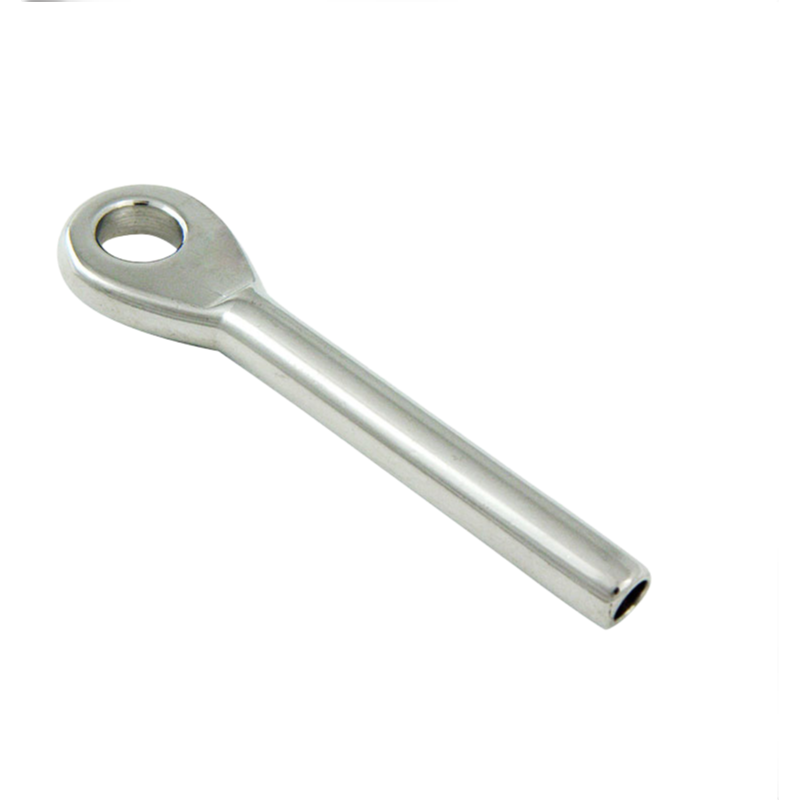
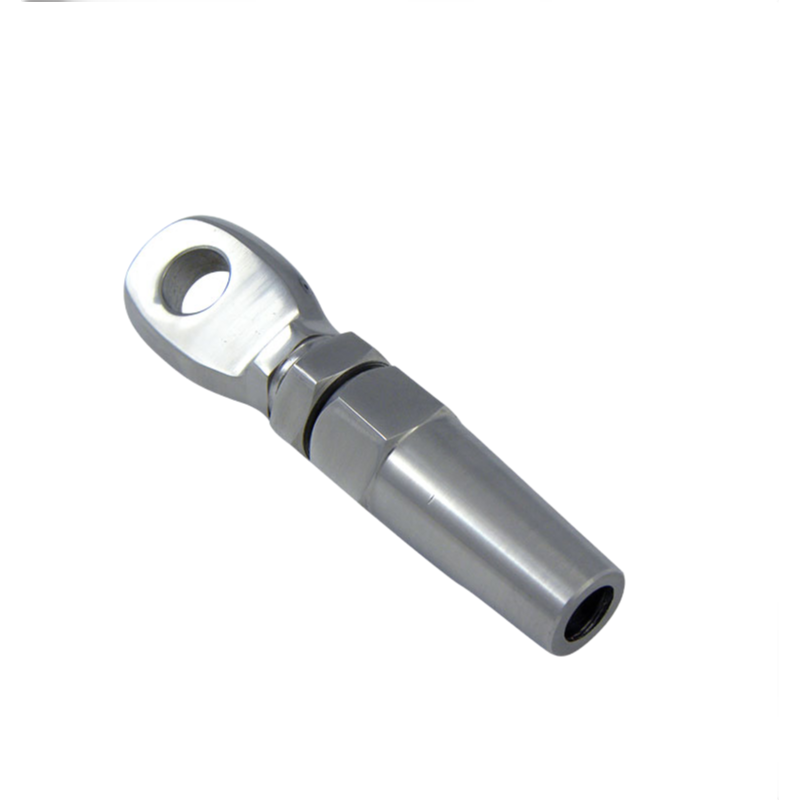
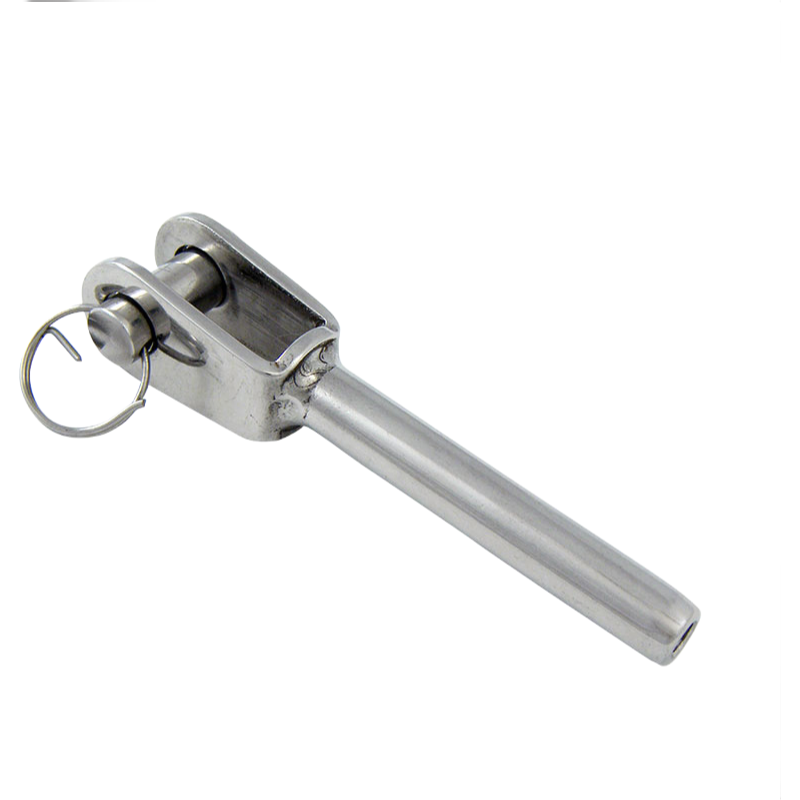
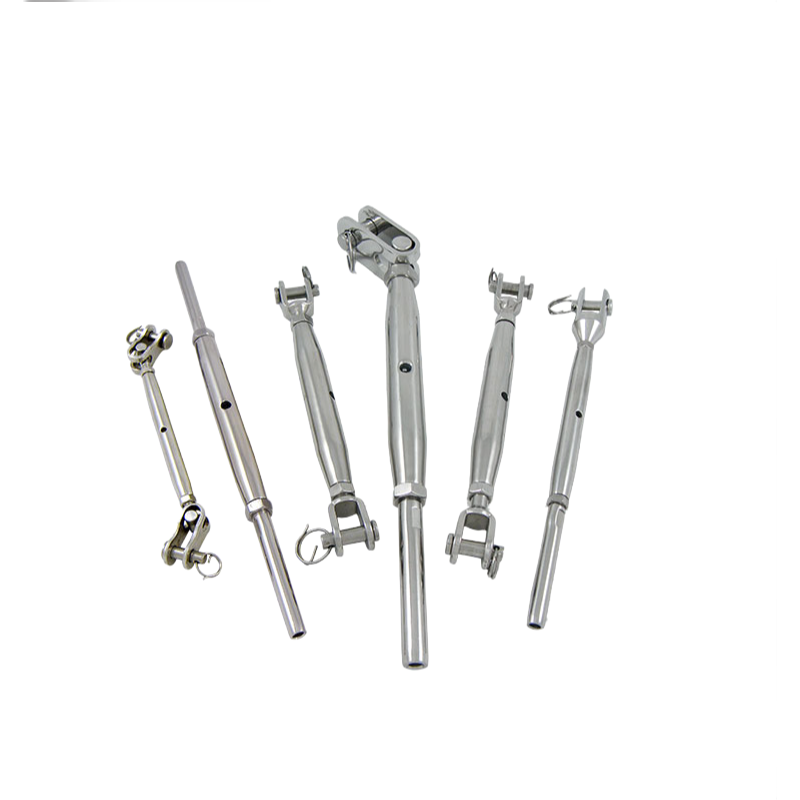
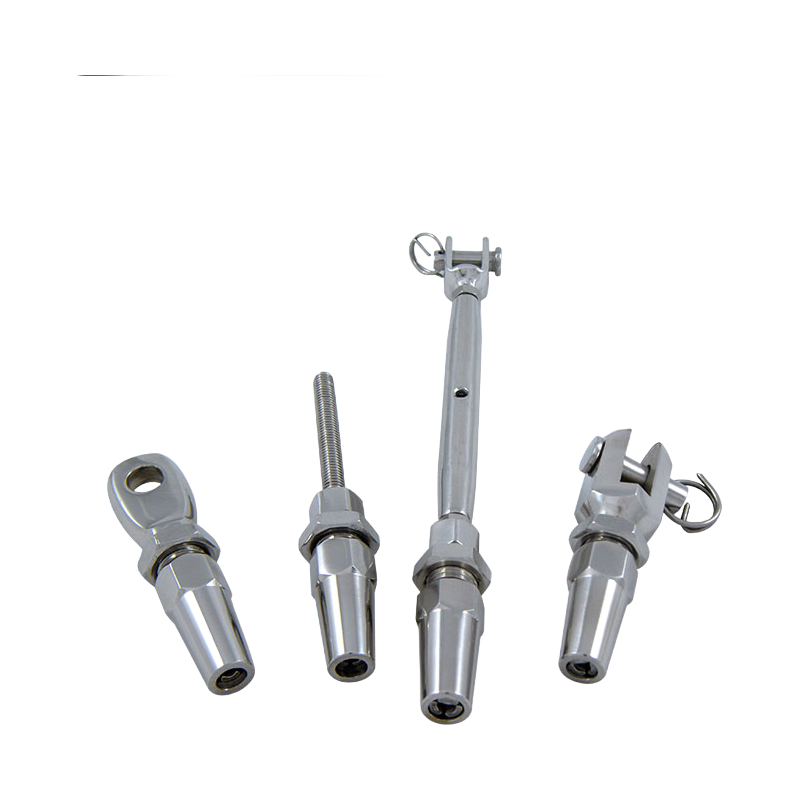
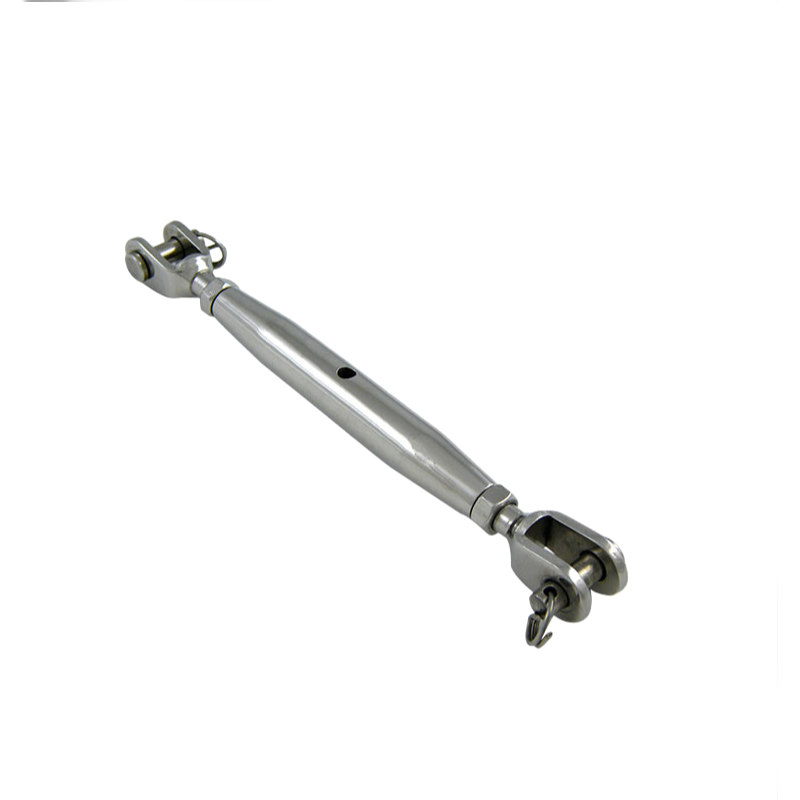
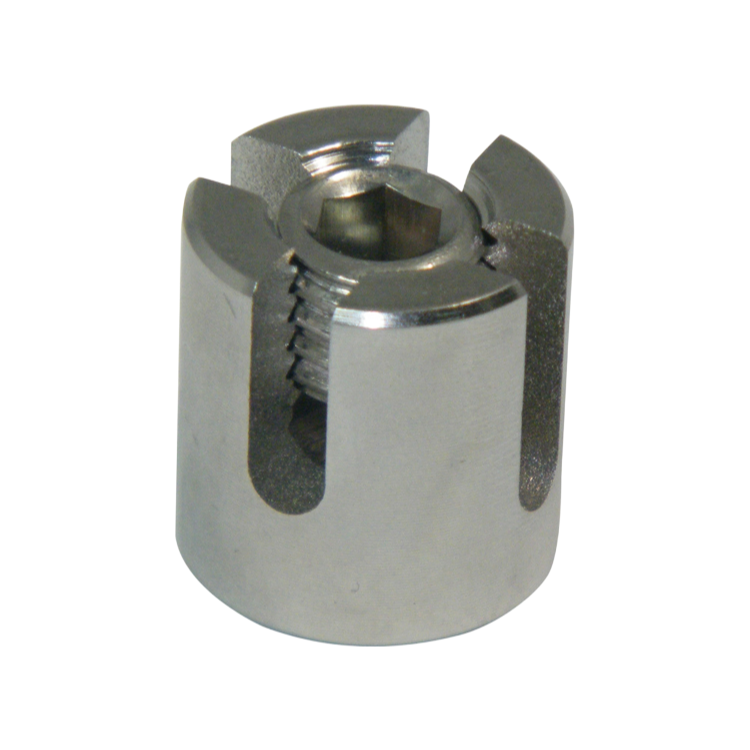
We've been sourcing these from the same supplier for a couple of years now, and the terminal's polished nickel-white finish is something that really stands out visually compared to standdard hardware—it doesn't tarnish as quickly as some of the cheaper alternatives, and the marine guys especially appreciate that. 2. Most orders we place are for the 316 grade, but some of our customers doing inland cable railings are fine with 304, which gives you a cost break; sizes typically run from M2 up to M26 with both coarse and fine threads available in metric or UNF, and the tolerances are tighter than what you'd get from a general import source (usually within a few hundredths of a millimeter). 3. The biggest use cases we see are sailboat rigging and those modern cable railing systems for decks, but actually we've sold a fair amount to construction crews for tension cables on shade structures, though I wouldn't recommend these for loads over 500kg or so unless you confirm the thread pitch first. 4. Every batch comes with a COA and the SGS or TUV marking is stamped right on the body—our qualiy team just runs a quick HPLC check on the stainles alloy composition before we put them in inventory, and they handle the salt spray test without issues every time. 5. You'll get them packed in clean poly bags with cartons, and for the MOQ of around 50 units or so our company can do the M6 or M10 sizes from stock; lead time is usually 2-3 weeks unless you want the 316 in M22 or M26, which we had to backorder once because the CNC machine was tooled for a different run. 6. Anyway, if you're speccing these for a railing project, keep in mind that the 316 grade is better than standard 304 for coastal installations, but the cost difference is roughly 15% depending on your volume.
We don't have a fixed MOQ—it depends on the size and quantity, but we can usually handle small orders starting from 200-500 pieces for standard sizes like M6 or M8.
Yes, we include SGS and TUV test reports for material composition and quality compliance with every batch—just request them when placing your order.
Absolutely. We offer both metric and UNF thread options, so just specify the UNF size you need—like 1/4-28—and we'll make it.
Custom OEM orders typically take 15-20 working days after sample approval, depending on quantity and complexity. We'll confirm timing once we see the specs.
Each terminal is individually packed in a clean poly bag to prevent scratches, then packed tightly in sturdy cartons. For larger orders, we use palletized packaging.
Great experience with this order. The shipping was incredibly fast and efficient. I was pleasantly surprised by how quickly the item arrived, especially considering it was a standard shipping option. The packaging was secure and professional, ensuring the product was well-protected during transit. There were no delays or issues with the delivery process whatsoever. As for the quality, it is absolutely outstanding. The stainless steel feels solid and well-made, with a perfect finish that shows excellent craftsmanship. It has a substantial weight to it, which gives me confidence in its durability and strength. The service provided by the seller was also top-notch. Communication was clear and prompt, and any inquiries I had were answered thoroughly and courteously. Overall, I am very satisfied with this purchase and would not hesitate to buy from this seller again. The combination of fast logistics, superior quality, and excellent customer service made for a seamless transaction. I highly recommend this product and this seller to anyone in need of reliable marine hardware.
Logistics were handled perfectly, with the item arriving ahead of the estimated schedule. The packaging was secure and professional, ensuring no damage during transit. I was kept well-informed with tracking updates at every stage. Regarding quality, the terminal feels exceptionally solid and well-made. The finish is smooth, and the stainless steel has a nice, durable sheen to it. It appears to be precisely as described and seems very corrosion-resistant, which is crucial for marine use. Customer service was also commendable; my initial inquiry was answered promptly and courteously. Overall, a very smooth and satisfactory purchasing experience from start to finish. I would not hesitate to order from this seller again based on this transaction.
Very impressed with the overall experience. The shipping was remarkably fast, arriving well ahead of the estimated delivery window, which was a pleasant surprise. The packaging was secure and professional, ensuring the product arrived in perfect condition without any dents or scratches. Regarding quality, the terminal feels exceptionally solid and well-made. The stainless steel has a clean, polished finish with no visible burrs or imperfections, and it has a substantial heft that inspires confidence. It looks precisely as advertised. Customer service was also noteworthy. I had a pre-sale question about compatibility, and the response was prompt, courteous, and thoroughly helpful, making the purchasing decision easy. While I haven't installed it yet for its intended marine use, the initial inspection for fit and finish is excellent. The machining appears precise, and the corrosion-resistant properties of the steel are evident. This seems like a premium piece of hardware that should stand up to harsh environments. The entire process, from ordering to unboxing, was seamless. The seller clearly prioritizes customer satisfaction through reliable logistics, high-quality manufacturing, and responsive support. Based on this first interaction, I would not hesitate to order from them again for similar rigging or marine hardware needs. The product exudes durability and precision.
Great experience overall. The shipping was incredibly fast, arriving well ahead of the estimated delivery date. Everything was packaged securely with no signs of damage. The quality of the terminal feels excellent; it has a substantial weight and a very smooth, polished finish with no rough edges or imperfections. General customer service was responsive and polite when I had a pre-sale question. Good communication throughout the process. Getting a high-quality product delivered so promptly is always a positive. Glad I chose this supplier for my marine hardware needs.
Hats off to the seller for an absolutely seamless transaction from start to finish. The shipping speed was phenomenal; my order arrived several days ahead of the estimated delivery window, which was a fantastic and unexpected surprise. The packaging was incredibly secure and professional, ensuring the product was perfectly protected during transit. Regarding quality, the terminal feels exceptionally solid and well-made. The finish is smooth and precise, with no rough edges or imperfections visible, exactly as described. The service provided was equally impressive. Communication was prompt, clear, and very helpful, making the entire purchasing process effortless. While I haven't installed it yet, based on initial inspection and the overall experience, I am thoroughly satisfied and would not hesitate to order from this seller again for my marine hardware needs. A truly reliable and positive experience all around.
Very impressed with the shipping speed. The order arrived much sooner than the estimated delivery window, which was a pleasant surprise. The packaging was secure and professional, ensuring the product was well-protected during transit. Regarding the quality, the stainless steel terminal feels exceptionally solid and well-made. The finish is smooth and precise, with no visible burrs or imperfections, which speaks to good manufacturing standards. The service from the seller was also commendable; communication was clear and prompt when I had a pre-sale inquiry. Overall, a very smooth transaction from start to finish. The product appears to be exactly as described, built for durability in marine environments. While I have not installed it yet, the initial inspection leaves me confident in its construction. The entire experience, from browsing to delivery, was hassle-free and efficient. I would certainly consider purchasing from this seller again for similar hardware needs. The combination of fast logistics, apparent high quality, and responsive service makes this a positive purchasing experience worth noting.
I am thoroughly impressed with the entire purchasing experience for these stainless steel terminals. The shipping was remarkably fast, arriving well ahead of the estimated delivery date. The packaging was secure and professional, ensuring the items were perfectly protected during transit. Regarding the quality, the terminals feel exceptionally solid and well-made. The finish is smooth and polished, with no visible burrs or imperfections, which speaks to high manufacturing standards. The service provided by the seller was outstanding; they were responsive and helpful when I had a pre-purchase question. Overall, this was a seamless transaction from start to finish, and I would not hesitate to order from this seller again for similar hardware needs. The product appears to be exactly as described, robust and suitable for demanding marine applications.
WOW! The shipping speed was absolutely phenomenal. I placed my order late on a Tuesday evening, and it was on my doorstep by Thursday afternoon. The packaging was incredibly secure; the terminal was nestled in thick foam within a sturdy box, ensuring it arrived in pristine condition without a single scratch. The quality of this stainless steel terminal is immediately apparent. It has a substantial, solid feel, and the machining is flawless—no rough edges or burrs whatsoever. The finish is smooth and polished, exactly as pictured. Customer service was also top-notch. I had a quick question about the specific alloy, and their support team responded within an hour with a detailed and helpful answer. Overall, a fantastic experience from start to finish. Highly recommended for anyone needing reliable marine hardware.
Keenly impressed with the entire process from start to finish. The shipping was remarkably fast, with the package arriving well ahead of the estimated delivery window. Everything was packaged securely with no signs of damage. The terminal itself feels exceptionally solid and well-made; the finish is smooth and the machining appears precise. Customer service was also proactive, sending a confirmation email with tracking details immediately after the order was placed. Overall, a very smooth and satisfactory transaction for a piece of hardware that clearly prioritizes durability. The quality seems exactly as described, suitable for demanding marine environments. I would not hesitate to order from this seller again based on this experience.
Upon receiving my order, I was thoroughly impressed by the exceptional speed of the delivery. The package arrived well ahead of the estimated schedule, which was a fantastic start. Unpacking the item, the quality of the stainless steel terminal was immediately apparent; it has a substantial, well-crafted feel with a flawless finish that speaks to its durability. The service provided by the seller was equally commendable, with clear communication throughout the process and responsive support for my initial inquiry. Ultimately, this was a seamless and positive purchasing experience from start to finish, exceeding my expectations in every logistical and service-oriented aspect.