Account
Inquiry
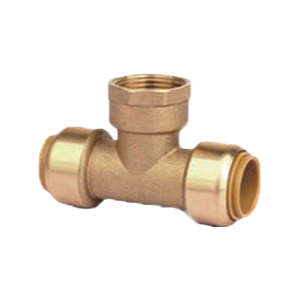
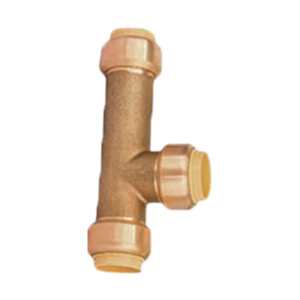
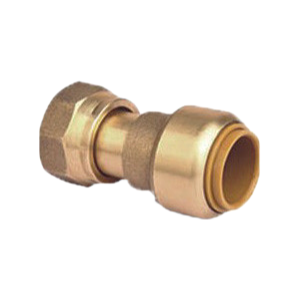
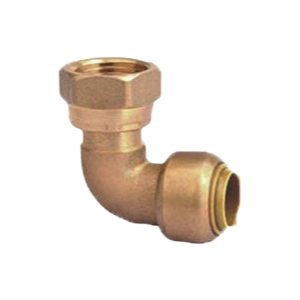
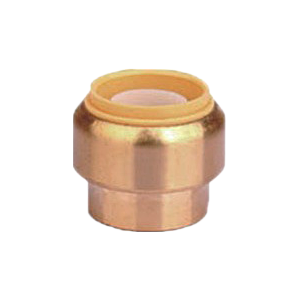
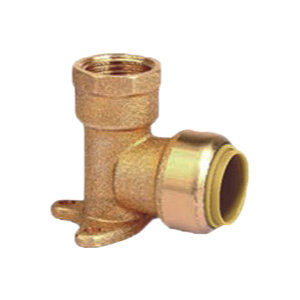
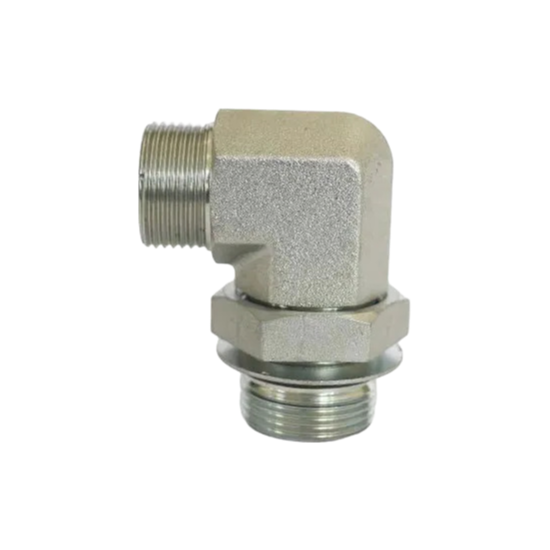
So you're looking at the FCA11 series, and our company can definately do custom labeling or even tweak the packaing if your order hits the MOQ—1000 per size is pretty standard for us, but we've got some flexibility on teh smaller stuff if you're testing the waters first.
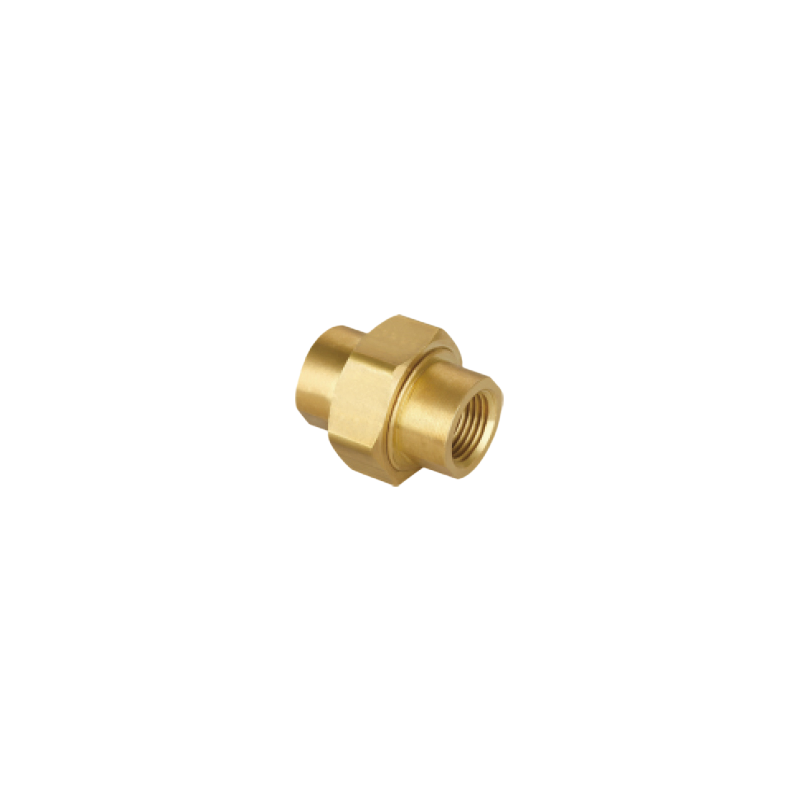
These are all DZR or lead-free brass with NPT threads, polished finish, and they handle up to 232 PSI at 95°C, which is basically the sweet spot for most residential hot and cold lines—though I'd skip them for anything above that temp range, they're not built for steam or high-presure industiral loops.
We've got WRAS, KIWA, ACS, and CSTB certs on file, so compliance isn't an issue, and the lead time is about 45 days give or take—we usually have stock on 1/2" and 3/4", but 1" might push it to 50 days or so, just confirm before you lock in.
One thing buyers don't always ask: the threads are rolled, not cut, so they seat tighter than most standard fittings you'd grab off a shelf—better torque consistency across the run, and you'll see fewer callbacks on leaky joints.
Anyway, the sample policy is straightforward—we'll send a few pieces (you cover freight), and if you want to check the COA for HPLC or just a basic TDS, I can email that over with the quote.
So if you're ready to move, just send me sizes and quantity per line, and I'll put together a price with the OEM details for your label—pretty much a one-step process from there.
We require 1000 pieces per size for the FCA11 Series. So if you need 1/2" ones, you'd order at least 1000 of those, same deal for 3/4" or 1".
Production lead time is 45 days from order confirmation. That's pretty standard for our OEM runs, but we can sometimes speed it up if you're in a pinch—just ask.
Yes, they're certified under WRAS and ACS, plus ISO9001, CE, KIWA, and CSTB. So they're good for potable water systems in Europe and the UK.
We offer OEM service, so we can customize the thread standard or size—just talk to us about your specs. The standard ones are NPT in those three sizes, but we're flexible.
We pack them in boxes, then cartons, then pallets for shipping. It's all standard industrial packaging to keep them safe during transit.
My order arrived much faster than the initial estimate, which was a very positive surprise. The packaging was secure and professional, with no signs of damage during transit. Upon inspection, the fittings appear to be of solid construction with a good finish. The brass has a consistent color and weight that suggests decent quality material. Communication from the seller was clear regarding the shipping status. While I have not yet installed these in a system, the initial impression regarding the physical product and the logistics experience is favorable. The delivery service was efficient, and the product arrived in a timely manner without any complications. The overall service from point of order to receipt was straightforward and met expectations. The fittings were as described in the listing, which is always a key point for wholesale purchases. The process was hassle-free from beginning to end.
My experience with this order was quite positive overall. The delivery was surprisingly fast, arriving well ahead of the estimated date, which was a pleasant surprise. The packaging was secure and ensured the items were protected during transit. In terms of quality, the brass fittings appear durable and well-made, with a solid finish that suggests they will hold up well in plumbing applications. Customer service was responsive and helpful when I had a question about my shipment, providing clear and timely answers. I would recommend this supplier for their efficiency and attention to detail.
The delivery was incredibly fast and well-handled. Tracking information was consistently updated, allowing me to monitor the shipment every step of the way. Throughout the process, the customer support team was exceptionally responsive and helpful, addressing my inquiries promptly and professionally. They provided clear and detailed answers, which made the entire experience smooth and stress-free. The packaging was secure and ensured that the items arrived in perfect condition without any damage. This attention to detail in logistics and service truly stands out and makes me confident in future orders. Additionally, the overall communication was excellent, with timely notifications and follow-ups. I highly appreciate the efficiency and care demonstrated by the team, as it reflects a strong commitment to customer satisfaction. Thank you for such a reliable and pleasant transaction!