Account
Inquiry
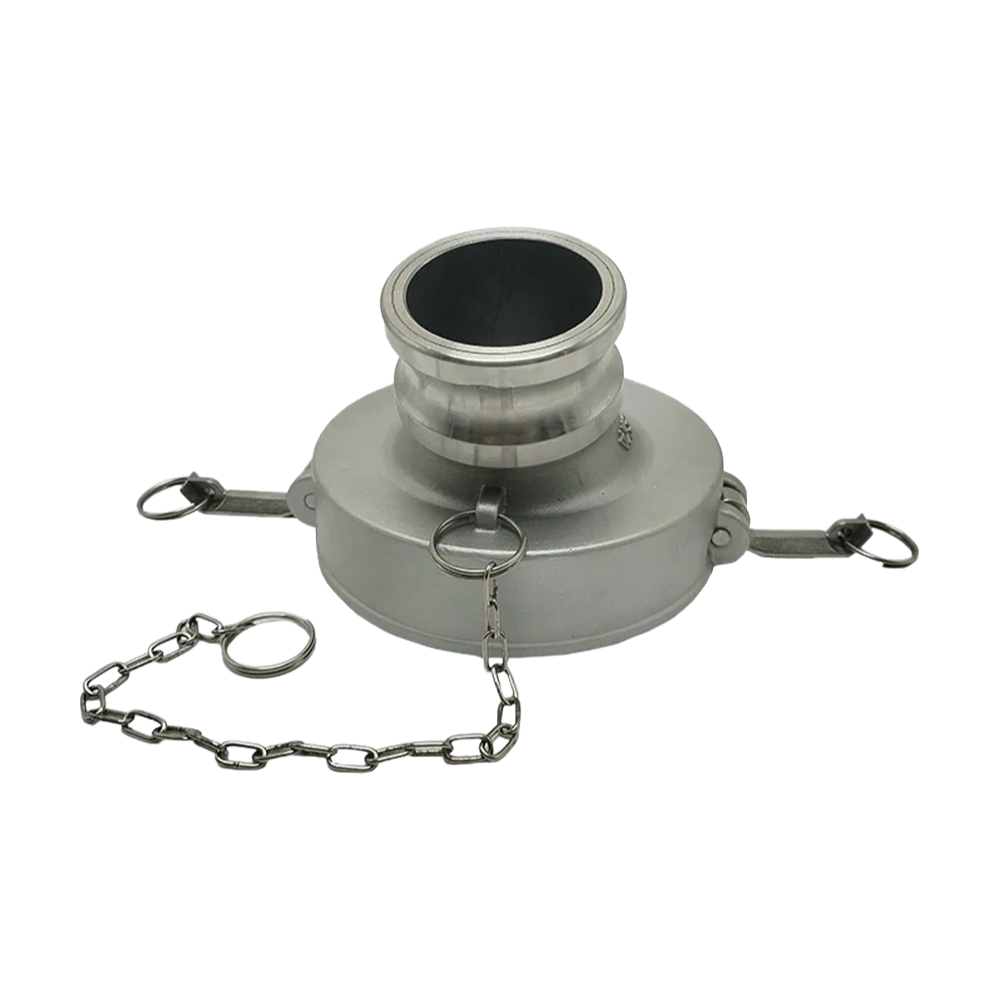
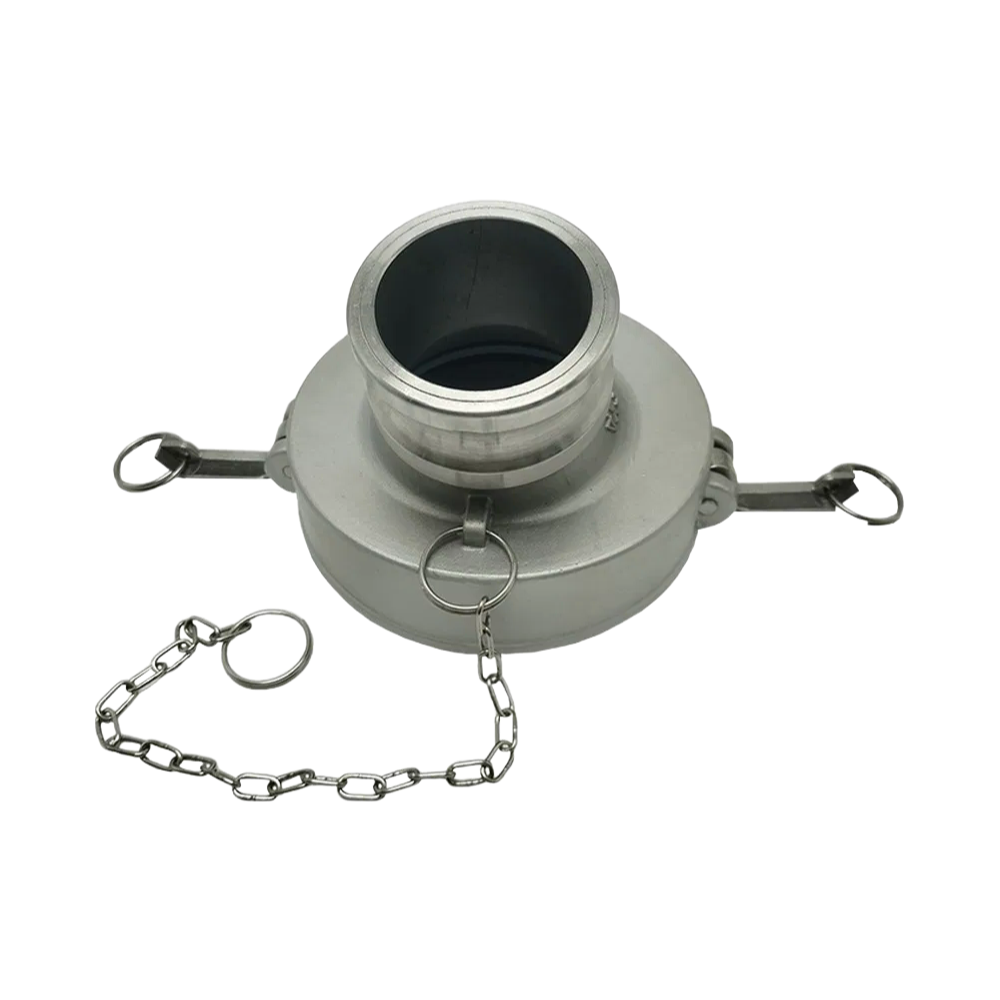
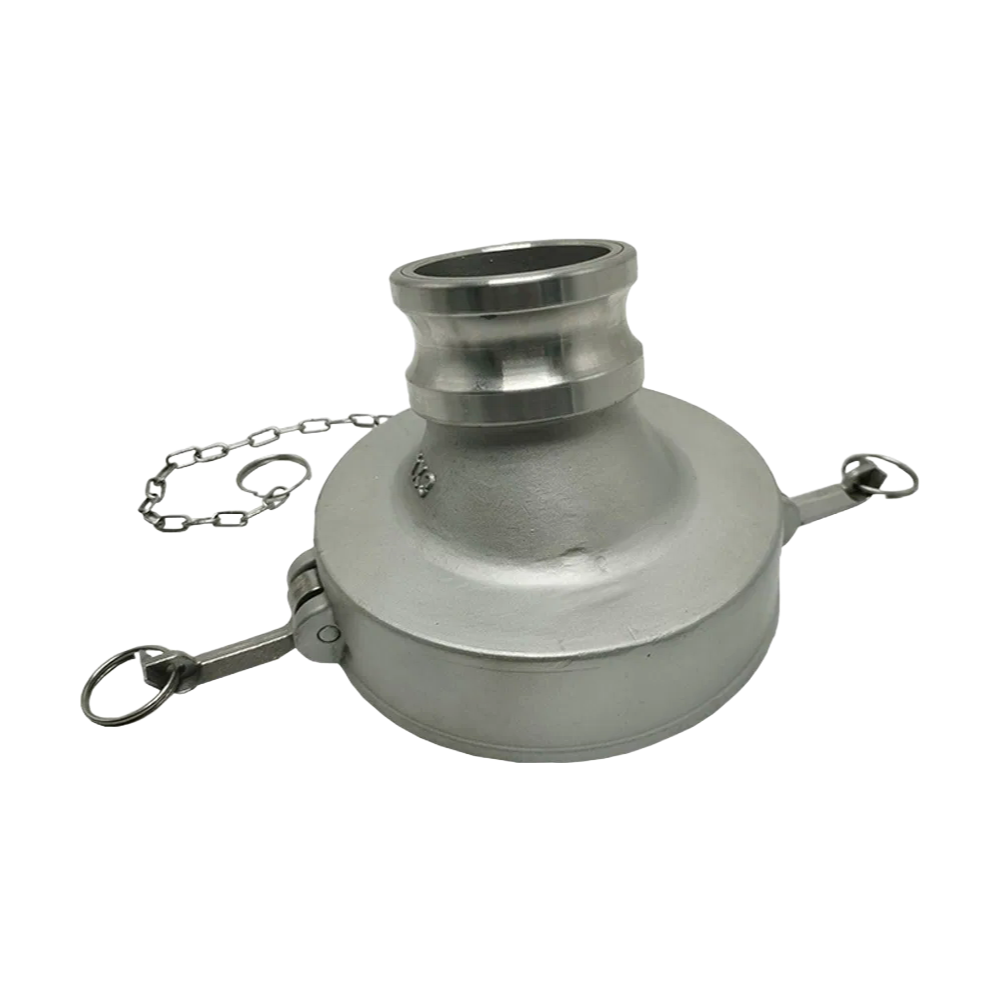
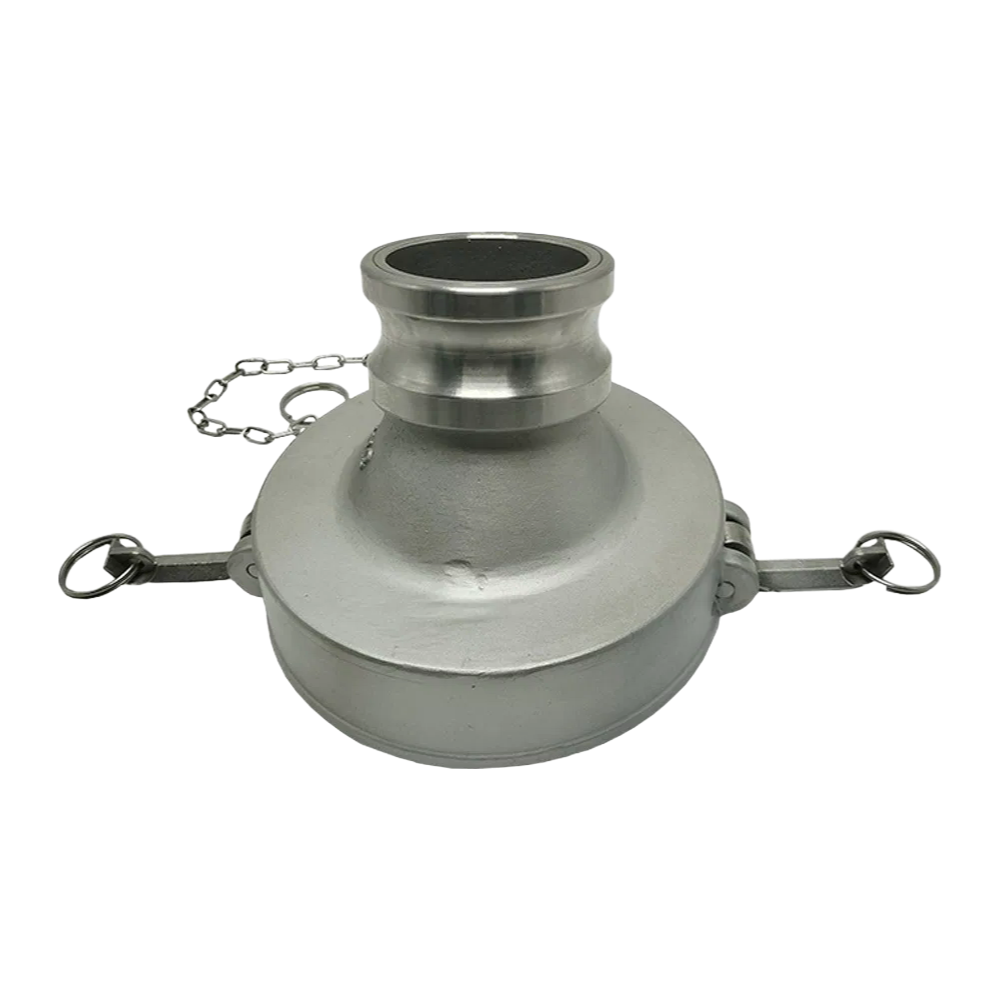
We're currently shipping about 200 units a week, and lead time is roughly 10-15 working days give or take, depending on the anodizing queue.
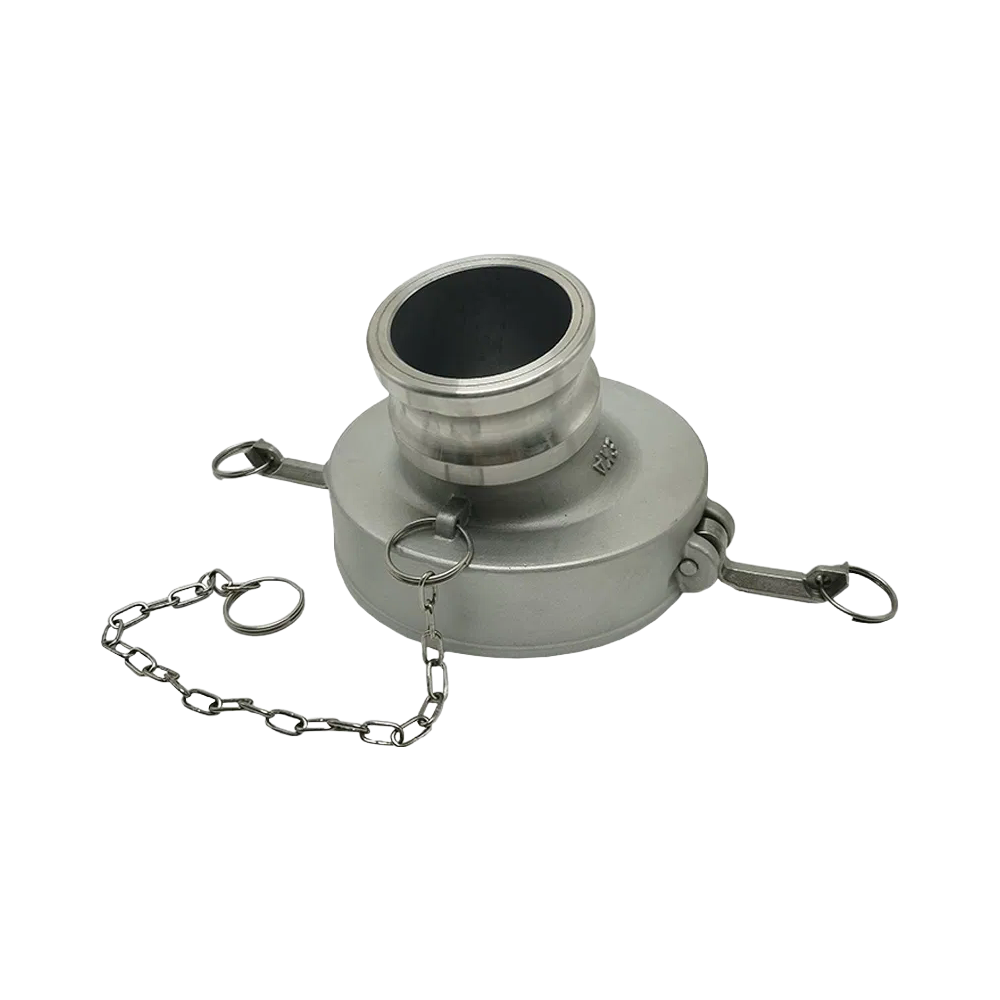
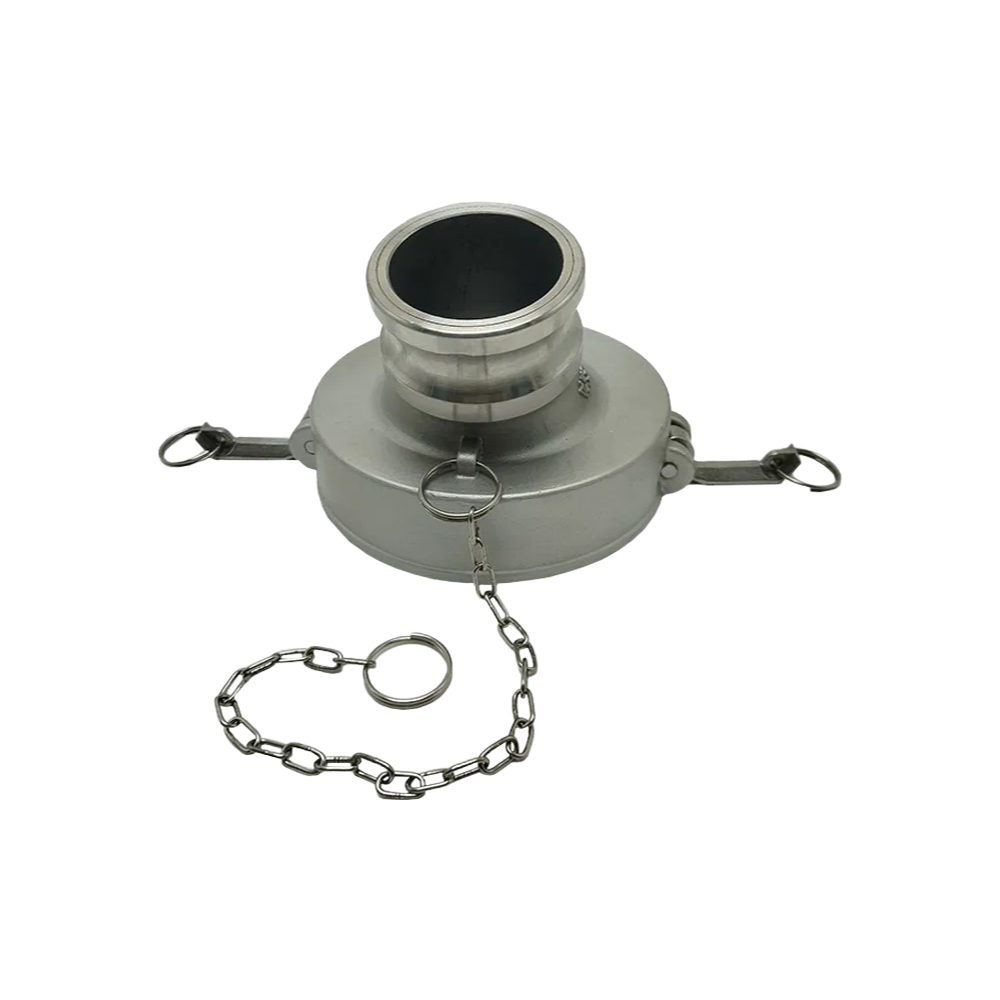
It's the 22.5° downward angle that actually makes biggest difference in daily use — cuts down on residual fuel left in the line after a transfer, which is better than most straight couplers for diesel and kerosene.
The cam locking handle design is pretty much what you'd expect form an API RP1004 coupler, but what it does is reduce the effort required during connection by quite a bit, and the lamellar sight glass on teh C8061H-80 lets you see flow without cracking anything open.
Alumnum alloy construction keeps the weight manageable, and it's anodized — which basically means it won't corrode quickly even if you're handling high-sulfur fuels (usually 2-4 weeks for the anodizing to fully cure).
Pressure rating is 0.6 MPa and it'll handle from -150°F up to +250°F, so it's fine for water or gasoline, but don't use this one for ethanol blends. About 50 units or so is the MOQ on standdard orders, and we usually have stock but confirm lead time if you need over 100.
It's rated at 0.6 MPa, which is about 87 psi. That's enough for standard gravity or low-pressure pump transfers for gasoline, diesel, and kerosene.
Yes, it has a lamellar-type sight glass so you can see the flow clearly. That helps confirm flow and spot any air or vapor during fueling.
It's built to the API RP1004 standard, which is the key benchmark for bottom-loading fuel couplers. The aluminum alloy is also anodized for extra corrosion resistance.
That angle reduces strain on the hose and makes it easier to align with the tanker's API adapter. It also helps keep the hose out of the way during connection.
It works from -150°F up to +250°F, so it's fine for extreme cold like winter in northern regions or hot summer conditions. The aluminum alloy stays tough across that range.
Naturally, the shipping was remarkably swift and efficient. The coupler arrived well-packaged and ahead of the estimated delivery date, which was a pleasant surprise. Regarding the item itself, the build quality is immediately apparent. The aluminum alloy construction feels exceptionally solid and durable, with a precise finish that inspires confidence. It has a substantial, premium heft to it. As for the service, the communication from the seller was proactive and clear throughout the process. Any preliminary questions were answered promptly and professionally. The overall experience from ordering to unboxing was seamless. This level of attention to logistics, product integrity, and customer support is commendable and makes the entire transaction feel trustworthy and reliable. A very satisfactory purchase on all fronts.
Absolutely impressed with the delivery speed and packaging of this product. The logistics were handled flawlessly, with the item arriving much earlier than expected and in perfect condition. The quality of the coupler is outstanding, featuring a robust aluminum alloy build that feels durable and reliable. Customer service was exceptional, providing prompt and helpful responses to all my inquiries. Overall, a fantastic experience from start to finish.