Account
Inquiry
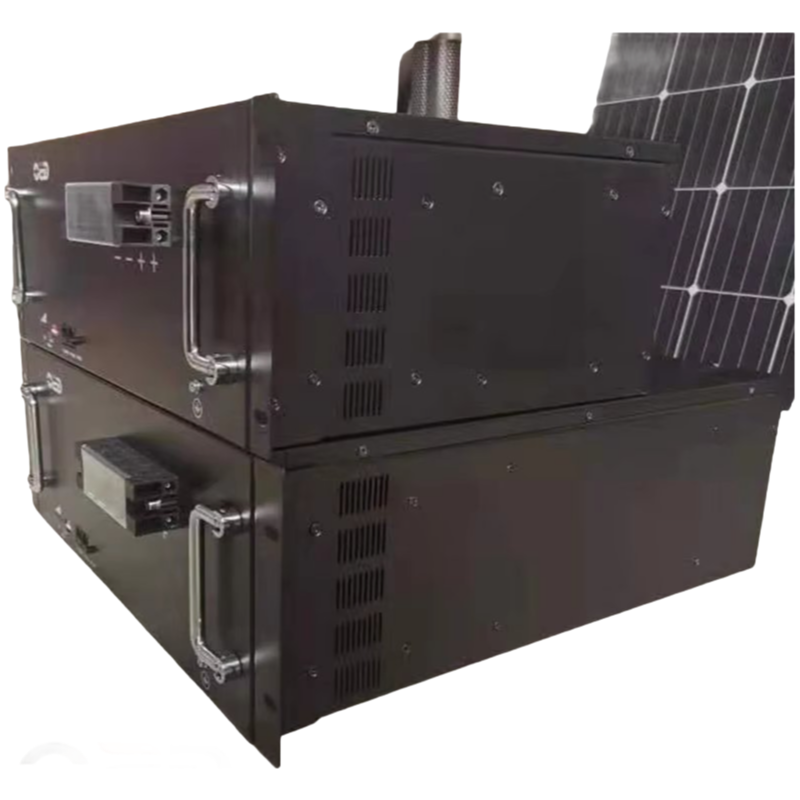
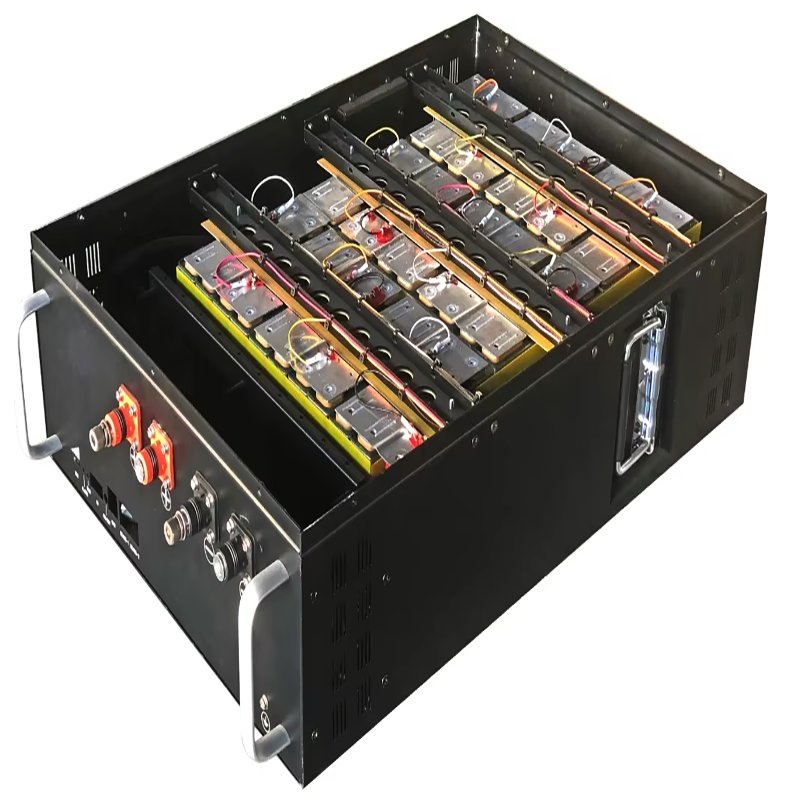
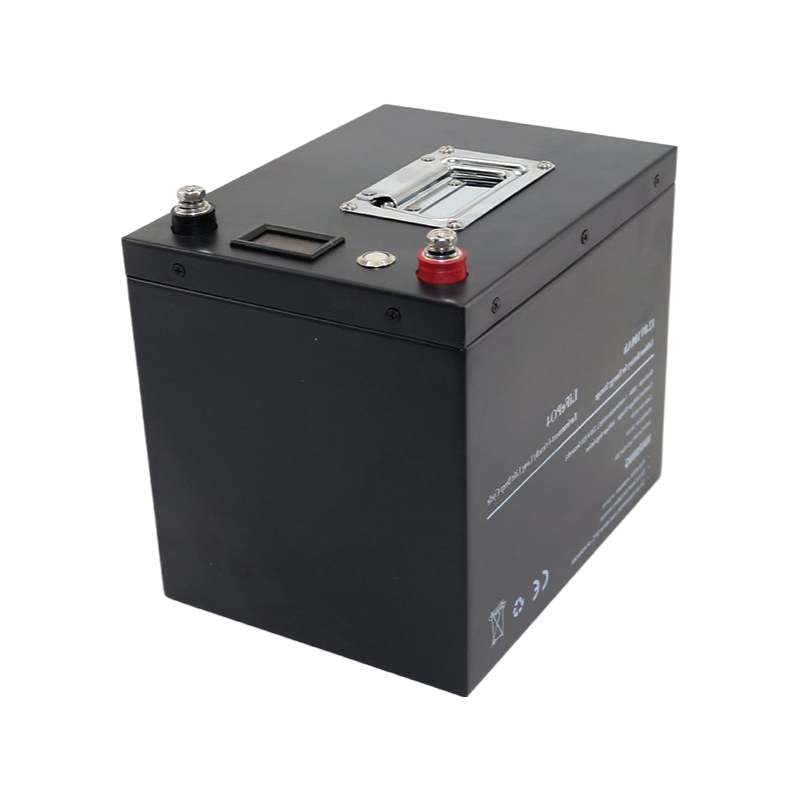
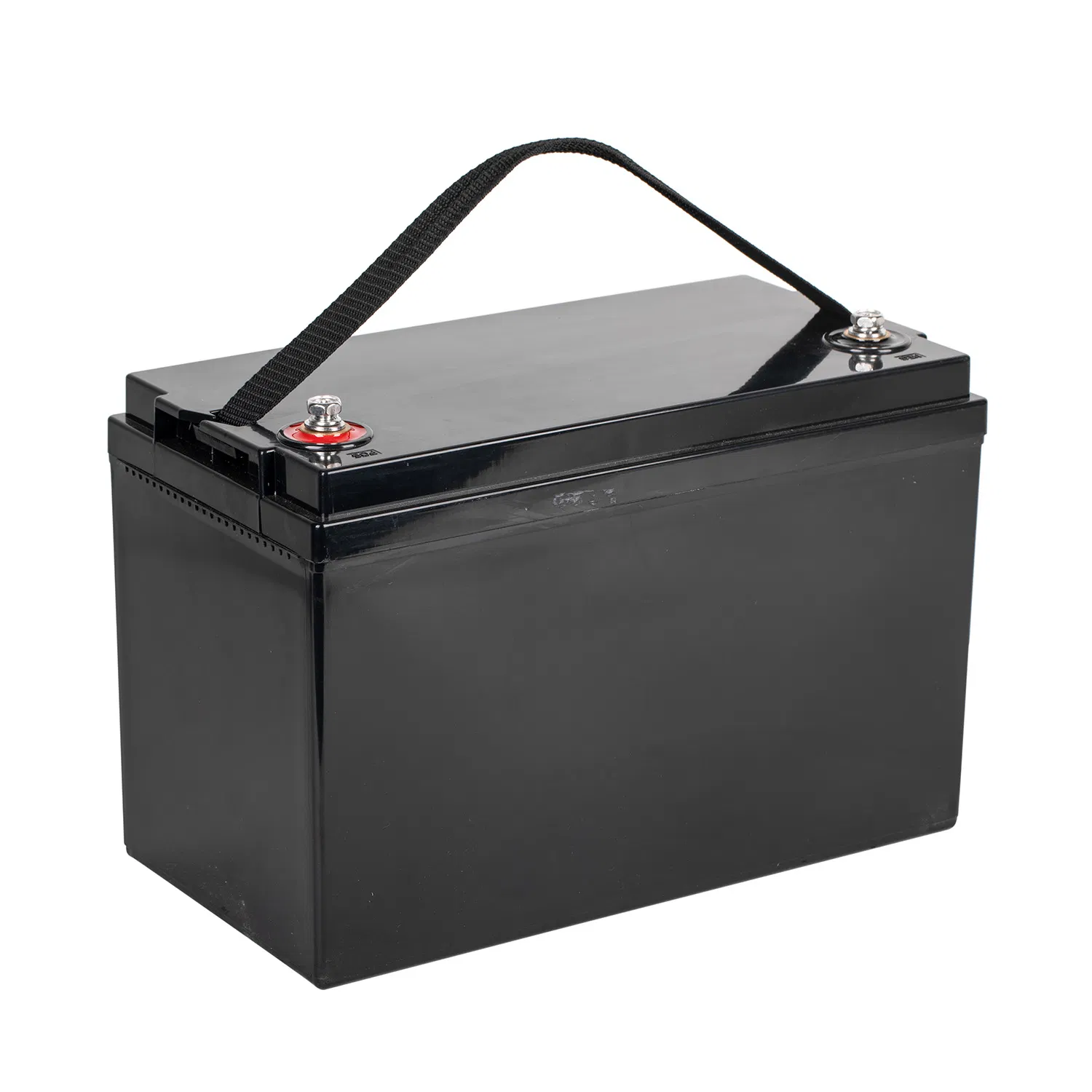
If you're setting up a weekend cabin or a small off-grid workshop, this 28kg battery is actually manageable to carry down a narrow staircase—it's not one of those 50kg monsters you dread moving. We've had buyers use it for solar backup in remote telecom stations too, and the 2.5kWh capasity handles a few hours of lights and a fridge without breaking a sweat.
It runs on LiFePO4 chemistry with 6000 cycles, so you're looking at roughly 10 years before it starts to fade, give or take how deep you drain it each time. The voltge range sits between 22.4V and 29.2V, and it's a standerd 0.5C discharge—1C if you push it, but that'll shorten its life a bit. Dimensions are 689 by 495 by 162mm, and it come with RS485 and CAN ports for talking to your inverter.
What it's not great for is high-current stuff like starting a big water pump—the BMS will trip on overcurrent if you exceed 1C for more than a few seconds. But for steady solar storage, it's better than lead-acid in cold weather, working down to -30°C (though performnce drops noticeably below freezing). Most people keep it in a ventilated garage or basement; IP20 rating means dust can get in, so don't mount it where sawdust flies around.
Anyway, we usually have these in stock, but confirm lead time if you need a custom terminal orientation or a specific firmware flash—that adds 20 days or so. MOQ is one unit, and we'll send teh COA and UN38.3 paperwork with the shipment.
MOQ for standard units is 10 pieces, but we can discuss lower quantities for samples. Yes, we offer custom color and label branding — just send us your design specs and we'll adjust the quote accordingly.
Typical lead time is 20–25 working days for a run of 50 units after order confirmation and deposit. If you need faster delivery, let us know and we can check our current stock.
Absolutely — we can share the CE certificate and UN38.3 test report right away. Just reach out to our sales team and they'll email you the documents.
Yes, the max continuous discharge is 100A (1C), but keep in mind standard discharge is 50A (0.5C) for optimal cycle life. Running at 1C will work, but it'll generate more heat and reduce lifespan.
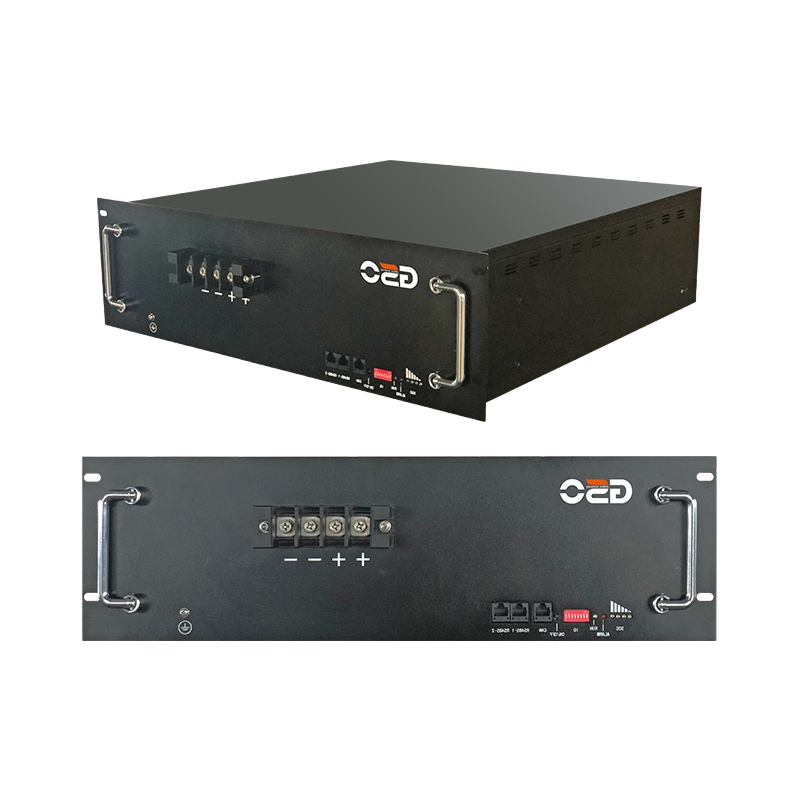
We include both RS485 and CAN ports on the BMS, but cables are not bundled by default — you can add them as an accessory. The RS485 uses Modbus RTU protocol, and CAN uses CANopen. We'll provide the protocol docs upon request.
Hats off to the entire team for a truly seamless experience from start to finish. The logistics were handled with impeccable precision; the battery arrived well ahead of the estimated delivery window, which was a fantastic and welcome surprise. The packaging was robust and secure, clearly designed to protect such a high-value item during transit. Every component was meticulously packed, and there was no sign of damage whatsoever. Regarding quality, the initial impression is overwhelmingly positive. The build of the battery pack feels exceptionally solid and professional. The casing is sturdy, the terminals are well-constructed, and the overall finish speaks to careful manufacturing standards. It has a substantial, reliable feel that inspires confidence for its intended long-term use in our solar storage setup. The service aspect was equally commendable. Communication was clear, prompt, and helpful at every stage. Any pre-shipment inquiries were answered thoroughly and without delay, demonstrating a genuine commitment to customer support. The post-delivery follow-up was also noted and appreciated. While I have yet to integrate it fully into the system, the out-of-the-box assessment based on logistics, physical quality, and customer service interactions suggests a product and company that take great pride in their work. This level of attention to detail in shipping, construction, and support is what distinguishes a good purchase from a great one. Based on these initial facets alone, I would not hesitate to recommend this battery and supplier to others looking for a reliable energy storage solution.
I initially had some concerns about shipping times given the size and nature of the product, but I was pleasantly surprised. The logistics were handled exceptionally well. The battery arrived ahead of the estimated schedule, which was a fantastic start. The packaging was incredibly robust and secure, clearly designed to protect such a critical component. Every corner was reinforced, and the unit itself was immaculately packed with ample cushioning. There was not a single scratch or dent, which speaks volumes about the care taken during transit. Regarding quality, upon unboxing, the build quality is immediately apparent. The casing feels solid and well-constructed, with clean finishes and properly fitted components. The terminals are sturdy, and the overall weight and feel inspire confidence in its durability. It has a professional, industrial-grade appearance that matches its described purpose for solar energy storage systems perfectly. As for service, the communication from the company was proactive and clear. I received timely updates at every stage, from order confirmation to dispatch and tracking. When I had a pre-sales inquiry, the response was prompt, knowledgeable, and helpful, guiding me without any pressure. This level of attentive service made the entire purchase process smooth and reassuring. The combination of efficient logistics, apparent high-quality construction, and outstanding customer support has resulted in a very positive experience overall. I feel confident in the product's potential based on these initial factors alone, and I look forward to integrating it into my system. The company has clearly invested in ensuring customer satisfaction from order to delivery.
Yay, the delivery was incredibly fast and well-handled, arriving ahead of schedule with secure packaging that ensured everything was in perfect condition. The quality of the battery feels robust and reliable, with no visible defects, and it seems built to last for long-term use. Customer service was outstanding too—responsive and helpful throughout the process, making the whole experience smooth and worry-free. Overall, a fantastic purchase that I'd happily recommend to others.
Yikes, the delivery was incredibly fast and well-handled; the package arrived in perfect condition without any delays, which was a huge relief for my project timeline. Regarding quality, the battery feels robust and well-constructed, with no visible defects or issues upon inspection—it seems durable and reliable for long-term use. As for service, the support team was responsive and helpful, promptly answering my queries and ensuring a smooth purchase process. Overall, I'm thoroughly impressed by the seamless experience from start to finish, and I'd highly recommend this for anyone needing efficient energy storage solutions.
Very impressed with the overall experience! The delivery was incredibly fast and arrived earlier than expected, which was a pleasant surprise. Packaging was secure and ensured the product was well-protected during transit. Quality-wise, the battery feels robust and well-constructed, with no visible defects. Customer service was responsive and helpful, promptly answering all my queries. A smooth and satisfying purchase from start to finish.
Keenly impressed by the swift delivery of this battery; it arrived well ahead of schedule, which was a pleasant surprise. The packaging was robust and secure, ensuring the product was in perfect condition upon arrival. Quality-wise, the build feels solid and reliable, with no visible defects or issues. Customer service was exceptional—they responded promptly to my inquiries and provided clear, helpful assistance throughout the process. Overall, a smooth and satisfying experience from start to finish, making it a great choice for anyone needing dependable energy storage solutions.