Account
Inquiry
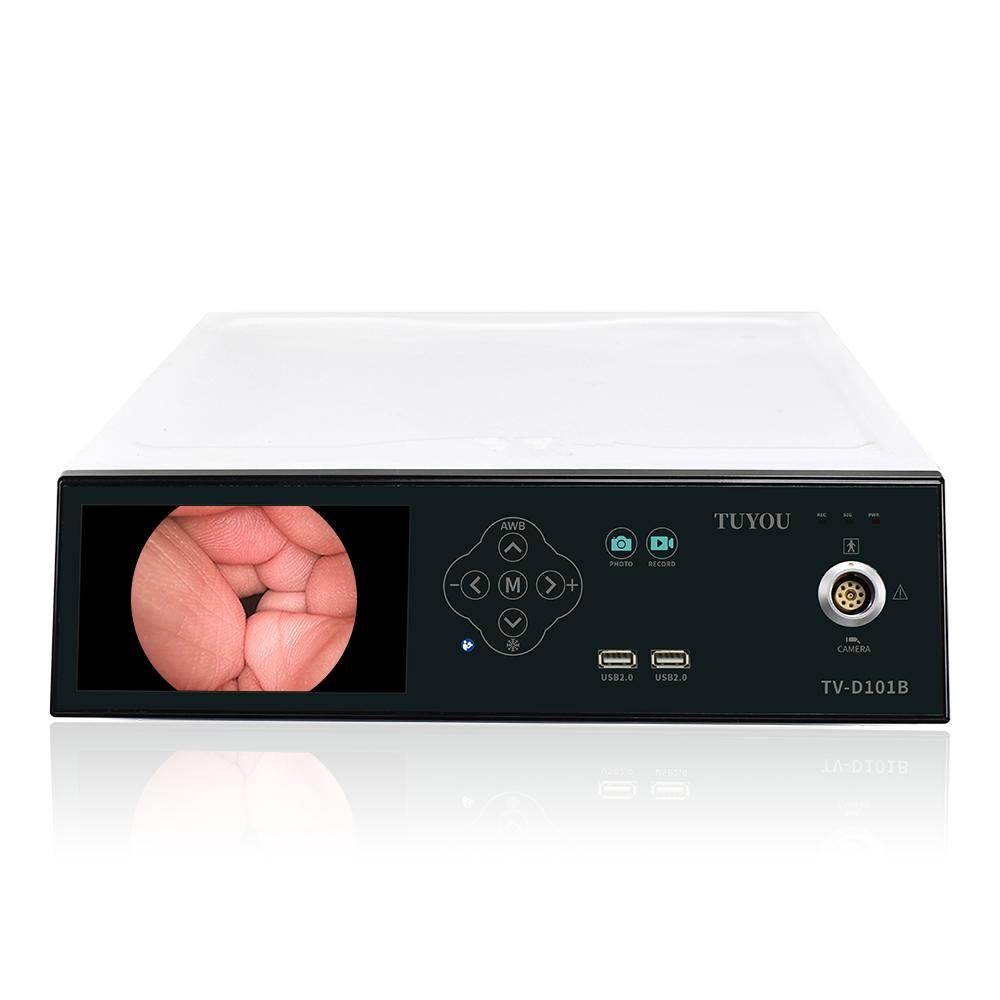
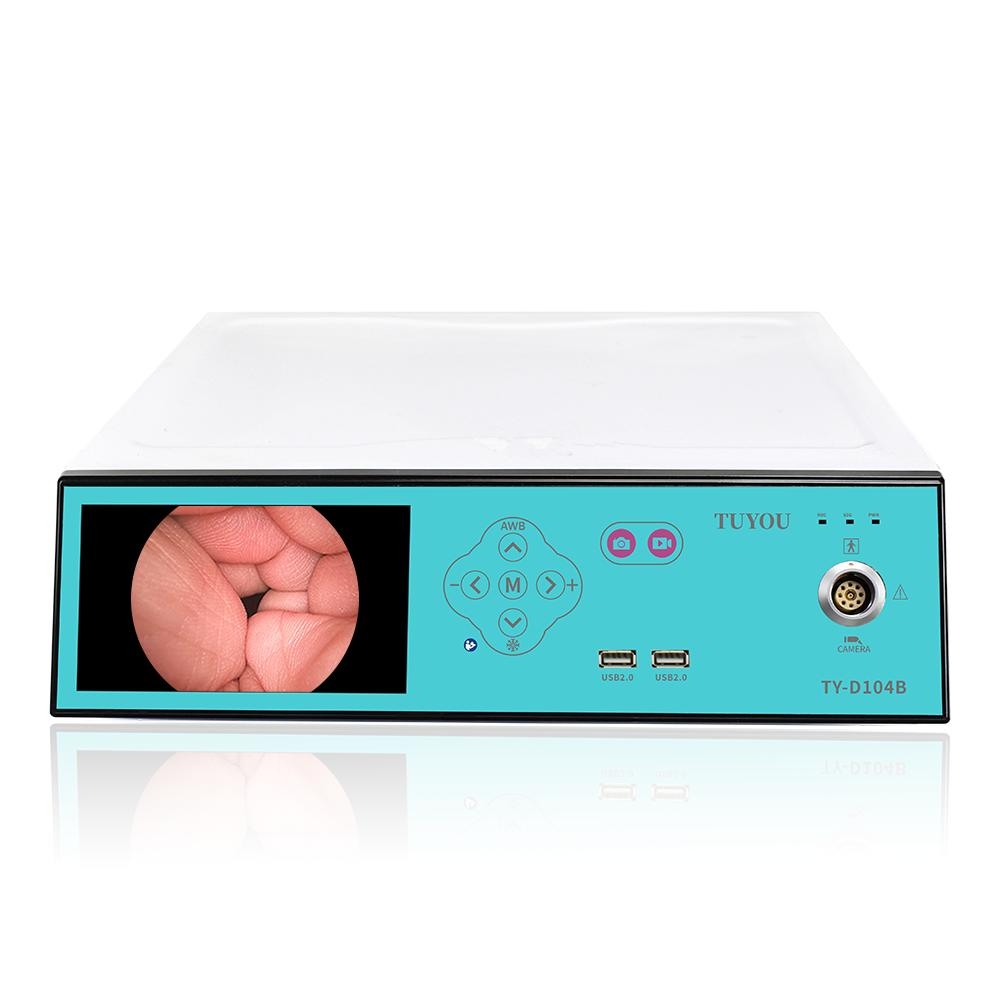
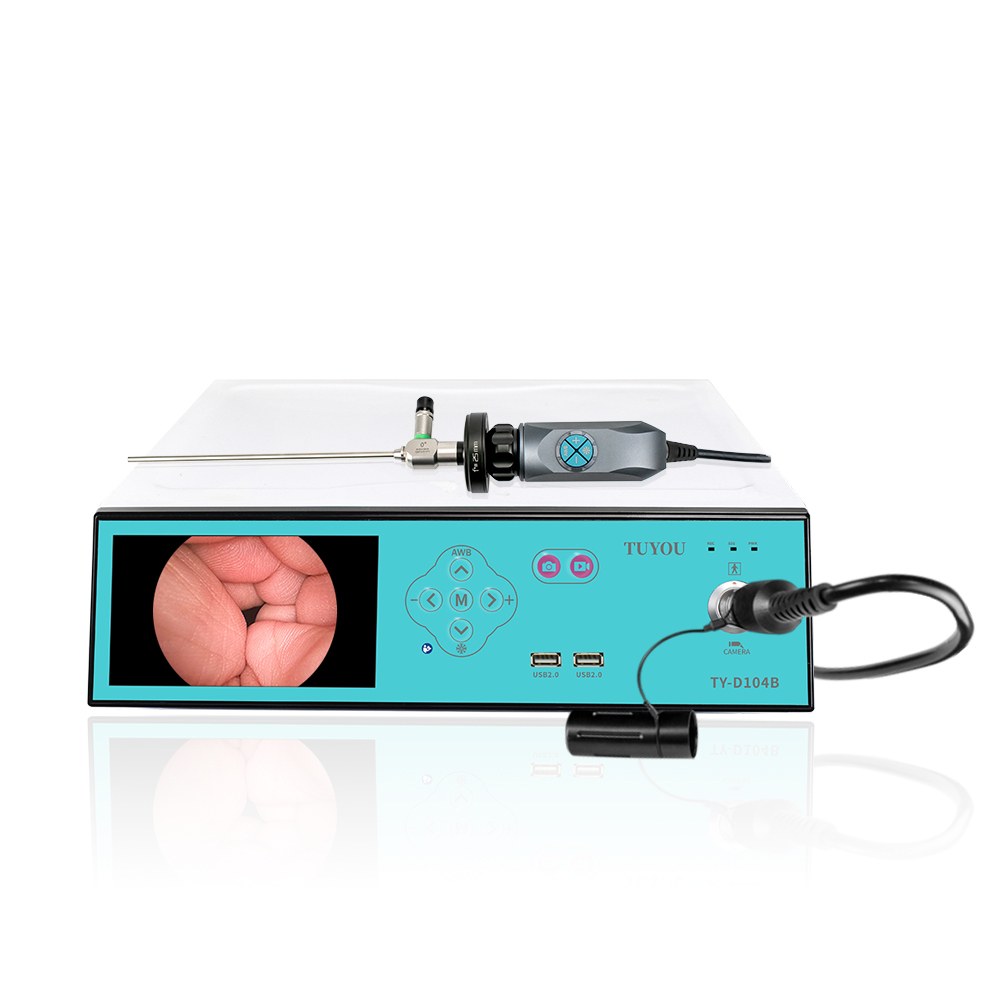
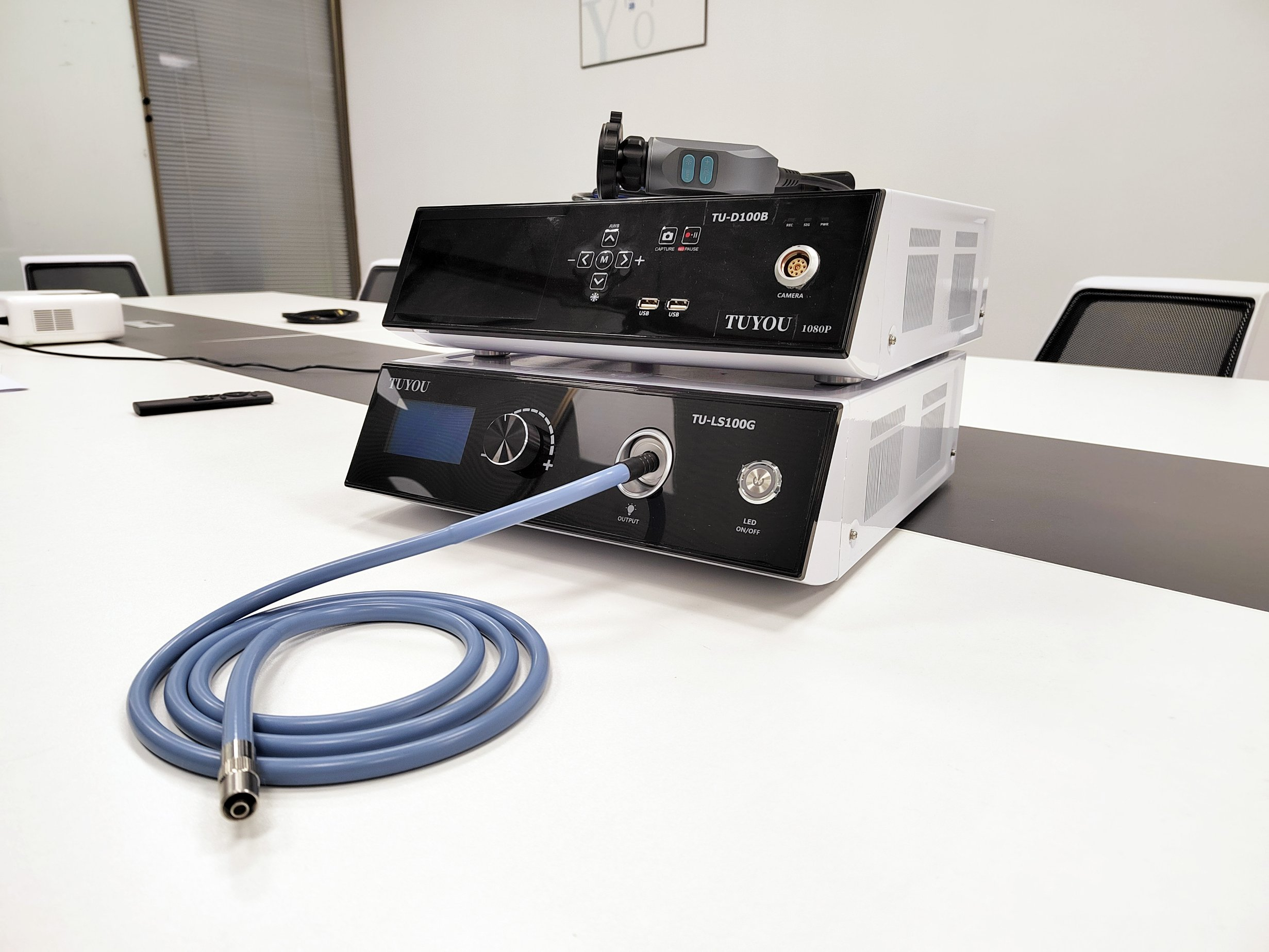
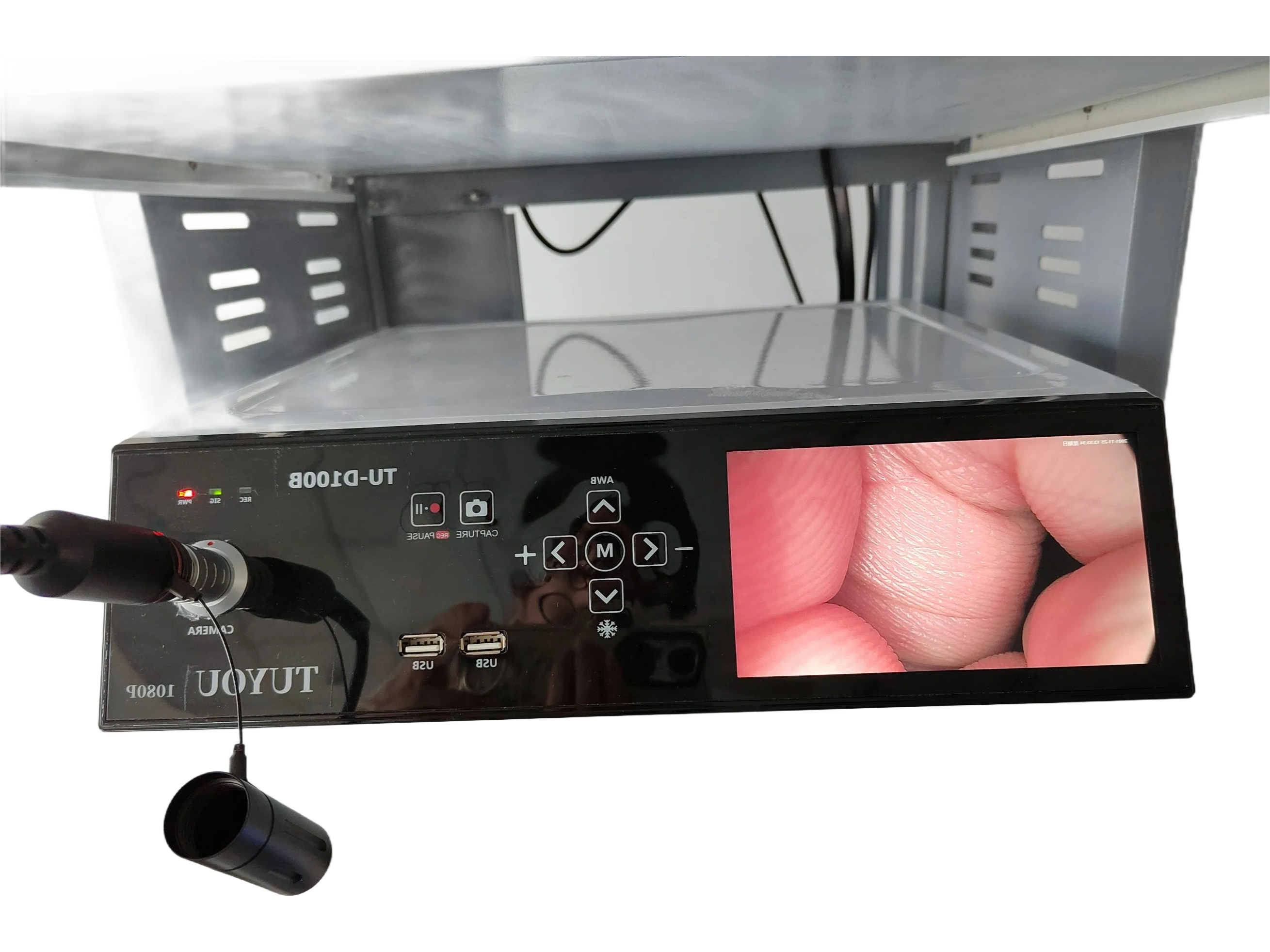
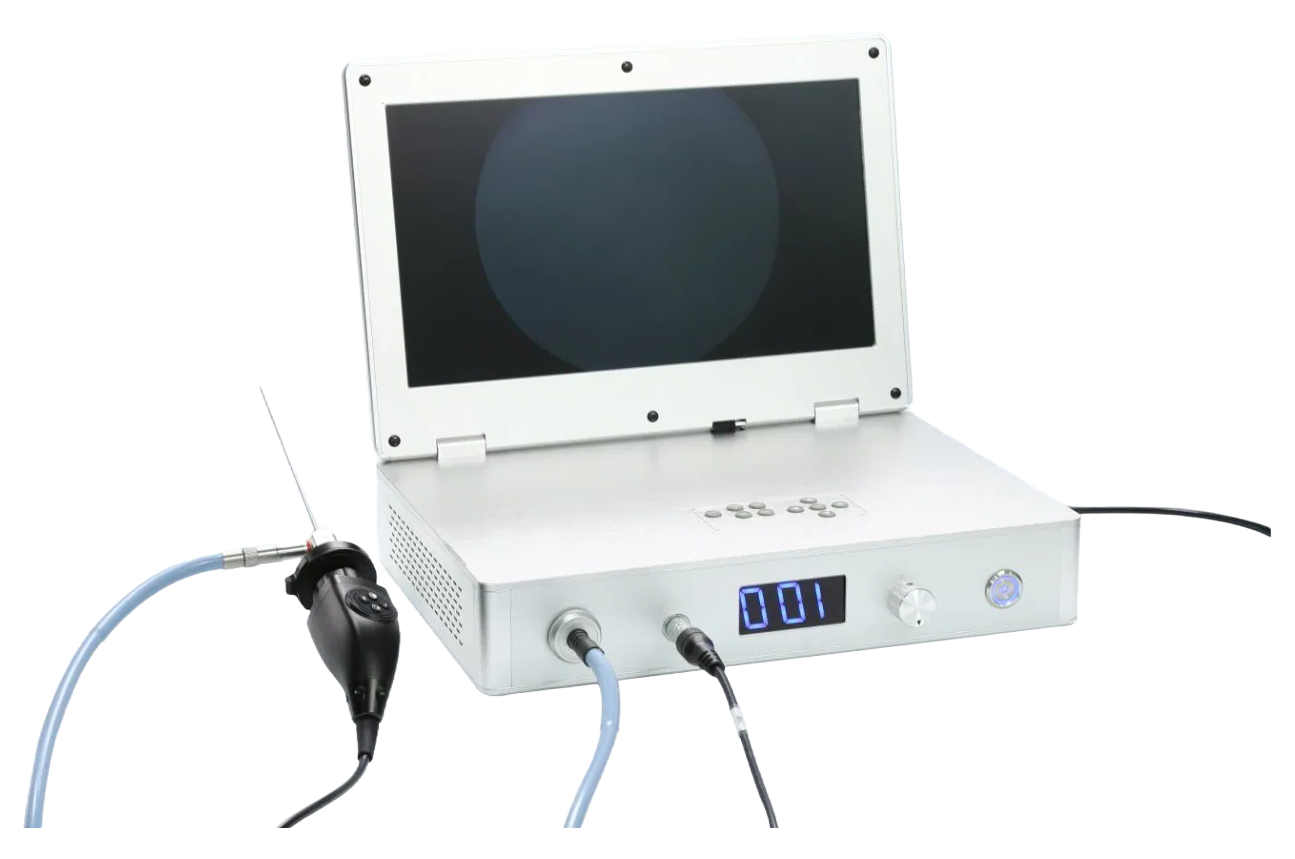
So we've been moving these units for a while now, and the first thing most people ask about is the sensor—it's a 1/2" SONY CMOS with about 2.13 million effective pixels (1845×1097 to be precise), which gives you a true 1080P image without the digital noise you'd get from cheaper sensors, and that matters for procedures where you need to differentiate subtle tissue color changes or fine vessel patterns.
Actually, the HDMI output is what most surgical suites use, but I've got people in some clinics running DVI or even SDI for longer cable runs, and there's also VGA and CVBS if you're integrating with legacy monitors—the system auto-detects the output and adjusts, so you don't have to fiddle with menus mid-case, but you should know brightness adjustment has 30 steps and it's pretty granular, which is useful when you're switching between a laparoscope and a cystoscope in the same room.
What catches a lot of buyers off guard is that the USB recording—either 2.0 or 3.0, up to 32GB—works with a standard flash drive you can get anywhere, but we always recommend checking the FAT32 formatting beforehand because NTFS drives can cause a glitch during long recordings. I'd say roughly 80% of our customers go with the 16GB Kingston sticks we stock, give or take, because they're reliable across temperature swings (the unit runs fine from -10°C to 60°C, but we usually have a tight tolerance there anyway).
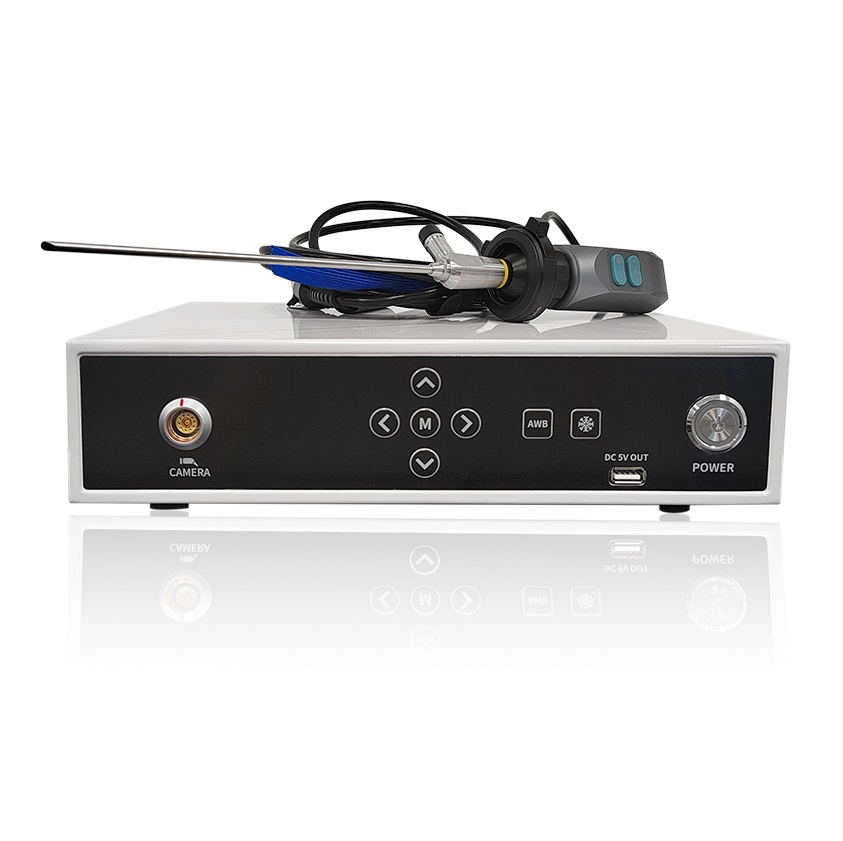
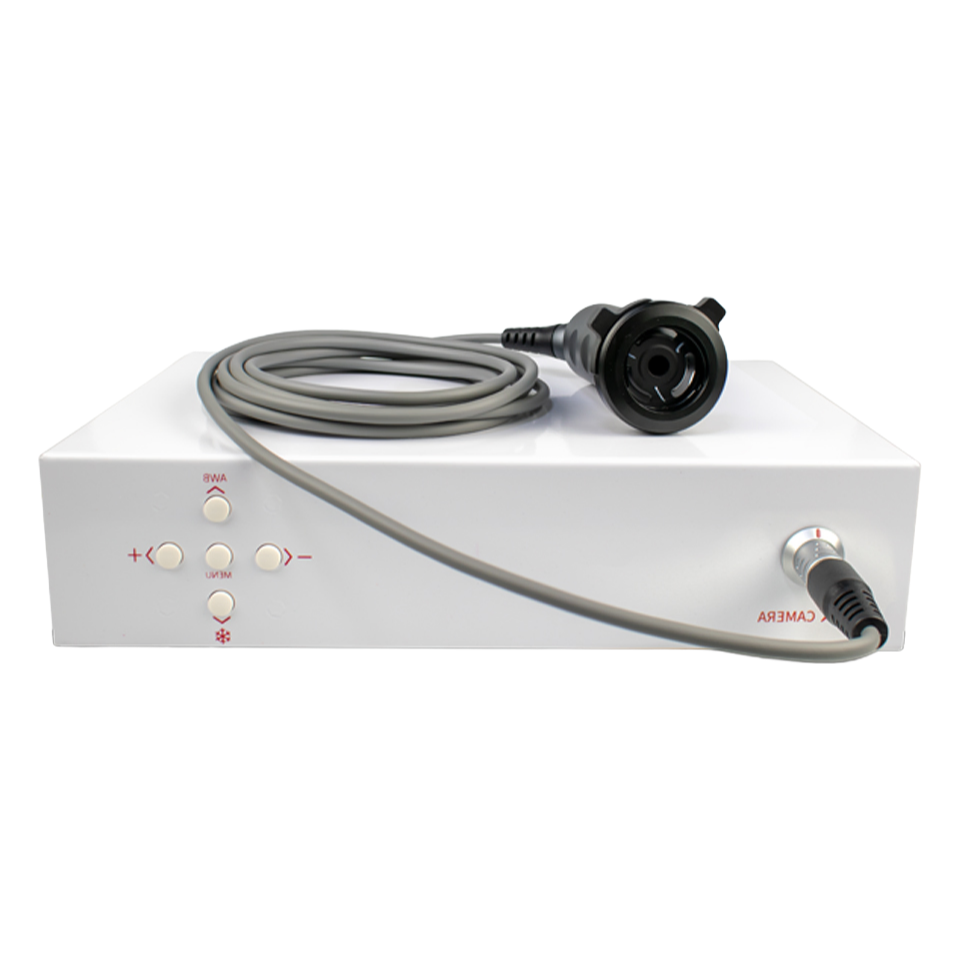
Now, compatibility-wise it'll hook up to PTED and fiber scopes, obviously, but also arthroscopes, hysteroscopes, ENT rigs—basically any standard C-mount coupler, though we don't recommend it for rigid bronchoscopy because the focal plane mismatch is noticeable above 45-degree optics. The digital zoom goes 0-8X, but honestly above 4X you're just magnifying artifacts, so most users keep it at 2-3X for tissue detail and only punch in for suture checks.
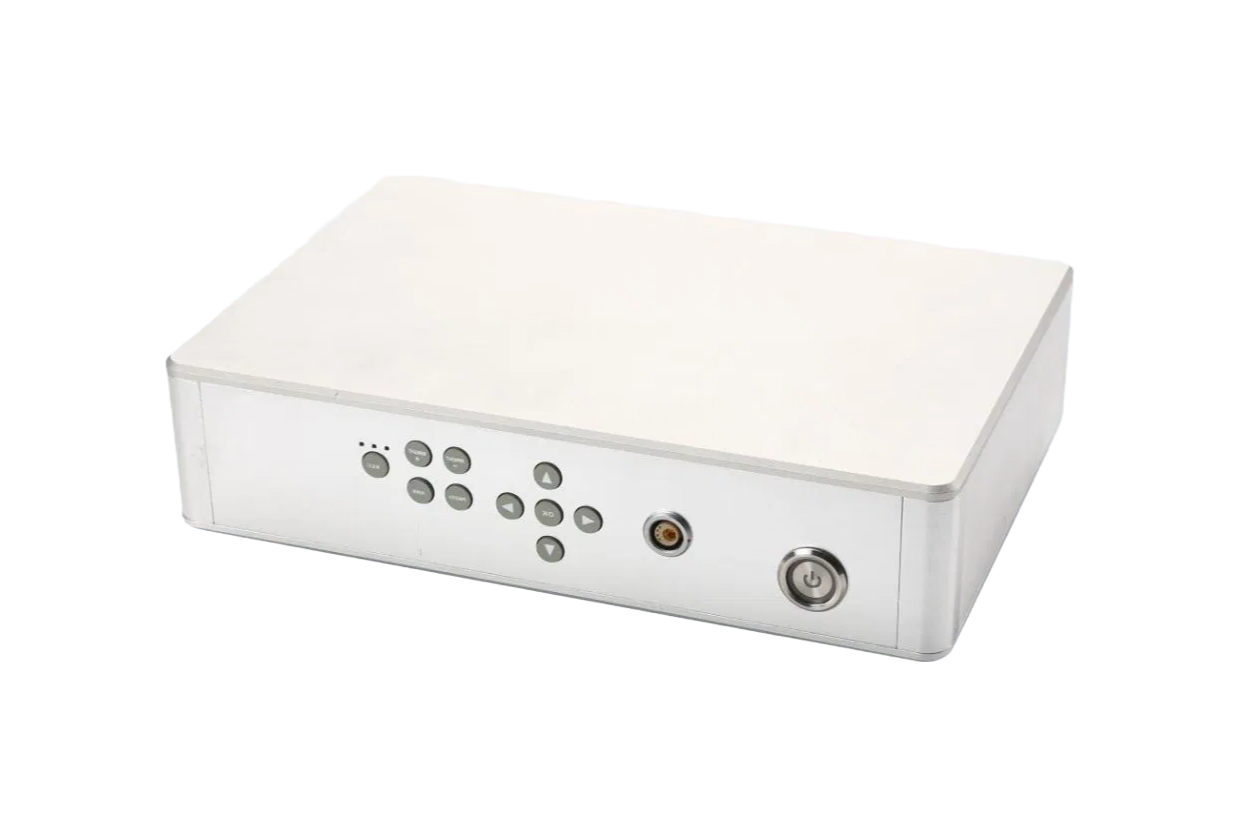
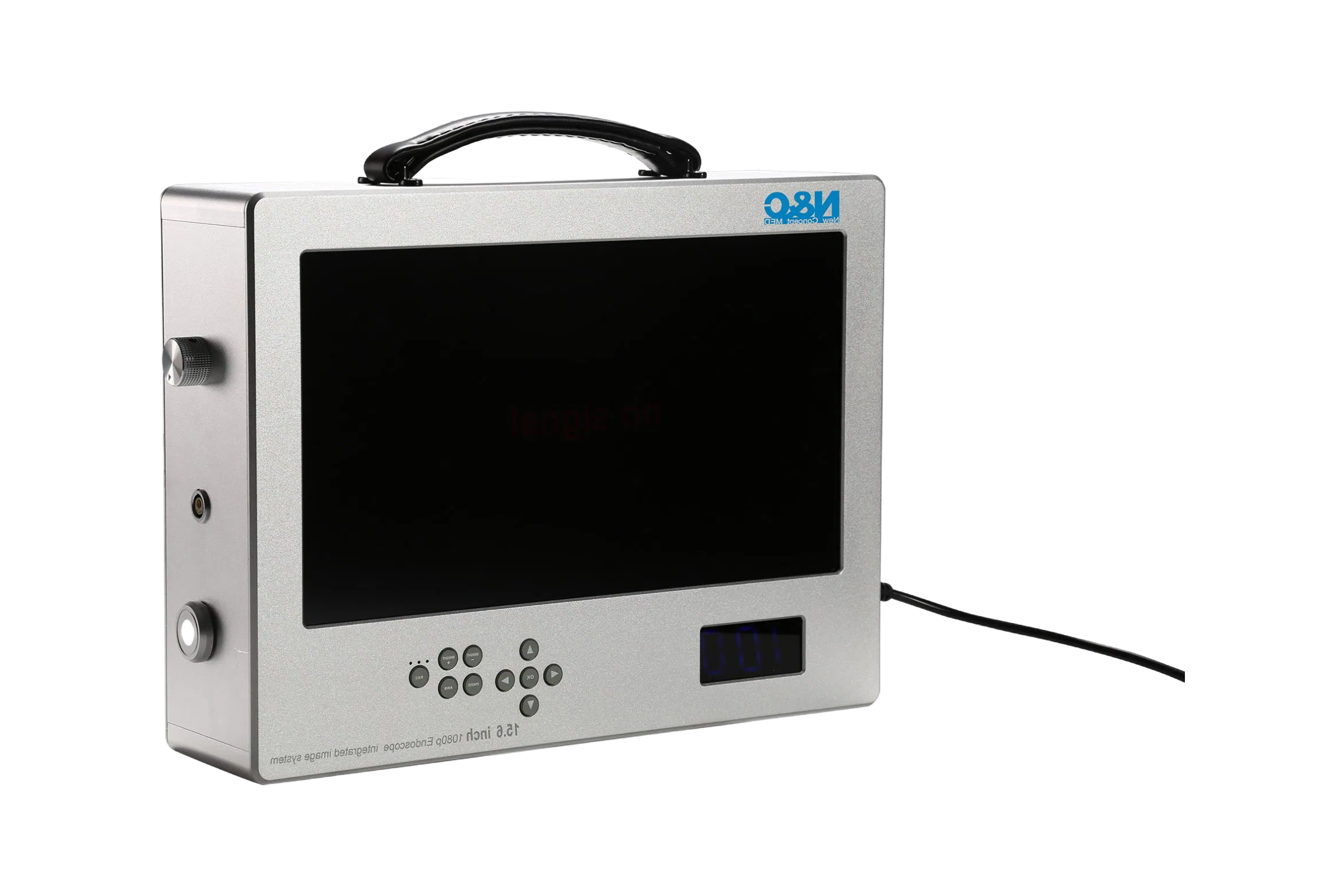
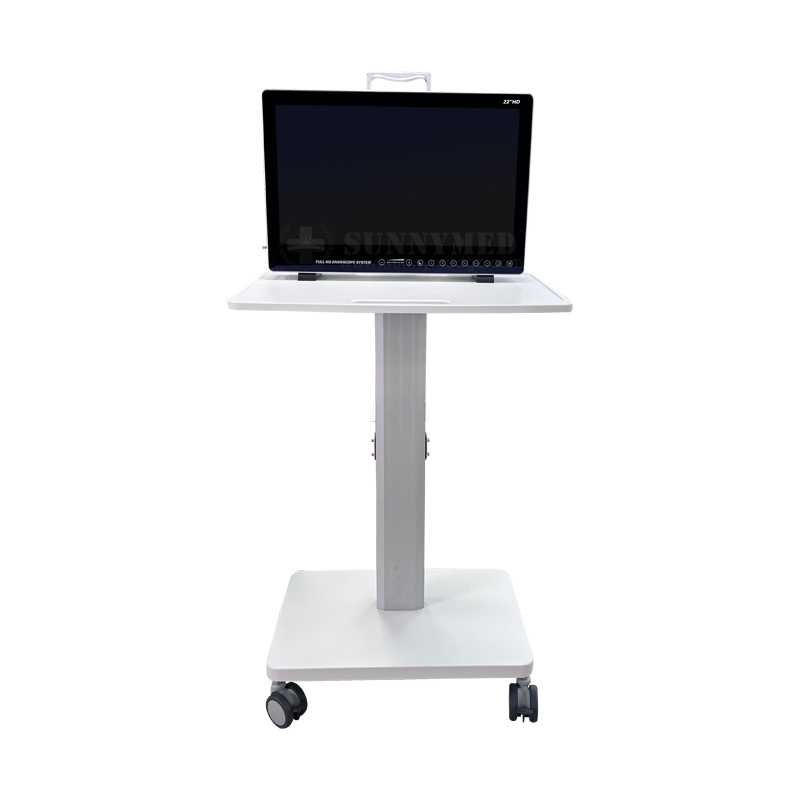
The unit itself—336×330×116mm and 3.9kg—sits nicely on a cart shelf, and the working current is 140mA±10mA at 110-240V AC, so it's fine for internatioanl shiping (CE and FCC certified, standerd). One thing the spec sheet never mentions: the power cord is a C13 type, not the kettle cord you might expect from Chinese suppilers, so go ahead and grab a local one if your facility has C14 sockets already wired in.
It works with PTED, fiber, arthroscope, cystoscope, hysteroscope, laparoscope, and ENT scopes.
It holds CE and FCC certifications, so it's cleared for medical use in regulated markets.
Yes, you can record directly to a USB 2.0 or 3.0 drive up to 32GB.
MOQ is 1 unit, and lead time is around 7-15 days depending on stock.
Yes, it supports Chinese, English, Japanese, Korean, and other languages out of the box.