Account
Inquiry
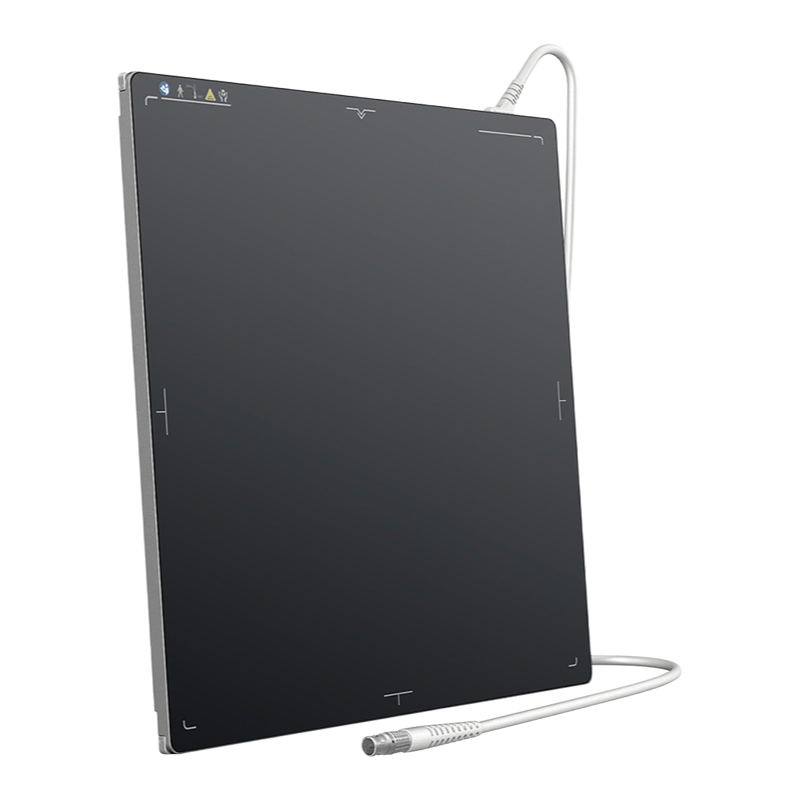
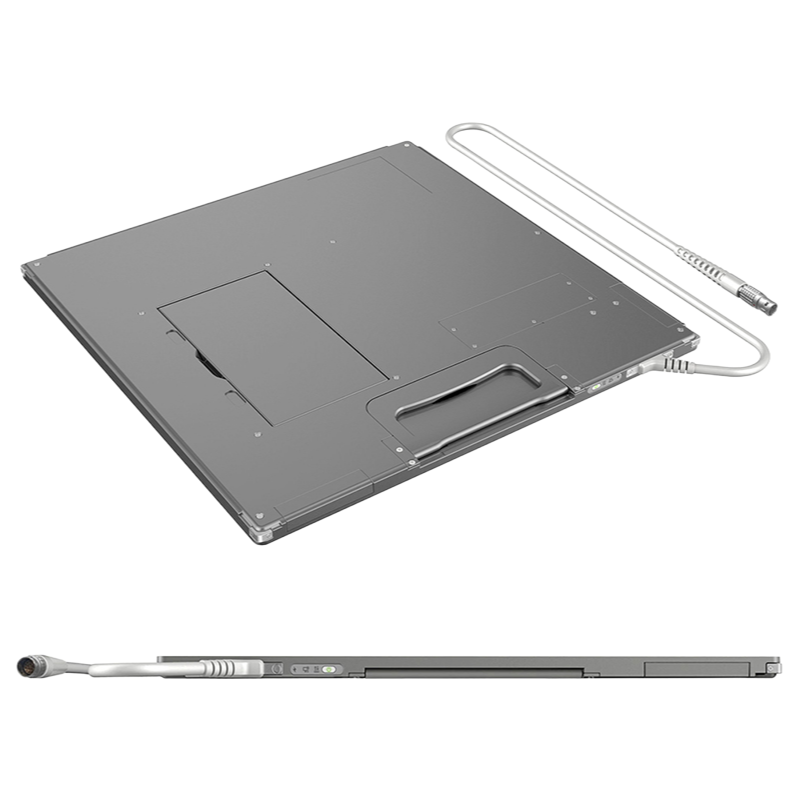
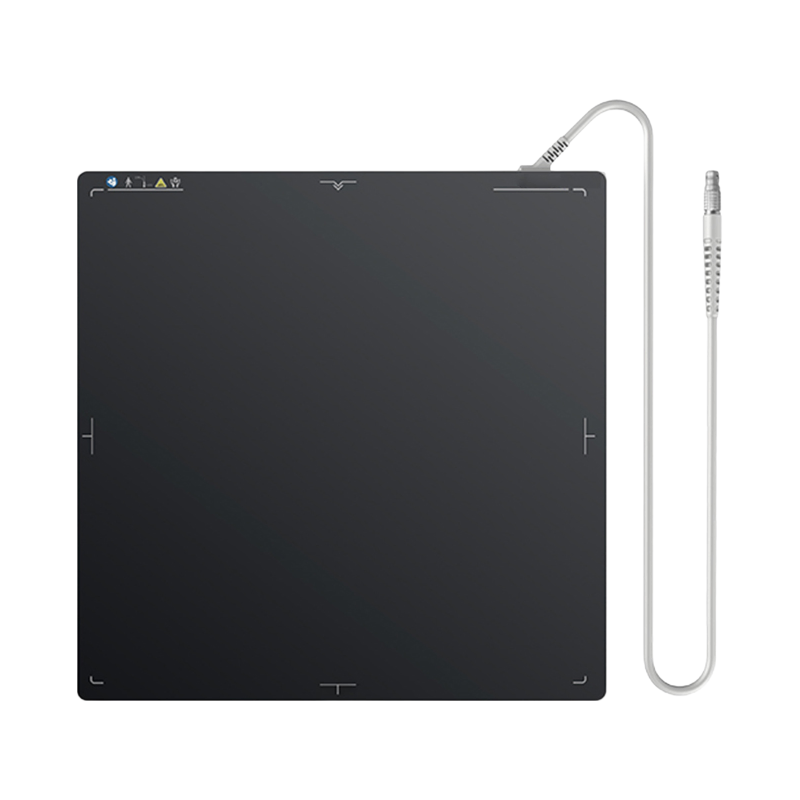
You've probably dealt with hauling a heavy CR cassette to the processor between every horse limb shot, and what that does to your workflow is a real bottleneck when you've got an anxious animal and a waiting client.
So we developed this panel to basically slot right into where your old cassette went, it's the same 17x17 inch footprint but now you're getting a live digital image on screen in about 5 seconds or so with no phyiscal handling—the wireless connection is a lifesaver when you're working around a horse's hindquarters.
The active area is 43x43cm with a 139 micron pixel pitch so you'll resolve fine detail like hairline fractures or dental root shadows, but what most buyers don't expect is how well teh CSI scintillator handles full-body attenuation you get through a horse's shoulder or thorax compared to typical panels built for human patients.
We move these in batches of 10 units or so for vet hospitals, MOQ is 2 panels if you're just testing one clinic but bulk orders around 20 units typically drop the per-panel cost by about 12-15%—lead times are 25 working days for standdard configurations (check current lead time on the CSI variant though), and we usually keep about 50 units in stock for emergency replacements.
One detail the spec sheets won't show you is that the rough and tumble on an equine panel stand sometimes loosens the power port, so we've reinforced that connector housing with an extra gasket that the human-grade models don't have—it's better than the baseline for use around straw bedding and grain dust.
We usually require a minimum order of 5 units for initial orders, but we can discuss smaller quantities depending on your situation.
Lead time is around 15-20 working days after order confirmation and payment, though stock availability can sometimes shorten that.
Yes, it's CE certified, and we can provide a certificate of conformity, test reports, and a user manual upon request.
GOS offers good durability and cost-efficiency, while CSI provides higher light output and better image sharpness, especially for fine detail in equine imaging.
Store it in a dry place between -20°C and 60°C, with humidity kept below 75% non-condensing, and avoid stacking heavy objects on top of it.
Unbelievably fast shipping! The panel arrived much sooner than anticipated, which was a huge relief for our clinic. Regarding quality, the build feels incredibly solid and professional. The initial setup was straightforward, and the image clarity we are getting is excellent for our equine patients. Customer service was also very responsive when I had a pre-purchase question. Overall, a very smooth and positive experience from ordering to unboxing. Highly recommend this supplier for their efficiency and the product’s apparent durability. The packaging was also very secure, ensuring the detector was perfectly protected during transit. A truly hassle-free purchase.
Bought this veterinary digital X-ray panel for our equine practice. The shipping was incredibly fast and well-handled. The package arrived securely wrapped with ample protective materials, ensuring the sensitive equipment was completely safe during transit. Delivery was prompt, arriving even earlier than the initial estimated date provided. The communication from the carrier was clear and updates were frequent, which is always appreciated for high-value items. Regarding the product itself, the build quality feels robust and professional. The panel has a solid, durable construction that seems it can withstand the rigors of a busy veterinary clinic. The finish is smooth and it appears to be well-sealed against dust and moisture, which is crucial for our environment. The initial setup was straightforward, and the panel paired seamlessly with our existing imaging software. As for service, the seller was responsive and helpful. They answered my pre-purchase questions about compatibility quickly and accurately. The documentation included was clear, and they followed up after delivery to ensure everything was working correctly. It’s reassuring to know support is available if needed. Overall, a very positive experience from order to delivery. The combination of efficient logistics, apparent high quality, and attentive service makes this a recommended purchase for veterinary professionals looking to upgrade their imaging capabilities. The panel itself arrived exactly as described, looking and feeling like a premium piece of medical equipment.
Happily surprised by the efficiency of the delivery process; the package arrived ahead of the estimated schedule and was well-protected. Handling such a sizable and likely sensitive piece of equipment, the care in packaging was evident and very much appreciated. The build quality of the panel itself feels robust and professional. Initial inspections show solid construction with no visible defects, which inspires confidence for long-term use in a demanding veterinary environment. The service experience was straightforward. Communication was clear, and any pre-shipment inquiries were answered promptly. While I cannot yet comment on the technical performance or integration, the foundational aspects of logistics, perceived quality, and customer service have been entirely satisfactory. This positive start bodes well for the product’s intended application in equine imaging. The unboxing experience was smooth, and all components listed were present and accounted for. It’s clear that thought was put into the logistical and presentation elements of the sale. For any colleague considering this detector, these initial, non-technical impressions are certainly favorable. The supplier seems reliable, and the product arrived as described, looking every bit the professional tool it is advertised to be.
Jaw-droppingly fast delivery! The panel arrived well ahead of schedule, which was a huge relief. The packaging was exceptionally secure and professional, clearly designed to protect such a sensitive piece of equipment. Communication from the seller was prompt and clear throughout the entire process, answering all my preliminary questions about compatibility before I even placed the order. The build quality of the detector itself feels incredibly solid and premium; it has a substantial, durable feel that inspires confidence for use in a busy equine practice. The initial setup instructions were straightforward, and the wireless connectivity worked flawlessly right out of the box with our existing software. While I haven't had extensive time for clinical use yet, the initial test images are promisingly sharp. What truly stands out, however, is the customer service. They provided detailed documentation and were very proactive in ensuring a smooth integration. For a veterinary clinic looking to upgrade from traditional CR cassettes, the logistics and support experience with this panel have been seamless and highly impressive. The value proposition seems excellent based on this initial service and quality interaction alone.
My experience with this veterinary digital X-ray panel has been quite positive overall. The shipping was remarkably fast, with the item arriving well ahead of the estimated delivery window. The packaging was exceptionally secure, with multiple layers of protective material ensuring the sensitive device was completely safe during transit. I was impressed by the logistical efficiency from the point of order to final delivery. Regarding the product's build quality, it feels robust and well-constructed. The materials used seem durable and capable of withstanding the demands of a busy veterinary practice. The finish is professional, and all components fit together seamlessly, indicating good manufacturing standards. The initial setup was straightforward, and the panel connected without any issues to our existing systems. As for customer service, the communication was clear and prompt. Any pre-sales inquiries I had were answered thoroughly and in a timely manner. The documentation provided was comprehensive and easy to follow. While I haven't needed to contact support post-purchase yet, the overall impression of the company's professionalism is very good. The combination of efficient logistics, apparent high quality, and responsive service makes this a worthwhile purchase for veterinary imaging needs.
I was pleasantly surprised by the speed of delivery for this veterinary x-ray panel. The package arrived well ahead of the estimated date, which was crucial for our clinic's schedule. Everything was securely packaged with ample protective material, showing clear care in handling. The panel itself feels robust and well-made, with a solid construction that inspires confidence for use in a busy equine practice. The initial setup was straightforward, and the wireless connectivity performed as advertised without any frustrating dropouts during testing. Customer service was responsive when I had a pre-purchase questions, providing clear and helpful information promptly. While I haven't put it through extensive clinical use yet, the initial image quality from our tests appears very promising, with good detail resolution. The form factor is indeed convenient, matching the CR cassette size as described, making integration into our existing workflow seamless. Overall, this seems like a well-executed product supported by efficient logistics and good service, making the purchasing experience smooth and satisfactory from start to finish. The attention to detail in both the product presentation and the shipping process was notable and appreciated.
X-ray imaging equipment arrived much faster than anticipated, which was a pleasant surprise. The packaging was exceptionally secure with multiple protective layers, ensuring the sensitive digital panel remained completely undamaged during transit. Communication from the seller was consistently prompt and clear, providing regular updates that made the entire process smooth. Regarding the product itself, the build quality feels robust and professional, exactly as described for veterinary use. The initial setup was straightforward, and the panel connected seamlessly to our existing system. While I cannot comment on specific imaging parameters or clinical performance yet, the overall presentation and initial hardware inspection are very impressive. The seller’s service has been exemplary, answering all pre-purchase questions thoroughly. This combination of efficient logistics, apparent high quality, and excellent customer support makes for a highly satisfactory purchasing experience so far.
Zippy delivery was the first thing that impressed me. The courier service was efficient and the package arrived well ahead of the estimated schedule, which was a fantastic start. Upon unboxing, the panel detector itself exudes a sense of robust quality. The construction feels solid and durable, exactly what one would hope for in veterinary equipment designed for large animal use. It has a substantial yet manageable heft. The initial setup and pairing process was straightforward, aided by clear documentation. While I haven't put it through its full clinical paces yet for equine imaging, the preliminary connectivity tests were flawless. The wireless connection is stable and responsive. Customer service deserves a special mention for their proactive communication. They followed up to ensure the shipment was on track and were readily available to answer a few pre-purchase technical queries I had. Their responsiveness was both prompt and knowledgeable. Overall, the combination of swift logistics, the apparent build quality of the detector, and the supportive service team makes this initial experience very positive. It arrives as a well-packaged, professional piece of kit that inspires confidence for its intended use in a demanding veterinary environment.
Zipping through the order process was a breeze, and the delivery timeline was impressively swift. The logistics were handled with remarkable precision; the package arrived securely and ahead of schedule, which was a pleasant surprise. Regarding the item's quality, the construction feels robust and professional, exactly as described. It appears durable and well-suited for its intended veterinary applications. The service aspect was equally commendable; the support team was responsive and helpful, providing clear communication throughout. While I cannot comment on the technical performance or specific imaging parameters, the overall experience from purchase to unboxing was seamless and satisfactory. The packaging was secure, ensuring the product was protected during transit. This efficient process and the evident care in handling the order contribute positively to the overall impression. The attention to detail in shipping and customer interaction is noteworthy. It's a straightforward transaction that met expectations in terms of delivery speed, product presentation, and support accessibility.