Account
Inquiry
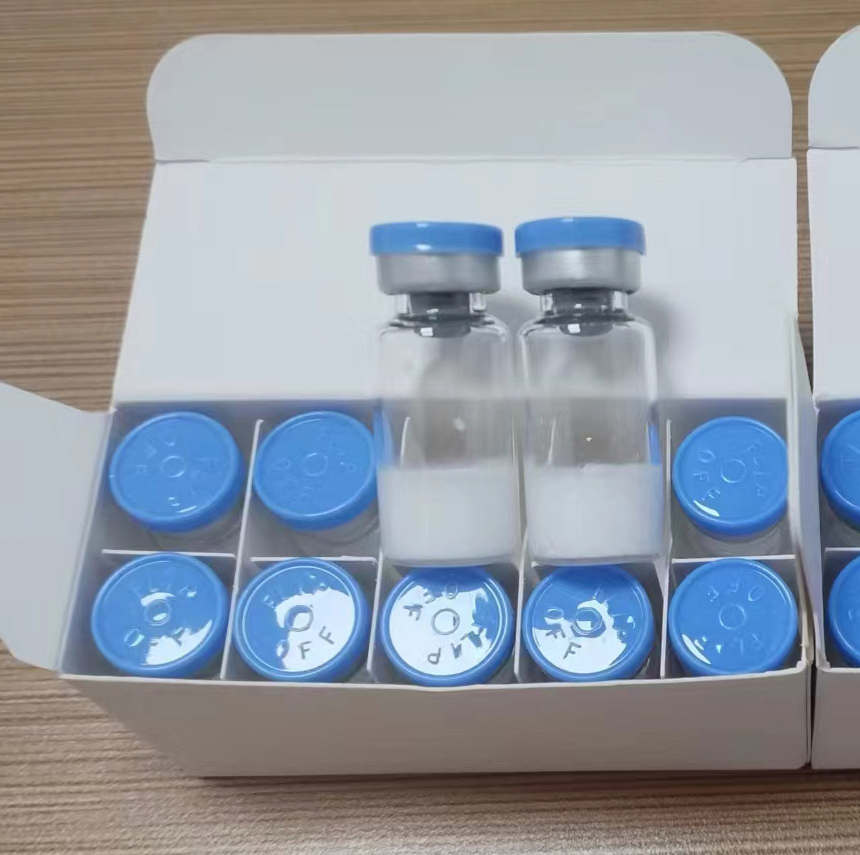
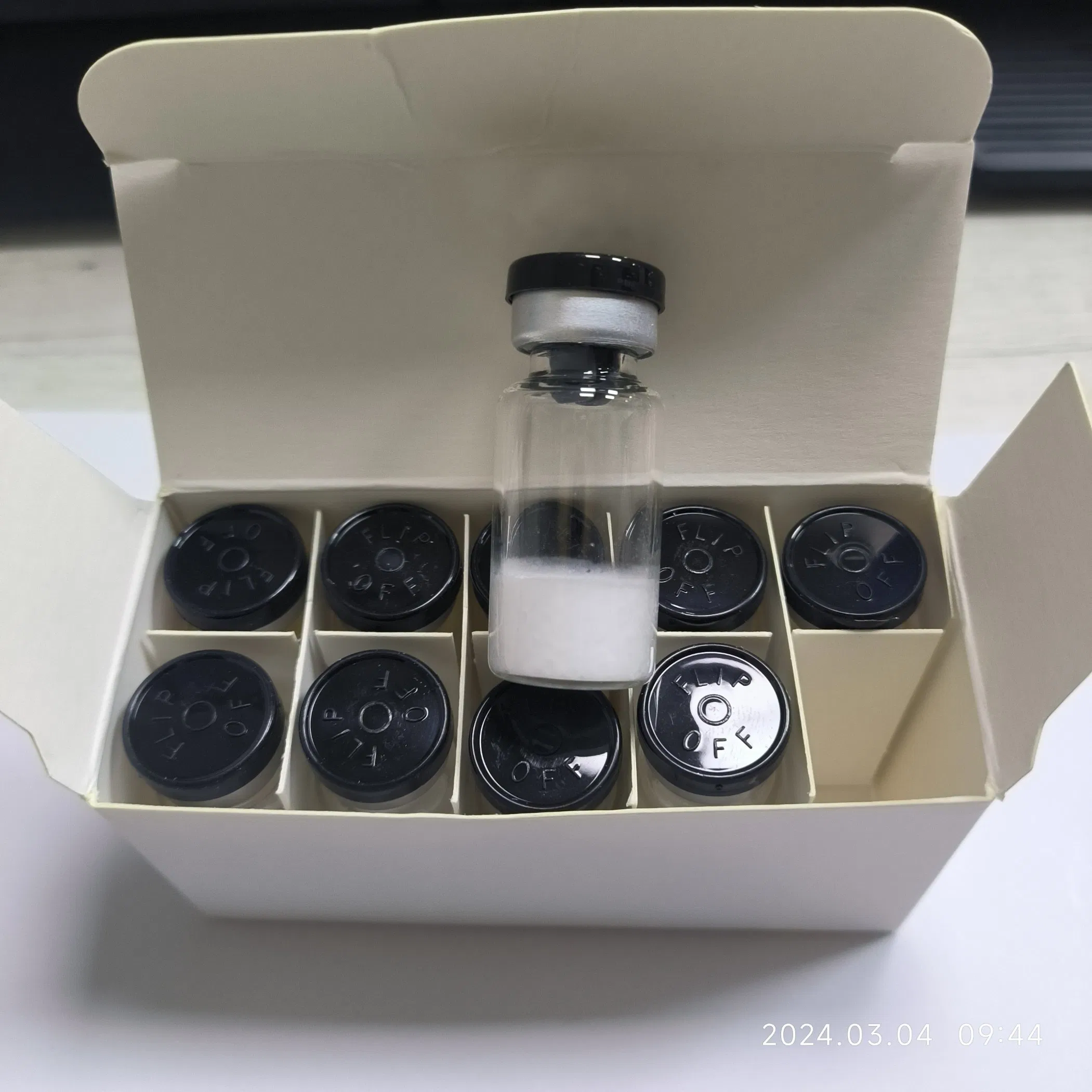
Basically mimics teh natural satiety signal your body already makes, but it's engineered to stick around longer and hit the receptors harder — we see researchers using it to study appetite suppression pathways and metabolic shifts, usually paired with a GLP-1 agonist like semaglutide for that dual-action approach.
Purity's 99.5% or better by HPLC, molecular weight comes in at 3964.3 g/mol, and the CAS is 1415456-99-3 — that 24-month shelf life is real if you keep it at -20°C and away form light, but we usually have stock, so confirm lead time for anything over 50 vials or so.
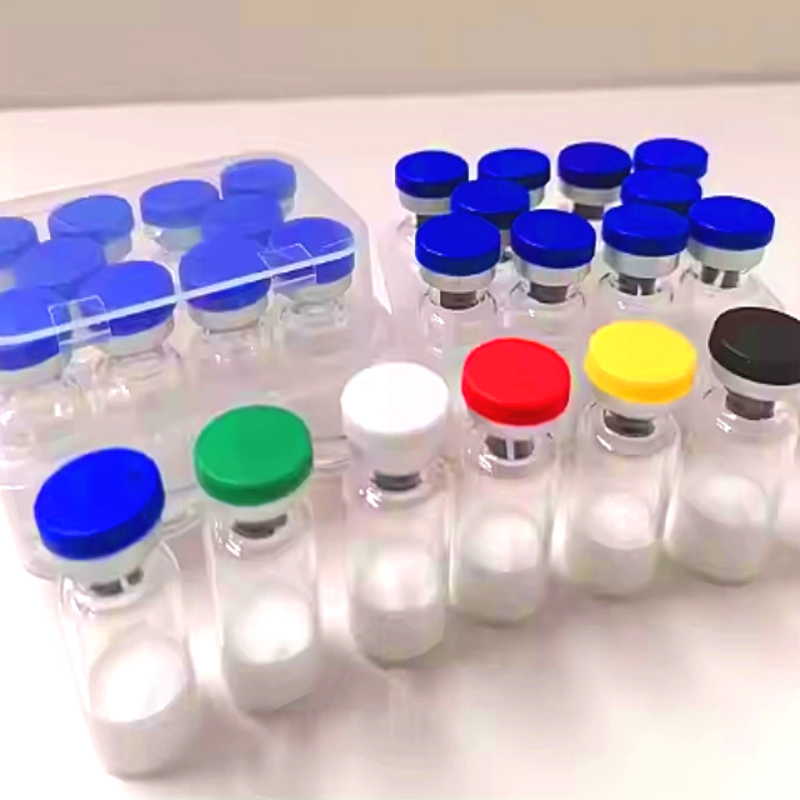
It's not great for acute dosing studies in small rodents because the solubility profile is finicky at lower concentrations — most buyers go with the 5mg or 10mg vial sizes for reconstitution, but we can do custom vial sizes and labeling if you need a specific concentration or batch synthesis for a multi-arm study.
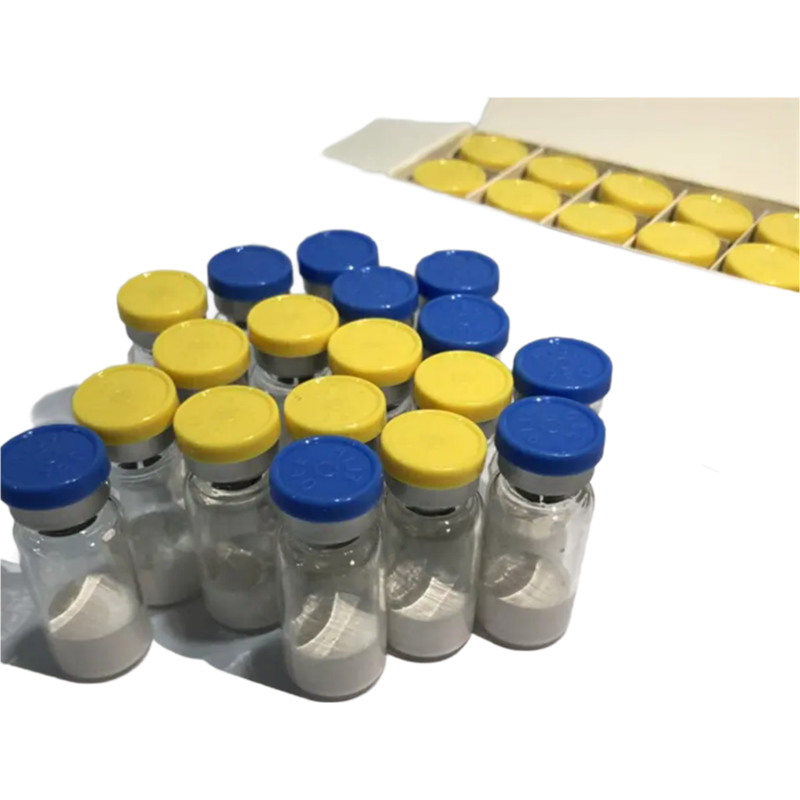
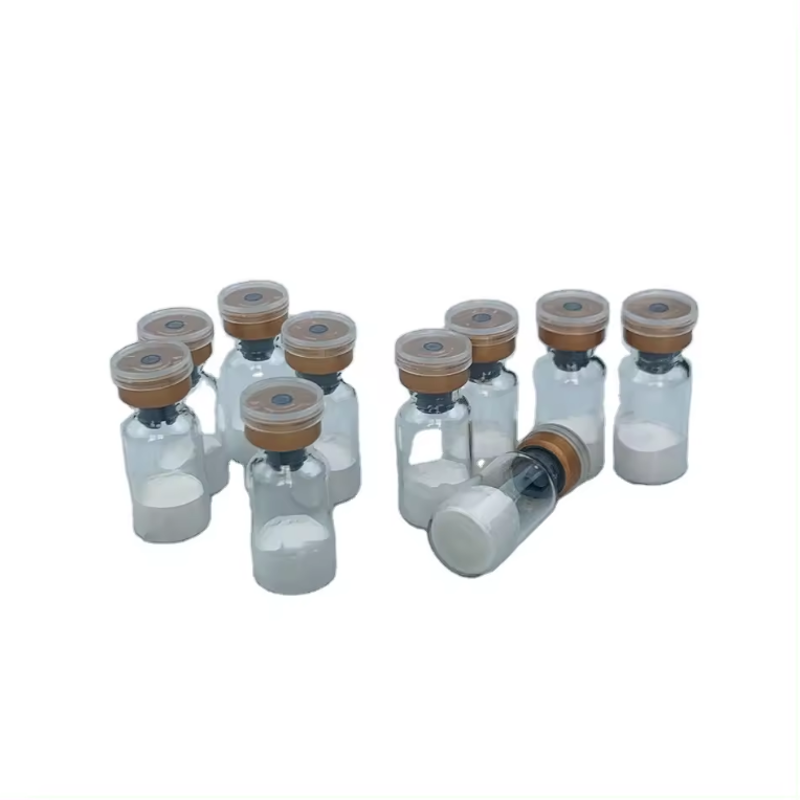
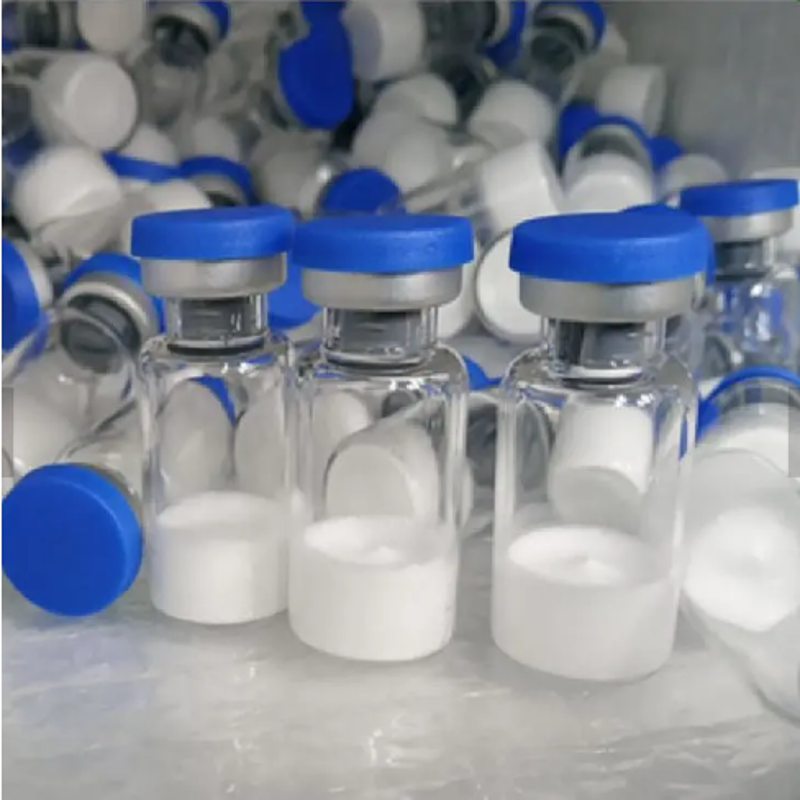
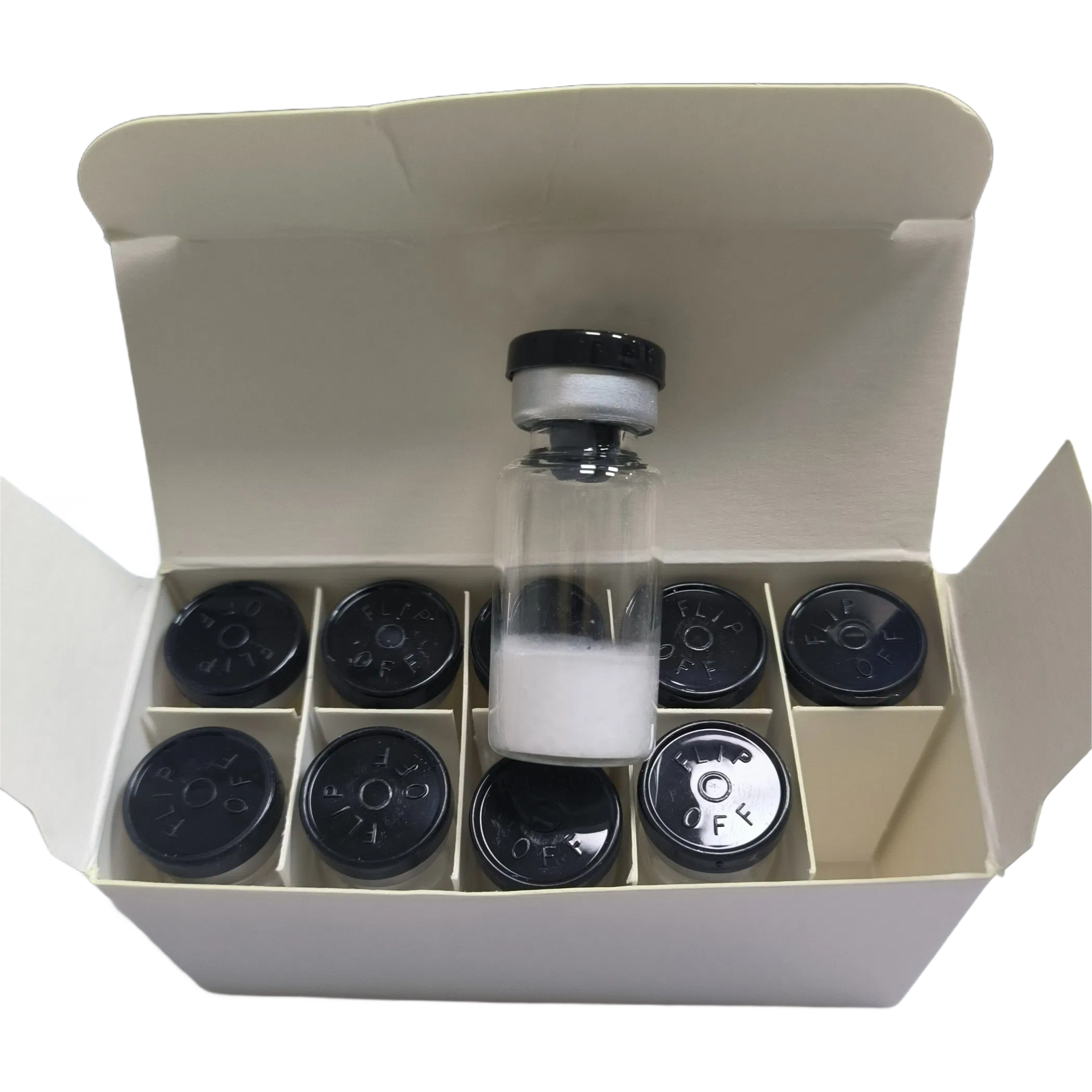
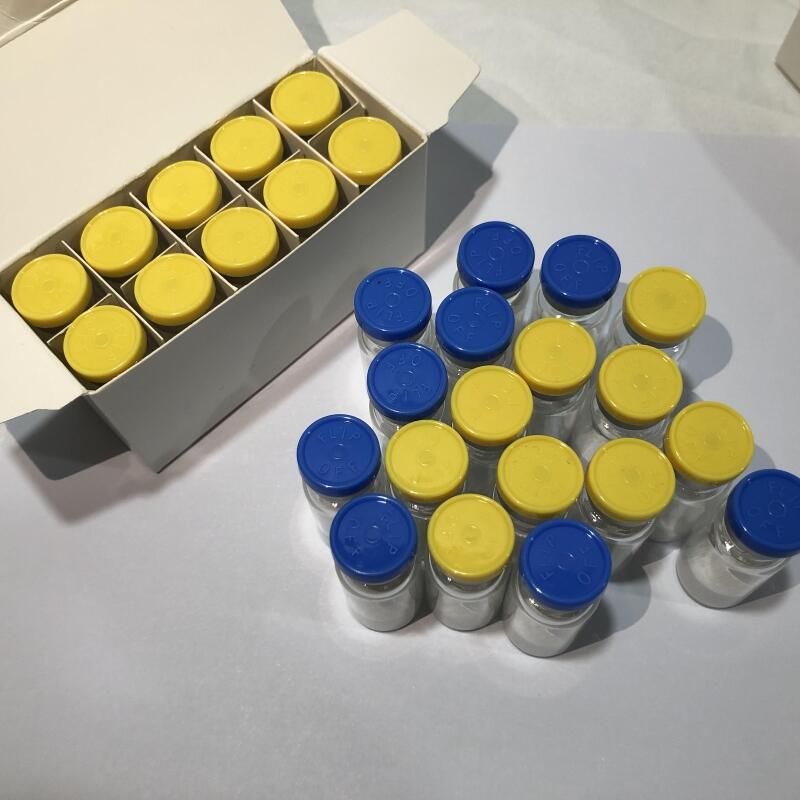
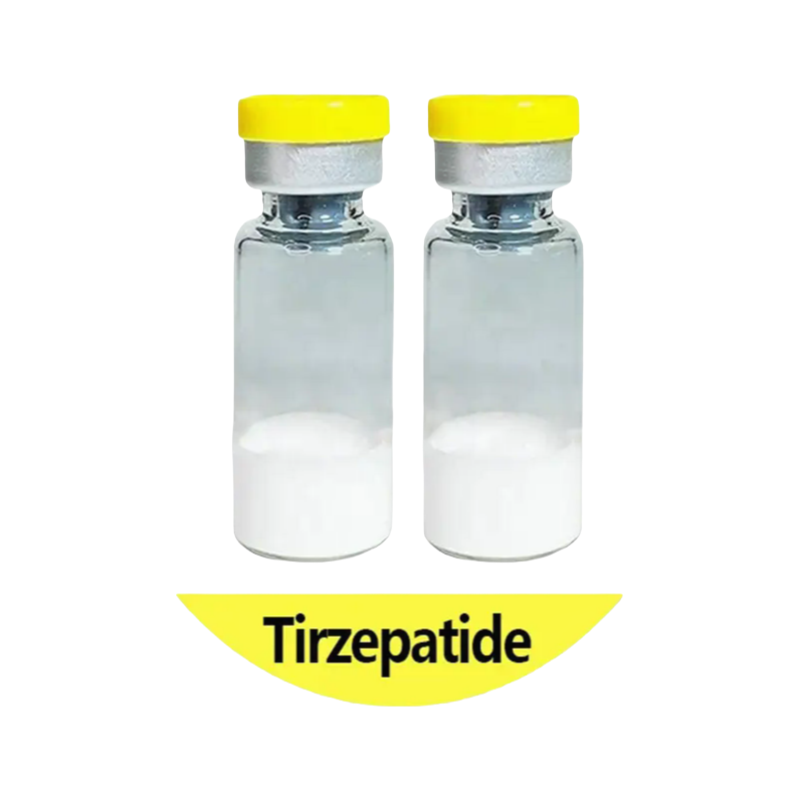
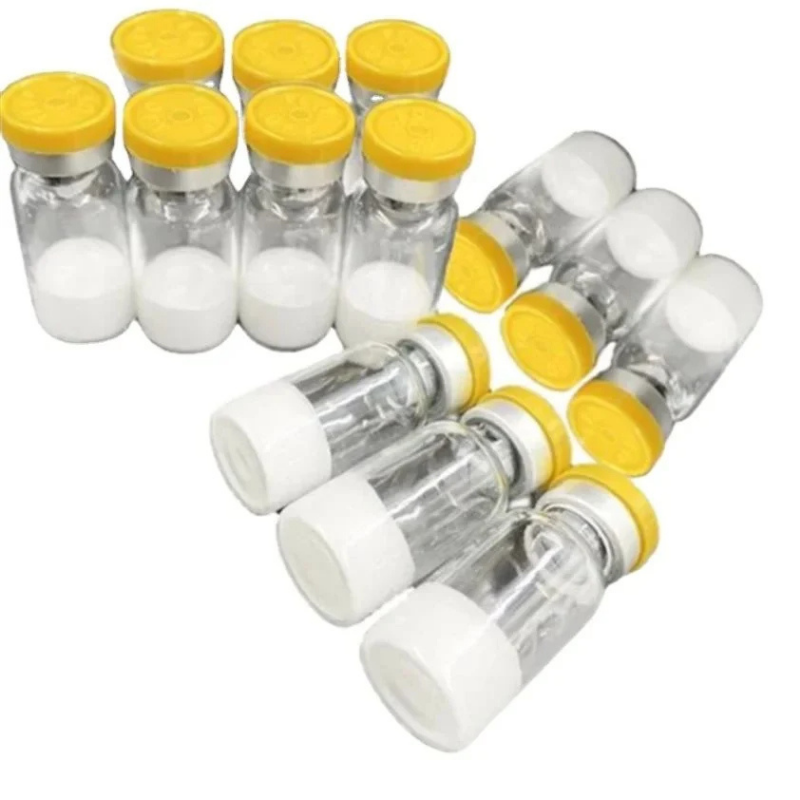
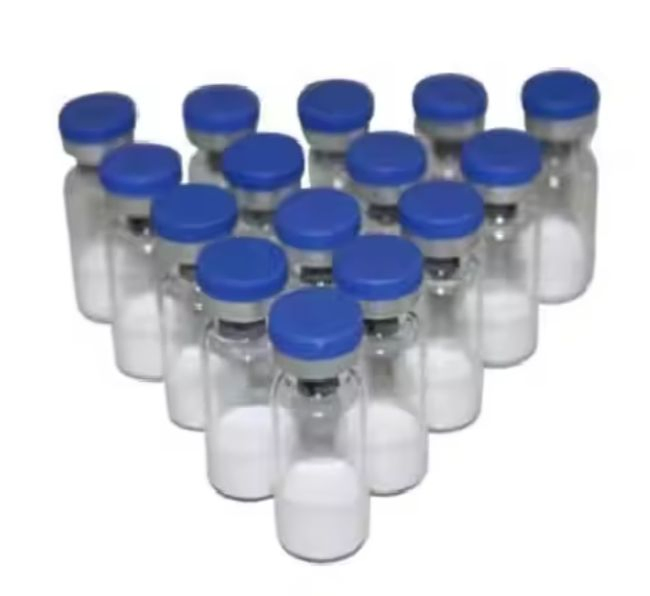
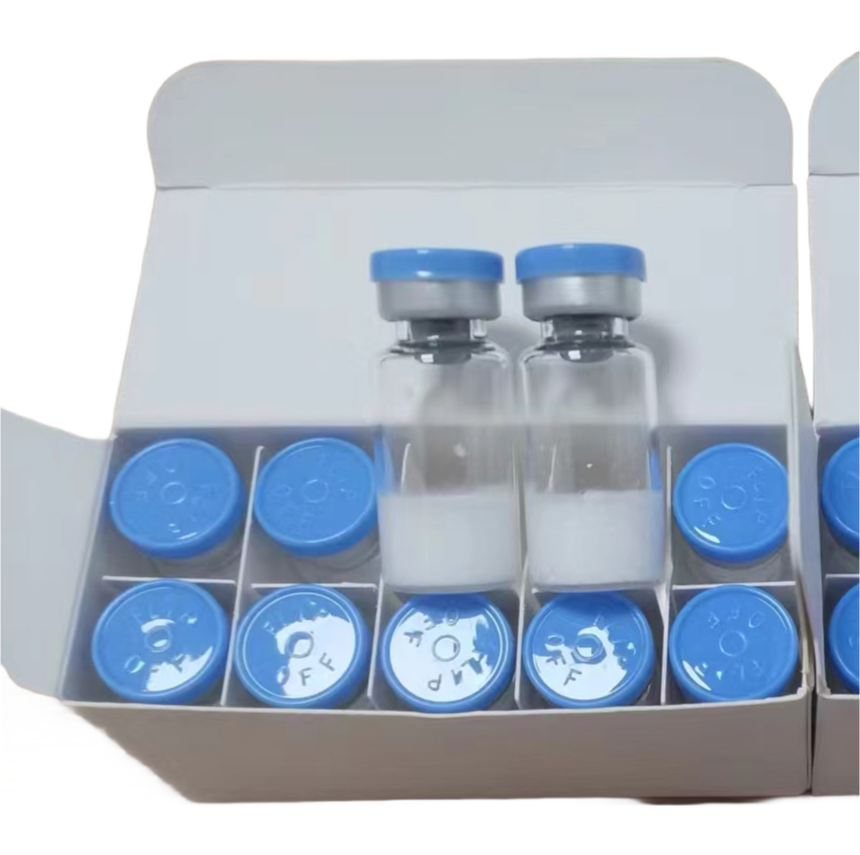
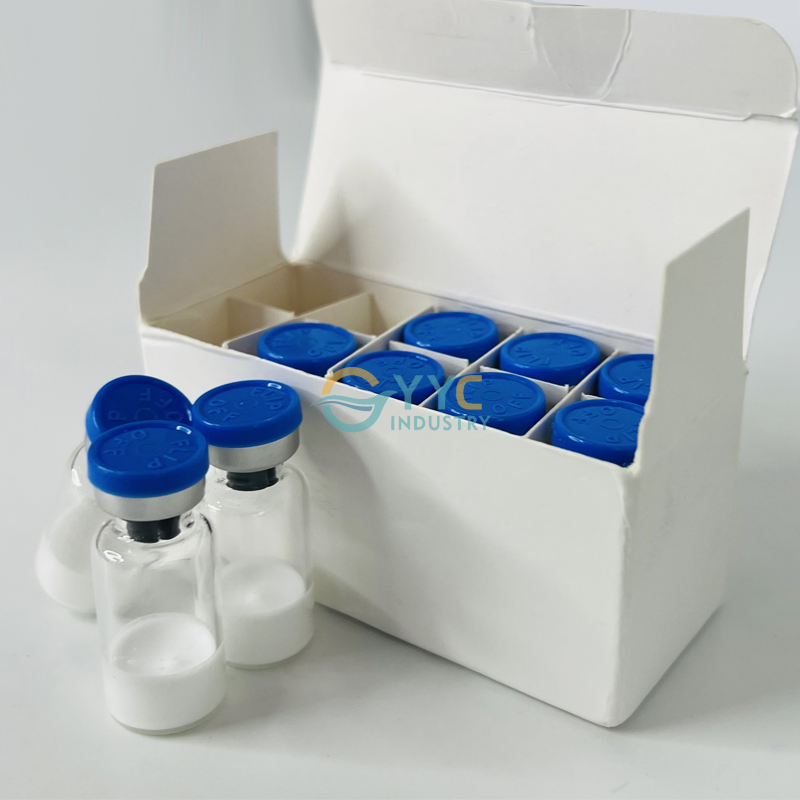
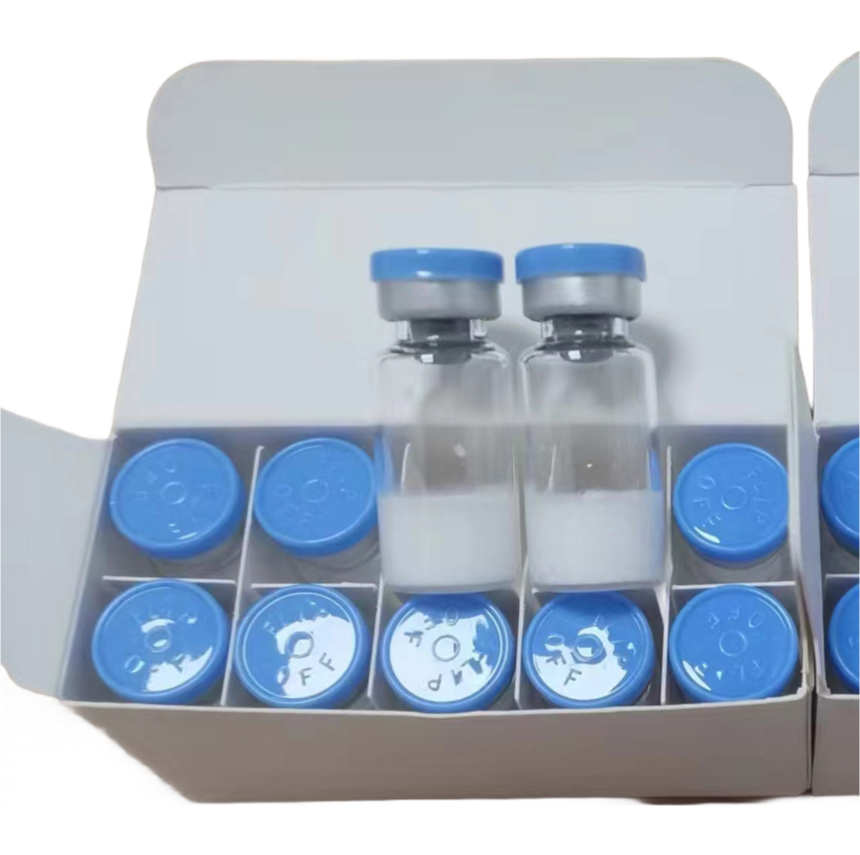
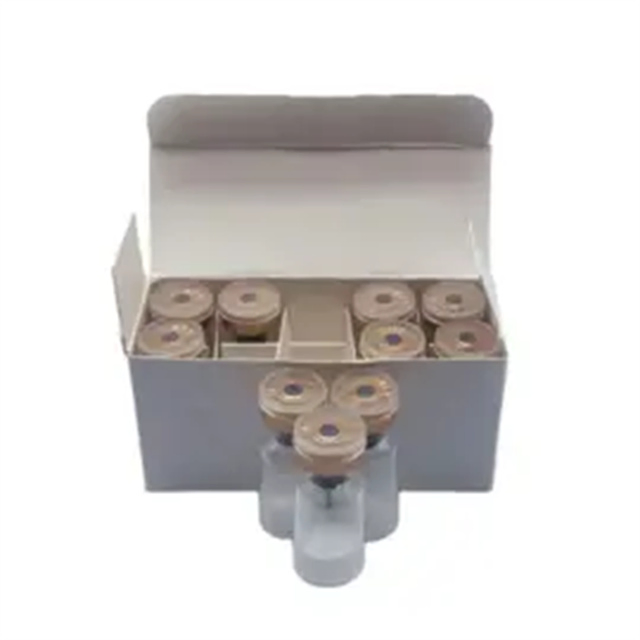
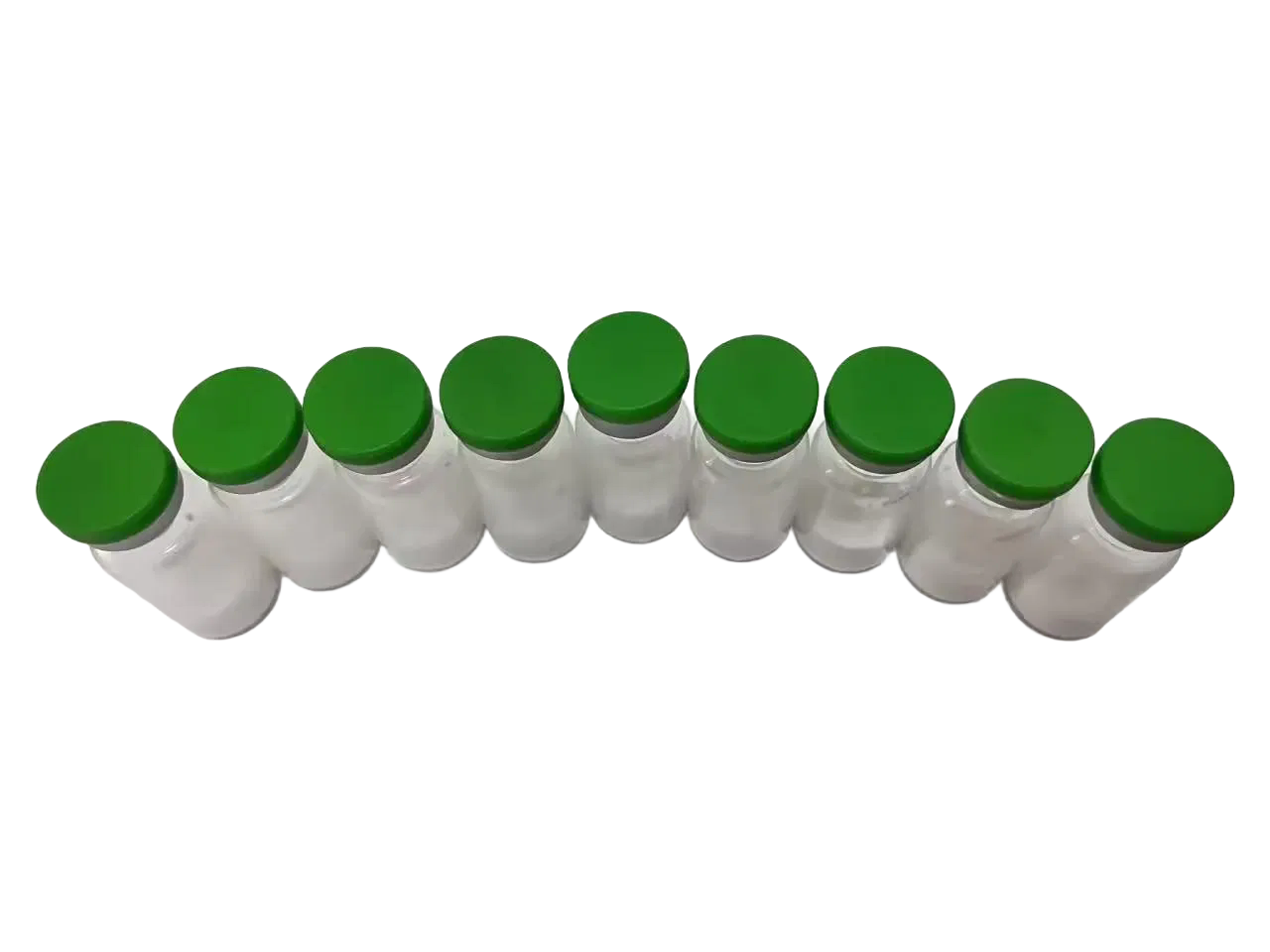
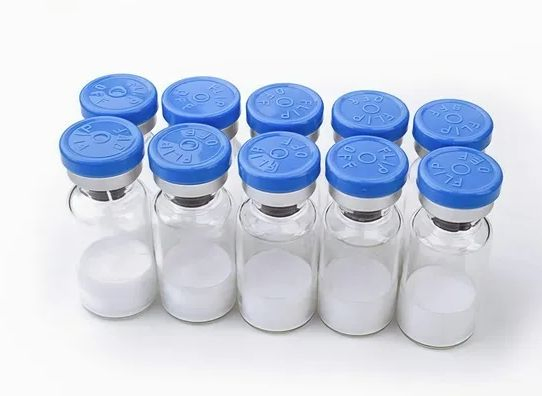
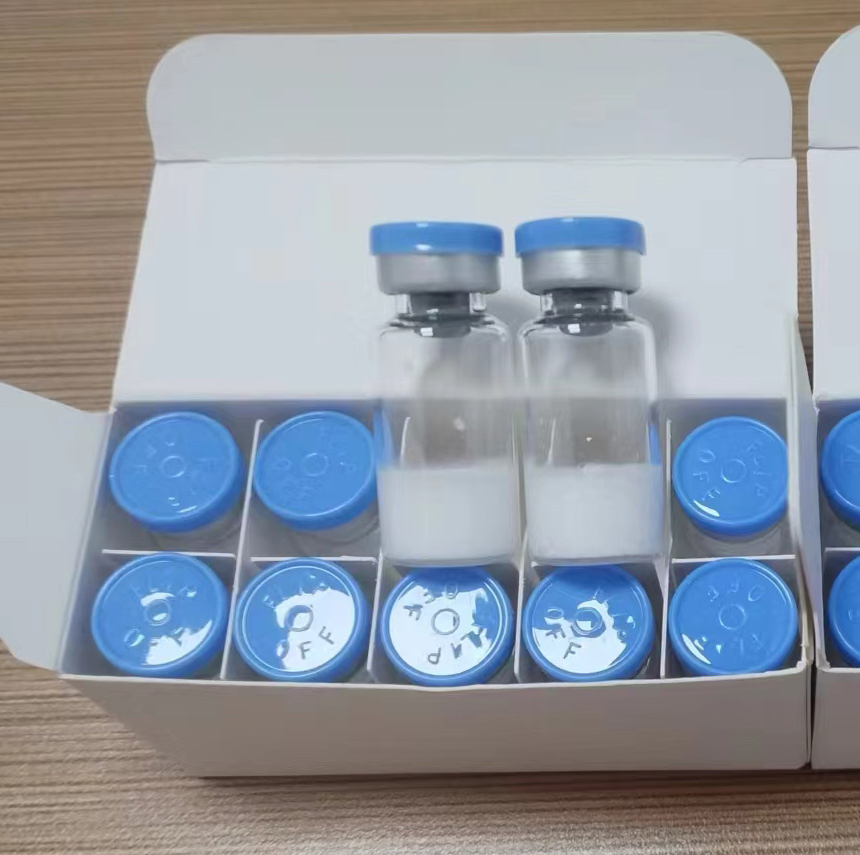
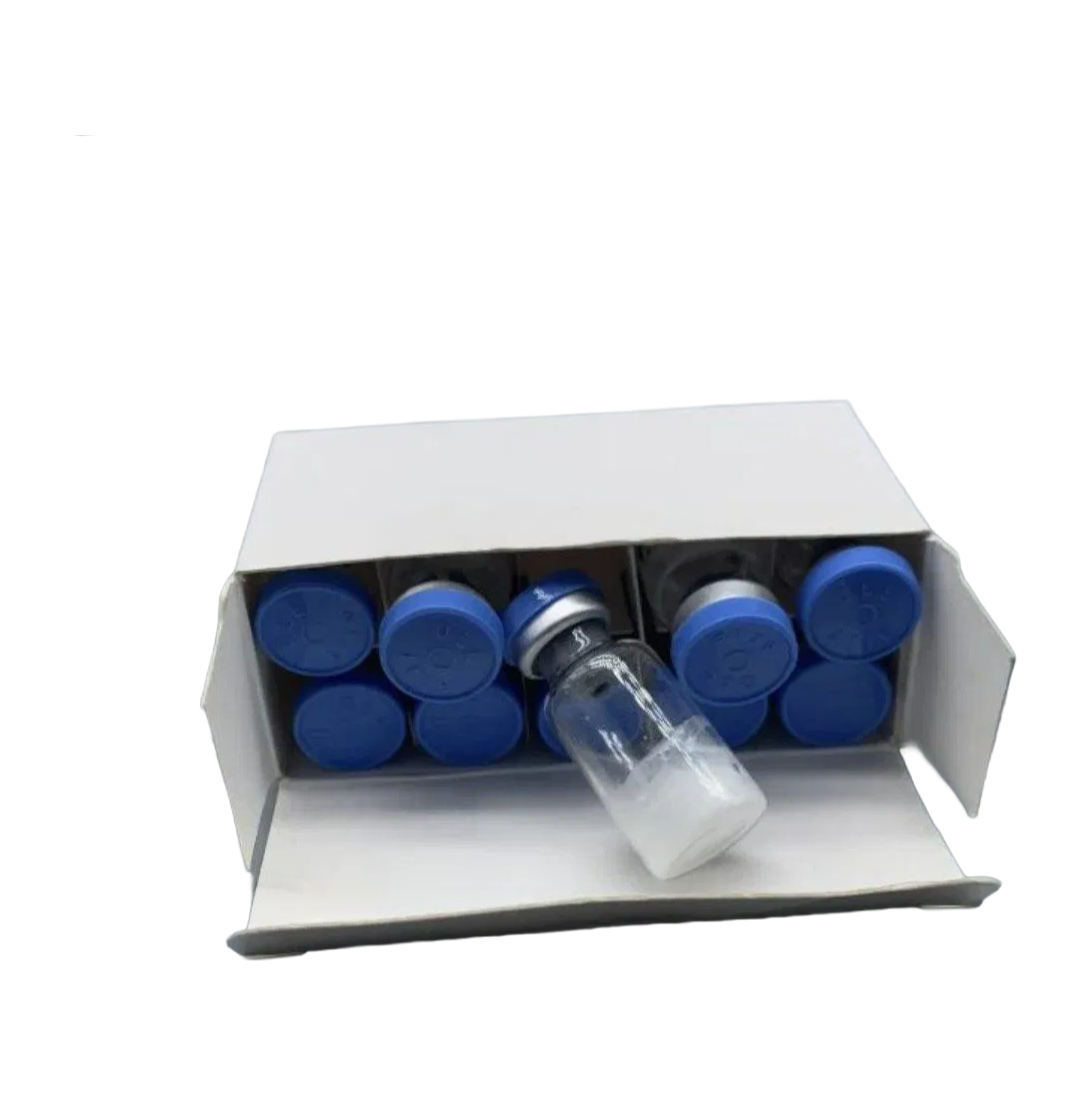
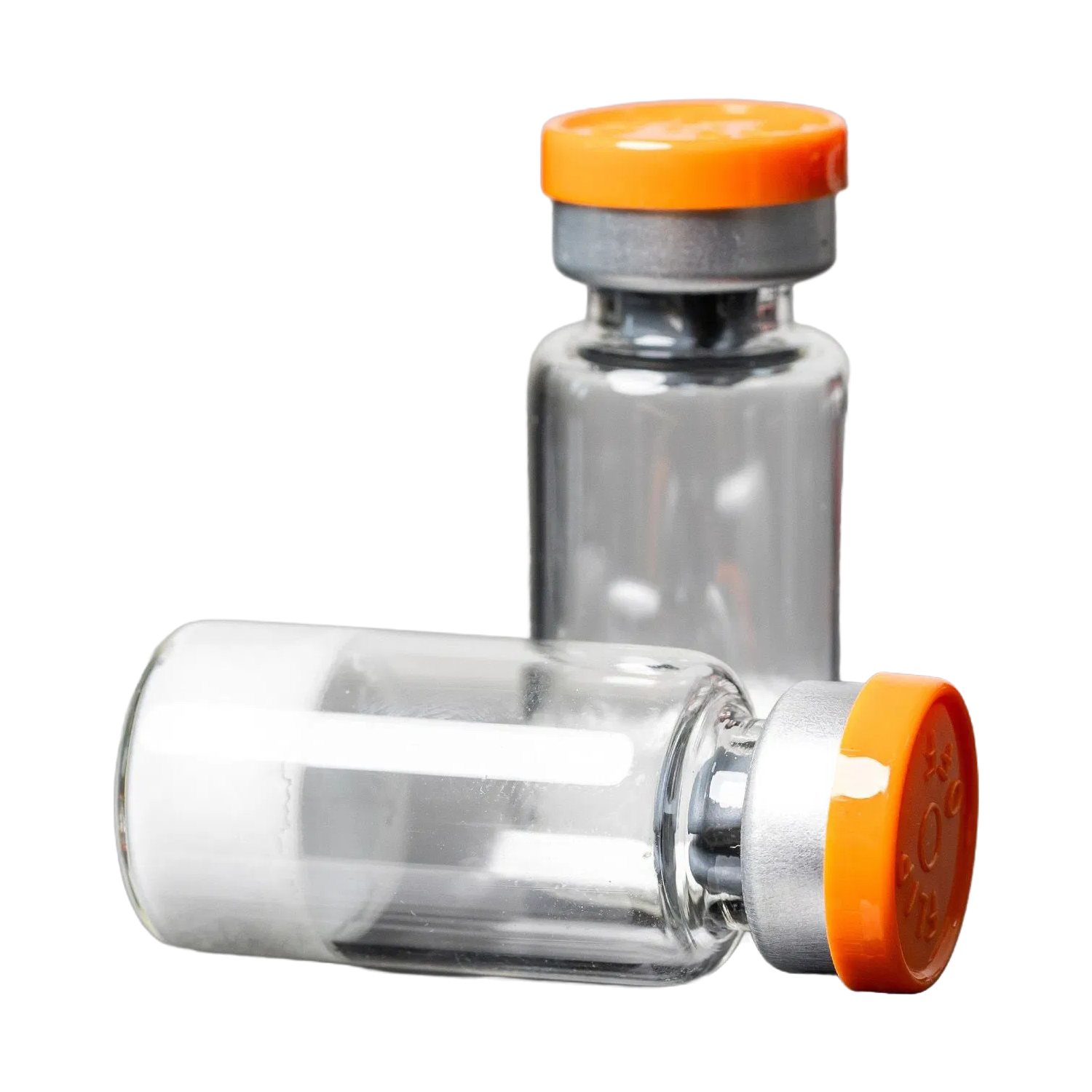
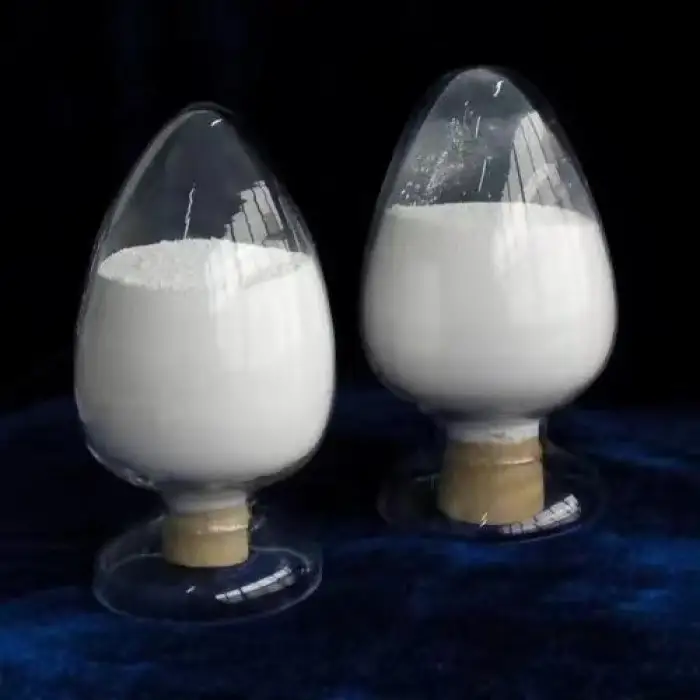
Also, the lyophilized powder looks white and fluffy, not a hard cake like some older batches we had — you'll know it's good when it dissolves clean in water without any haziness, which is a detail most spec sheets skip.
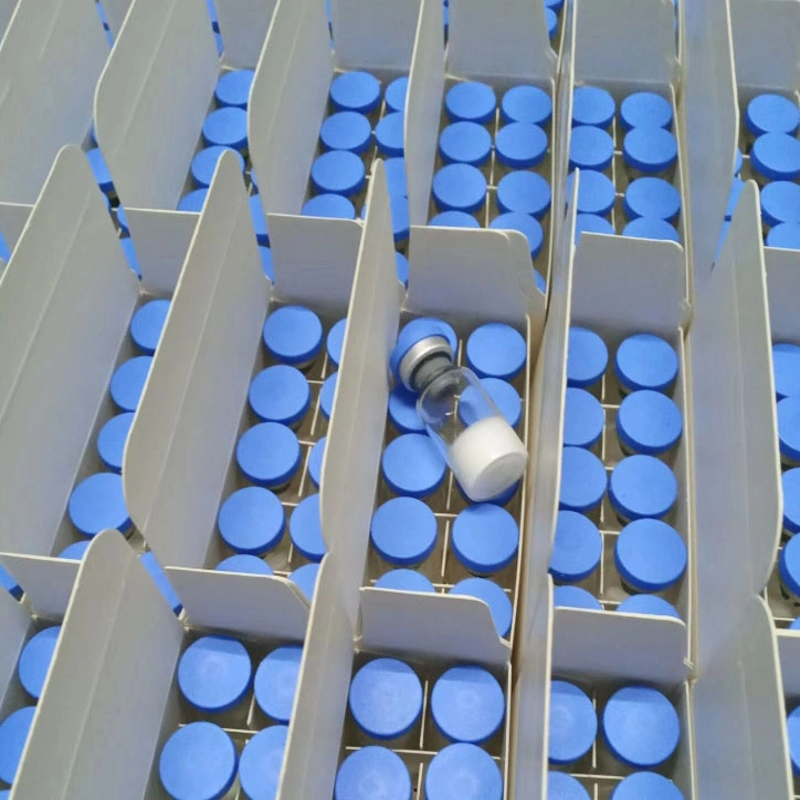
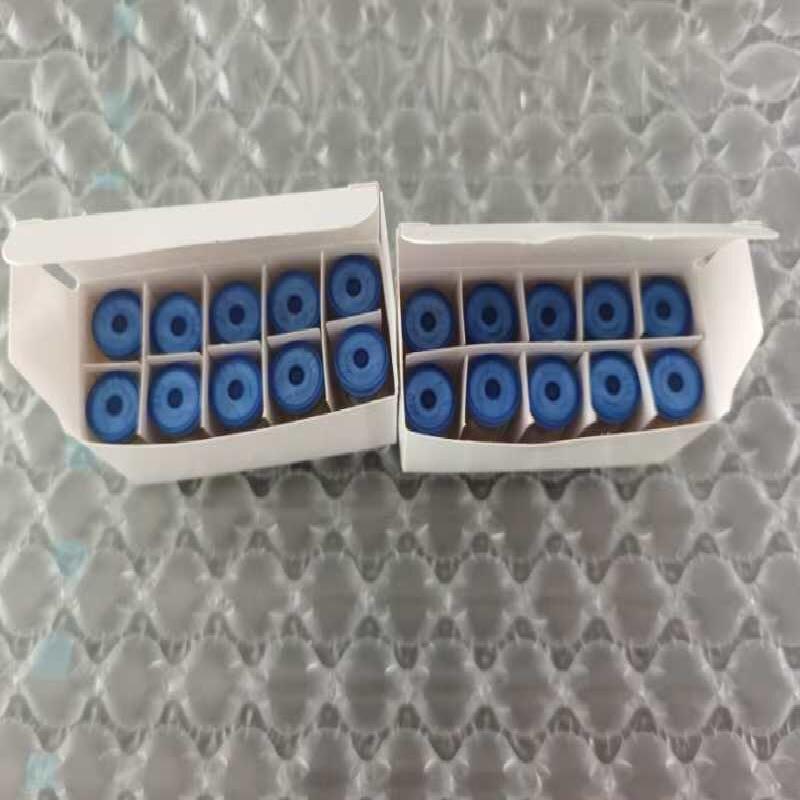
Anyway, for ordering, we do 25 vials per case as standdard MOQ, but if you're running a chronic study over 12 weeks or more, let me know total mg you need and we'll quote bulk synthesis pricing (usually a 15-20% discount over 100 vials).
Our MOQ is typically 1 gram, but we can accommodate smaller research quantities depending on availability. Contact us to confirm.
Yes, every batch comes with a COA showing HPLC purity ≥99.5% and other specs like appearance and solubility. Just request it with your order.
Reconstitute in sterile water or bacteriostatic water, then store at -20°C and protect from light. The lyophilized powder stays stable for 24 months under those conditions.
It's Cagrilintide acetate, also known as Caglitide, with CAS 1415456-99-3. The acetate salt is standard for research use.
We can adjust packaging sizes for bulk orders, like 5g or 10g vials, but standard is 1g per vial. Let us know your needs.