Account
Inquiry
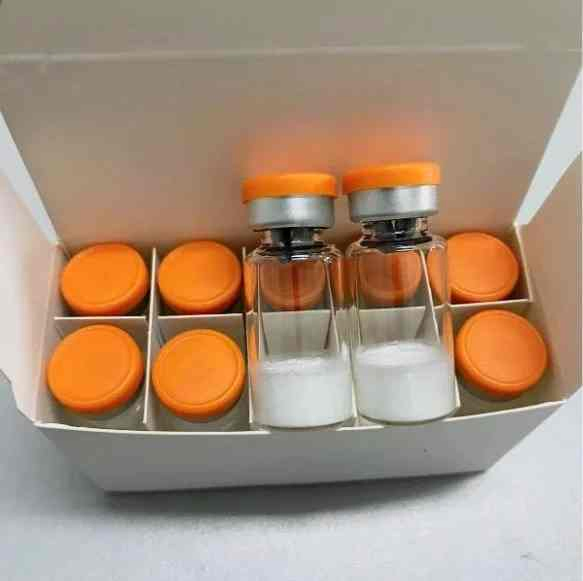
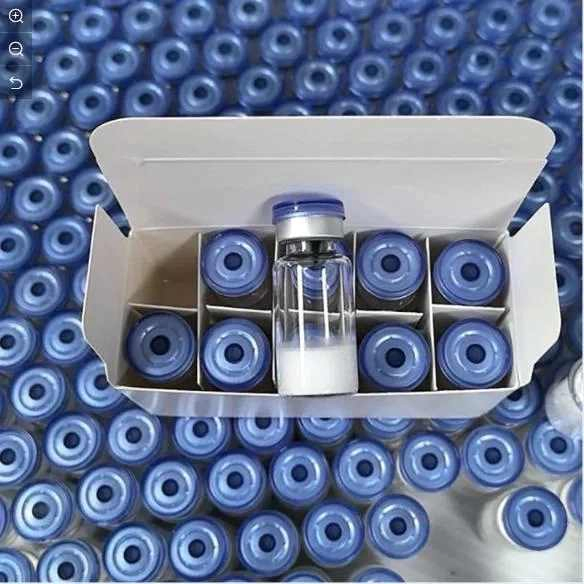
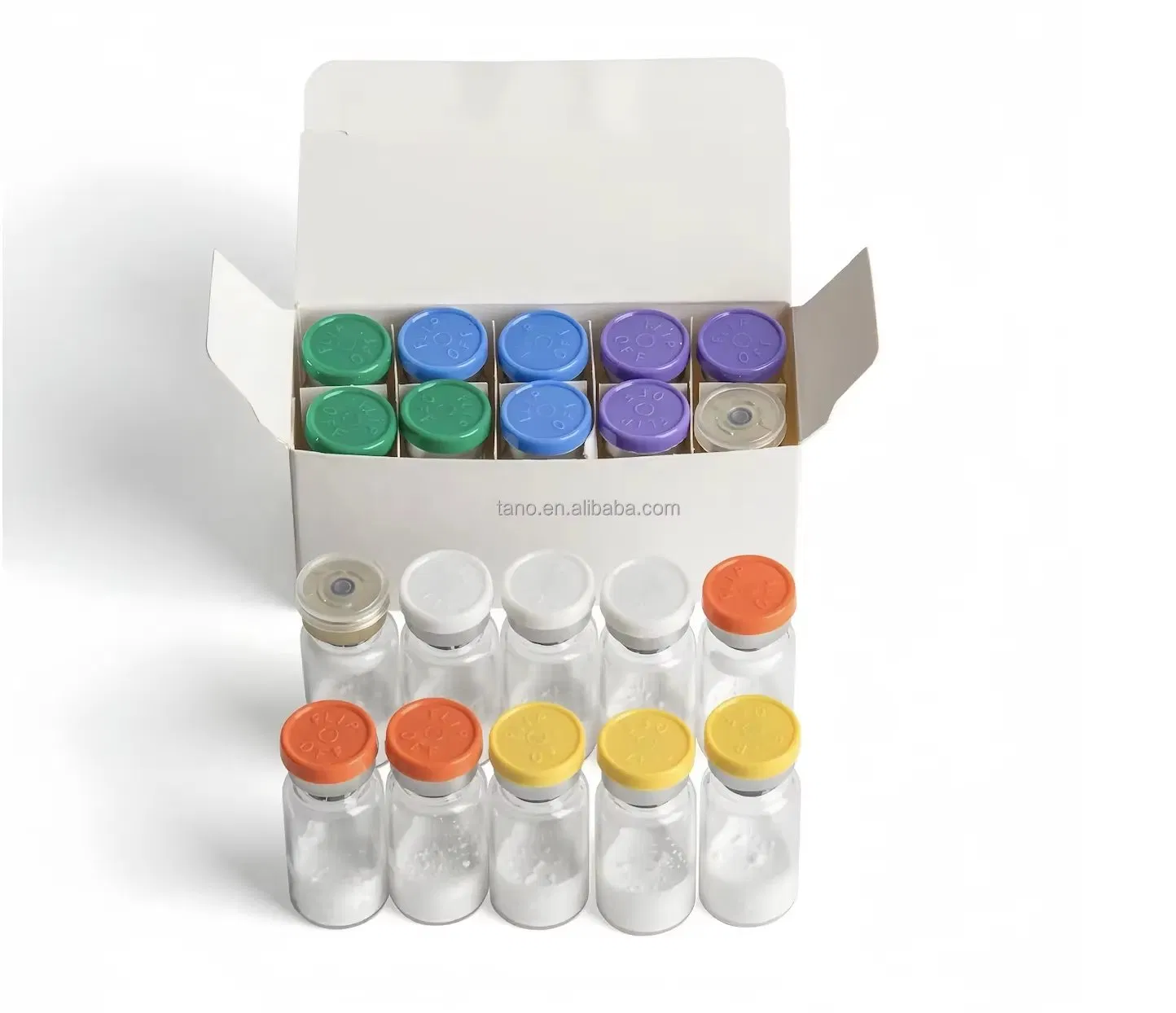
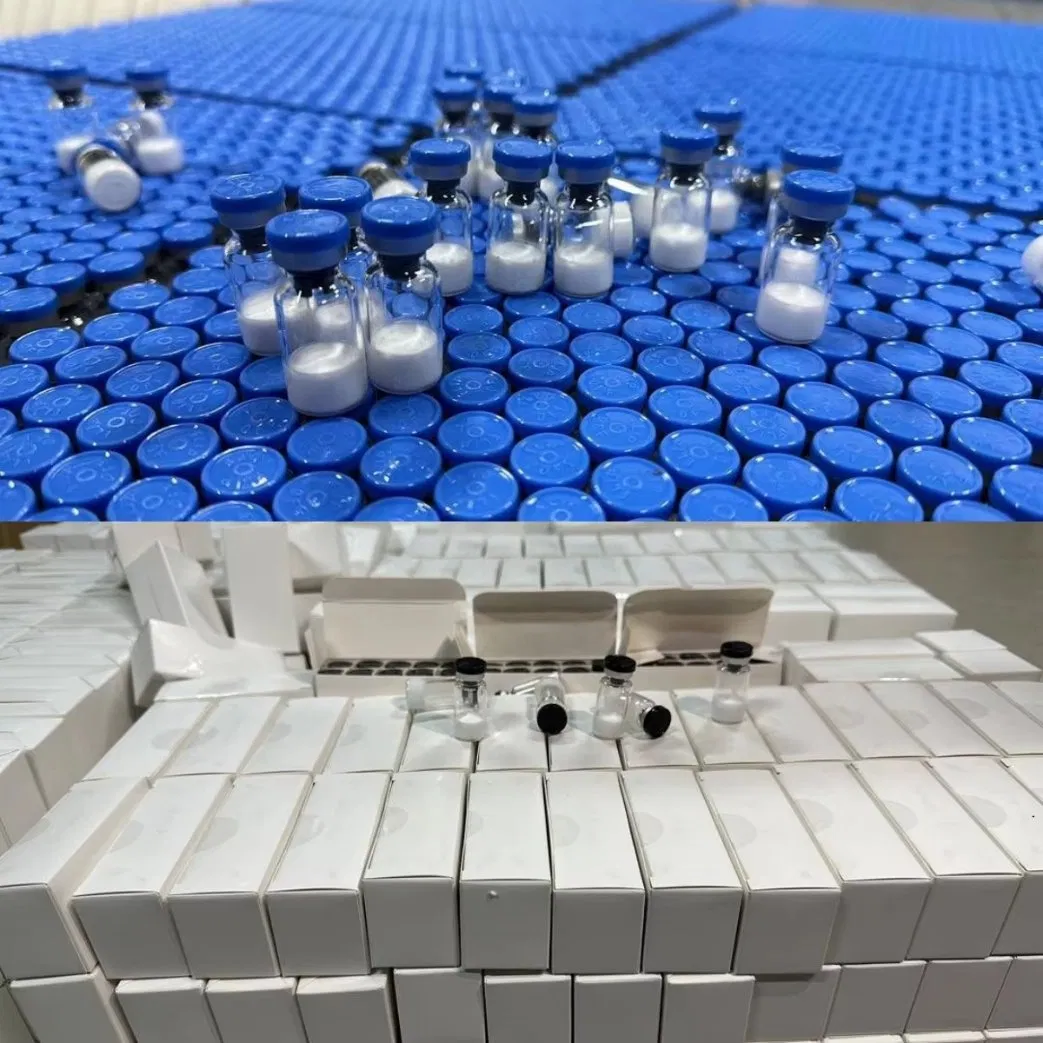
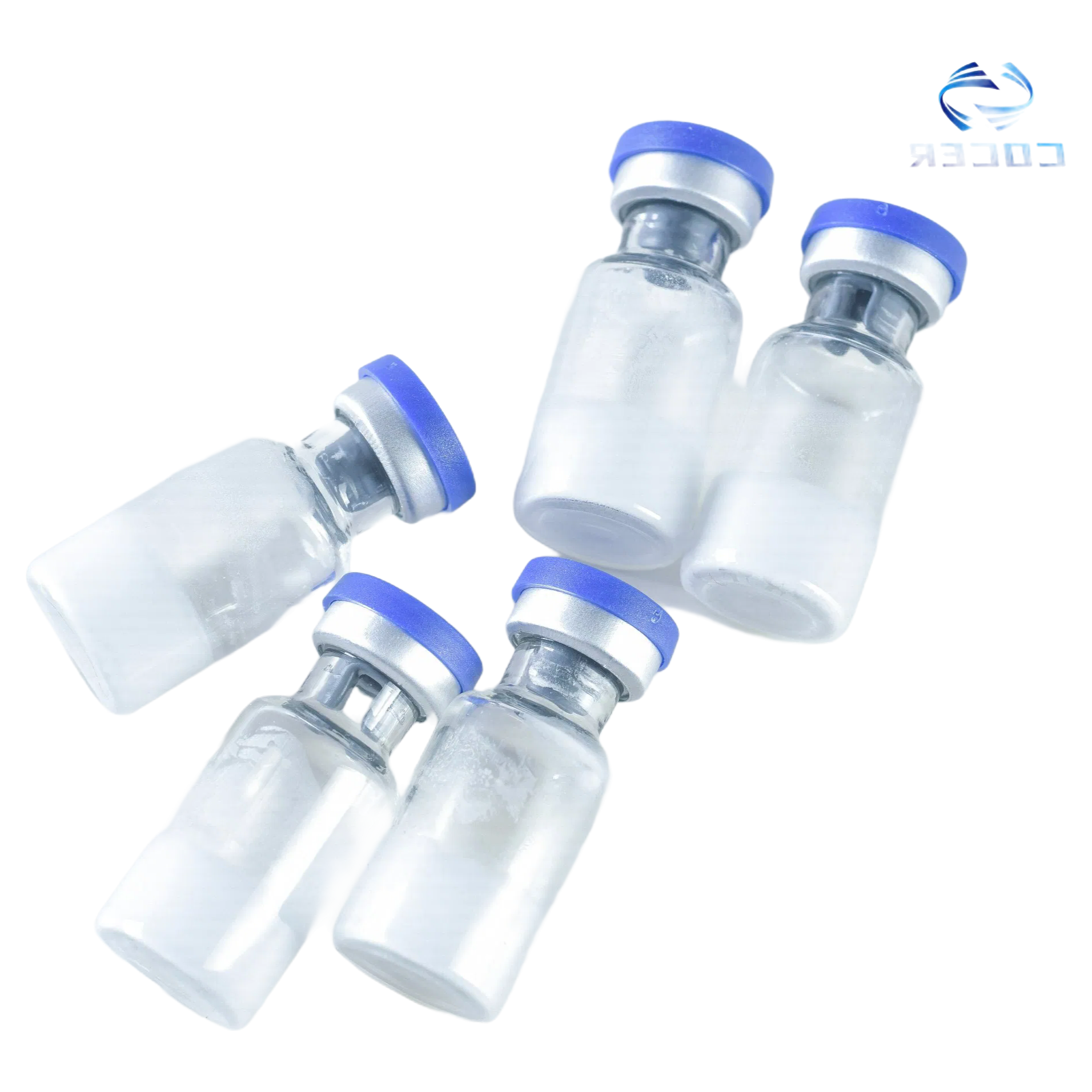
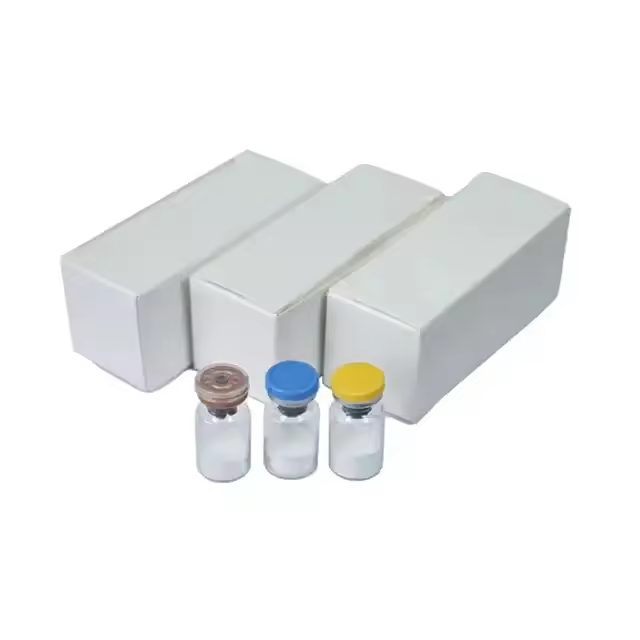
We had a lab manager scrambling to find reliabel source for retatrutide ahead of a critical metabolic study, and the 99% purity rating on this lyophilized powder made it the go-to pick—HPLC verification gave us teh confidence to place a bulk order without second-guessing.
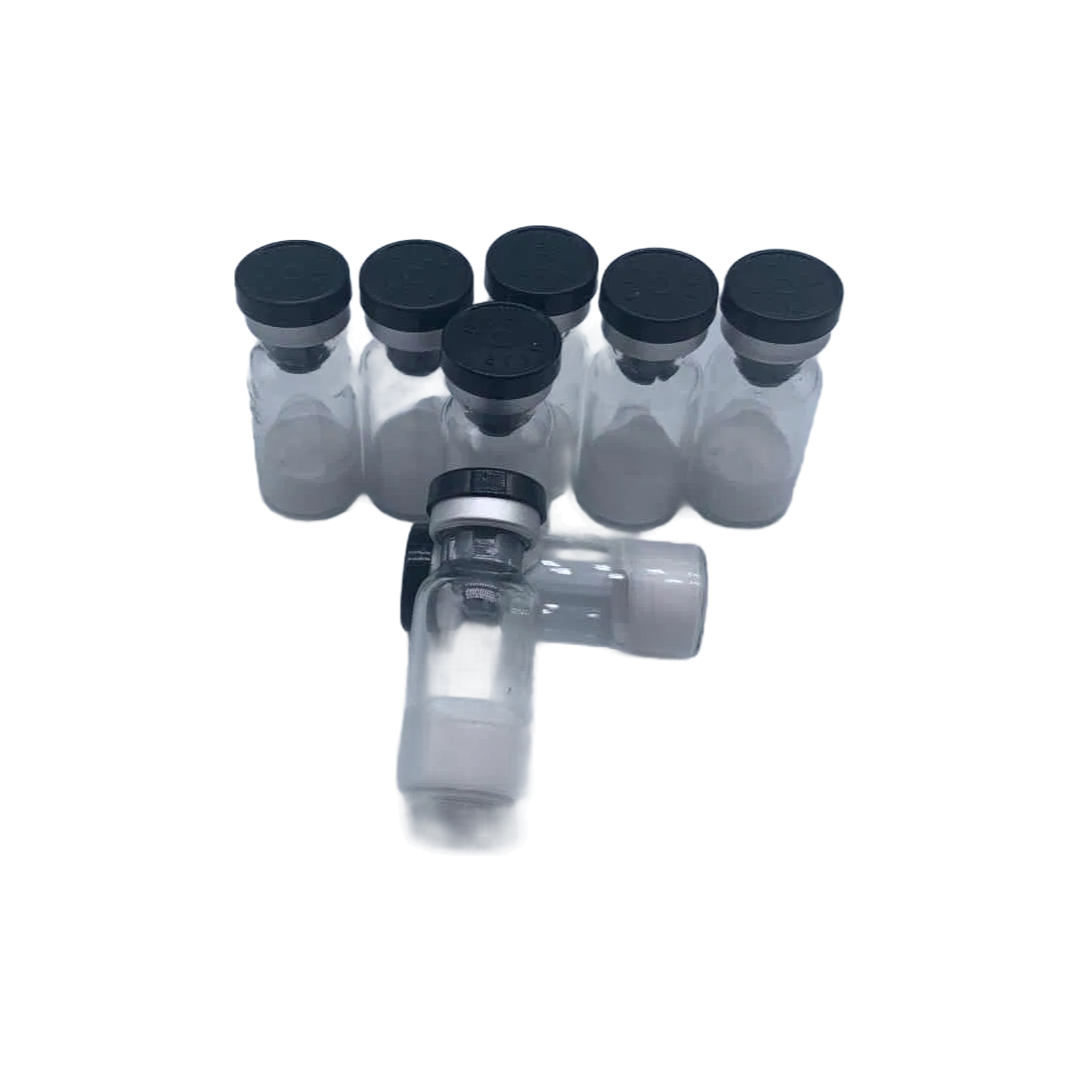
The molecular weight sits at 4114.6 g/mol with a formula of C184H282N50O57, and it’s a white lyophilized powder that dissolves cleanly in water for reconstitution—storage demands a steady -20°C freezer, and honestly, that’s standdard for any research-grade peptide we handle.
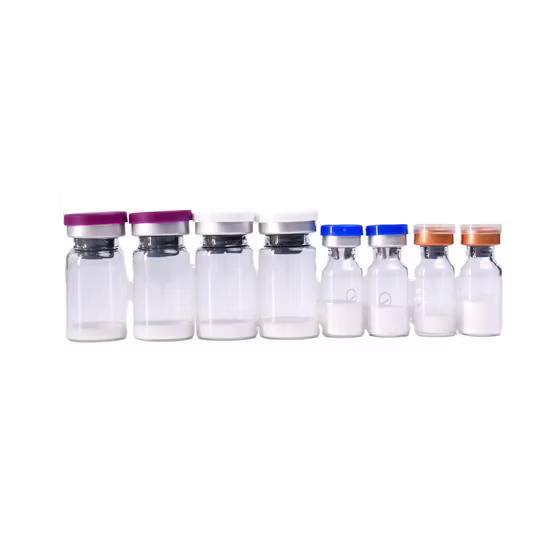
For weight loss research, we’ve used this compound in dose-response trials across 2mg, 5mg, and 10mg vial sizes, but the 24-month shelf life holds only if you keep the vials sealed and dry—one batch we left out too long degraded faster than expected, so follow the storage specs to the letter.
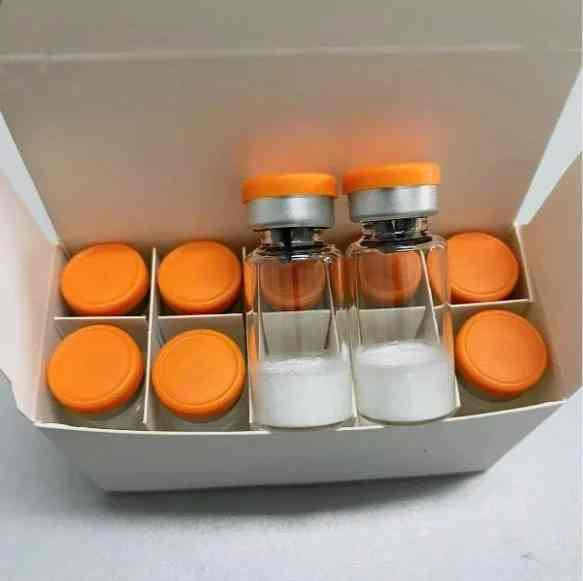
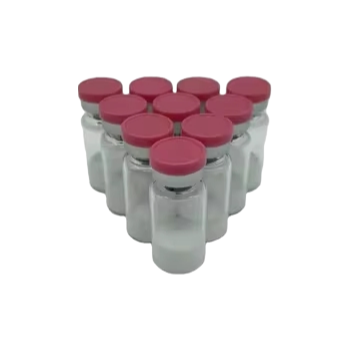
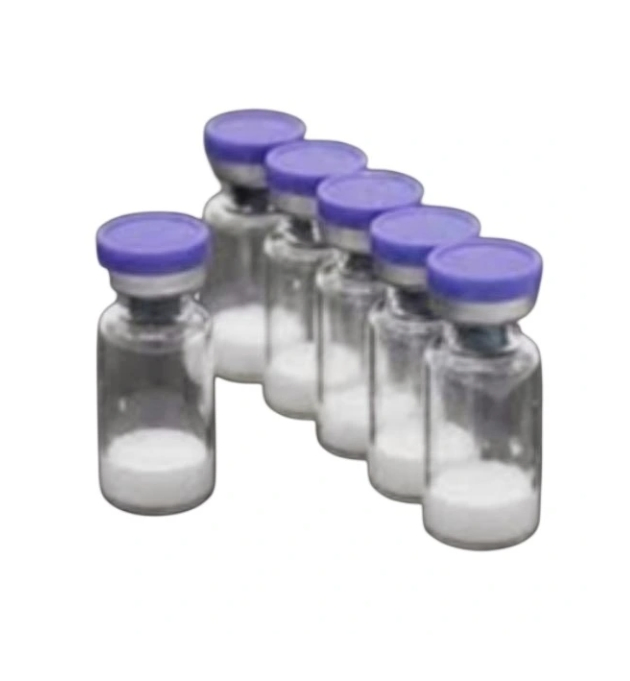
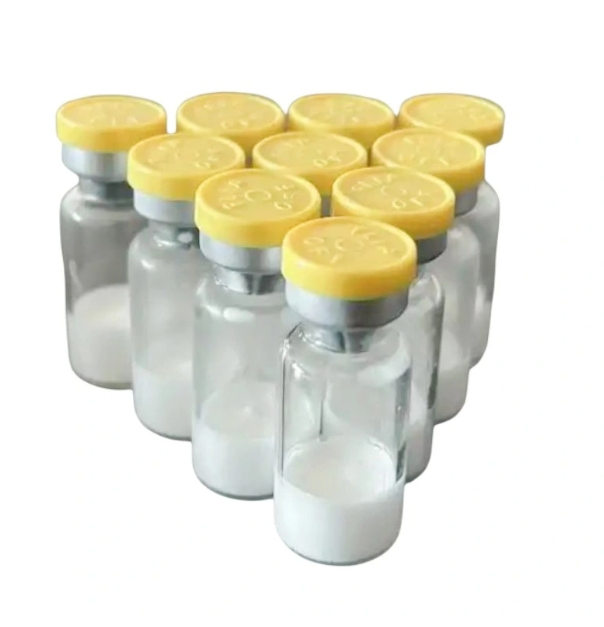
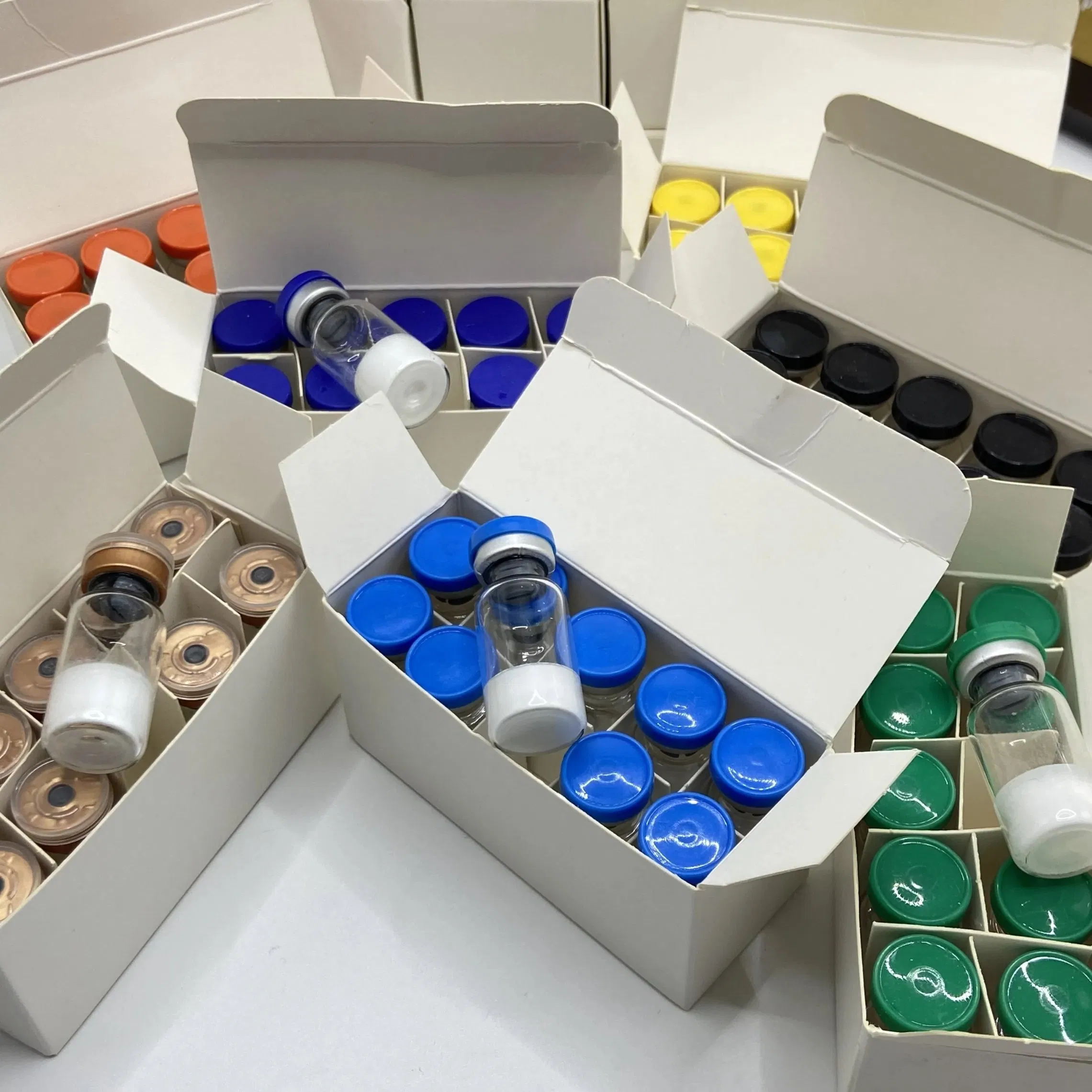
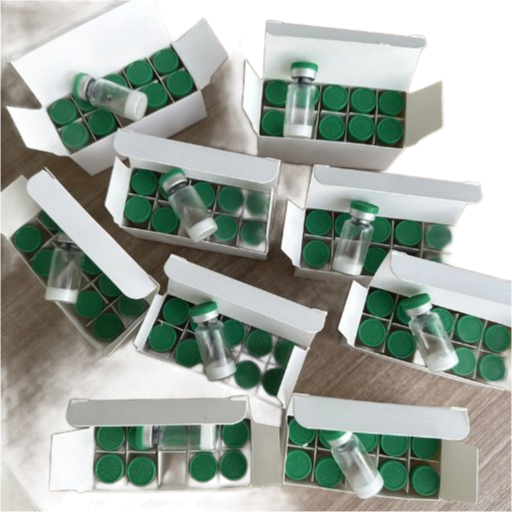
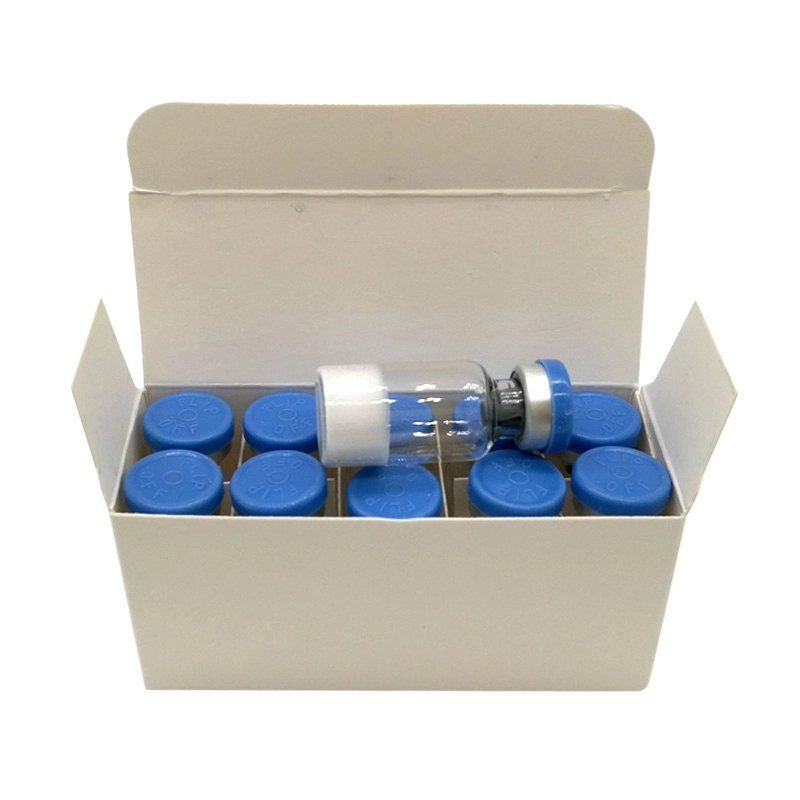
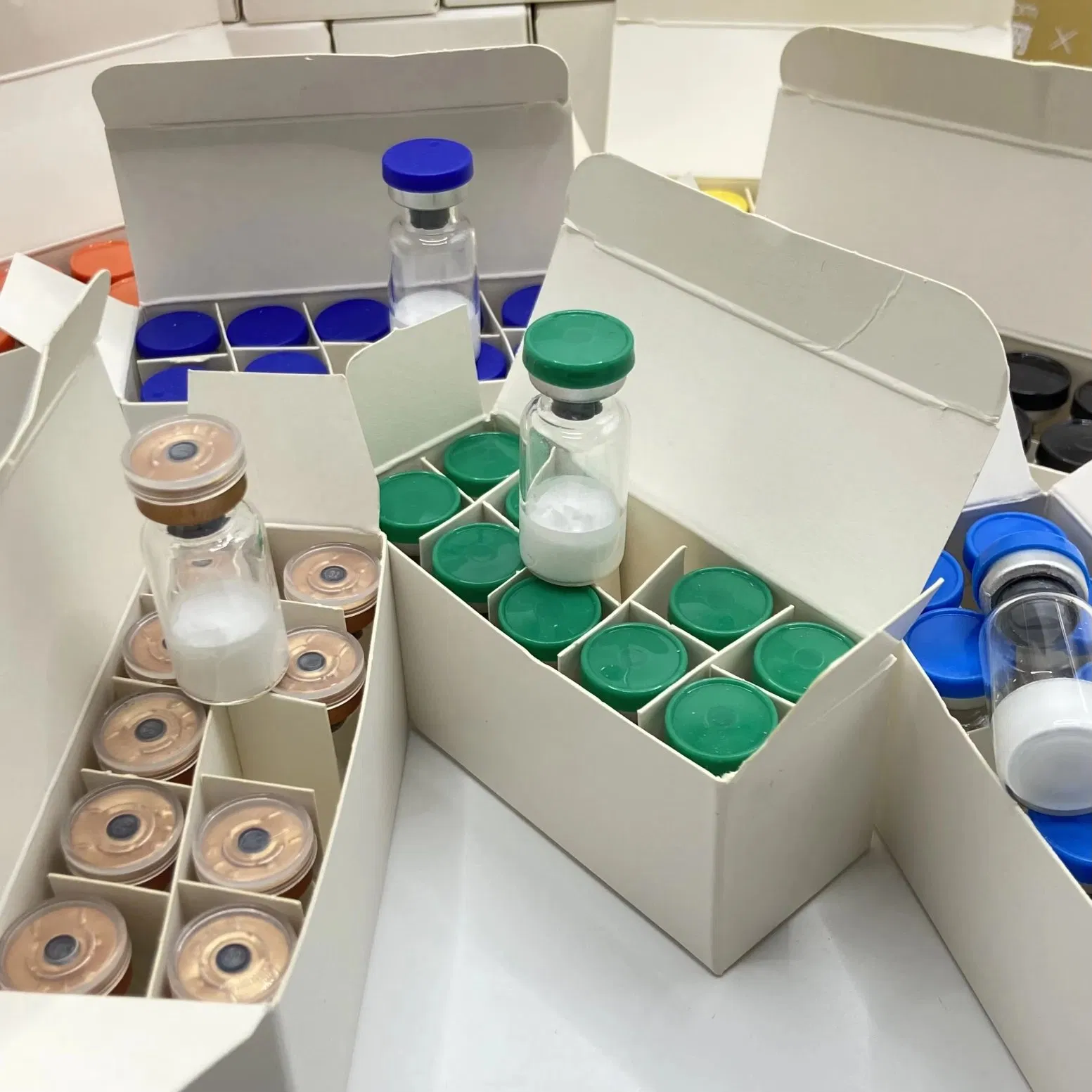
The sterile vials ship in sealed packs with MS data sheets attached, and ordering multiple sizes in one go cuts down on repeat paperwork, which our procurement team appreciated.
Purity above 99% means fewer impurities skewing assay results, and that’s been a real time-saver when we’re running parallel studies with tight deadlines.
We buy direct and skip middleman hassle, getting consistent batches delivered within a week every time.
We can adjust vial sizes for custom orders, but lead time typically runs 7–10 business days for new sizes. Minimum order is usually 10 vials, but let us know your exact needs and we’ll confirm fast.
Yes, we provide HPLC and MS verification reports for every batch of Retatrutide. Just request the CoA with your order, and we’ll include it.
Reconstitute with sterile water or bacteriostatic water—typically 1–2 mL per vial. Swirl gently to dissolve, don’t shake, and keep at -20°C after mixing. Use within a few days to avoid degradation.
Short-term storage at 4°C is okay for up to 48 hours, but for longer stability, -20°C is best. The powder and reconstituted solution degrade faster above freezing, so stick to -20°C for the full 24-month shelf life.
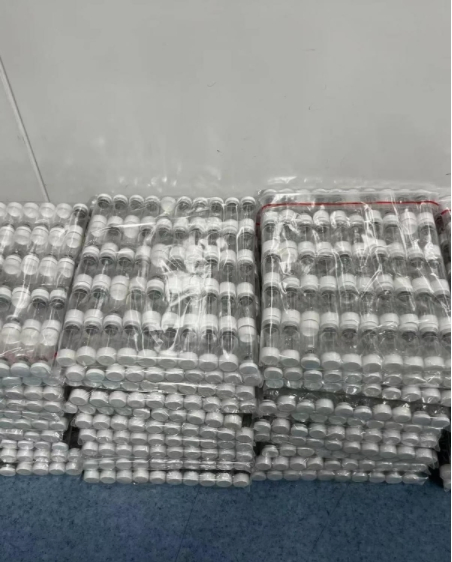
For bulk orders, vials are packed in sealed, sterile trays with desiccant and shipped in insulated containers with ice packs. Each vial is individually labeled with size, batch number, and expiry date.
When I ordered this research material, I was initially concerned about shipping times, but the delivery was surprisingly fast and well-packaged. The product arrived securely sealed with clear labeling, which made handling straightforward. Communication from the supplier was prompt and helpful, addressing my queries efficiently. Overall, the experience was smooth and reliable, meeting my expectations for such items.