Account
Inquiry
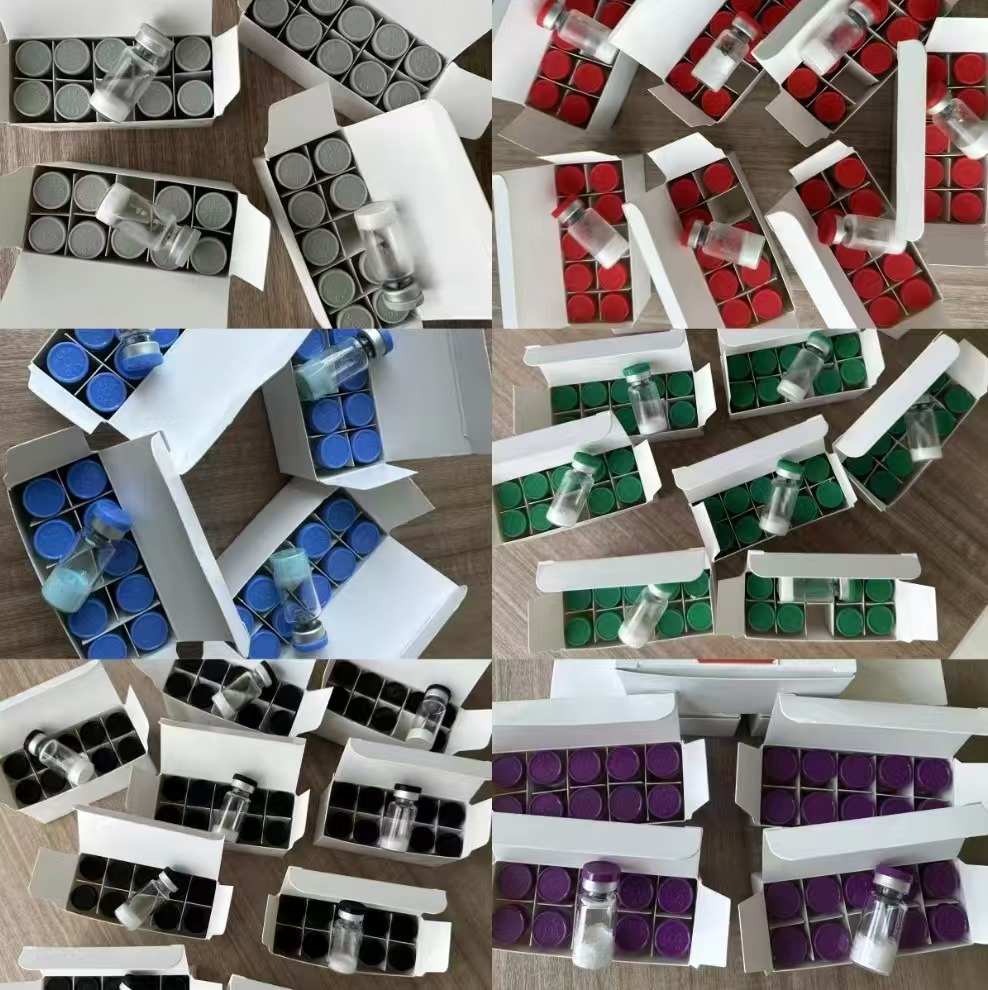
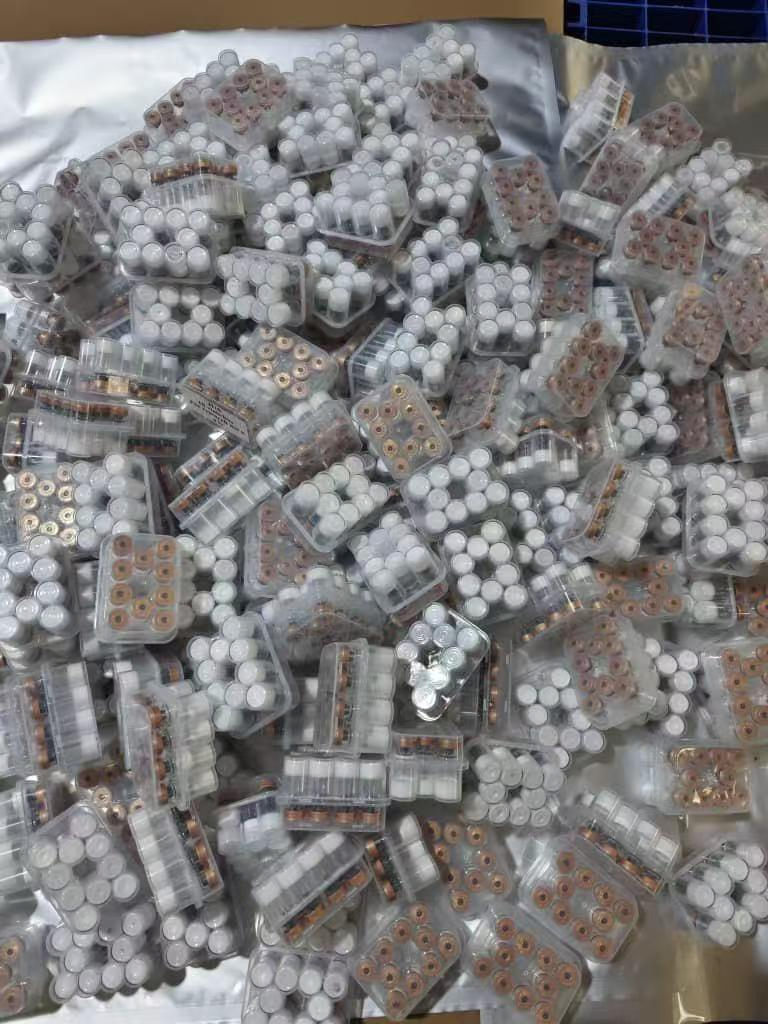
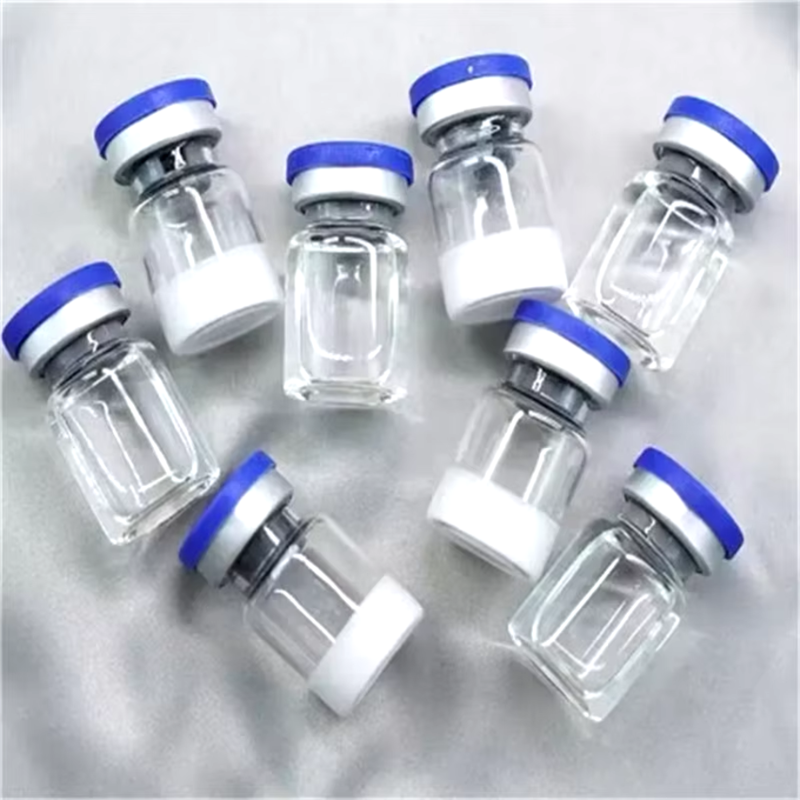
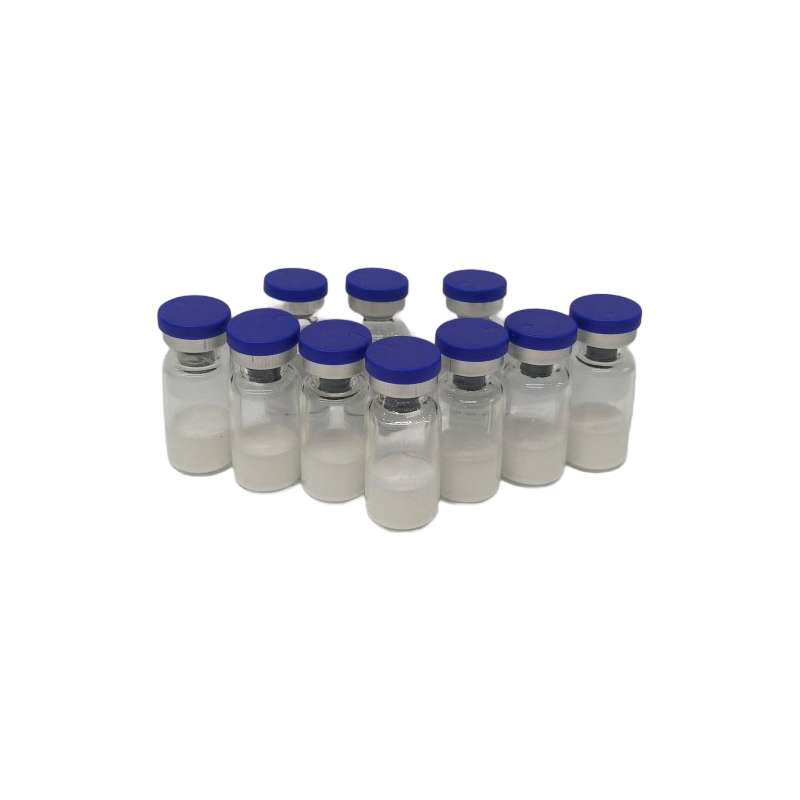
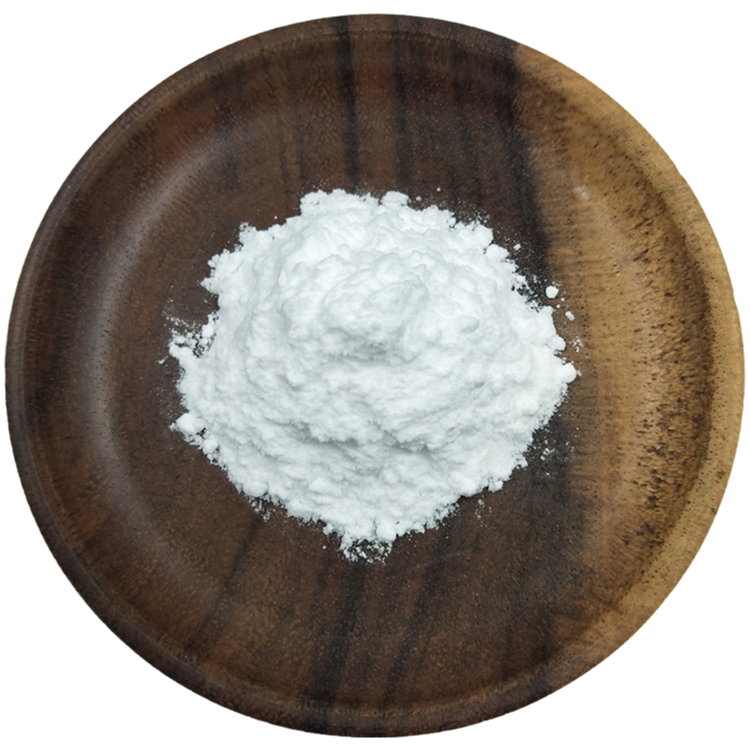
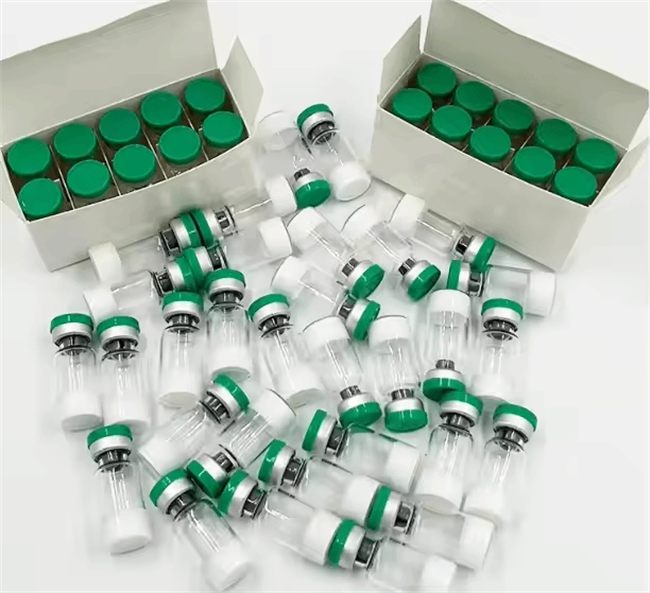
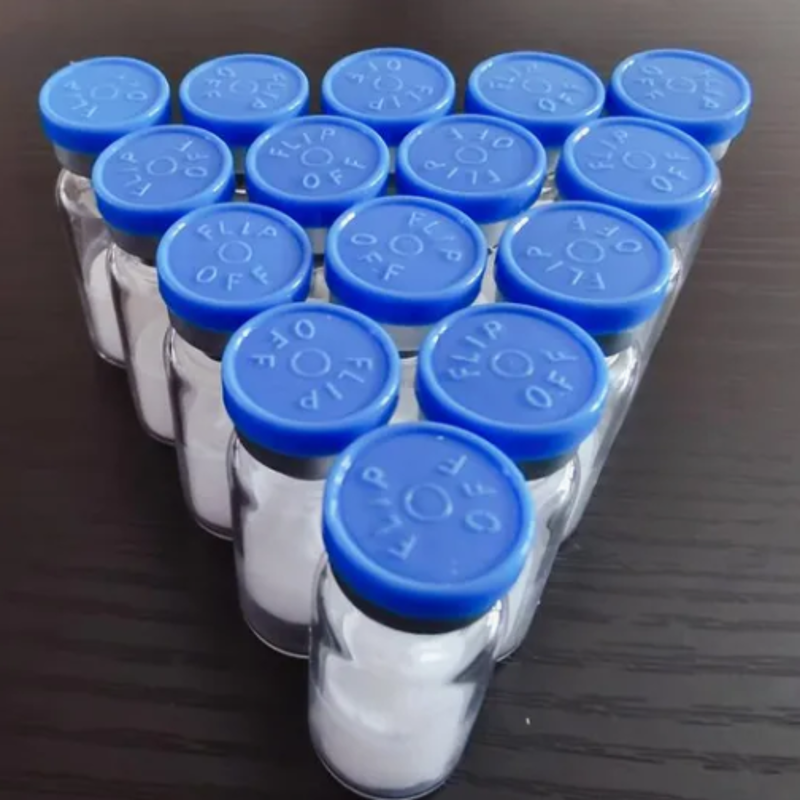
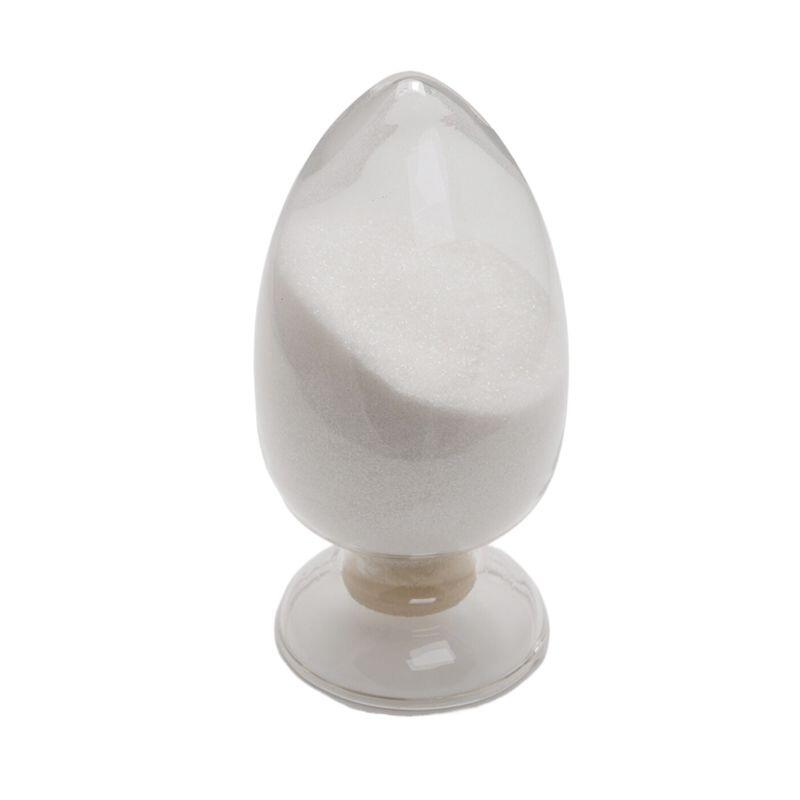
You’re probably used to seeing NAD+ from other suppliers, but what we’ve got here is a white crystalline powder with purity consistently above 99% — we run HPLC on every lot, and the numbers don’t drift much. It’s pharmaceutical grade, not just reagent grade, so the tolerance on specs like solubility and stability is tighter than most. The molecular weight is 663.43 g/mol, and it’s REACH compliant, which matters if you’re shipping across borders. We pack it in aluminum foil bags under inert gas, and it’ll hold for 24 months at -20°C protected from light. Most buyers go with the 1-gram sample first.
Basically, if you’re doing cellular metabolism studies, this is where it shines — the solubility in water makes reconstitution straightforward, and you don’t get the aggregation issues some cheaper batches have. But it’s not ideal for anything involving prolonged exposure to room temperture, because the stability curve drops off after a few hours. We usually have stock, but confirm lead time for orders over 50 grams or so; the MOQ is 1 gram for research samples, which is pretty generous. A lot of labs run with the 10mg increments, and they’ve told me the purity holds up well under HPLC re-testing.
So, one thing you might not think to ask — the powder can be slightly hygroscopic if the bag’s left open, so we recommend aliquoting under dry conditions. I’ve seen researchers store it at -20°C and then pull out just what they need, which is fine, but don’t let it cycle between freeze-thaw more than twice or so. The COA includes solubility data and water content, and we include a TDS for each batch anyway. Honestly, the 99% purity isn’t just a number — it means fewer side peaks in your assays, which saves you troubleshooting time.
10 grams is the sweet spot for most recurring experiments, and our company can do that in a single foil bag under inert gas. Delivery is typically 7-10 business days for stocked items, but if you’re ordering the 100-gram lot, it might be 20 days or so — we manufactyre in batches, and sometimes the schedule shifts. Also, we do provide an SDS, and the CAS number is just listed as NAD+ on the label, which some buyers prefer for traceability. The molecular formula is C21H27N7O14P2, but you probably already knew that.
Anyway, compare the documentation our company provide — full HPLC chromatograms, mass spec data, and a certificate of analysis — against what you get from other suppliers, and you’ll see why we don’t cut corners. The powder’s appearance is consistently white crystalline, not off-white or clumpy, which tells you teh synthesis is clean. One last practical tip: when you’re weighing it out, use a clean spatula and work quickly, because of that it’s pretty hygroscopic in high-humidity conditions.
Our MOQ is 1 gram for research samples, so you can start small without committing to large volumes.
Store it at -20°C and protect it from light. Keep it in the original aluminum foil bag under inert gas until use.
Yes, it's REACH compliant. We can provide a certificate of analysis and other quality docs upon request.
For a 1-gram sample order, lead time is usually 3-5 business days after payment confirmation.
We can adjust packaging sizes and labels for bulk orders — just let us know your requirements and we'll work it out.