Account
Inquiry
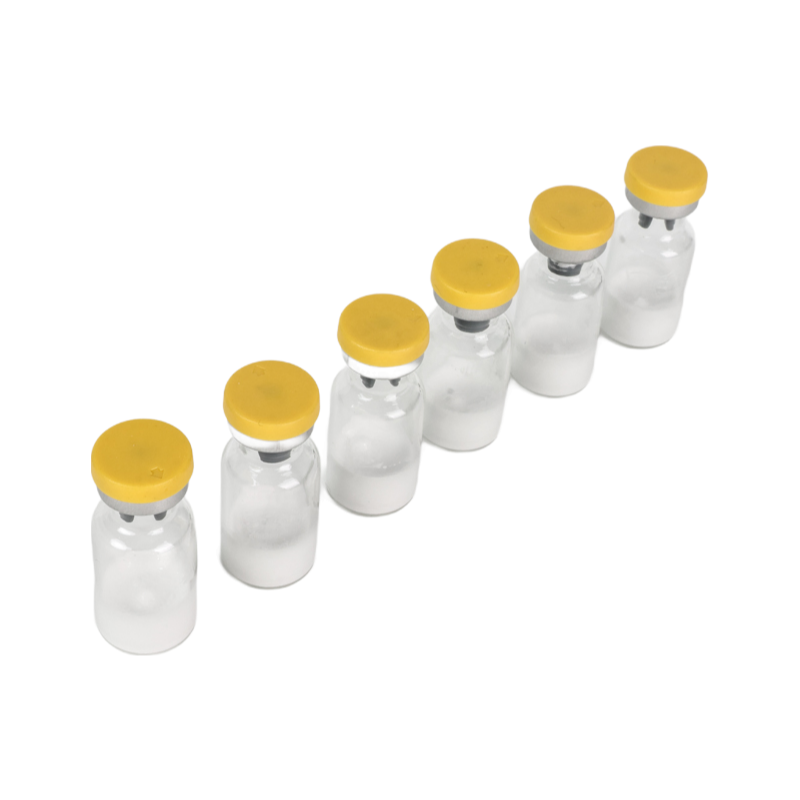
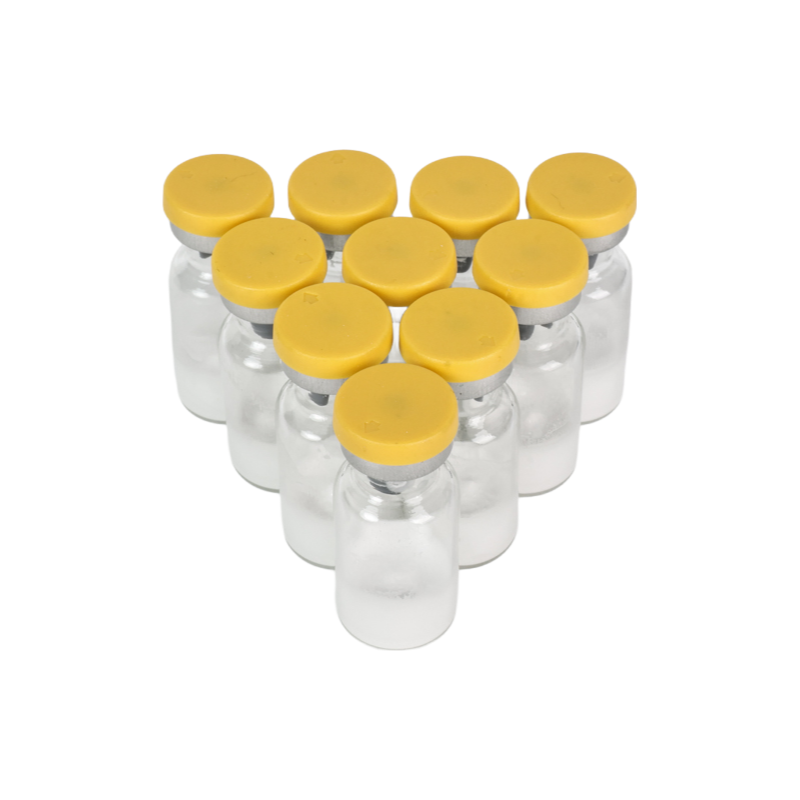
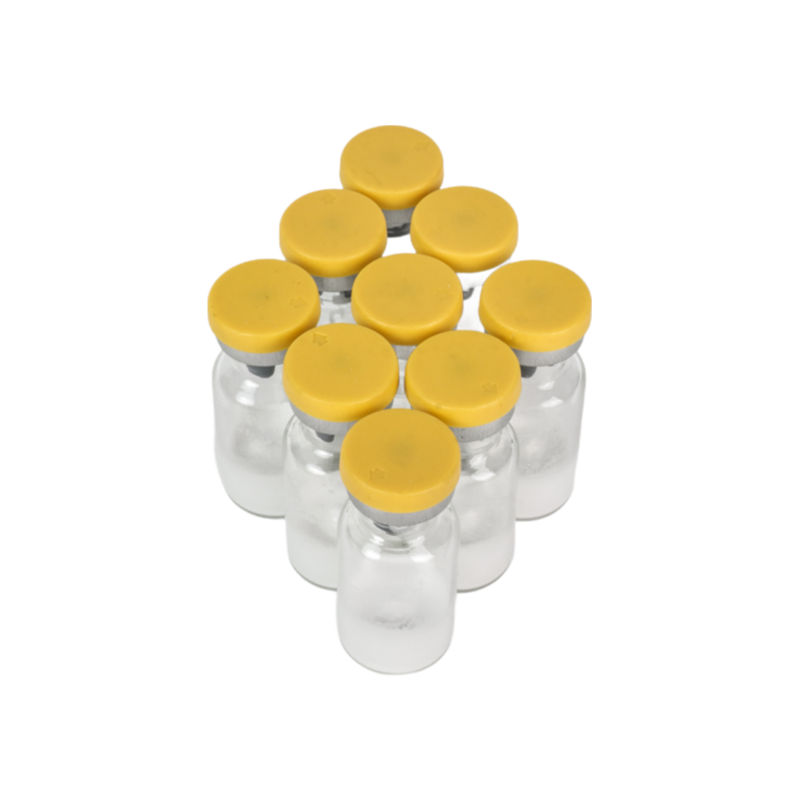
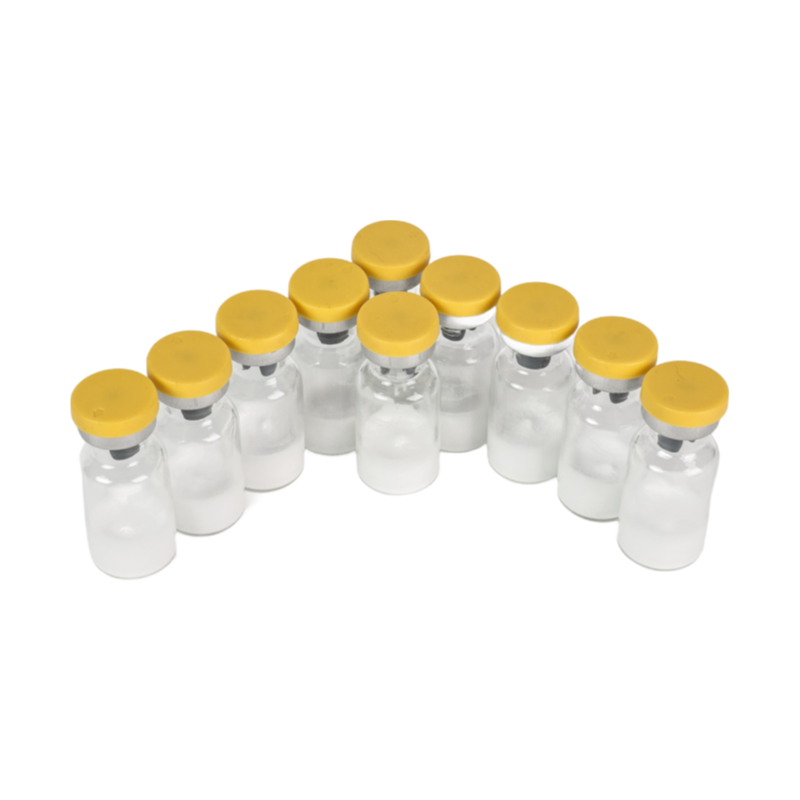
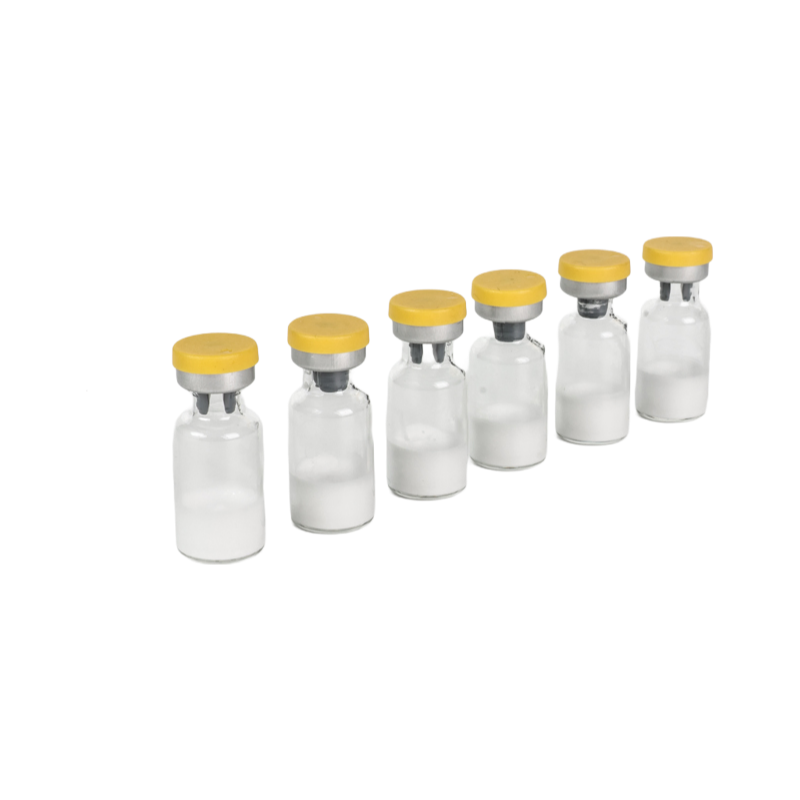
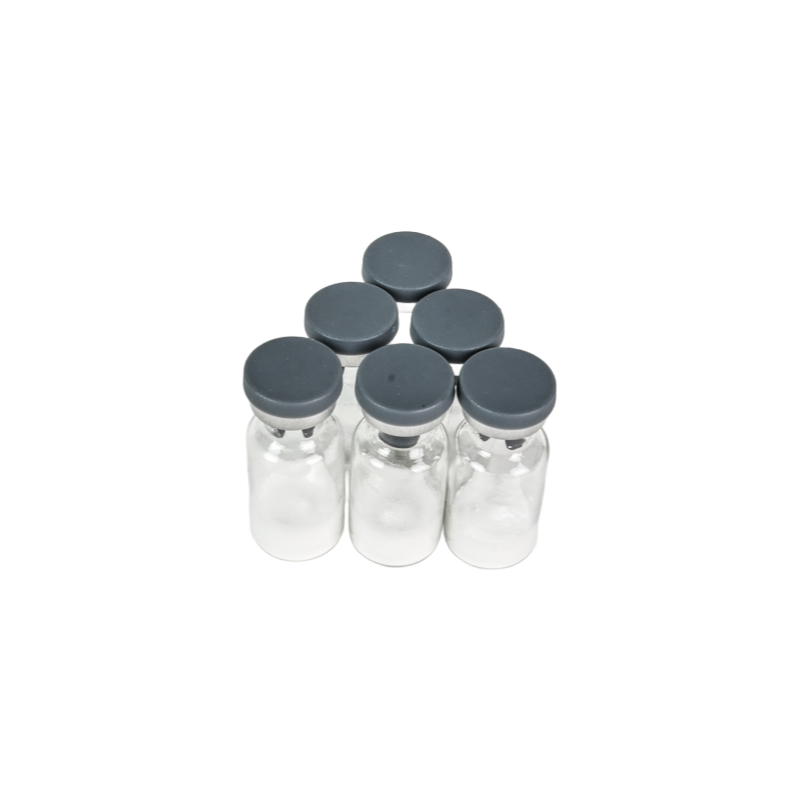
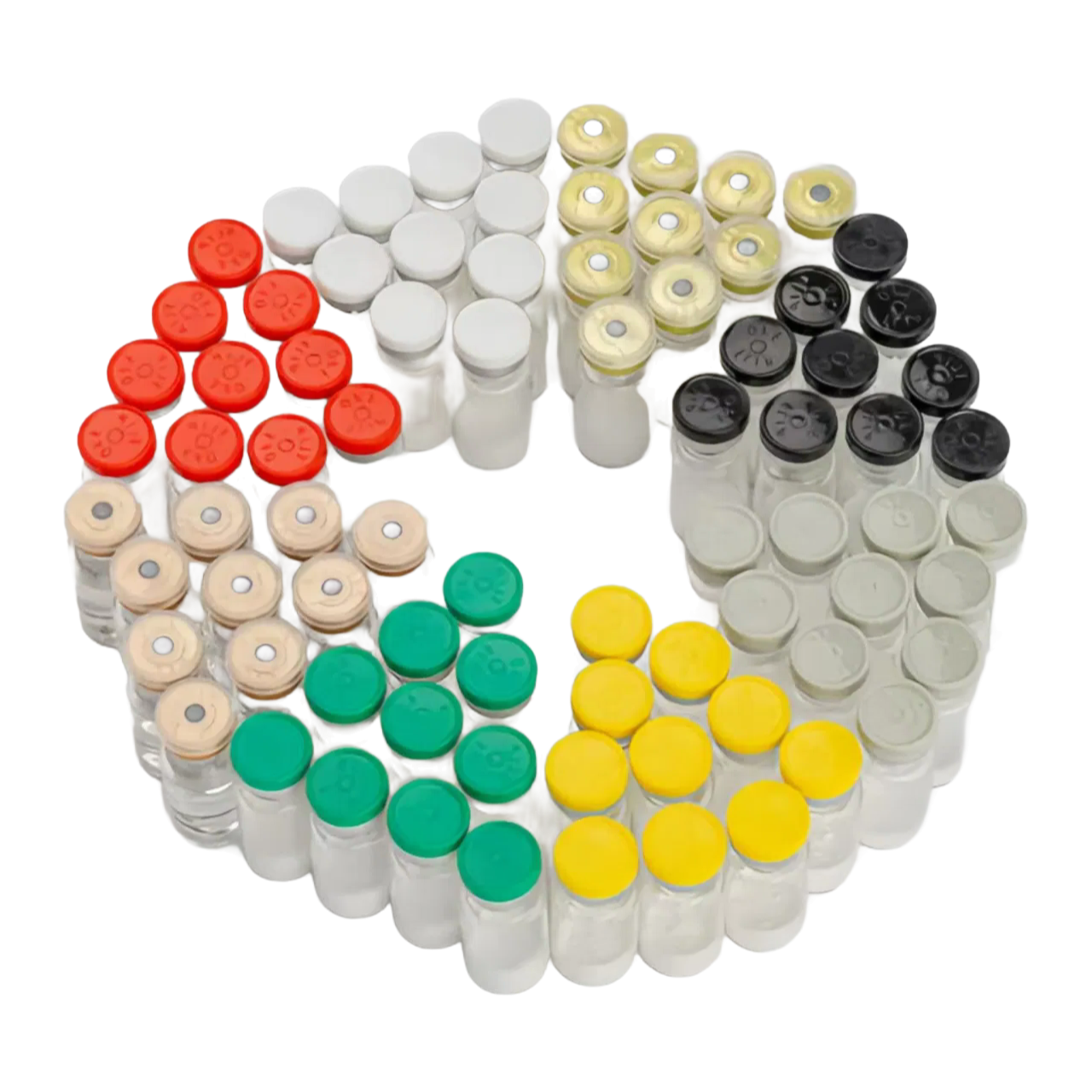
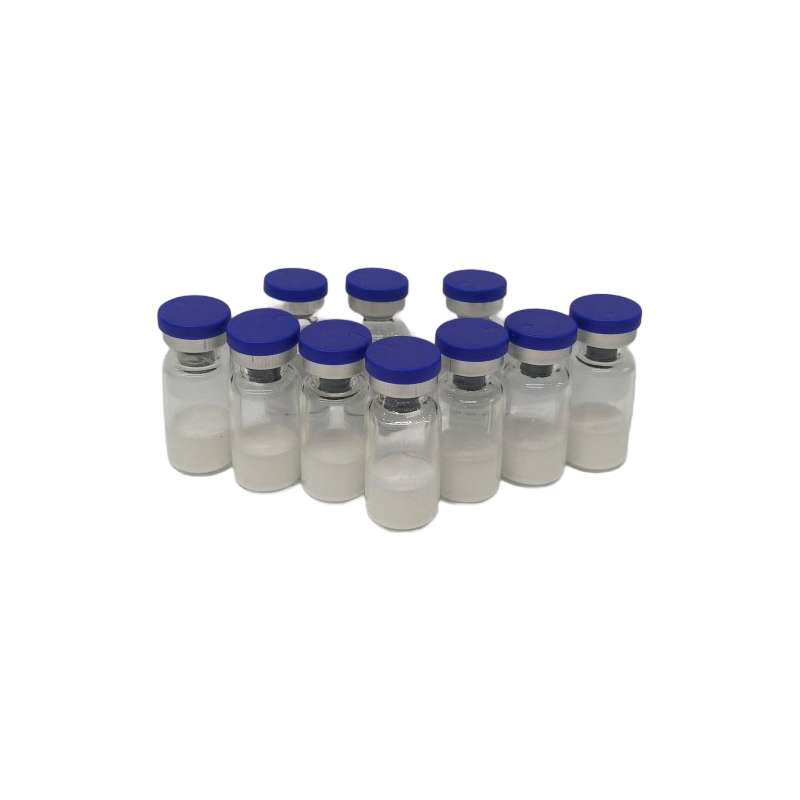
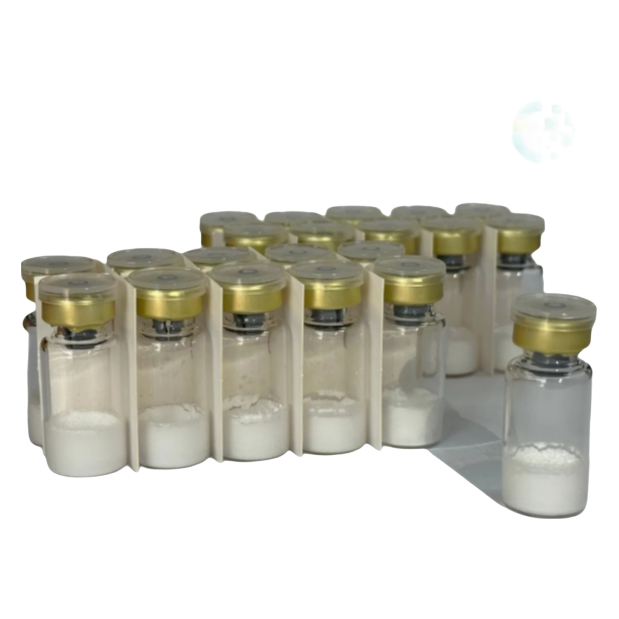
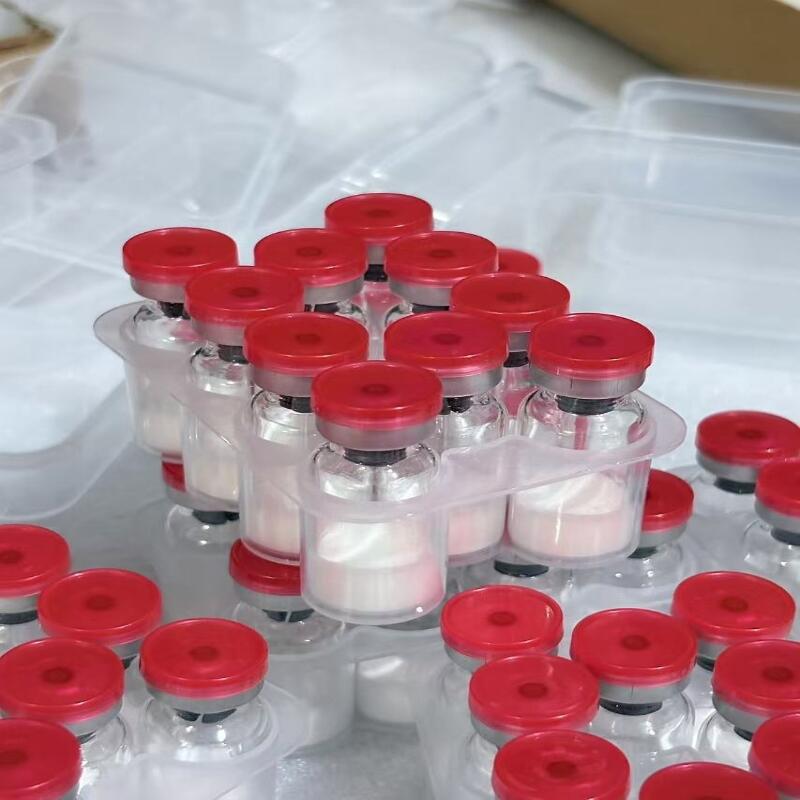
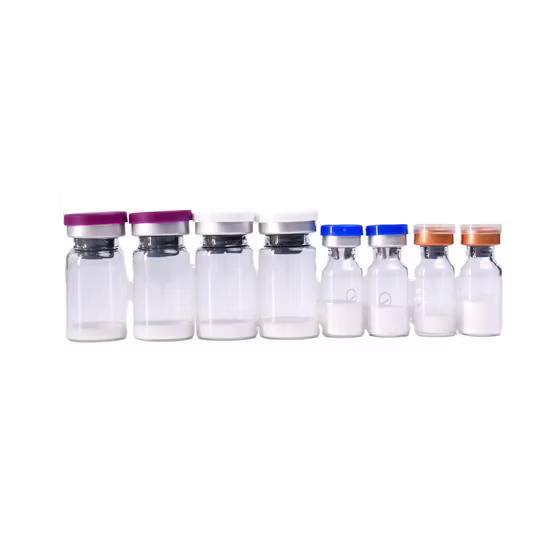
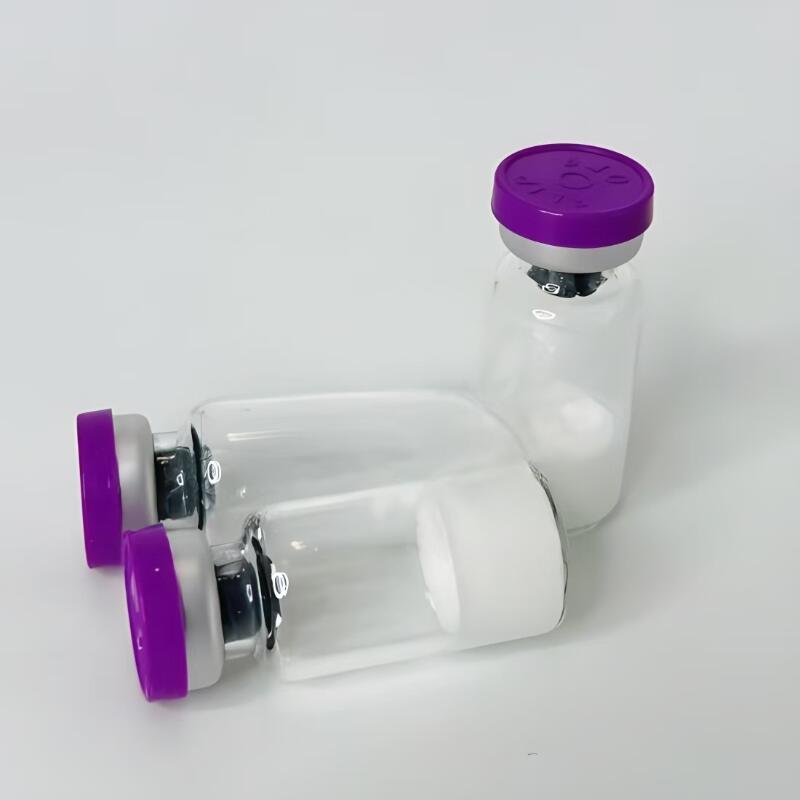
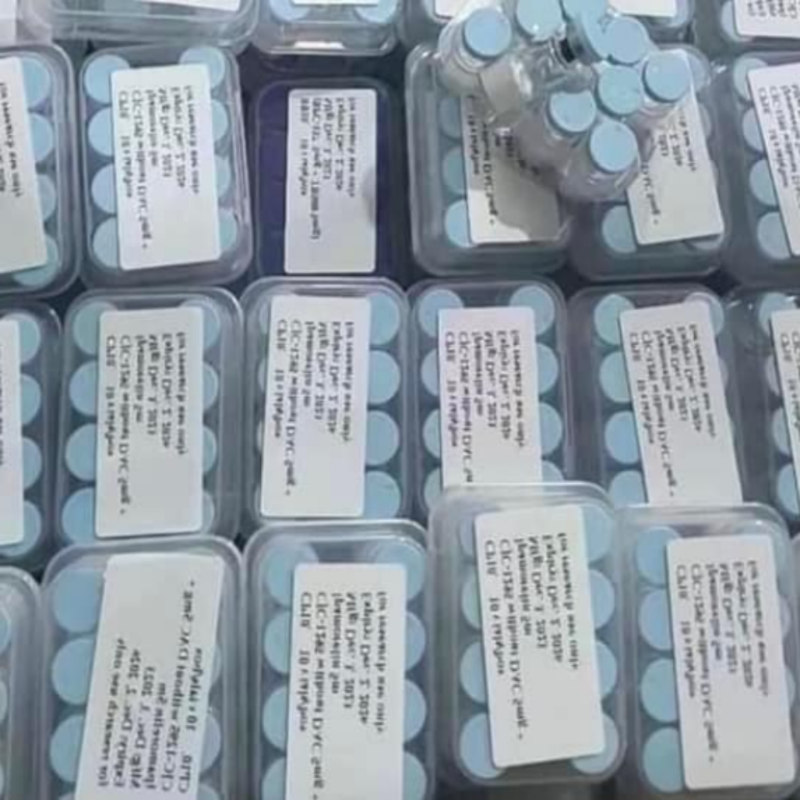
We keep 2mg and 5mg vials in stock usually, but the 20mg and 50mg sizes might need a week or so lead time since they move slower — cold chain shippng is required year-round, obviously, and we pack with dry ice and a tempearture logger in a validated insulated box.
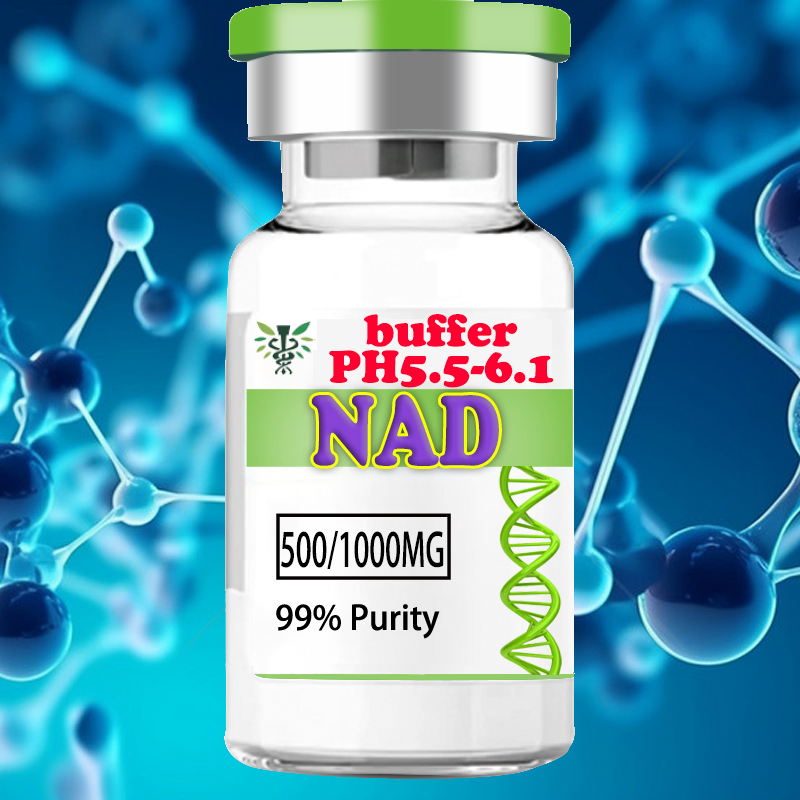
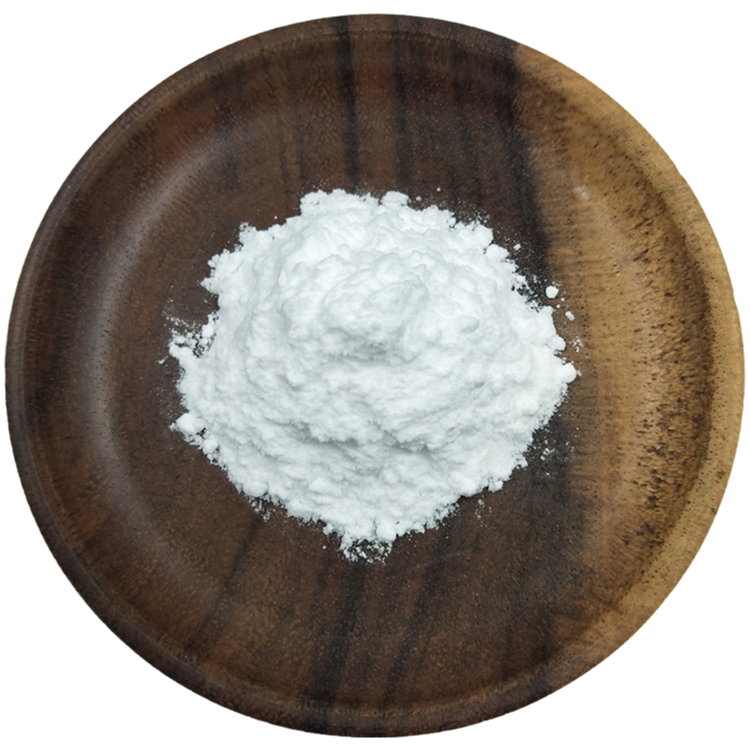
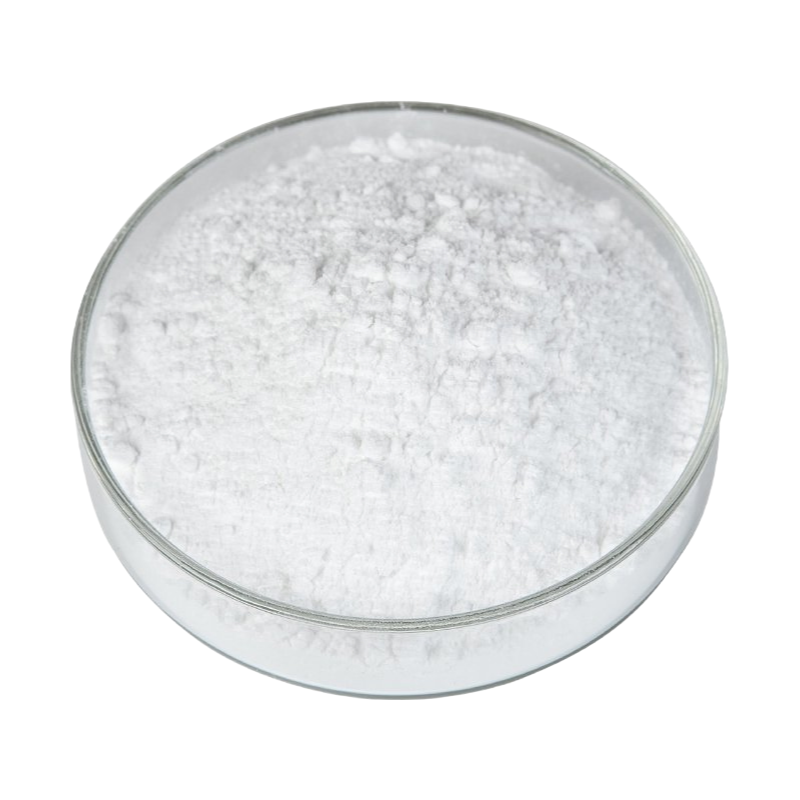
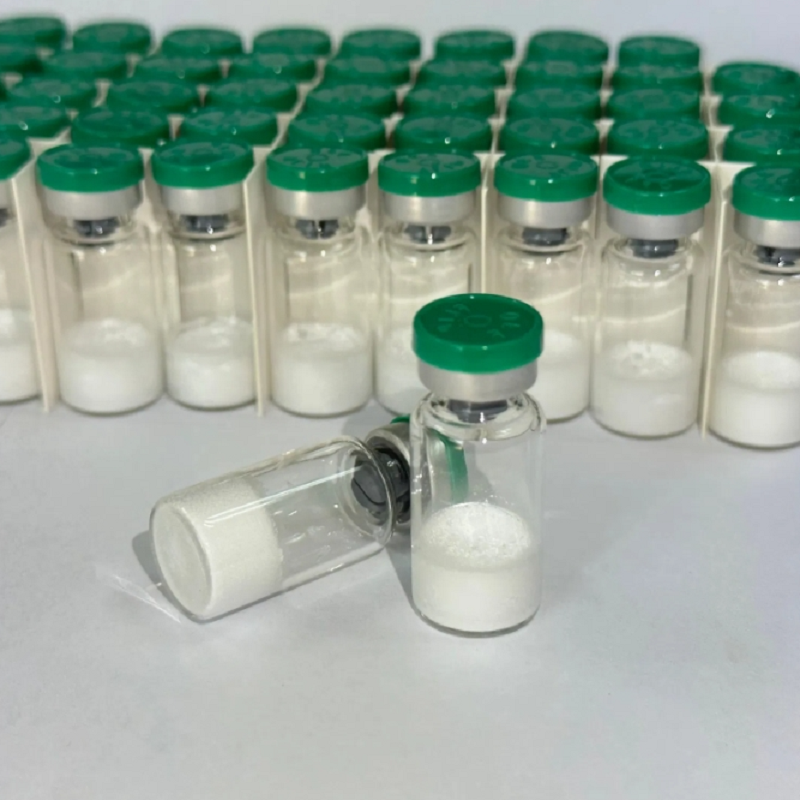
HPLC shows purity at 99% or better for this NAD+ batch, and the COA includes MS confirmation; the molecular weight is 663.43 g/mol, which is pretty standard for the free acid form, and it's a white powder that dissolves fine in water at typical research concentrations.
CAS 53-84-9 is the same molecule you'd find in any decent mitochondrial function study, and what it does is act as a cofactor for sirtuins and PARPs — most buyers go with teh 10mg vial for pilot work, but if you're doing you'll want the 50mg to avoid opening multiple vials.
One thing we see is researchers using it for anti-aging work at 100-200 µM in cell culture, but it's not suited for in vivo rodent studies without proper formulation because the powder hydrolyzes pretty fast at room temp in solution — keep it at -20°C and protect form light, basically.
Storage at -20°C is non-negotiable, and the lyophilized powder is stable for 6 months or so under those conditions; our company provide a TDS with each order that covers solubility and handling notes, and the MOQ for custom amounts is 50 vials if you need something outside the standard 2-50mg range.
Anyway, the 5mg vial is actually easiest to handle for single-use assays since you reconstitute and use it the same day, but the 20mg vial gives you better per-milligram cost if you're running multiple plates.
We don't have a strict MOQ on the 2mg size — you can order just one vial if you're starting small. For the 50mg, we'd prefer at least 5 units for stock orders, but check with us for exceptions.
Yes, every shipment includes a Certificate of Analysis (COA) with the HPLC and MS results. We can also share the raw data files if you need them for your records.
Standard lead time is 3-5 business days for processing, then shipping. If you need it faster, let us know and we can often expedite for an extra fee.
Yes, at -20°C and protected from light, the powder stays stable for at least 12 months. Just make sure it's in a sealed container to avoid moisture.
It's tested for purity and solubility in water, so it can be used in animal research. However, it's for research only — not for human or veterinary use.
With regard to the delivery, it arrived swiftly and was well-packaged, ensuring the product's integrity upon receipt. The quality appears excellent, matching the high standards I anticipated for research purposes. Service-wise, the support team was responsive and helpful throughout the ordering process, making everything smooth and hassle-free. Overall, a very satisfactory experience that I would recommend to others in the field.
The shipping was incredibly fast and well-packaged, ensuring the product arrived in perfect condition. Top-notch quality with no issues observed upon inspection. The customer service team was responsive and helpful throughout the process, making the entire experience smooth and reliable. They promptly addressed all my inquiries, which I truly appreciate. Overall, a fantastic purchase that met all expectations without any hitches.