Account
Inquiry
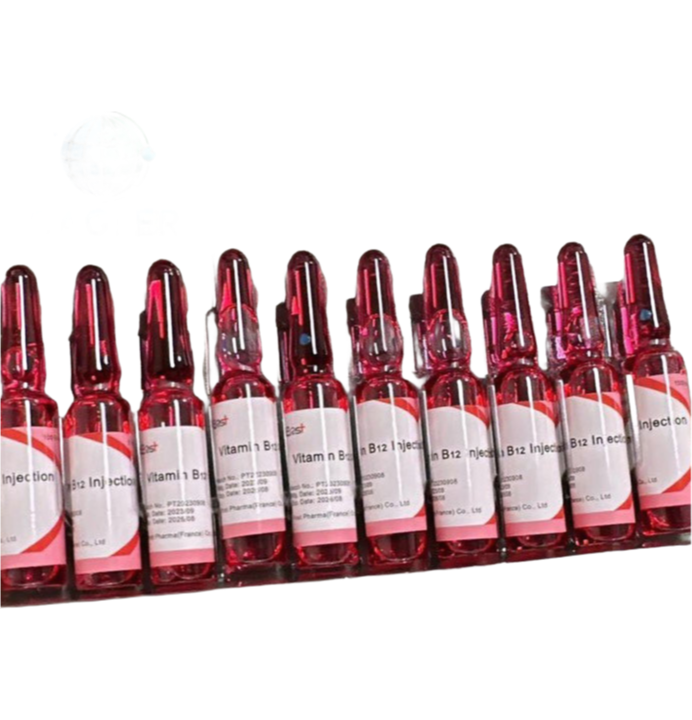
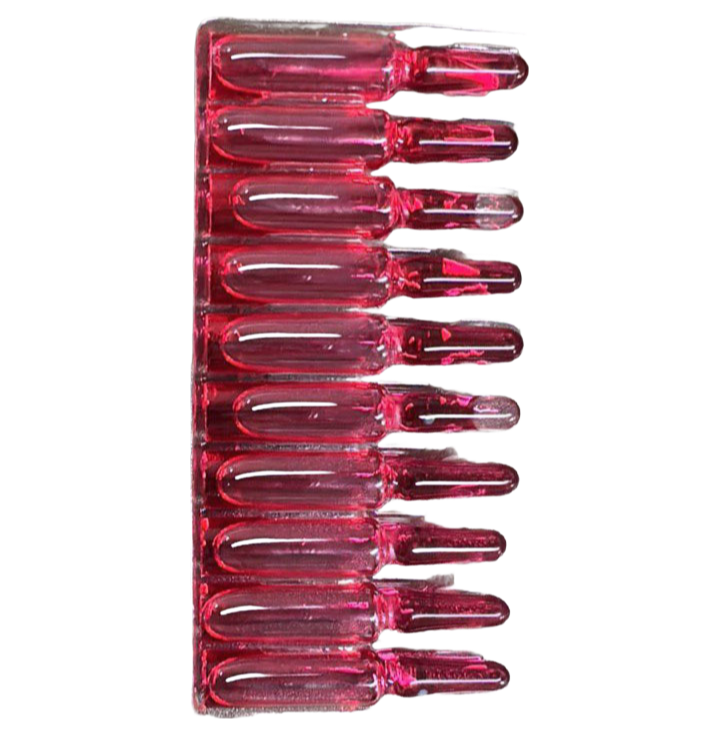
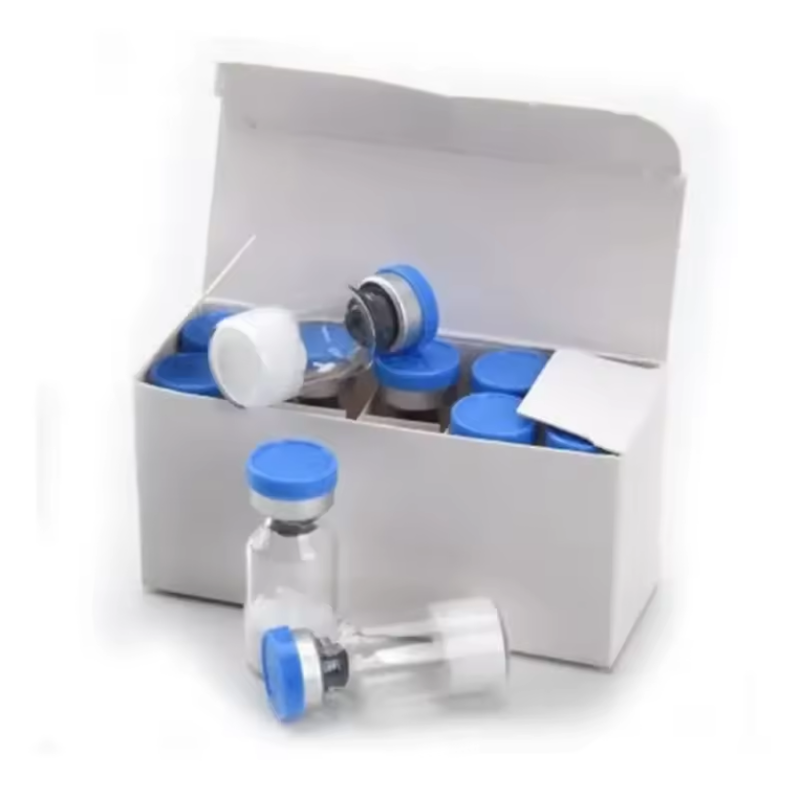
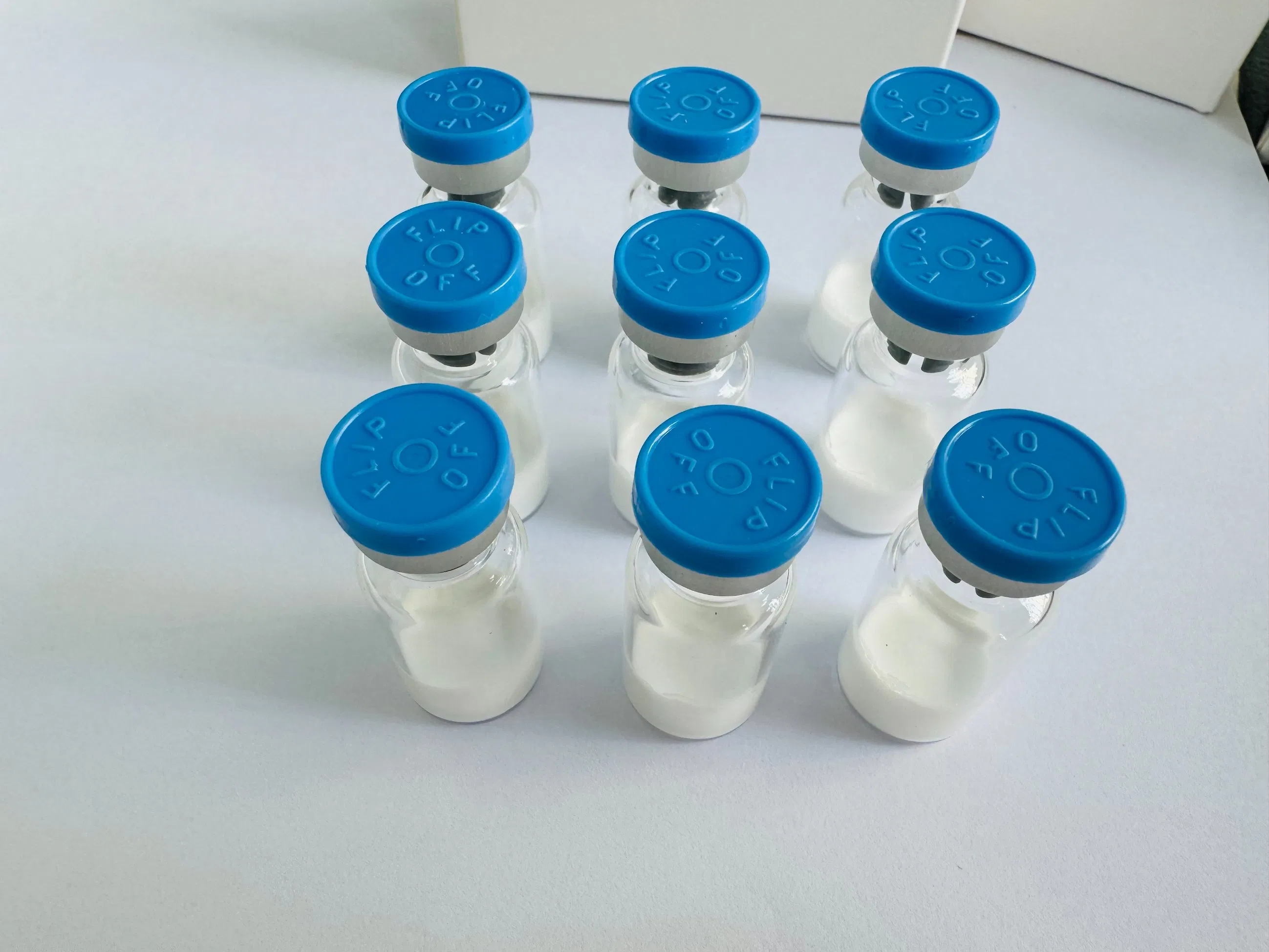
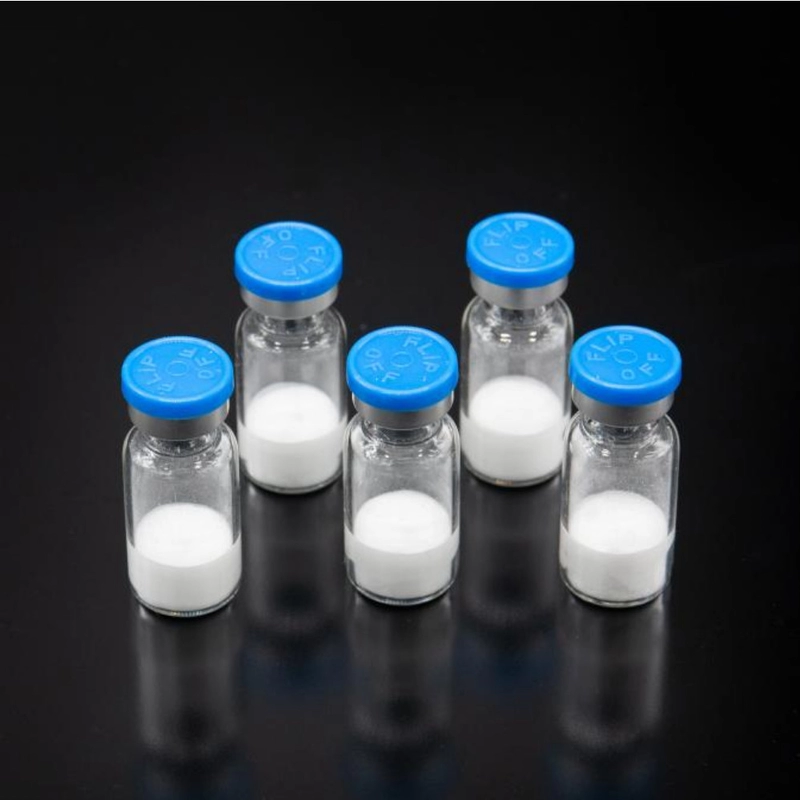
What really matters here is the concentration accuracy—1000mcg per 2mL vial is pretty much standard for most metabolic or neurological studies, and we've had researchers tell us it saves them time not having to dilute or re-measure. The clear red solution is good visual check, too, since any discoloration usually means it's been mishandled.
Purity runs at 99% by HPLC, which is better than some bulk reagent-grade stuff you'll see floating around, and it's cGMP compliant so you're not guessing about production conditions. Storage is straightforward—2-8°C for short-term use (usually a month or so) and -20°C if you're stockpiling for a longer project, and stability holds for 24 months form manufacture if you keep it cold.
We've had a few buyers try using this for cell culture work, but honestly it's better suited for in vivo or ex vivo metabolic studies—the preservative system (benzyl alcohol, 0.9%) can mess with sensitive cell lines if you're not careful. Most labs that order it are doing neurological function assays or B12 deficiency models, and they typically go with the 10-vial box as a starting point.
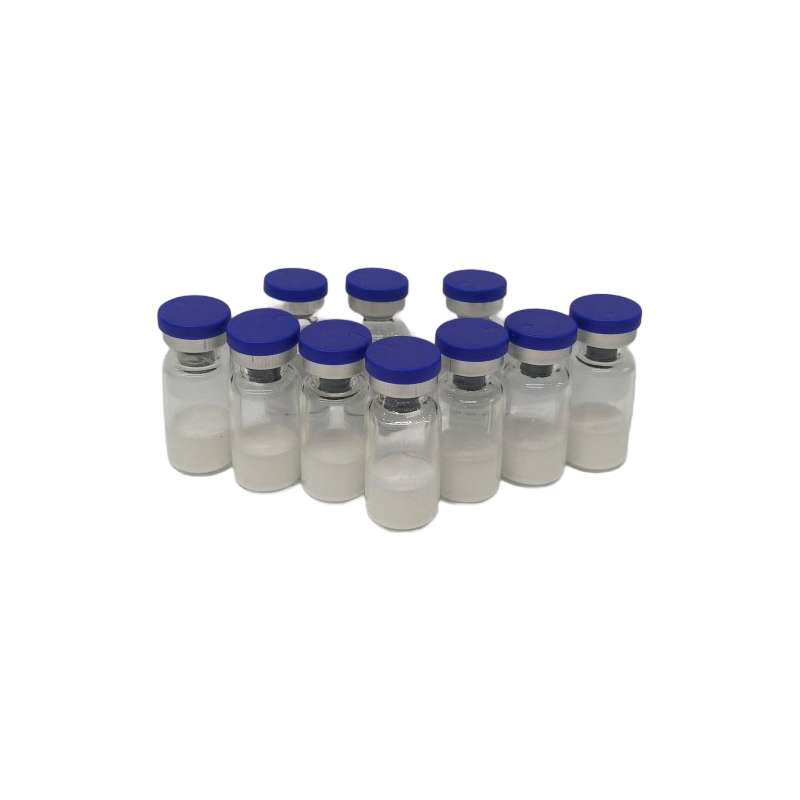
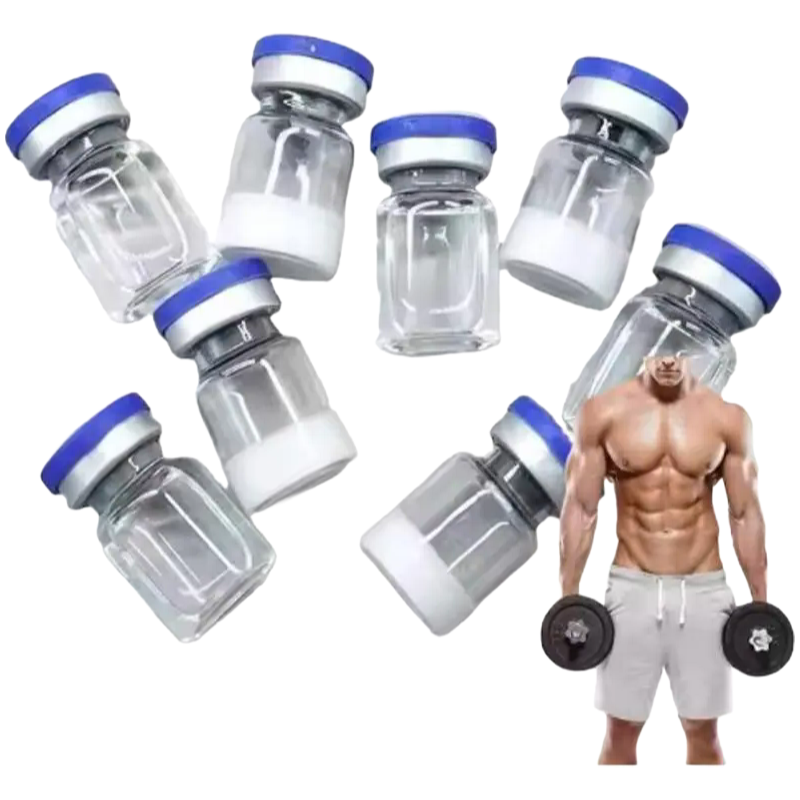
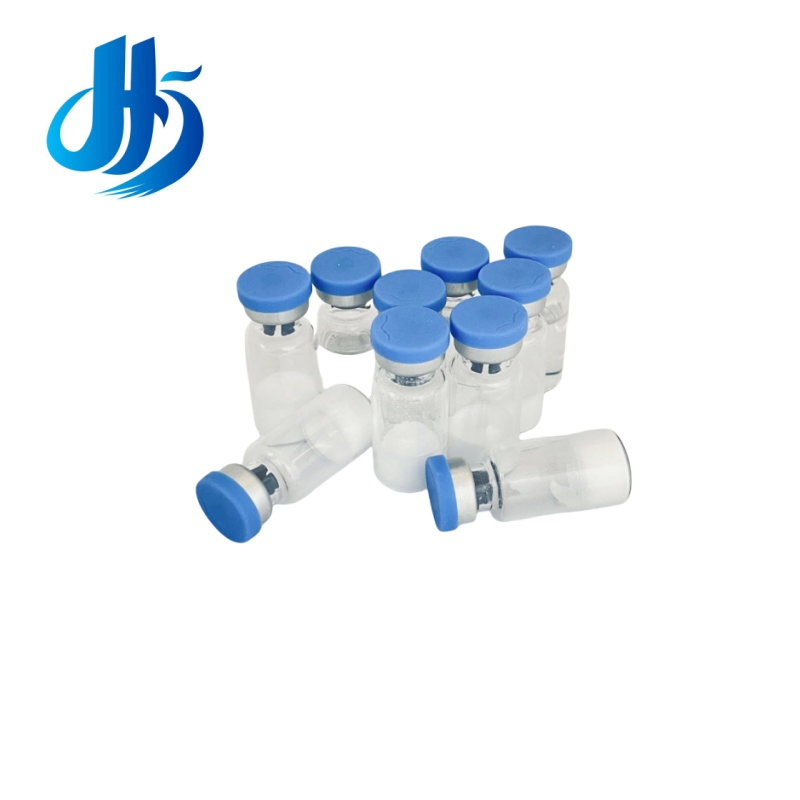
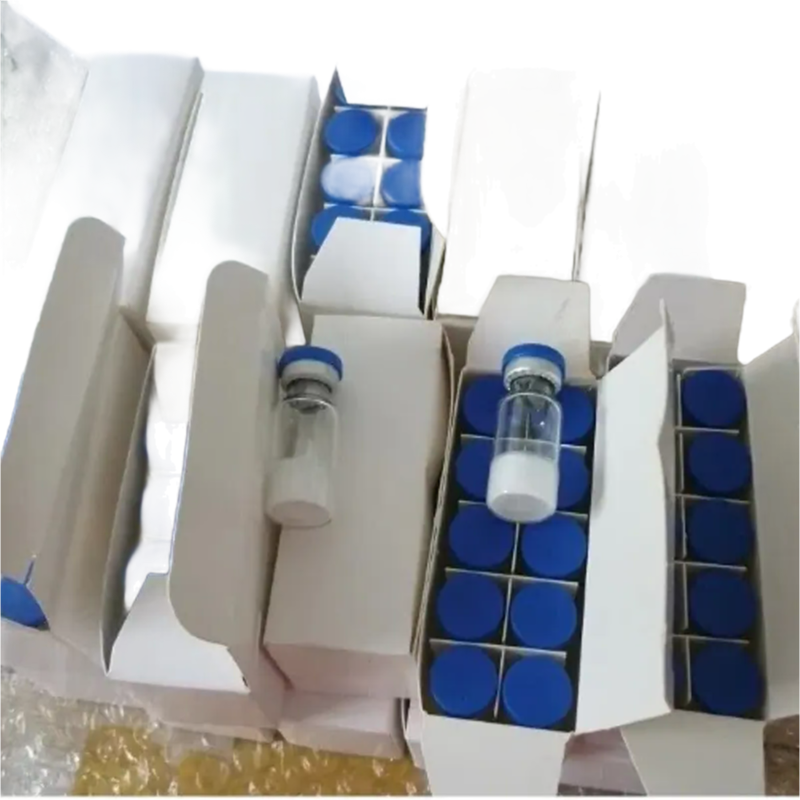
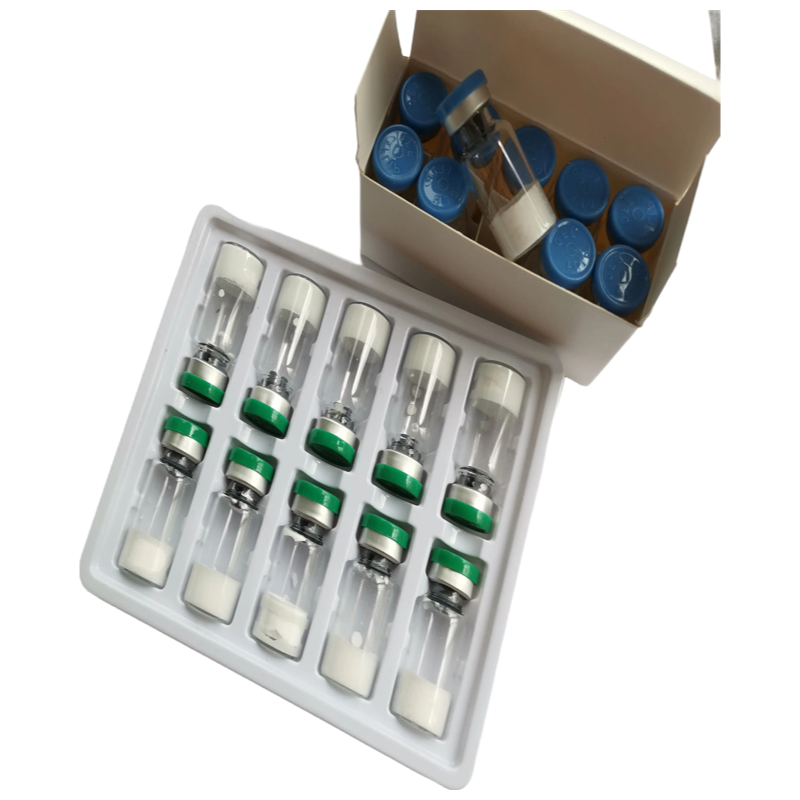
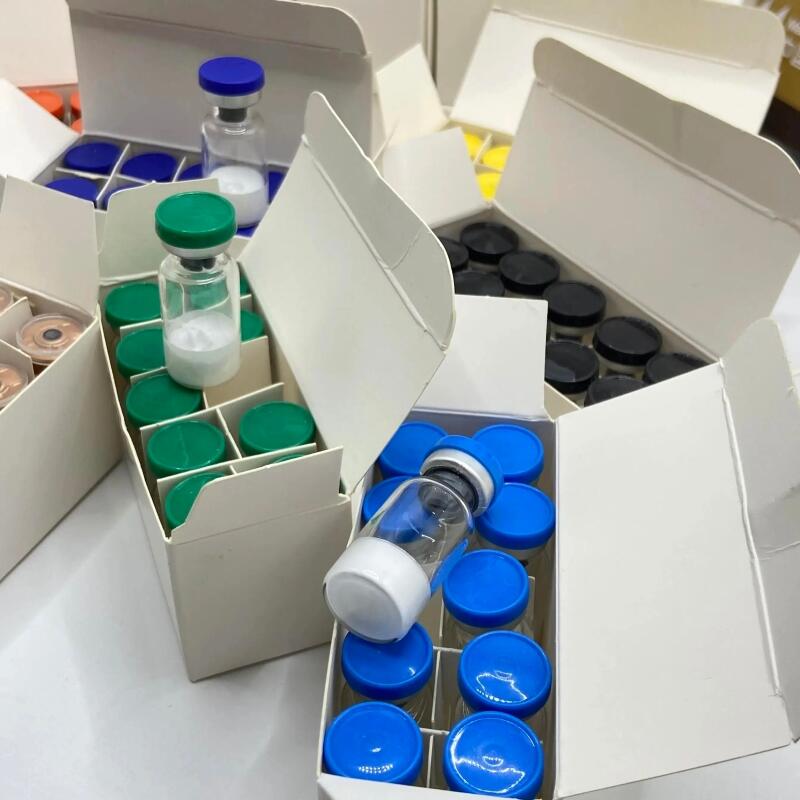
Each box comes with 10 vials, and our company can do custom concentrations or packaing if your protocol calls for something different—just give us a heads-up on lead time, which is usually 2-3 weeks for non-standdard stuff. The MOQ is one box for research quantities, so you're not forced to overcommit.
Anyway, teh key thing is that it's a ready-to-use solution, so no reconstitution headaches, and the COA is included with every batch—we've had auditors flag that as a plus. One thing I'd mention is that the vial rubber stoppers are butyl, not latex, which matters if your lab has allergy protocols.
We usually have stock on the standard 1000mcg/2mL concentration, but for any customiaztion—like 500mcg/mL or different box sizes—confirm lead time before ordering. Roughly 80% of our orders are for this exact strength, so it's a safe bet for most research setups.
Our MOQ is 1 box, which contains 10 vials. That's for research quantities, so you can start small and scale up as needed.
Yes, we offer customization on both concentration and packaging. Just let us know your requirements and we'll work out the details.
Typical lead time is 2-3 weeks for standard bulk orders, but it can vary based on the customization level. We'll confirm it once we have your specs.
Absolutely, we supply a Certificate of Analysis (CoA) for every batch, confirming the 99% purity and cGMP compliance. Just request it with your order.
For short-term use, store at 2-8°C. For long-term storage, keep them at -20°C. Properly stored, they stay stable for up to 24 months.
Xceptional service from start to finish. The ordering process was straightforward, and the customer support team was responsive and helpful with my bulk order inquiry. The quality of the Vitamin B12 solution appears impeccable upon initial inspection; the vials are professionally sealed and clearly labeled, which is crucial for our laboratory standards. Regarding logistics, the shipping was remarkably fast and the packaging was secure, ensuring the integrity of the temperature-sensitive product. There were no issues with customs or delivery delays, which is often a concern with international shipments of research materials. Overall, a highly reliable supplier for peptide and supplement needs. I will definitely be placing future orders.
Highly efficient logistics! The shipping was incredibly fast and the package arrived securely sealed, which was very reassuring. The quality of the product appears excellent upon initial inspection; the vials are well-packaged and clearly labeled. Customer service was prompt and helpful in answering my pre-order questions. Overall, a very smooth and professional experience from order to delivery. I am completely satisfied and would not hesitate to recommend this supplier to colleagues. The attention to detail in both the product presentation and the shipping process is truly commendable. Here’s hoping all future transactions are this seamless and reliable. A top-tier service for sure.
Unbelievably fast and efficient shipping! The order was processed and dispatched with remarkable speed, arriving well ahead of the estimated delivery window. The packaging was exceptionally secure and professional, ensuring the contents were perfectly protected during transit. Regarding the product quality, upon visual inspection, the vials appear to be of superior craftsmanship, with clear labeling and no signs of compromise. The service provided was outstanding from start to finish; the communication was clear, prompt, and very helpful, making the entire ordering process seamless and stress-free. This level of attention to detail in logistics, apparent quality, and customer support is truly commendable and sets a very high standard. I am thoroughly impressed and satisfied with this transaction and would not hesitate to recommend them based on this experience alone. The overall reliability and professionalism displayed are exceptional.
Naturally, I was quite anxious about ordering a specialized product like this, but the entire experience was remarkably smooth. The logistics were handled exceptionally well; the package arrived much faster than anticipated, securely packaged with clear temperature-sensitive labeling, which was crucial for the integrity of the Vitamin B12 solution. The communication regarding shipping was proactive and precise. Regarding the product quality, upon initial inspection for my research purposes, the vials appear to be of very high standard, with no visible particulates and proper sealing. The service provided was outstanding; the customer support team was knowledgeable and responded to my pre-order inquiries promptly and thoroughly, demonstrating a clear understanding of the requirements for laboratory-grade supplements. This level of professional service and attention to logistical detail for bulk orders is highly commendable and instills significant confidence for future procurement needs. The overall process from inquiry to delivery was seamless and professionally managed.
Unbelievably fast shipping was the first thing that impressed me. The order arrived much sooner than anticipated, which was a fantastic start. Upon inspection, the packaging was utterly secure and professional, ensuring everything was intact. The quality of the product itself seems uniformly excellent; the vials are clearly labeled and appear pristine. Customer service was also undeniably helpful and responsive when I had a pre-purchase query, providing clear and useful information. Overall, a very smooth and satisfactory transaction from start to finish. I would unquestionably consider ordering again for future needs. The entire process, from the user-friendly website to the final delivery, felt streamlined and reliable.
My order arrived in a timely manner, which was a relief as I needed the materials for an upcoming project. The packaging was secure and professional, ensuring the contents were well-protected during transit. Regarding the product itself, the vials appear to be of high quality, with clear labeling and no signs of leakage or damage. The customer service team was responsive when I had a pre-sale inquiry, providing clear answers about bulk order specifics. Overall, a satisfactory experience from order placement to delivery. I would consider ordering again based on this initial interaction. The process was straightforward, and the company seems reliable for laboratory-grade supplies. No issues to report at this time, which is always a positive sign when dealing with sensitive research materials.
Communication from the company was clear and prompt, which made the ordering process straightforward. The packaging was secure and professional, ensuring the vials arrived intact and well-protected. While I cannot comment on the specific application, the overall presentation and handling of the materials were satisfactory. The transaction was smooth, and any preliminary inquiries were addressed in a timely manner.
Yikes, the shipping was incredibly fast, which was a pleasant surprise. The package arrived well before the estimated delivery date and was securely packaged. Regarding the quality, everything appears as described and meets the standards I expected for a laboratory environment. The service aspect was also quite satisfactory; any pre-order inquiries were answered promptly and professionally. Overall, a very smooth transaction from start to finish with no notable issues encountered. The efficiency in logistics was particularly impressive, ensuring the items were received in a timely manner for our schedule. The product presentation and labeling were clear and accurate, which is crucial for our purposes. Customer support was accessible and helpful throughout the process, making the ordering experience straightforward. I would certainly consider this supplier for future bulk requirements based on this positive experience. The reliability in both delivery and product consistency is a key factor for us, and this order demonstrated that effectively. There were no complications or delays, which is always appreciated when coordinating research materials. The entire process felt seamless and well-managed, contributing to a trustworthy impression of the company. It’s refreshing to have a supplier that delivers on its promises without any hassle. This order has set a good precedent for any potential future collaborations. The attention to detail in packaging also prevented any damage during transit, which is vital. All communications were clear and left no room for confusion, enhancing the overall service experience. I have no reservations about recommending them based on this single, efficient interaction. The combination of prompt shipping, apparent quality, and responsive service made for a wholly positive procurement experience.
Very efficient and professional service from start to finish. The logistics were handled exceptionally well; the package arrived ahead of schedule and was securely packaged, which is crucial for sensitive materials. The quality of the product appears to be excellent, with clear labeling and proper documentation included. Customer service was responsive and helpful throughout the ordering process, promptly answering all inquiries. Overall, a highly satisfactory experience that inspires confidence for future bulk orders.