Account
Inquiry
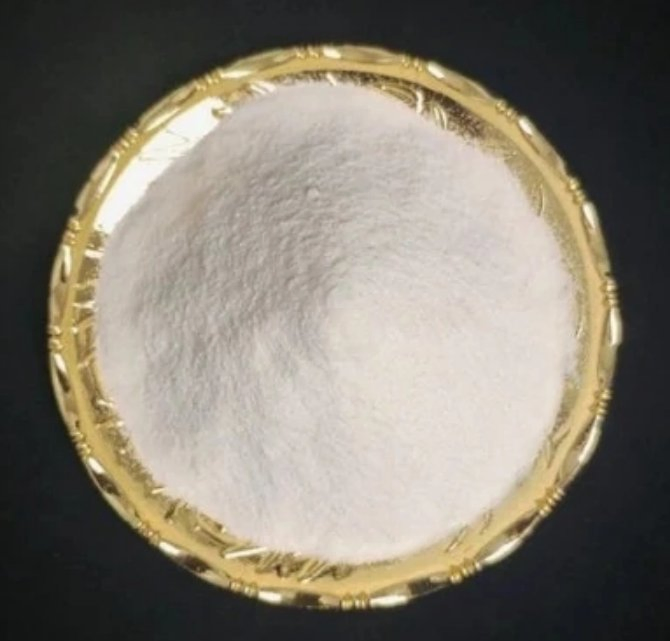
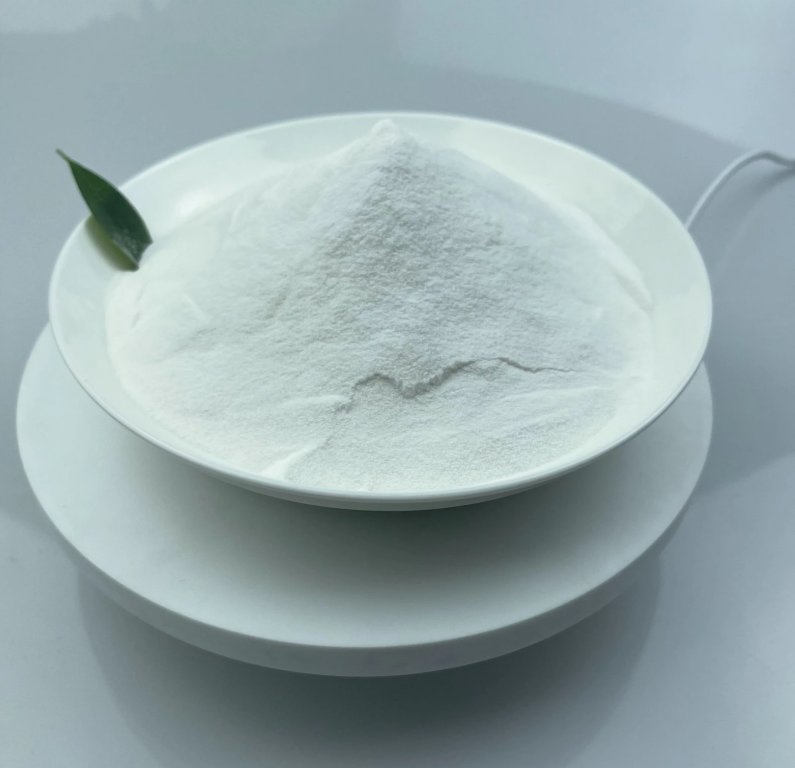
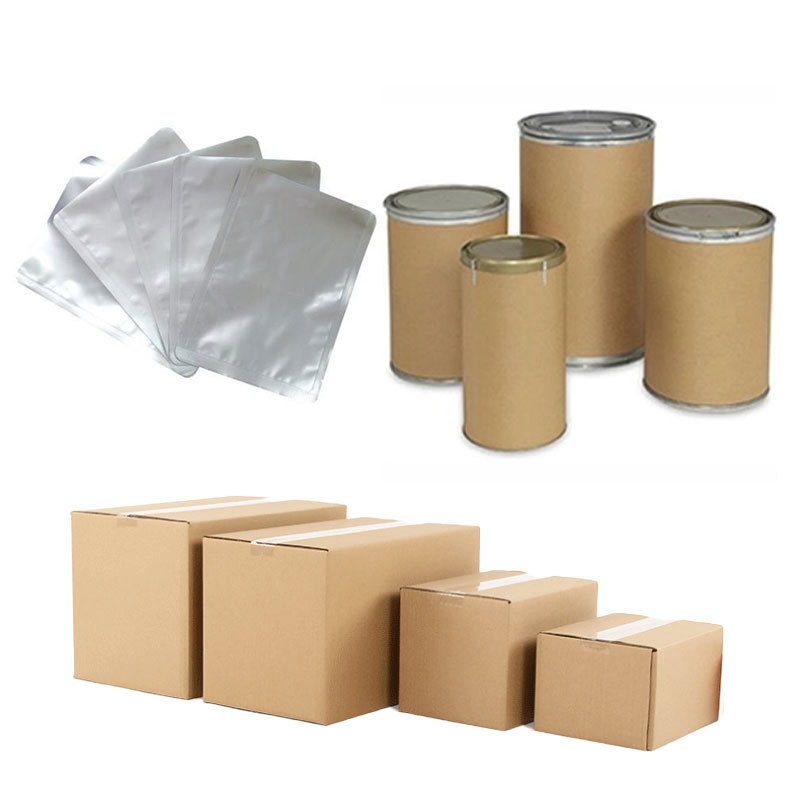
We're getting inquiries on the 90% to 99% purity range, and most research groups actually go with the 98% or 99% specifcation because the cost difference per gram is negligible at th. Bulk pricing for a 25kg drum drops considerably—roughly 30-40% below teh per-kg rate you'll see for single bags, though the 1kg bags are easier to handle for smaller labs running pilot studies. Lead time form order to dispatch is usually 10-15 working days, but we've had to extend that to 20 days or so during production crunches in Q4.
One thing we always flag is that the 663.425 g/mol molecular weight is pretty much textbook, so you'll get consistent stoichiometry when preparing solutions—no surprises in molarity calculations. The CAS is 53-84-9, obviously, but what catches people off guard is that this stuff is hygroscopic if left uncapped, so store it in a cool, dry place and reseal bag promptly after each use. Solubility in water is excellent—it'll dissolve clear at 50 mg/mL without agitation—but don't expect it to work in organic solvents without some tweaking. We usually include the COA from the HPLC run, and you'll see the purity number there, but we don't guarantee beyond the 90-99% band unless you specify a tighter tolerance at order placement.
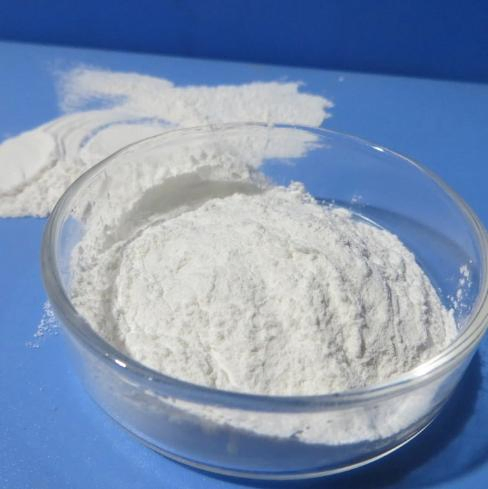
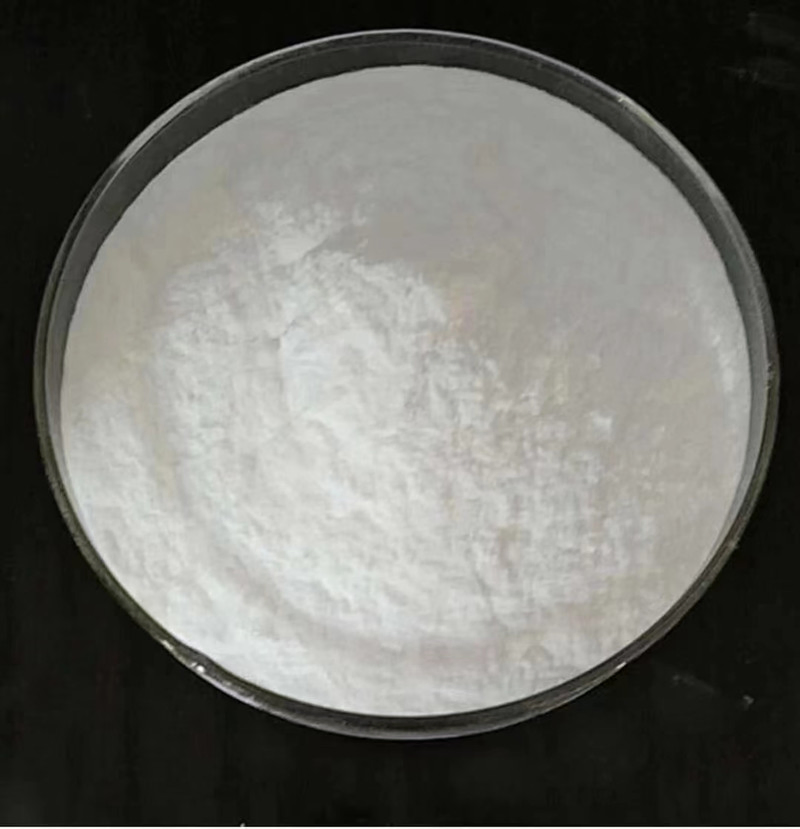
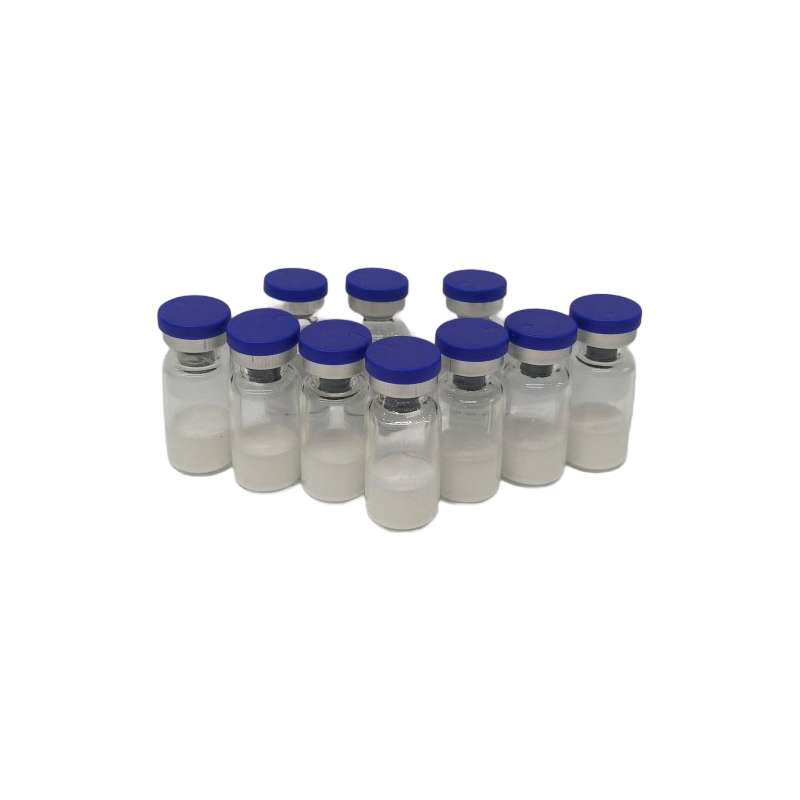
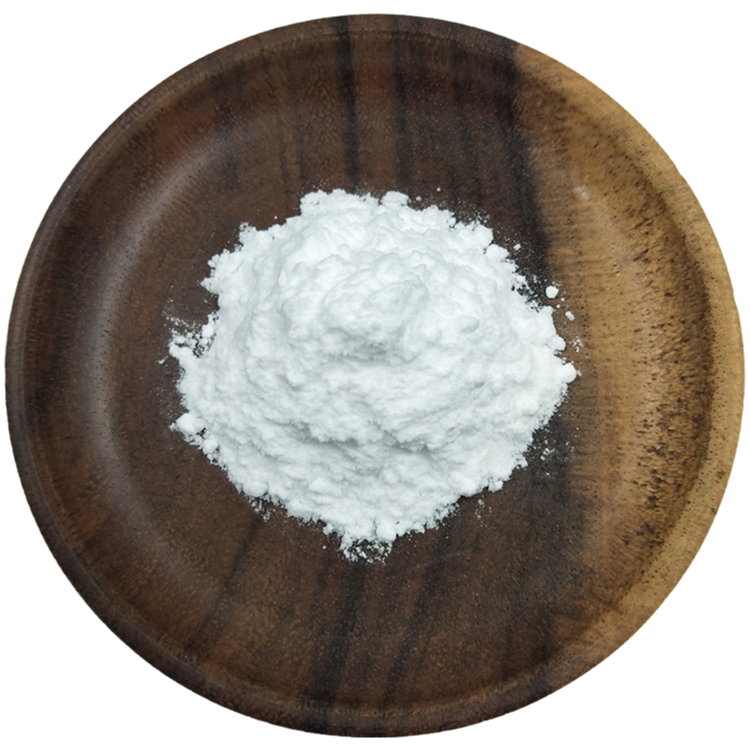
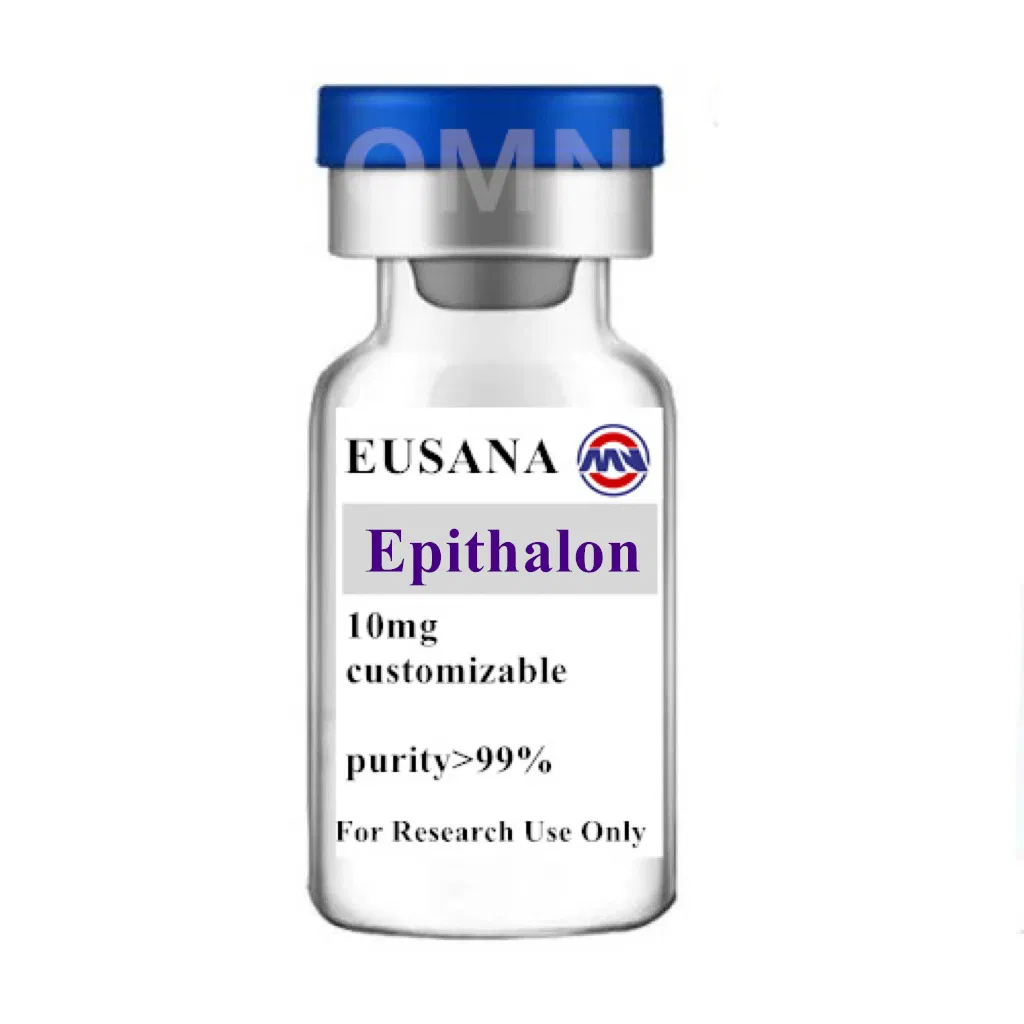
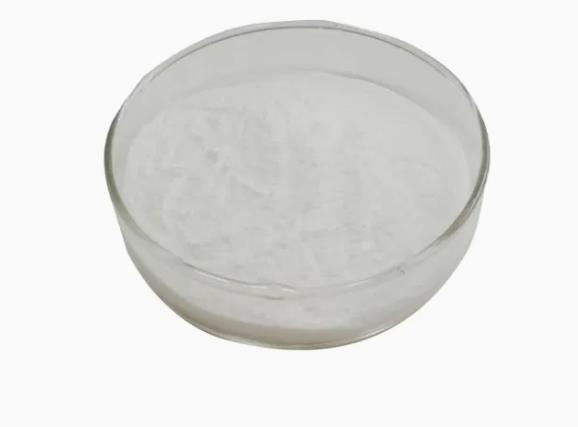
The white crystalline powder appearance is consistent batch to batch, and the 24-36 month shelf life holds up if you keep it below 25°C. It's not suited for anything outside in vitro or in vivo research—this is strictly research use only, and we don't support any applictions involving human consumption. Some buyers ask about endotoxin levels, and our company can provide that data on request, but it's not a standerd on every COA.
Storage is pretty straightforward—cool, dry place, no special inert atmosphere required. What it does is stay stable for two years or so if you keep the bag sealed. We've had a client leave a partial bag open for a week, and the purity dropped by about 0.5% base on their retest, so resealing matters.
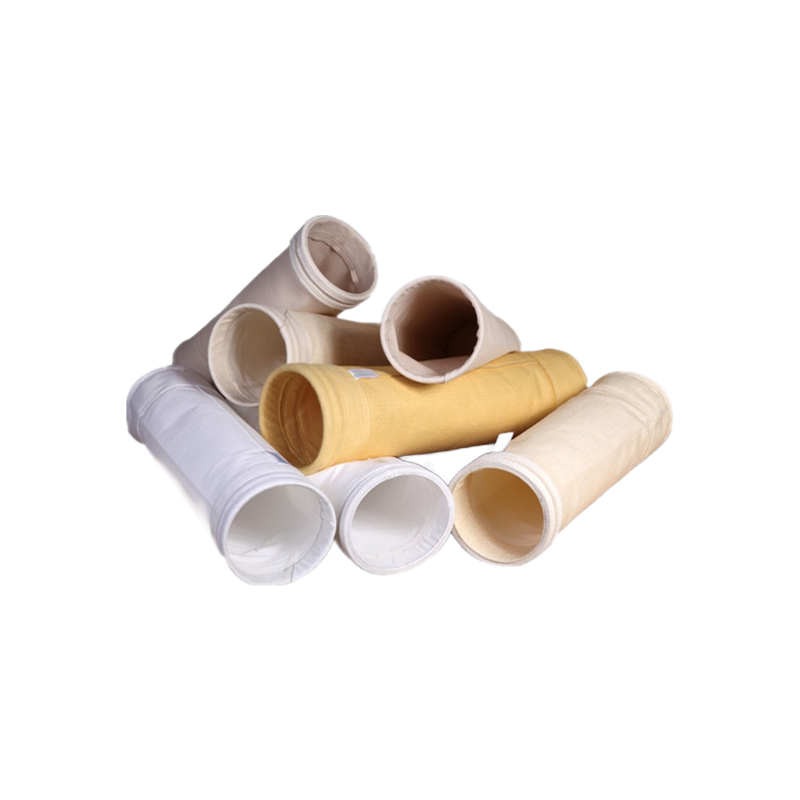
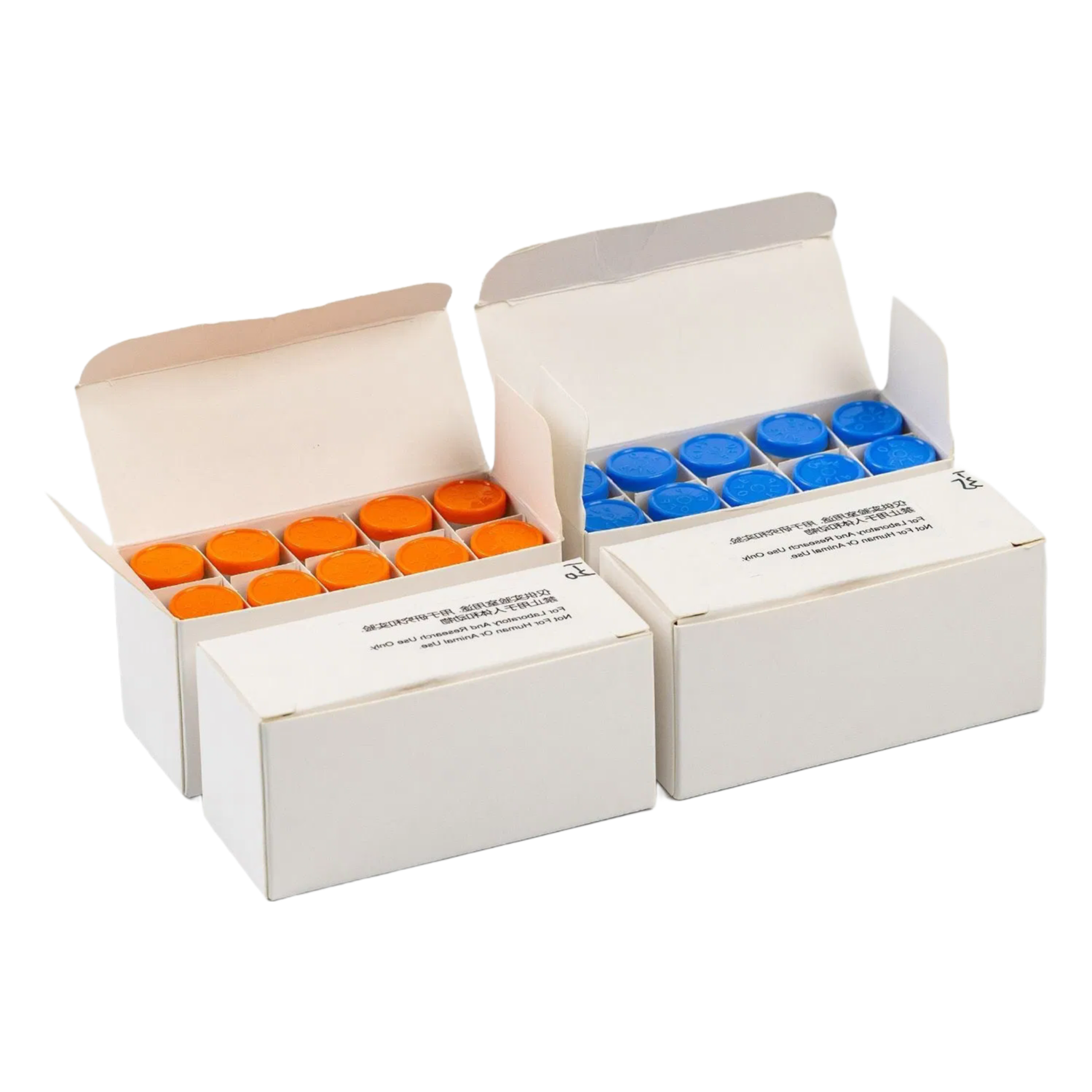
We can do as little as 1kg for the 99% purity grade, which comes in a 1kg/bag package. For larger orders, we also offer 25kg drums.
Lead time is typically 7-10 business days after order confirmation, depending on the quantity and any custom specifications you need.
Yes, we include a COA with every batch that confirms the purity level, CAS number 53-84-9, and molecular weight. Just let us know if you need any additional documentation like an MSDS.
Absolutely, we can adjust the packaging from the standard 1kg bag or 25kg drum to meet your needs, and we can add custom labels with your branding or lot numbers.
Keep it in a cool, dry place away from direct sunlight and moisture. The white crystalline powder stays stable for up to 36 months if stored properly in its sealed bag or drum.