Account
Inquiry
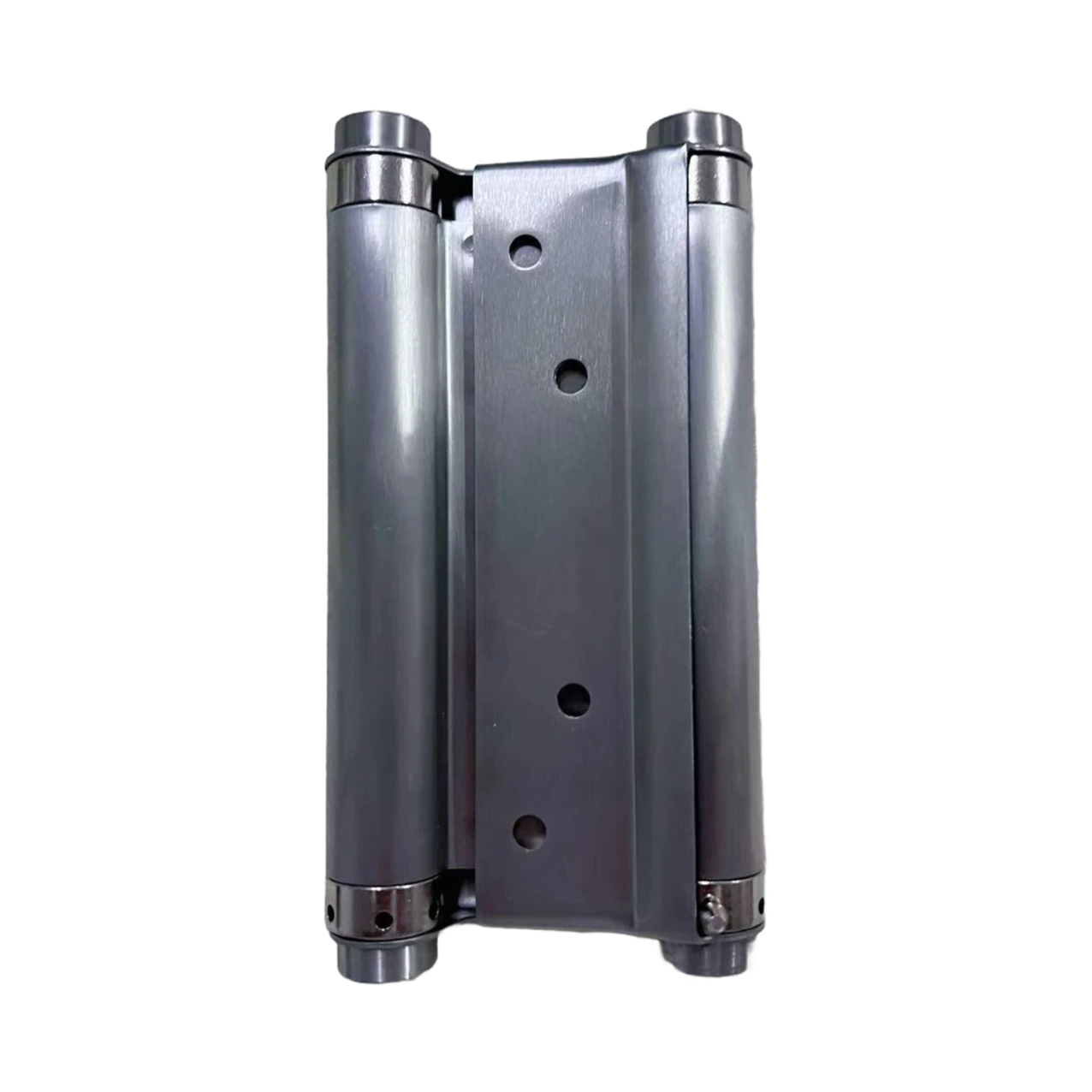
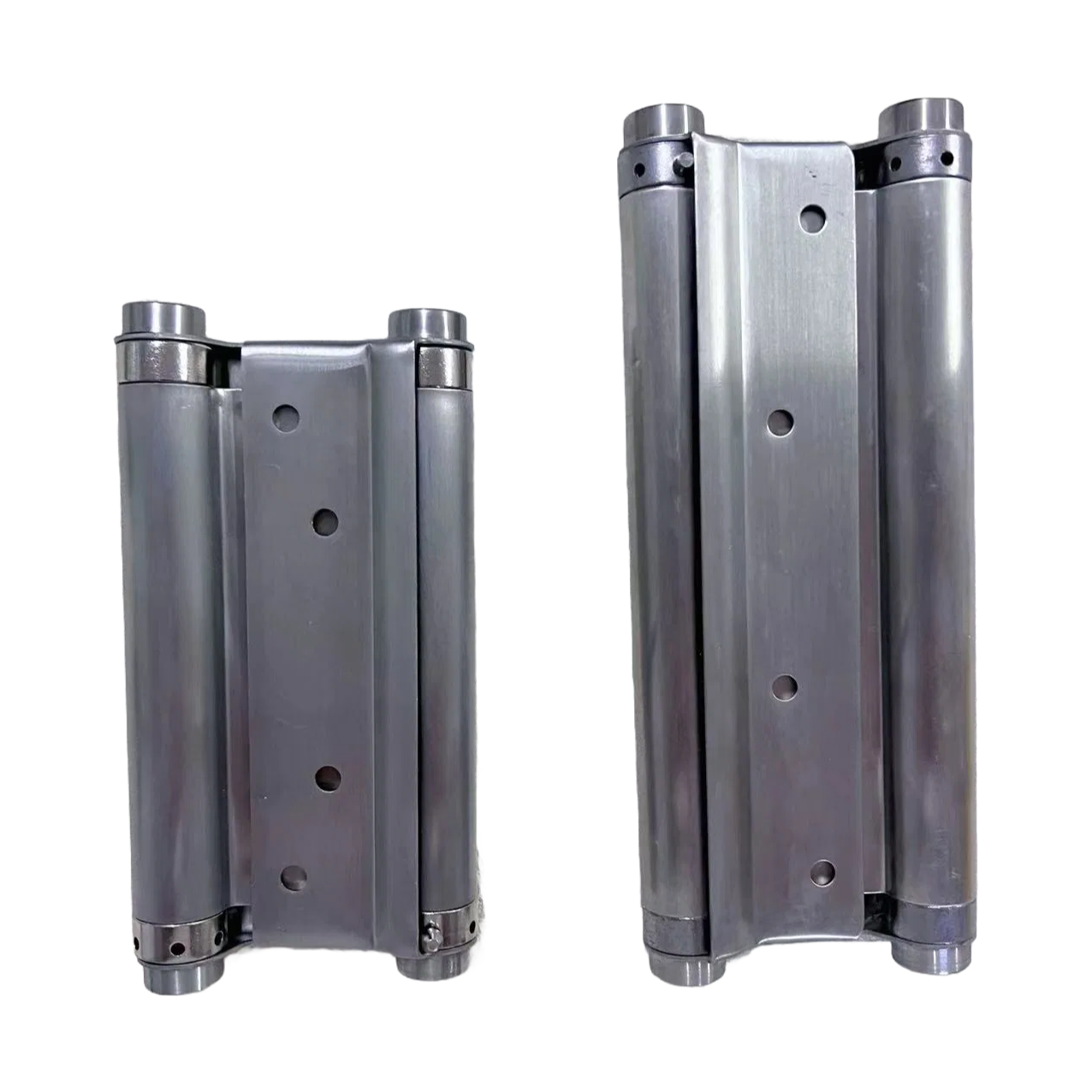
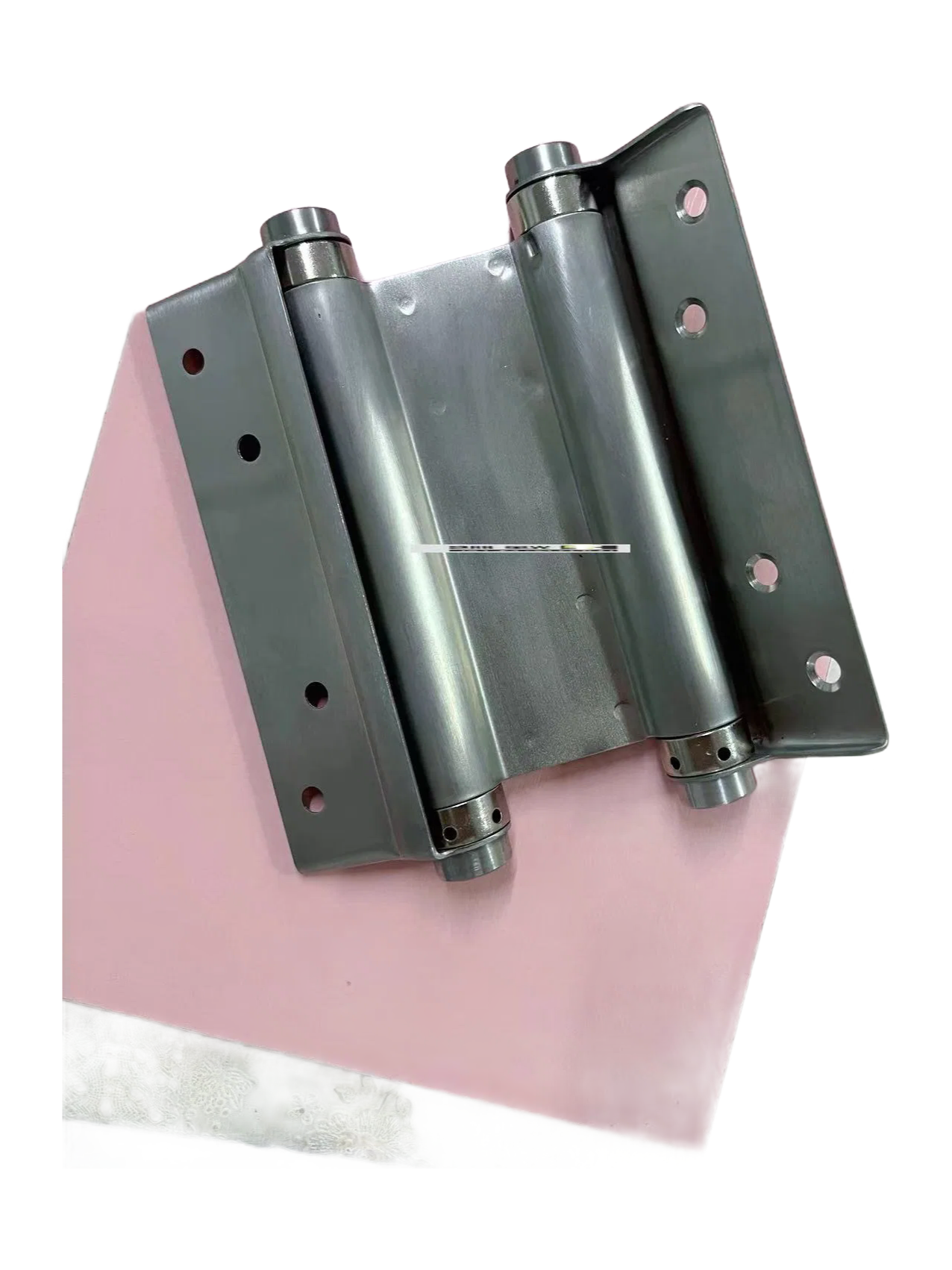
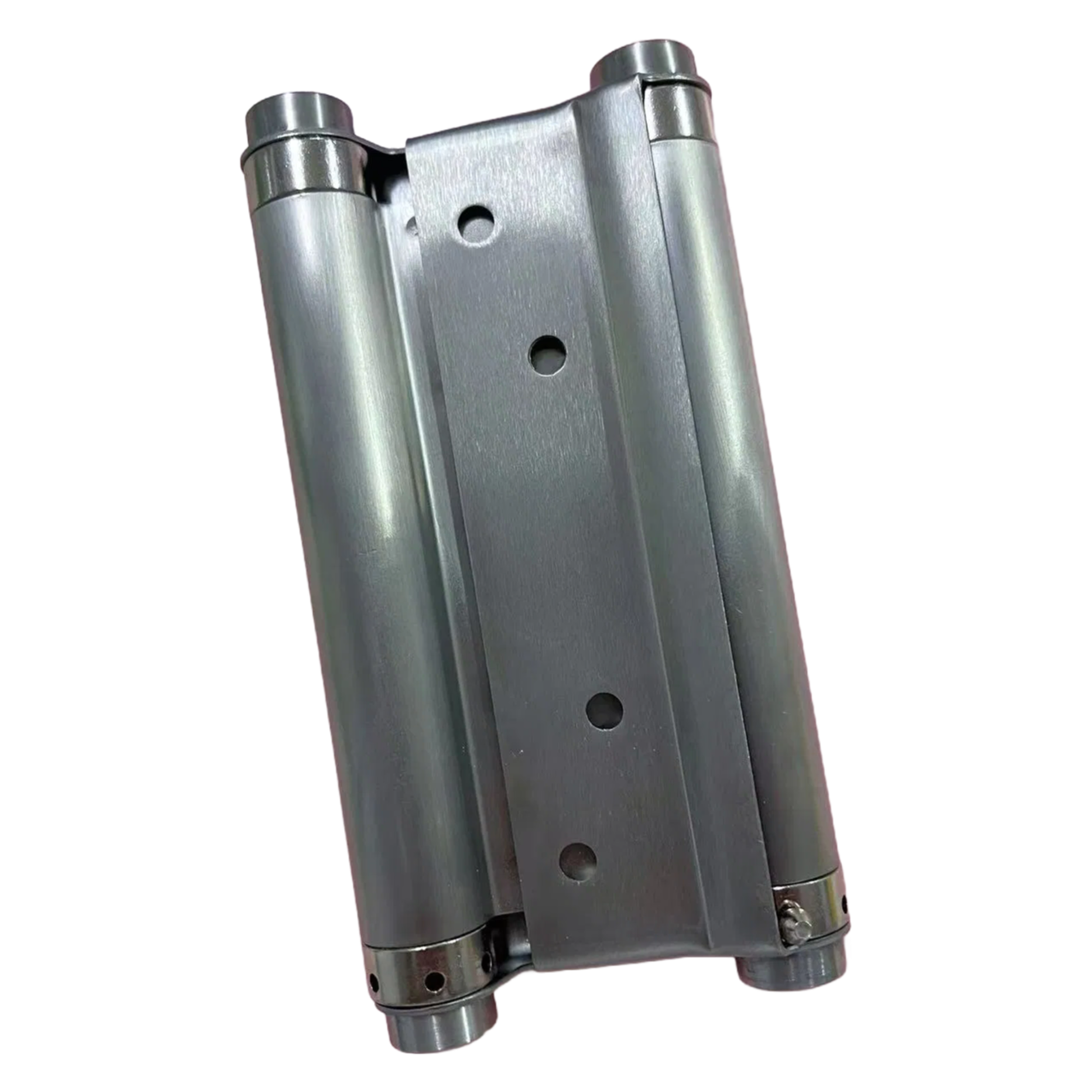
Most people don't realize these won't work on every door right out of the box—the adjustable closing speed is what saves you, but it still needs a bit of fine-tuning to get the tension right for heavier doors. It's not a set-it-and-forget-it thing. They're surprisingly solid once dialed in.
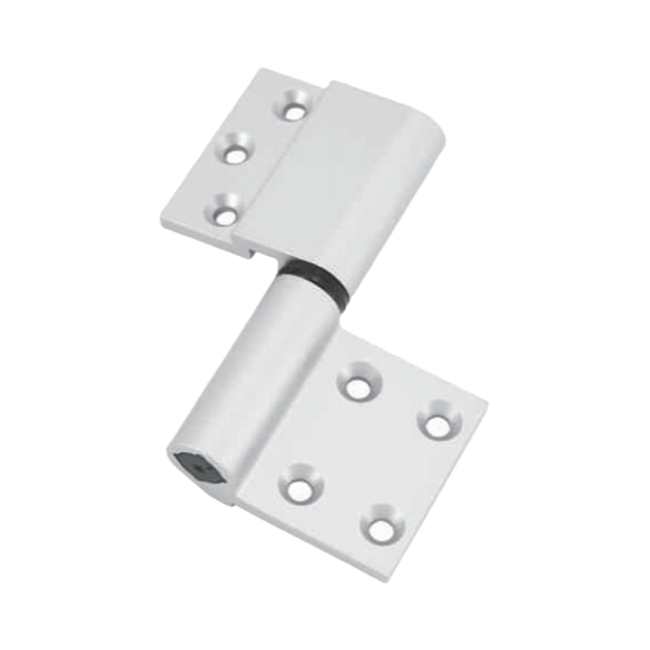
The nickel plating does more than look good, it actually stops rust from creeping in at the hinge pins, which is where cheap ones fail after six months or so. 3. You get either 201 or 304 stainless steel depending on the batch and your budget, with 304 being better for damp environments or exterior use—most buyers go with the 304 for peace of mind. It handles composite and metal doors fine, but we've had some buyers run into trouble with ultra-thin wooden doors (under 35mm) where the screws can pull.
Sizes run from 3 inches up to 8 inches—the 5-inch size is by far the most common for standdard interior doors, though you might want the 6-inch for heavier commercial applications. Avaliable in black, gold, bronze, or nickel, with the nickel being what's in stock most of the time (usually 2-4 weeks lead time if you need another color).
Basically, these are meant for appliction where you need doors to swing both ways and close quietly—think restaurant kitchens or hallway flow—not for home front doors that need heavy latching. The 360-degree double action is the real feature here, letting the door open a full 180 degrees in either direction.
MOQ is typically 100 pieces for the factory price, and we've got the HS code 83021000 ready to go on the paperwork. They come individually boxed in bulk cartons around 50 units each.
We typically require a 500-piece MOQ per size and finish, but we can discuss smaller trial orders if you're just getting started.
Yes, we can supply a mill test certificate for the steel grade you choose—just let us know if you need 304 for higher corrosion resistance.
Our standard colors are black, gold, bronze, and nickel. Custom colors are possible for orders over 2,000 pieces, but lead time may extend by 2-3 weeks.
There's a small screw on the hinge body—turning it clockwise slows the close, counterclockwise speeds it up. No special tools needed.
Yes, they work with composite doors. For standard residential use, 4" or 5" is fine; for heavier doors, go with 6" or 8" to handle the weight better.
Very impressed with the overall experience. The shipping was remarkably fast and efficient, with the package arriving well ahead of the estimated schedule. Everything was securely packaged, showing great care in logistics. The quality of the hinges is immediately apparent; they feel solid, well-constructed, and the nickel plating has a consistent, durable finish without any visible flaws. The service provided was equally commendable. Communication was clear and prompt, and any preliminary inquiries were handled professionally and helpfully. The entire process, from ordering to delivery, was seamless and straightforward. This level of attention to detail in logistics, product quality, and customer service is highly appreciated and makes for a very satisfactory purchase. It’s clear that the supplier prioritizes reliability and customer satisfaction. I would not hesitate to order again based on this positive experience.
Came across this hinge while searching for a durable solution for a heavy interior door. The ordering process was straightforward, and I was pleasantly surprised by the shipping speed. The package arrived well ahead of the estimated delivery date, which was a great start. Upon unboxing, the first thing I noticed was the solid feel and the clean nickel plating; it looks exactly as advertised in the pictures. The construction seems robust, and the finish is uniform without any noticeable flaws or rough edges. Customer service was responsive when I had a pre-sale question about compatibility, providing a clear and helpful answer promptly. Overall, my initial impressions regarding the logistics, the apparent quality of the materials and finish, and the support received are very positive. It feels like a well-made product that was delivered efficiently and without any hassle.
A truly seamless experience from start to finish. The shipping was remarkably fast, arriving well ahead of the estimated delivery date. Everything was packaged with great care, ensuring the product arrived in perfect condition. The quality of the hinges is immediately apparent; they feel solid, substantial, and very well-made. The nickel plating is smooth and even, giving a professional and durable finish. Customer service was also excellent, with clear communication throughout the process. I had a minor question about the order, and the response was prompt, polite, and thoroughly helpful. Overall, this was a fantastic transaction. The combination of rapid logistics, superior product construction, and attentive support makes this supplier highly reliable. I am completely satisfied and would not hesitate to order from them again for any future hardware needs. The entire process was handled with impressive efficiency and professionalism.
Great experience overall. The shipping was incredibly fast and efficient. My order arrived well ahead of the estimated delivery date, which was a pleasant surprise. The packaging was secure and professional, ensuring the product was protected during transit. I was very impressed with the quality upon inspection. The nickel plating has a consistent, attractive finish, and the construction feels solid and substantial. The hinge operates smoothly with the promised 360-degree rotation, and the spring action is strong and responsive. Customer service was also excellent. I had a minor question about the product before ordering, and the response was prompt, polite, and thoroughly helpful. This level of service is commendable and builds trust. Generally, from the moment of purchase to the arrival of a high-quality item, the process was seamless. The combination of reliable logistics, a well-made product, and supportive service makes this a highly satisfactory purchase. I would not hesitate to order from this supplier again for similar hardware needs. The durability and finish suggest this hinge will perform its function reliably for a long time. A very positive transaction from start to finish.
Prompt delivery and excellent packaging. The shipping was incredibly fast, arriving much sooner than I had anticipated. Everything was securely wrapped, preventing any damage during transit. The quality of the hinges appears to be very high; they feel solid and well-made with a nice finish. Customer service was responsive and helpful when I had a question about my order. Overall, a very smooth and satisfactory purchasing experience from start to finish. I am pleased with the efficiency and care taken.
Zippy delivery was the first thing that impressed me. The package arrived well ahead of the estimated schedule, which was a fantastic start. The packaging itself was robust and secure, ensuring the contents were completely protected during transit—no dents, scratches, or any signs of rough handling whatsoever. Zero issues on that front. Zoning in on the product quality, the nickel plating is flawless, providing a consistent and attractive finish that looks both professional and durable. The construction feels exceptionally solid in hand, with no play or wobble in the mechanism, signaling good manufacturing. Zealous attention seems to have been paid to the machining. Regarding service, the communication was clear, and the process was straightforward. While I haven't installed these hinges yet to comment on performance, the initial experience based on logistics, apparent quality, and seller interaction has been wholly positive. This order process was seamless from start to finish.
The delivery was incredibly fast and well-handled, arriving ahead of schedule without any damage. The packaging was secure and professional, which made the unboxing experience smooth and hassle-free. In terms of quality, the materials feel robust and well-crafted, showing attention to detail in the finish. The nickel plating appears uniform and durable, suggesting it will hold up well over time. Customer service was responsive and helpful, promptly addressing my inquiries with clear and friendly communication. Overall, a very satisfying purchase from start to finish.
Yippee! The shipping was incredibly fast and efficient, arriving well before the estimated date, which made my project timeline much smoother. The quality of the hinge is outstanding; it feels robust and well-made, with a smooth finish that suggests it will last for years without issues. Customer service was top-notch too—they responded promptly to my queries and were very helpful throughout the process. Overall, a fantastic experience from start to finish, and I'm thoroughly impressed by the reliability and care put into this transaction.
Keenly impressed with the overall experience of purchasing these hinges. The delivery was remarkably fast and efficient, arriving much sooner than anticipated, which was a pleasant surprise. The packaging was secure and ensured the items were well-protected during transit, showing great attention to detail in logistics. Regarding quality, the hinges feel robust and well-made, with a solid construction that seems built to last, and the nickel plating adds a nice touch of durability and aesthetic appeal. Customer service was outstanding; they were responsive and helpful, addressing my queries promptly and professionally. Overall, a smooth and satisfying transaction from start to finish, making it a reliable choice for anyone in need of such hardware.
Quick delivery and excellent packaging ensured the hinges arrived safely without any delays. The quality feels robust and durable, with a smooth finish that meets expectations. Customer service was responsive and helpful when I had a query, making the overall experience pleasant and reliable.