Account
Inquiry
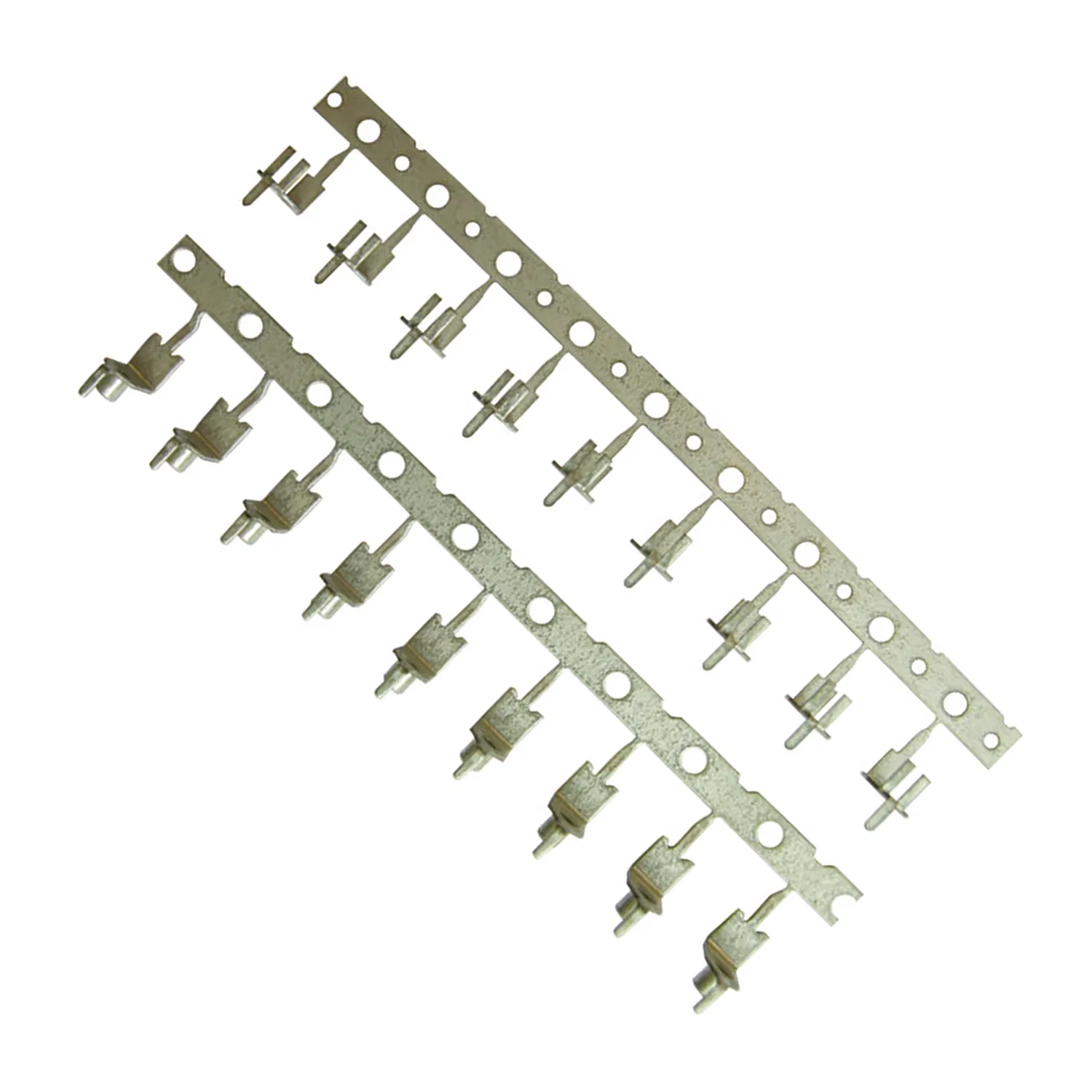
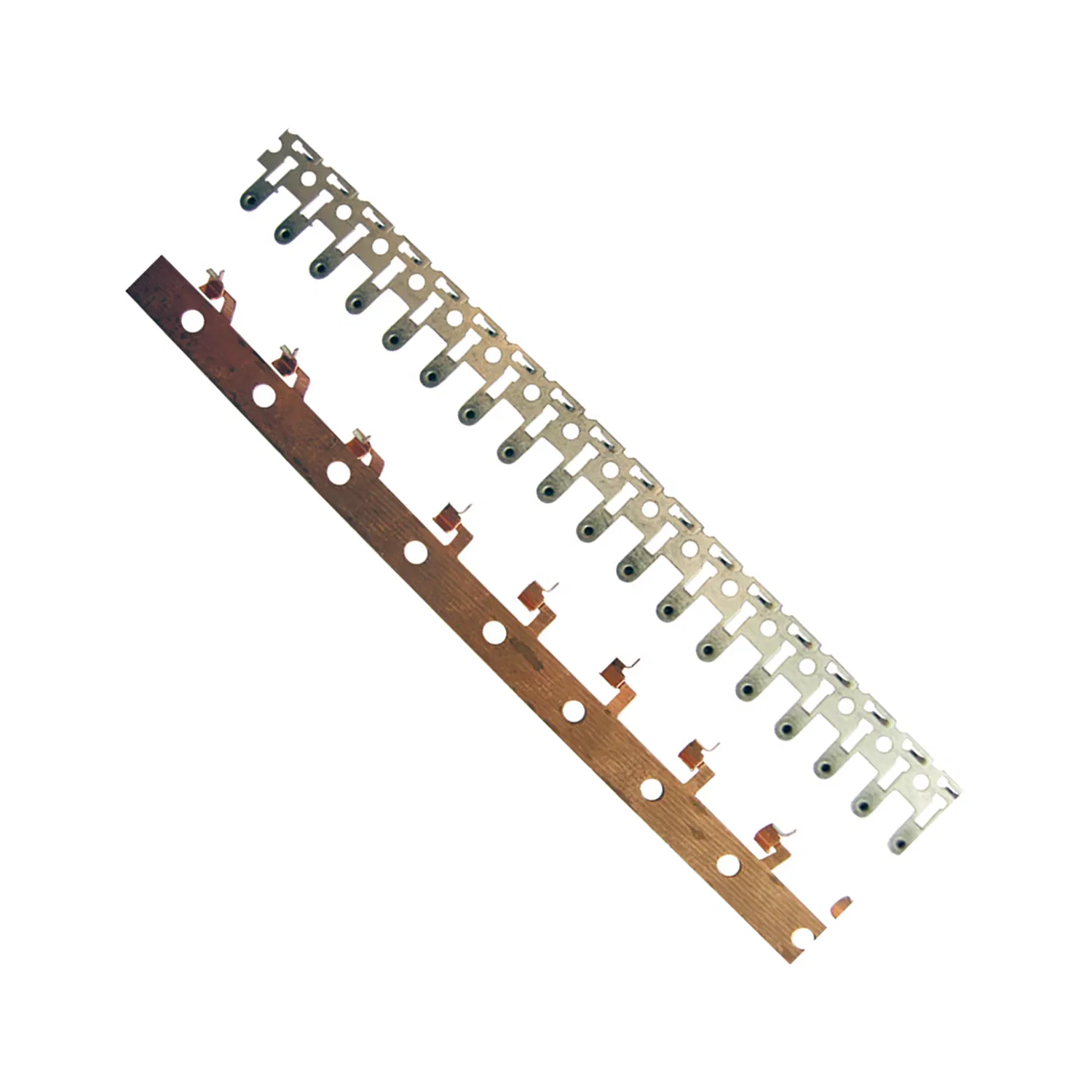
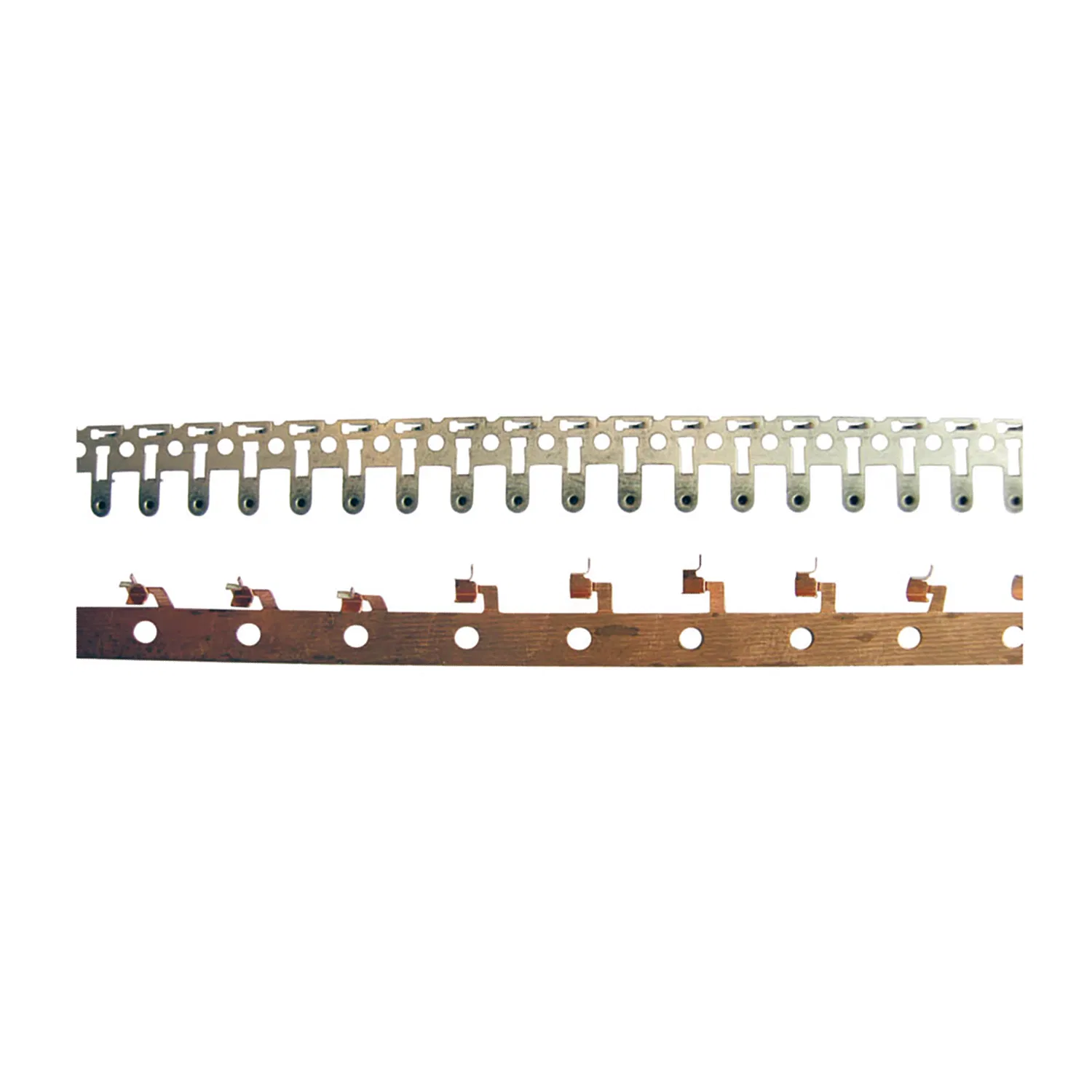
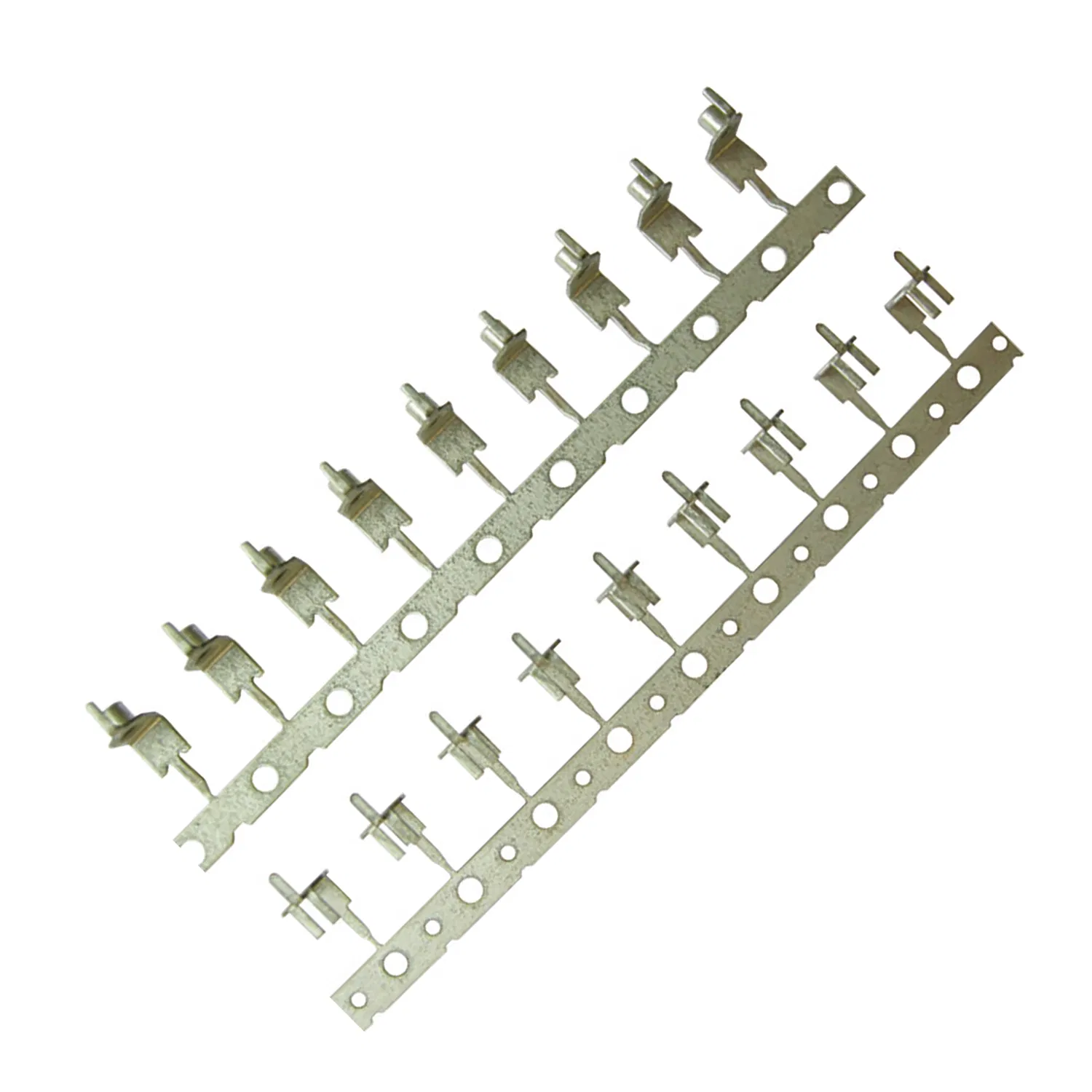
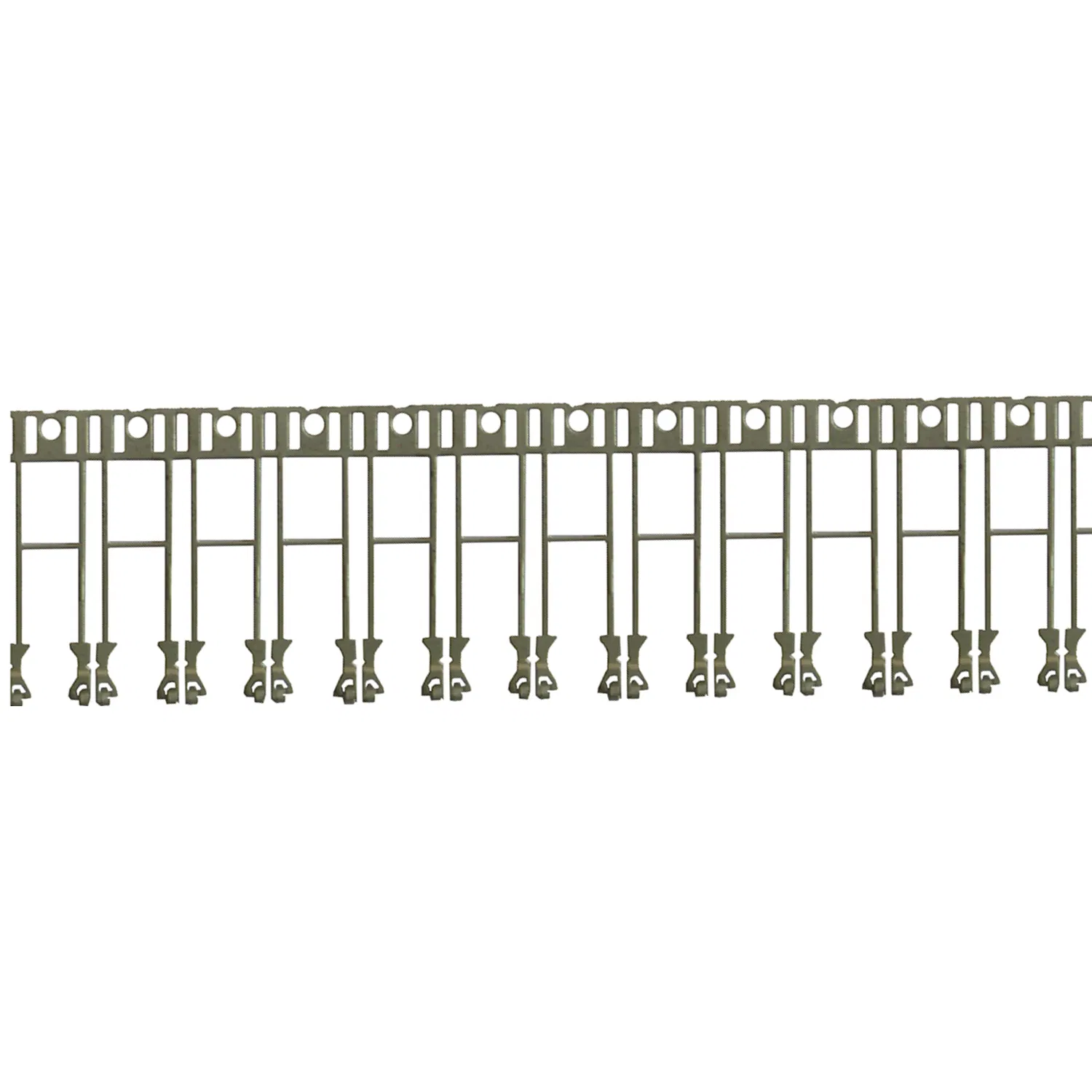
You're sourcing for a production run of AI server components or high-end electronics, and the tolerances on stamped metal parts are what's keeping you up at night — we've seen that exact look before.
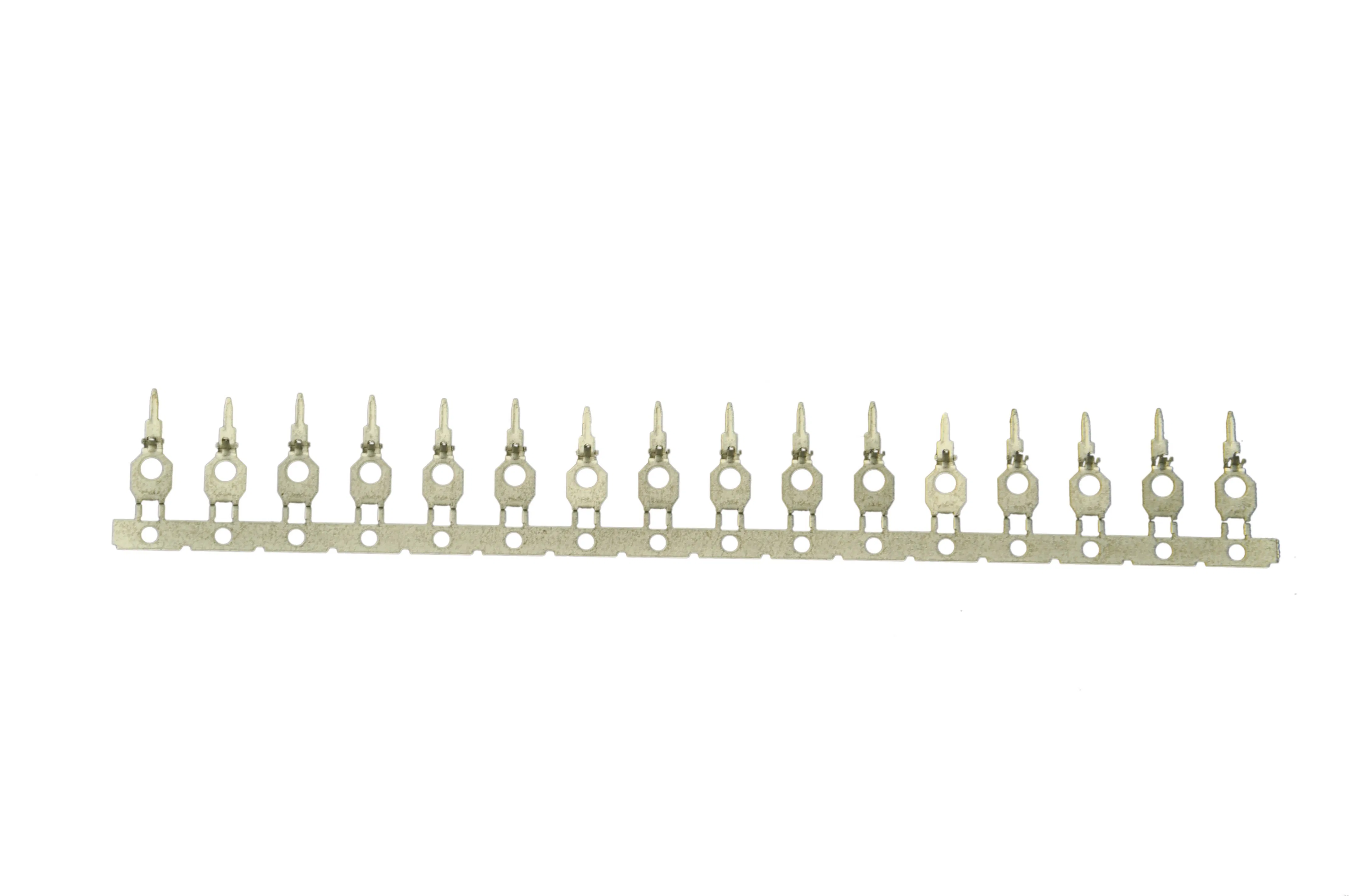
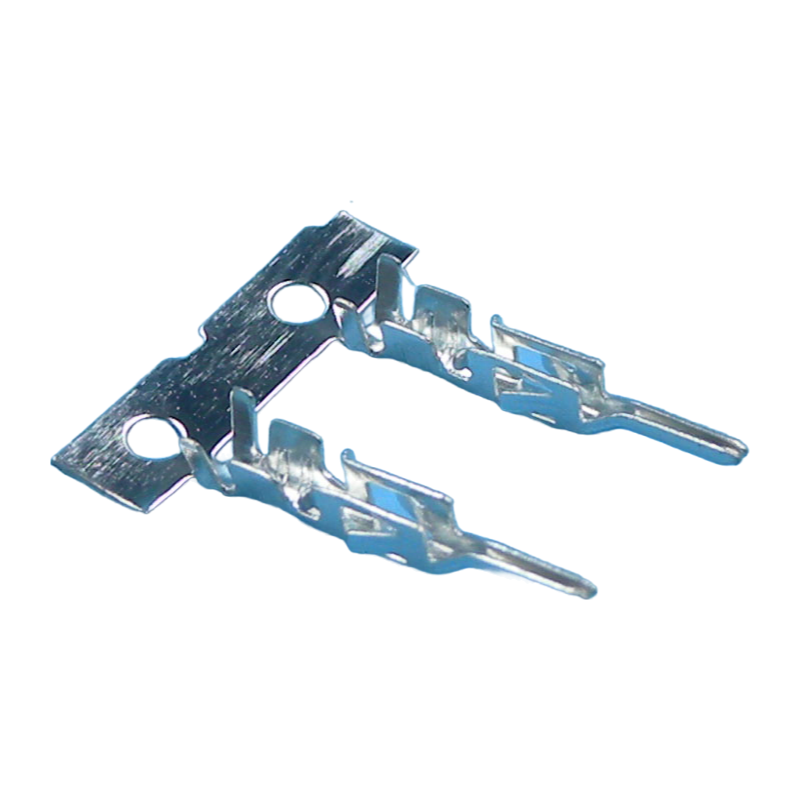
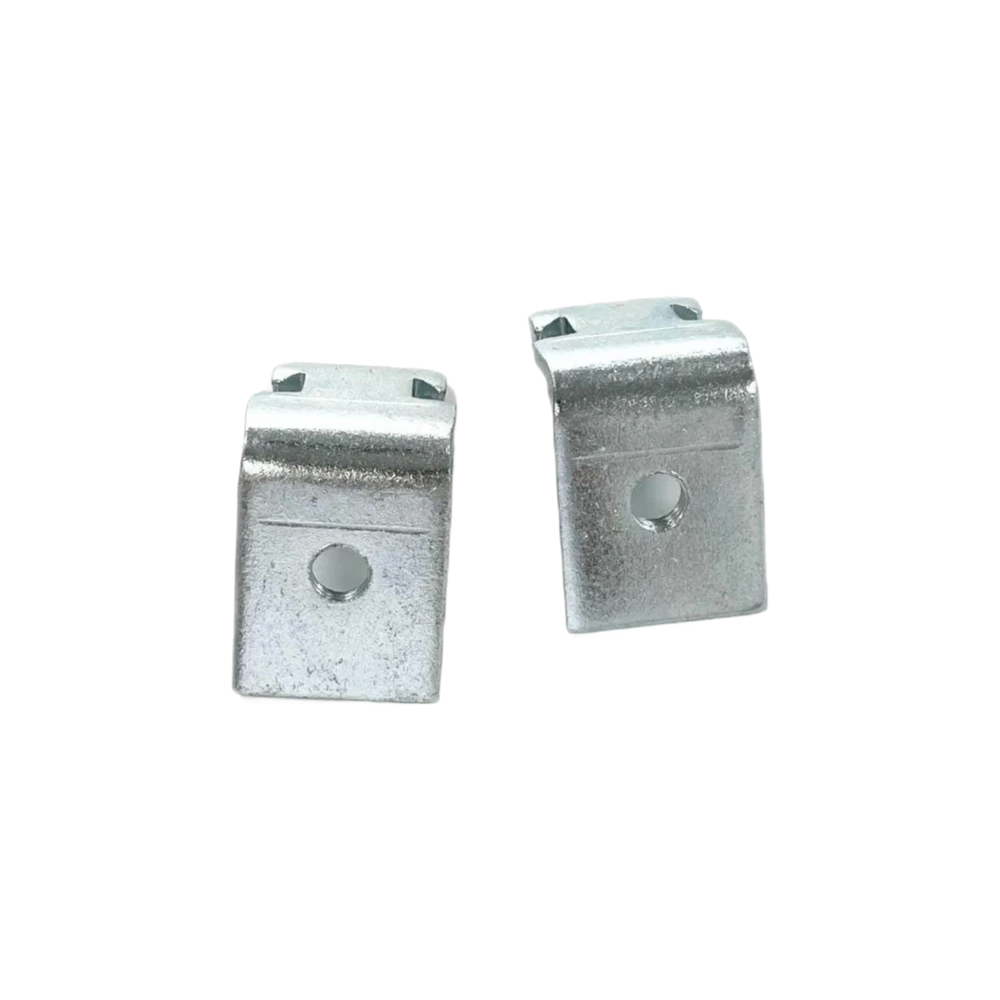
Thickness runs form 0.075mm up to 3.5mm, and we work with copper or iron depending on what your application needs, with suface plating options in tin, nickel, gold, or silver. 100% inspection before anything ships, and we follow DIN, ASTM, JIS, or ANSI standard. Most buyers go with teh gold plating for connector pins in server racks, but silver is better for high-frequency stuff.
What it does is give you a custom stamped compnent that's been through our full QC chain — we don't skip IPQC or FQC steps, and every piece gets checked before it leaves. Sample lead time is 5 to 40 days, usually closer to 20 days or so for a first run. You'll need to send a 2D or 3D drawing, we handle rest.
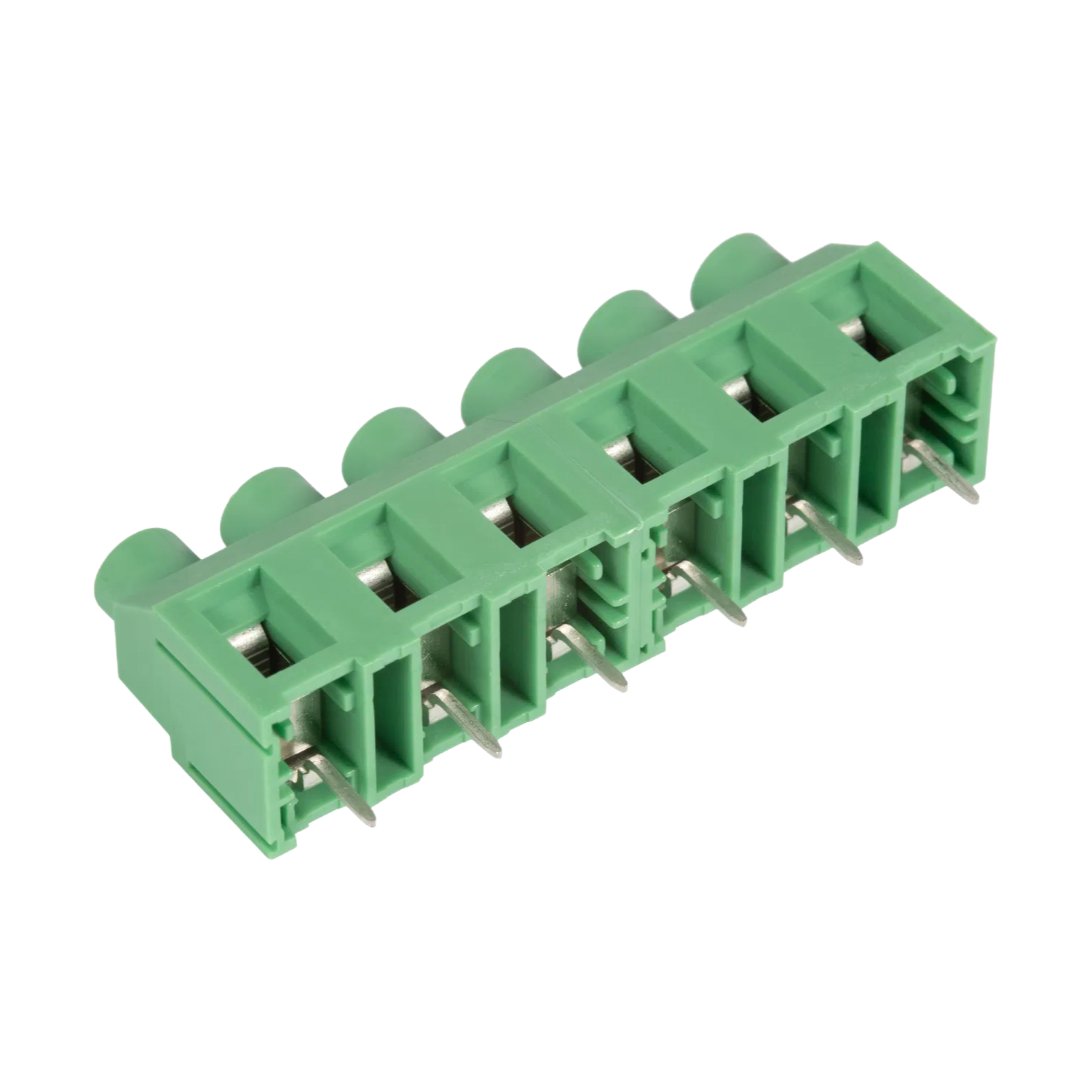
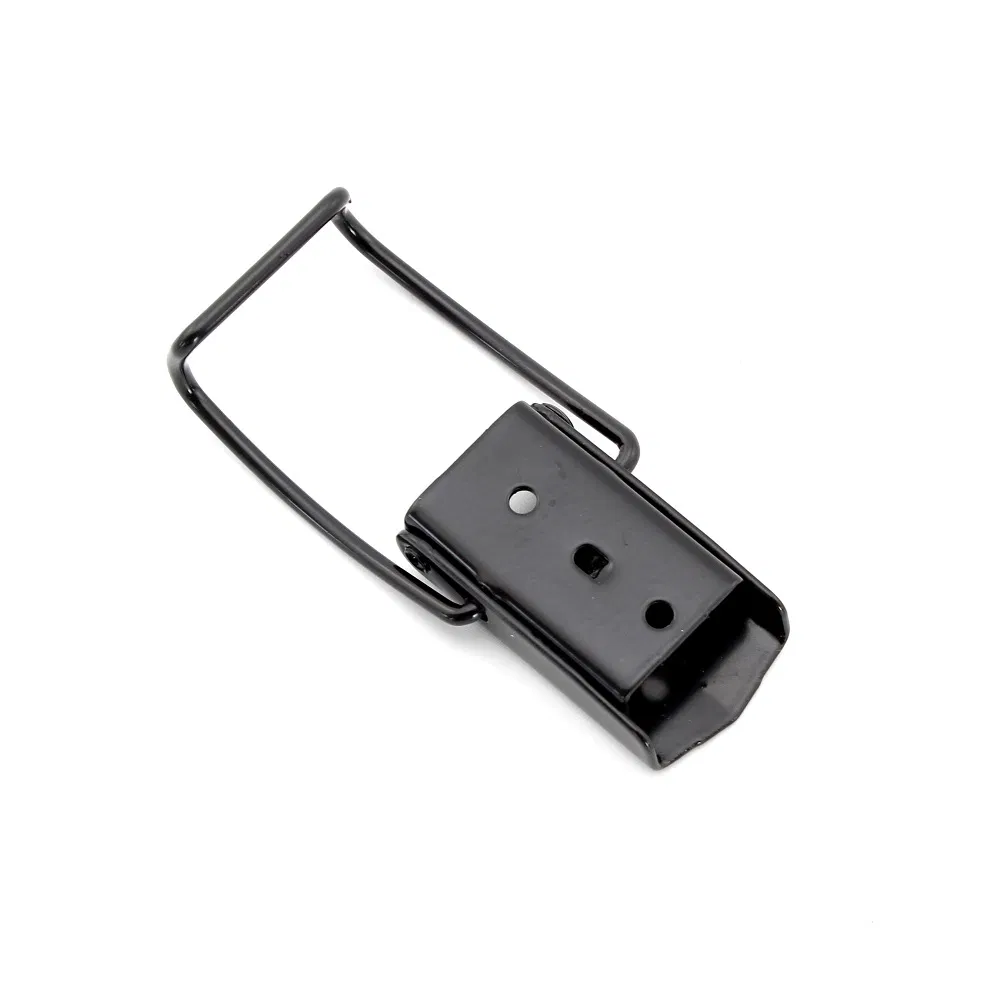
It's not suited for heavy structrual loads or thick plate work — that's not what this process is for. But for electronics, AI servers, or computer internals, the tolerances are tighter than most standard stamping houses can hold.
Also, if you're working with a specific alloy blend, just flag it on the drawing and we'll confirm our company can source it — we usually have stock on common grades, but confirm lead time for anything unusual.
We don't have a strict MOQ for standard parts, but for custom OEM/ODM orders, it typically starts around 500–1000 pieces depending on complexity. We can discuss smaller batches for prototypes or samples.
Sample lead time ranges from 5 to 40 days, depending on the part complexity and surface plating like tin or gold. Simple copper parts with nickel plating usually fall on the shorter end, while complex silver-plated ones take longer.
Yes, we include both RoHS and ISO9001 certificates with every shipment. We also provide material test reports if requested, and all components undergo 100% inspection before leaving our facility.
Absolutely, we support both 2D and 3D drawing software. You can send files in STEP, IGES, DWG, or PDF formats, and we'll review them for manufacturability before quoting.
For iron parts in those applications, we usually recommend 0.1mm to 2.0mm thickness to balance strength and precision. The full range we offer is 0.075–3.5mm, so we can adjust based on your specific design.
Diligent and dependable service from this supplier. The logistics were handled exceptionally well, with the components arriving ahead of schedule and in perfect condition. The packaging was robust and clearly labeled, which made the receiving process very straightforward. Communication regarding shipping updates was proactive and clear. The quality of the metal stamping parts received is outstanding, meeting all specified tolerances and exhibiting excellent finish from the plating surface treatment. There is a clear adherence to their stated certifications, which provided great confidence. The customer service team was responsive and professional throughout the entire process, from initial inquiry to post-delivery follow-up. They demonstrated a strong understanding of our requirements for industrial applications. Overall, a very satisfactory experience that underscores their capability as a supplier of custom OEM metal components. The combination of reliable logistics, high-quality products, and excellent support makes them a highly recommended partner for precision metal parts.
Absolutely outstanding experience from start to finish. The logistics process was incredibly smooth and transparent. I received regular updates at every stage, from order confirmation to dispatch and final delivery. The shipment arrived ahead of schedule, which was a fantastic surprise, and the packaging was exceptionally secure, ensuring all the metal components were perfectly protected without a single dent or scratch. Regarding quality, the precision of the stamped parts is impeccable. The finish on the plating surface treatment is uniform and flawless, exactly as specified in our technical drawings. It’s clear that rigorous quality control measures are in place, living up to the ISO9001 certification. The materials feel robust and are undoubtedly RoHS compliant, giving us full confidence for our industrial applications. As for customer service, the team was exceptionally responsive and professional. They patiently addressed all our preliminary questions about capabilities and lead times. During the order process, they were proactive in communicating, and any minor queries were resolved within hours. This supplier demonstrates a true partnership approach, not just a transactional relationship. The combination of reliable logistics, superior quality, and attentive service makes them a top-tier partner for custom OEM metal components. We are thoroughly satisfied and will definitely be placing repeat orders for our future projects requiring metal stamping parts and electronic metal parts.
Great experience overall. The shipping was incredibly fast and efficient, with the parts arriving well ahead of the estimated delivery schedule. The packaging was robust and secure, ensuring everything arrived in perfect condition without any damage. Regarding quality, the components are excellent. They feel solid, well-made, and precisely match the specifications we provided. The finish from the plating surface treatment is uniform and looks very professional, exactly as required for our industrial application. The service from the team was outstanding. Communication was clear, prompt, and helpful from the initial quote through to the final delivery. They were very responsive to our inquiries and provided all necessary documentation, including the RoHS and ISO9001 certifications, without any hassle. It was a smooth and professional process from start to finish. I am thoroughly satisfied and would not hesitate to recommend this supplier for custom metal stamping needs or any OEM metal components. A reliable partner for industrial applications.
Very satisfied with the overall experience. The logistics were handled exceptionally well; the shipment arrived ahead of schedule and was packaged securely to prevent any damage during transit. The quality of the metal components is outstanding, meeting all specified requirements with precision. The service provided was professional and responsive, with clear communication throughout the process. This supplier demonstrates a strong commitment to reliability and customer satisfaction, making them a top choice for industrial applications. Highly recommended for anyone in need of high-quality custom metal parts.
Delivery was exceptionally prompt and well-handled. The logistics process was seamless from start to finish, with clear communication at every stage. The packaging was robust and secure, ensuring all components arrived in perfect condition without any damage or delays. This level of efficiency in shipping and handling is commendable and greatly appreciated. Regarding the quality, the metal components are precisely manufactured and exhibit excellent craftsmanship. The finish is smooth and consistent, meeting the high standards expected for industrial applications. The attention to detail in the stamping and plating is evident, resulting in parts that are both durable and reliable. The service provided was outstanding. The team was responsive, professional, and helpful throughout the entire process. They addressed inquiries promptly and provided thorough support, making the procurement experience smooth and hassle-free. Overall, a very satisfactory experience with this supplier.
Zippy delivery was the first thing that impressed me. The components arrived well ahead of schedule, which was crucial for our project timeline. The packaging was exceptionally secure, with each part individually protected, showing great attention to detail in logistics. Regarding quality, the metal stamping is precise and flawless, exactly matching the provided specifications. The plating surface treatment is uniform and of a high professional standard, with no imperfections visible. Communication and service throughout the process were outstanding. The team was responsive, proactive in providing updates, and handled my custom requirements with expertise and patience. Overall, a highly reliable supplier for industrial-grade components. The combination of prompt shipping, superior product quality, and excellent customer support makes them a top-tier partner. I am thoroughly satisfied and will definitely place future orders.
Outstanding experience from start to finish. The logistics were handled with remarkable efficiency; my order was processed and dispatched promptly, with clear tracking information provided at every stage. The delivery arrived ahead of schedule, which was a very pleasant surprise and greatly appreciated. Regarding quality, the components received are impeccable. They exhibit excellent craftsmanship, precise tolerances, and a flawless finish from the plating surface treatment. The parts feel robust and perfectly suited for demanding industrial applications. The service provided by the team was equally commendable. Communication was clear, professional, and responsive throughout the entire process. All inquiries were answered thoroughly and in a timely manner, making the custom ordering process smooth and straightforward. The company’s adherence to certifications like RoHS and ISO9001 is clearly reflected in their systematic approach and the final product’s quality. Overall, this was a seamless transaction characterized by reliable logistics, superior product quality, and exceptional customer service. I am thoroughly satisfied and would not hesitate to recommend this supplier for custom metal stamping needs or any OEM metal components.
Just received my order of custom metal stamping parts from this supplier. Juggling multiple industrial projects, I needed a reliable partner for OEM metal components, and this company delivered impressively. The logistics were seamless; the shipment arrived ahead of schedule, well-packaged to prevent any damage during transit. Quality-wise, the electronic metal parts met stringent specifications, with precise tolerances and a flawless plating surface treatment that enhances durability. Their service was equally commendable—responsive communication and proactive updates made the process smooth. As a supplier with RoHS and ISO9001 certification, they clearly prioritize standards, which is crucial for my industrial applications. Overall, a hassle-free experience that I’d recommend to others seeking dependable custom metal stamping solutions.