Account
Inquiry
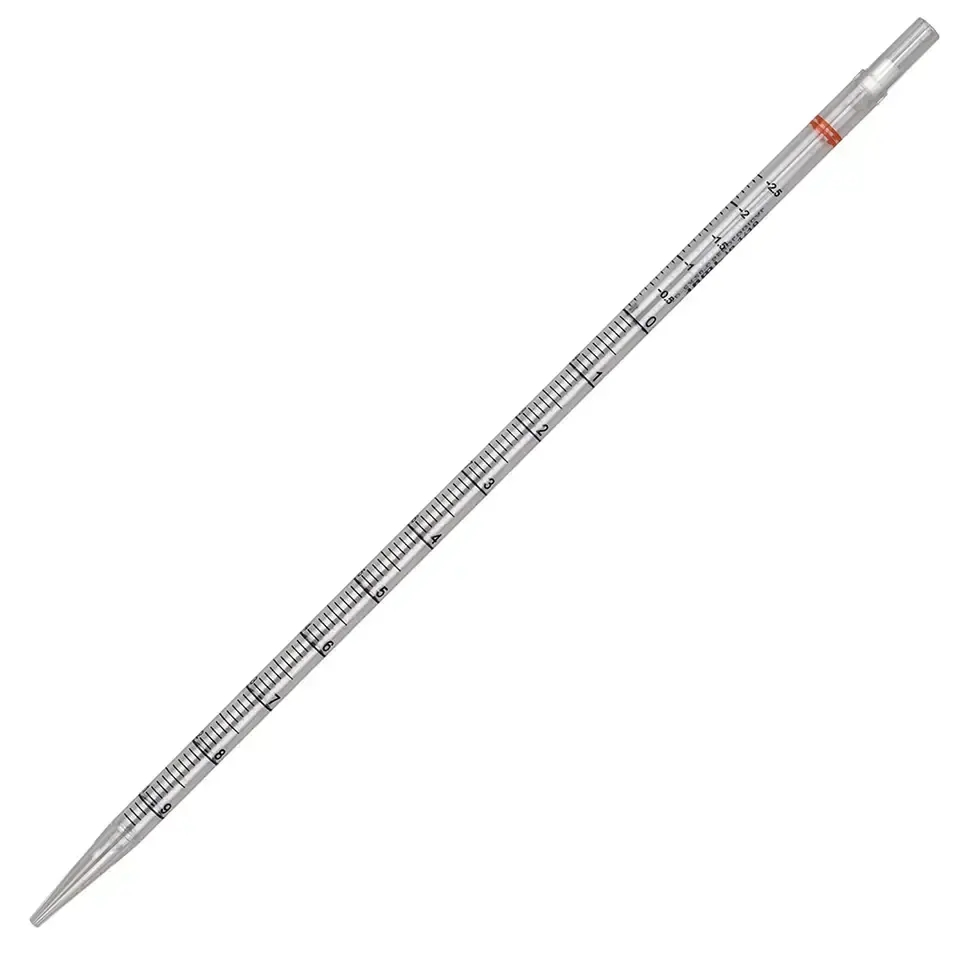
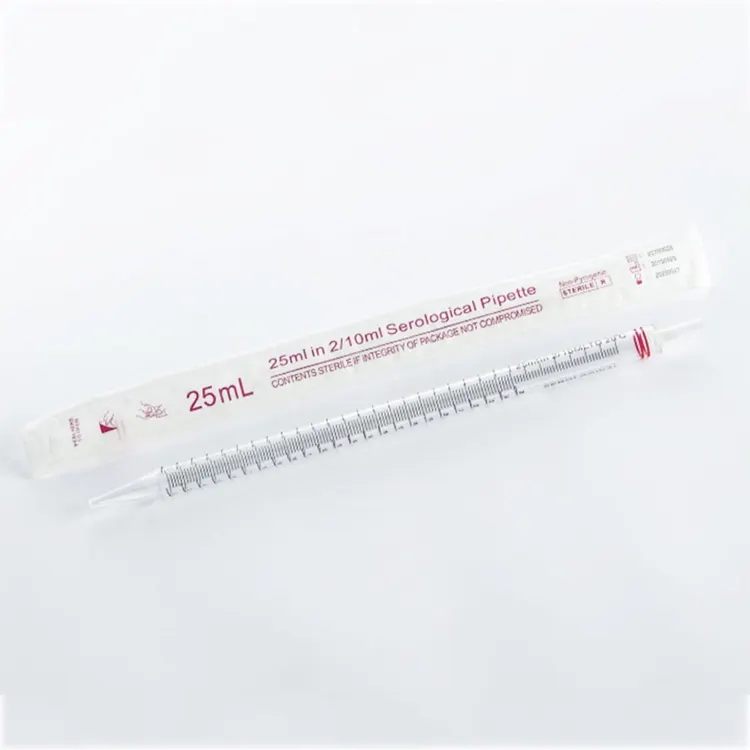
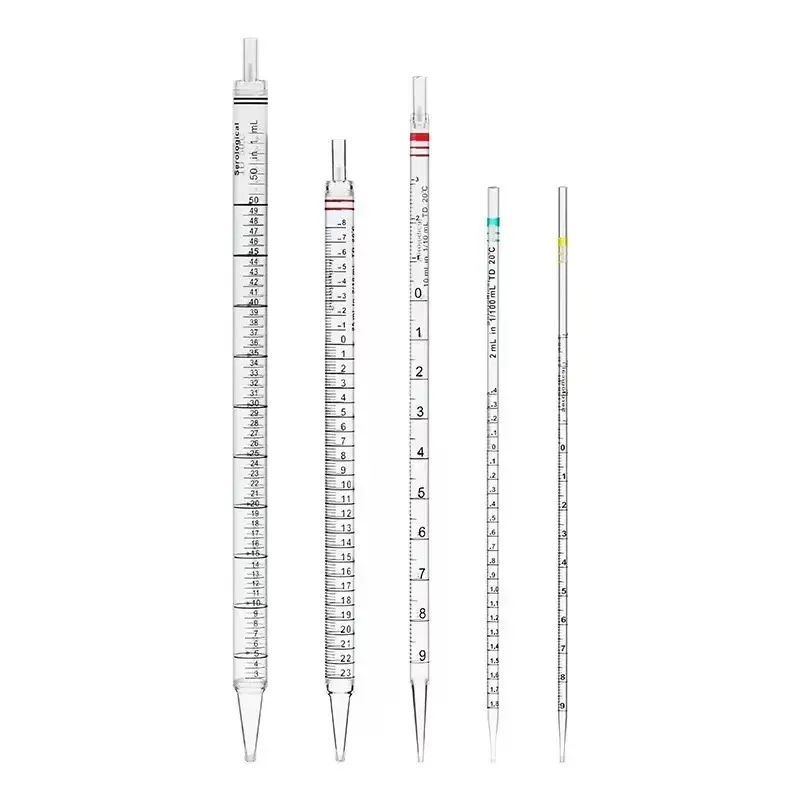
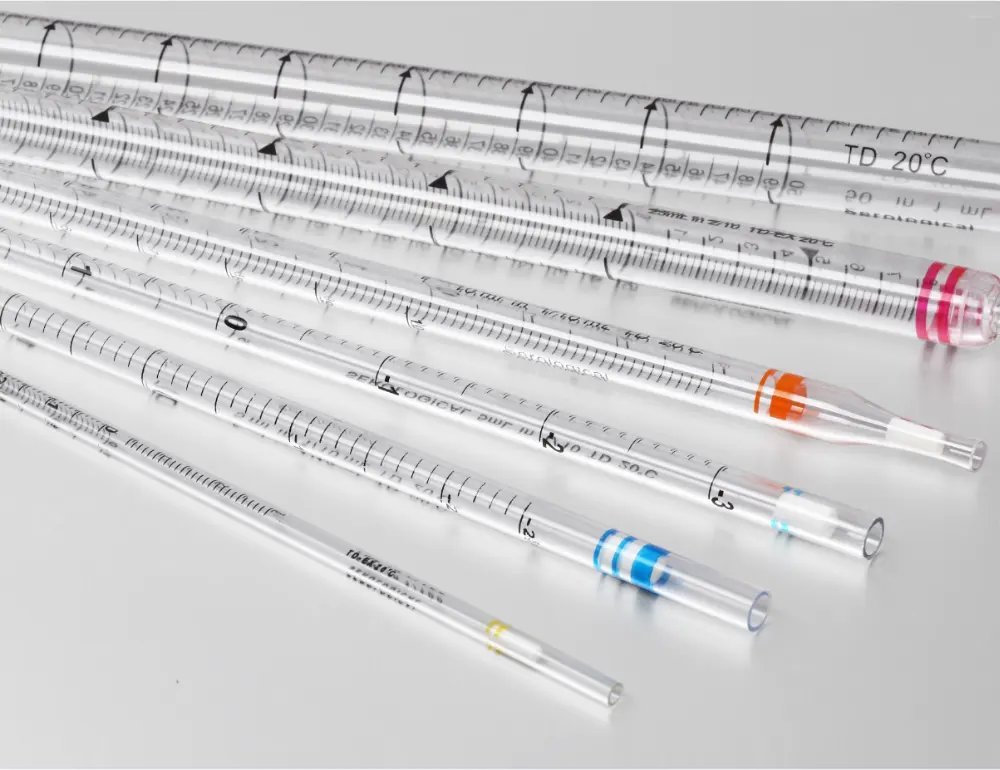
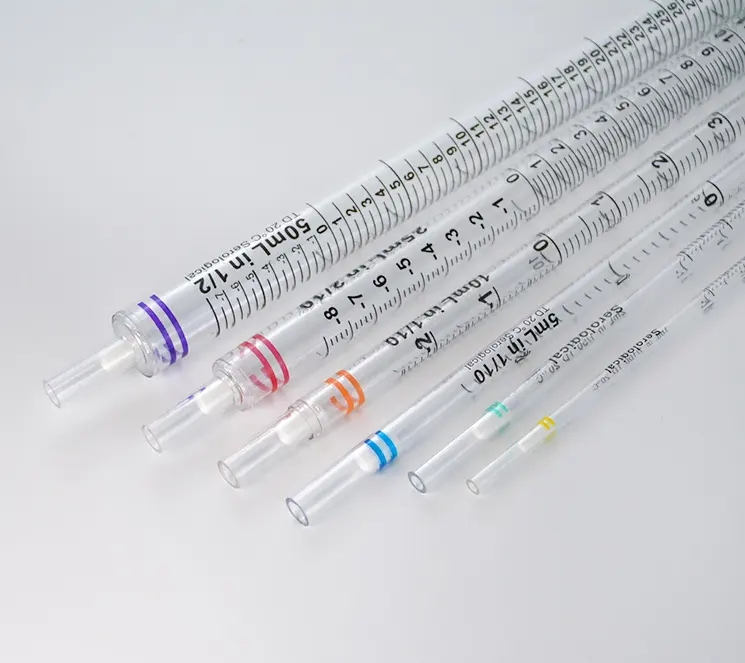
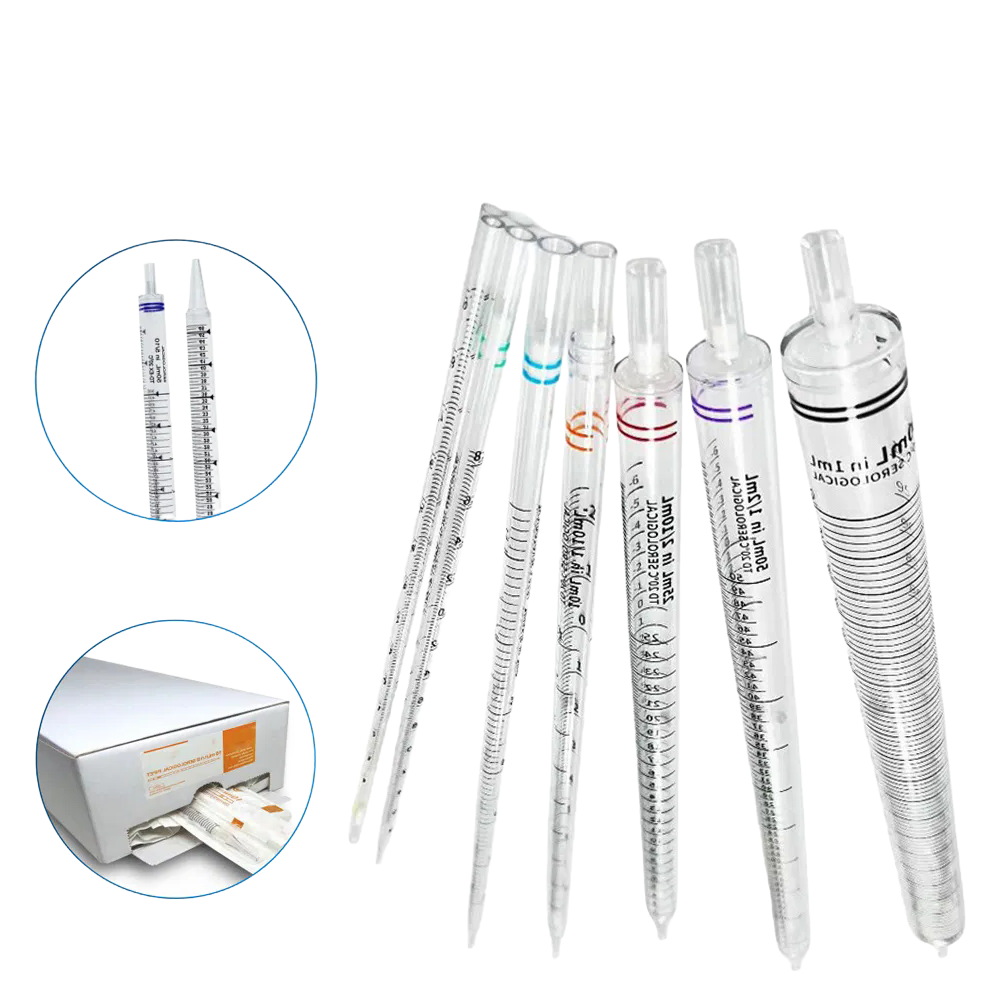
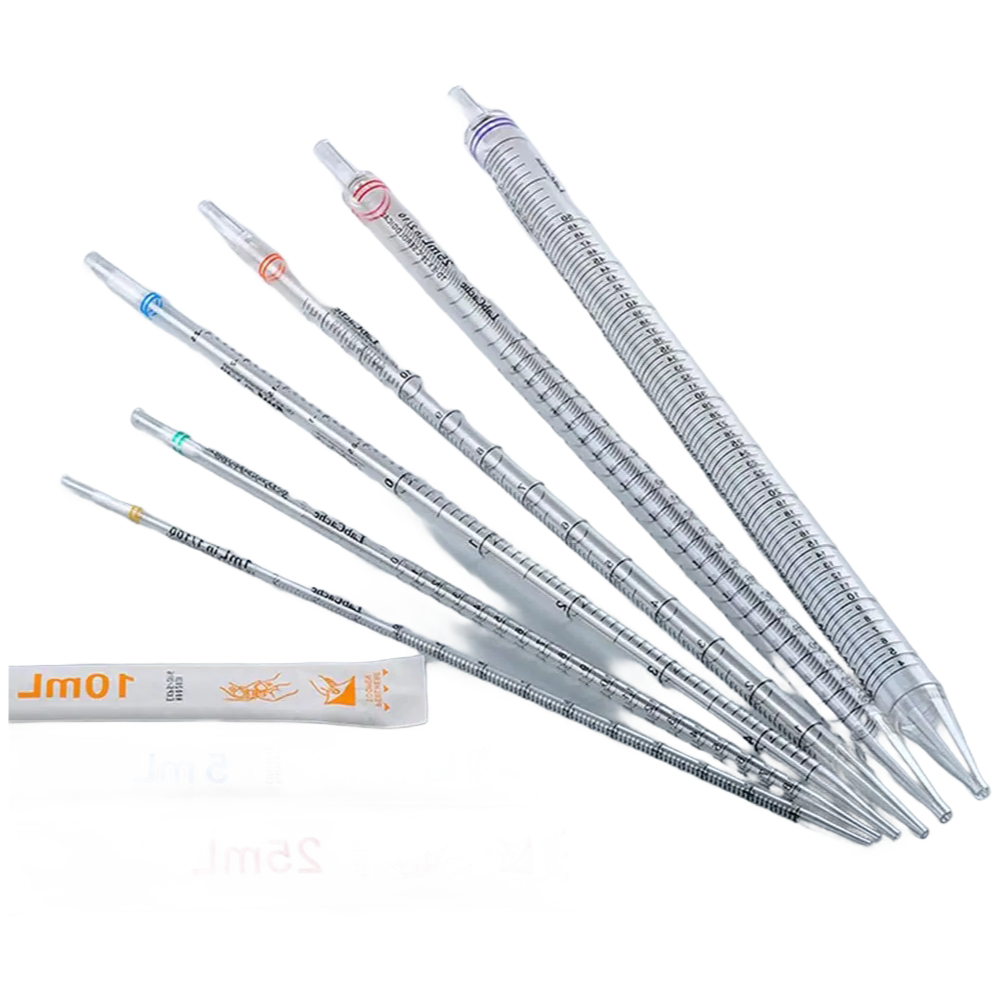
Actually goes pretty fast in sterile labs where you're moving multiple plates — gamma sterilized so ready to use straight out of the wrap, and the dual-side graduation saves you flipping it over every damn time in a hood. It's GPPS with CE, ISO, RoHS, and FDA behind it, so compliance isn't something we get hounded about. The 10ml size typically accounts for about 60% of orders — most buyers just grab a case of those and a case of 25mls, but some really lean on the 50ml for media prep.
The filter plug's a big deal for people running PCR work — it's not just a plug, it's blown in to catch aerosols and it actually holds up under suction. They're DNase and RNase free, non-pyrogenic, so you don't get that weird spike in your endpoint assays which is basically the worst thing that can happen. One thing we learned handling returns: if someone's doing blood fraction work, the 100ml size is better than linking five 20mls — makes a messy workflow less frantic.
Bulk orders move faster than you'd think because we carry a fair bit of raw GPPS in house — lead time is roughly 15-20 working days form order approval for stock sizes, give or take a few if customs gets weird with gamma documentation. MOQ for standerd colos is 50 cases, but with the color coding (red, green, blue depending on volume) our company can do smaller runs if your institution has a standing contract. The 100,000 class cleanroom keeps particulate down, but we always suggest getting a COA on your first shipment to verify sterility.
Also, about packging — each pipette is individually wrapped so you're not tearing open a bag of 50 and hoping none popped sterile seals in transit. It adds a tiny bit of waste per unit but honestly most labs don't complain because of that it saves contamination headaches. The 2ml size tends to get ordered less frequently since people reach for 1ml or 5ml for serial dilutions — it's good in-between but it's not the star of the line.
We do OEM customiztion and that includes private labeling, adjusting the grad intervals, and color ring changes, lead time then shifts to 30-40 days or so depending on the print run size. Most buyers don't realize you can spec a wider bore tip on the 50mls if you're working with viscous fluids like glycerol mixes — it's not advertised but we can tweak the extrusion process. Something that tripped us up once was someone ordering 100mls for plate filling without realizing teh tips are wider in diameter, so check that before you load your automation arm with a new size.
Firm pricing for bulk tiers: 500-case orders land at about 30% over our net cost per unit, but that includes the sterile logging and barcoding for your inventory system if you ask. So pretty straightforward. We don't ship partial cases unless it's a premium per piece, so plan your orders around it. Just a heads-up — the 25ml is good but for really high-throughput ELISA work, the 10ml with the clearer markings actually beats it on accuracy.
Our MOQ is per size, not mixed. For example, if you need 1ml and 10ml pipettes, each size has its own minimum order quantity. But we can be flexible on that for larger total volumes—just check with us.
Standard lead time for OEM orders is around 15–20 working days after design approval. That includes printing your logo on the individual wrappers and outer cartons.
Yes, we can supply a batch-specific certificate of analysis, including sterility test results and endotoxin levels. Just request it when placing your order.
The graduations are permanently printed on both sides and hold up fine after gamma sterilization. They're resistant to ethanol and mild solvents, but prolonged contact with acetone or strong acids may fade them.
Each pipette is individually wrapped in paper/plastic peel pouches, then packed in strong corrugated cartons with internal dividers to prevent crushing. For 100ml size, we use extra cushioning.