Account
Inquiry
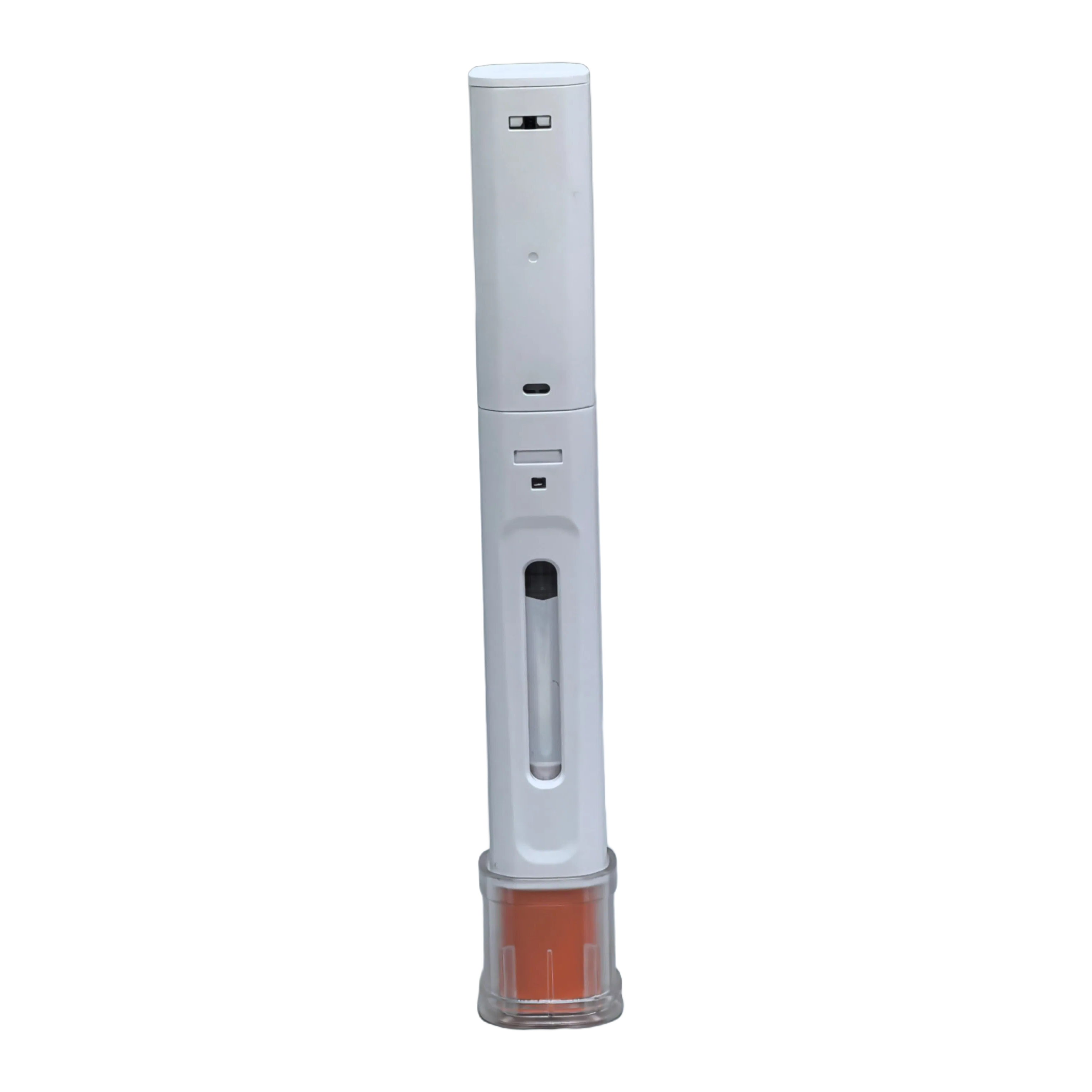
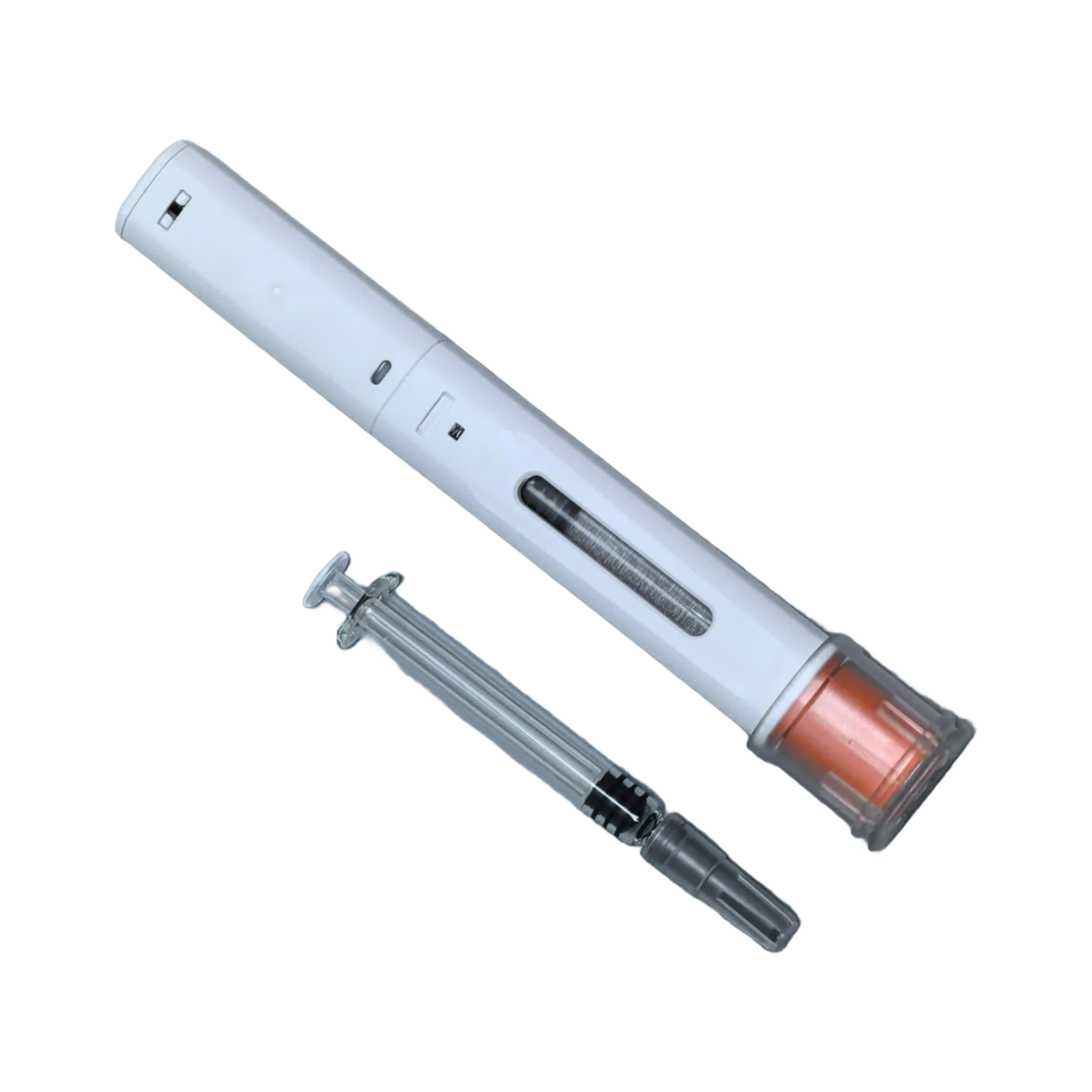
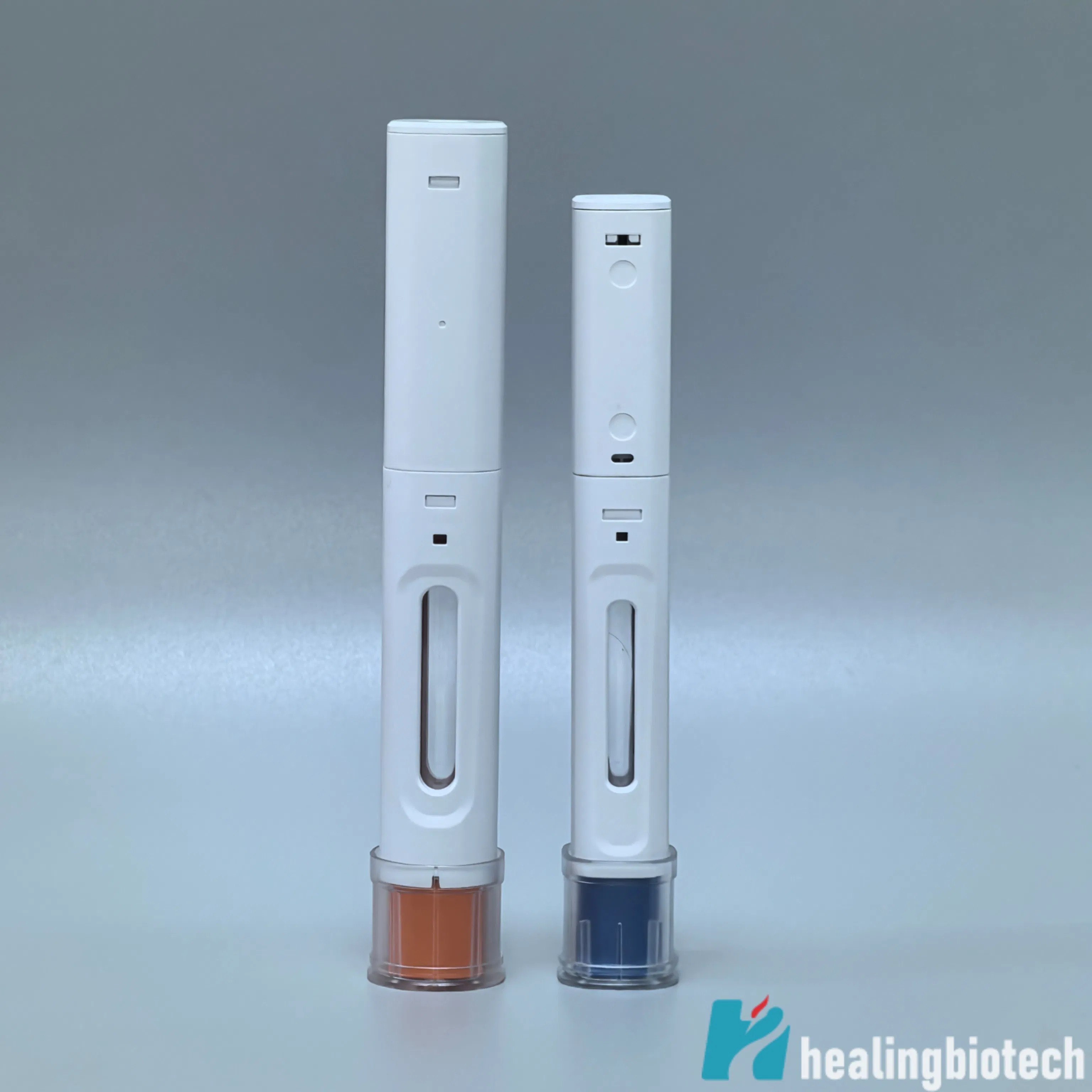
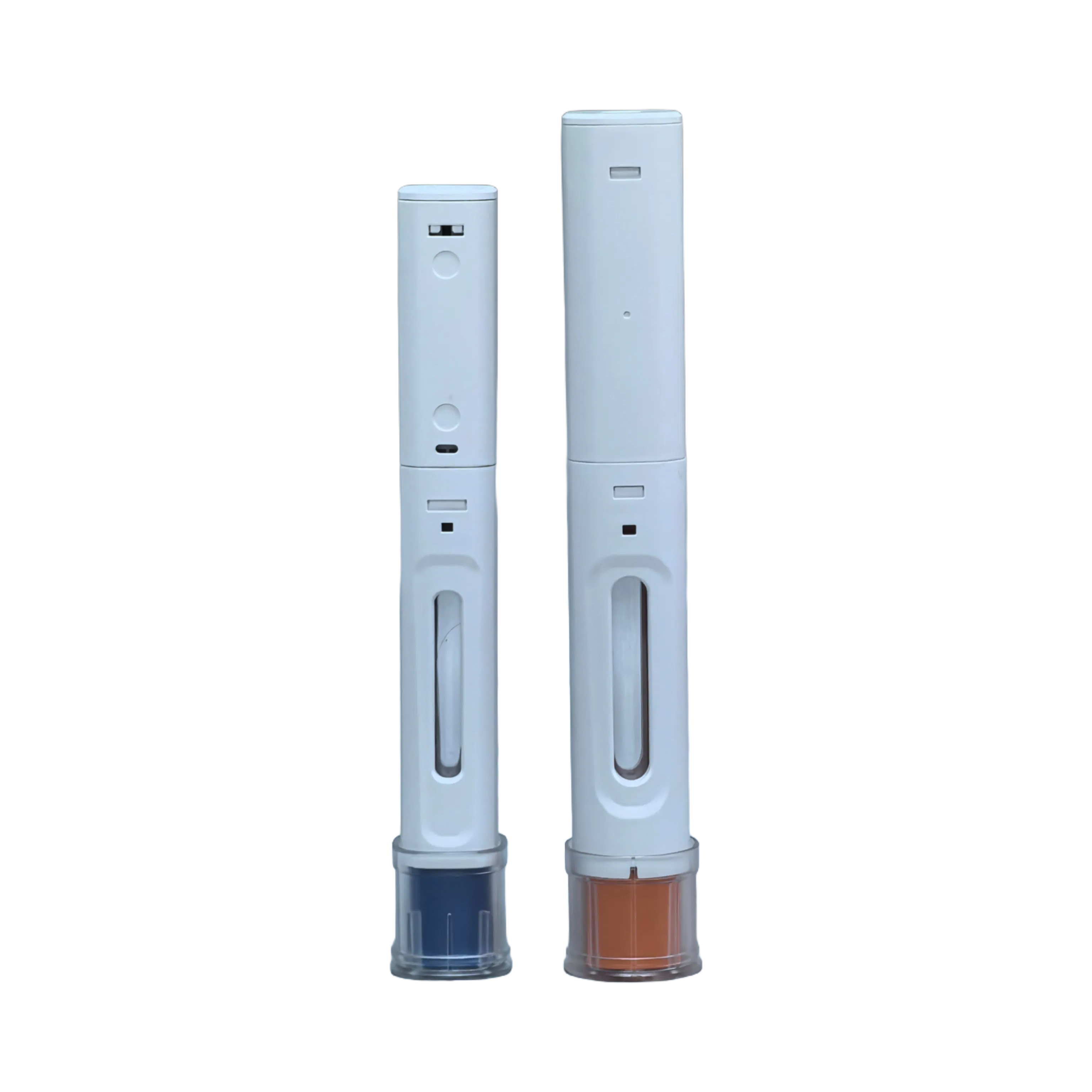
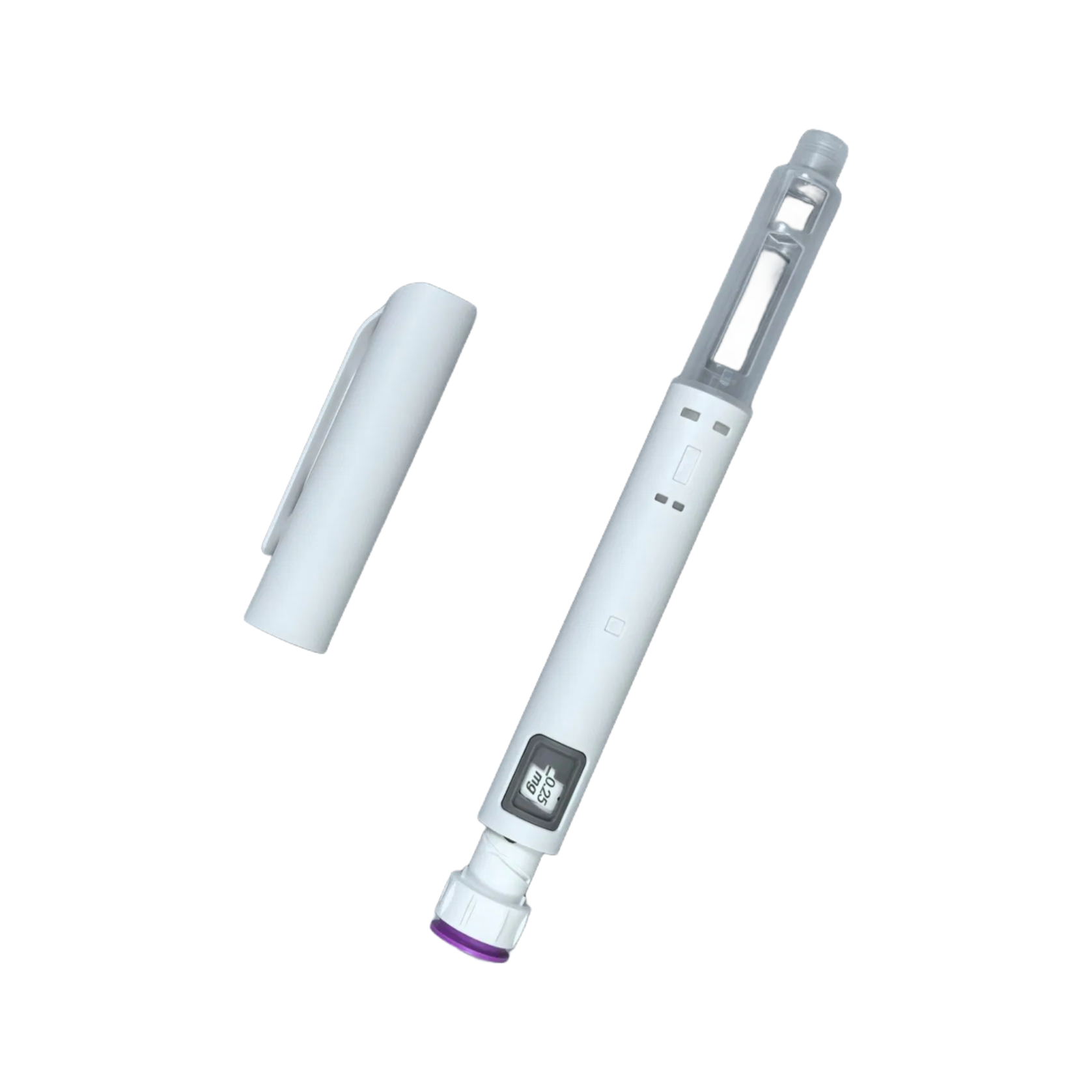
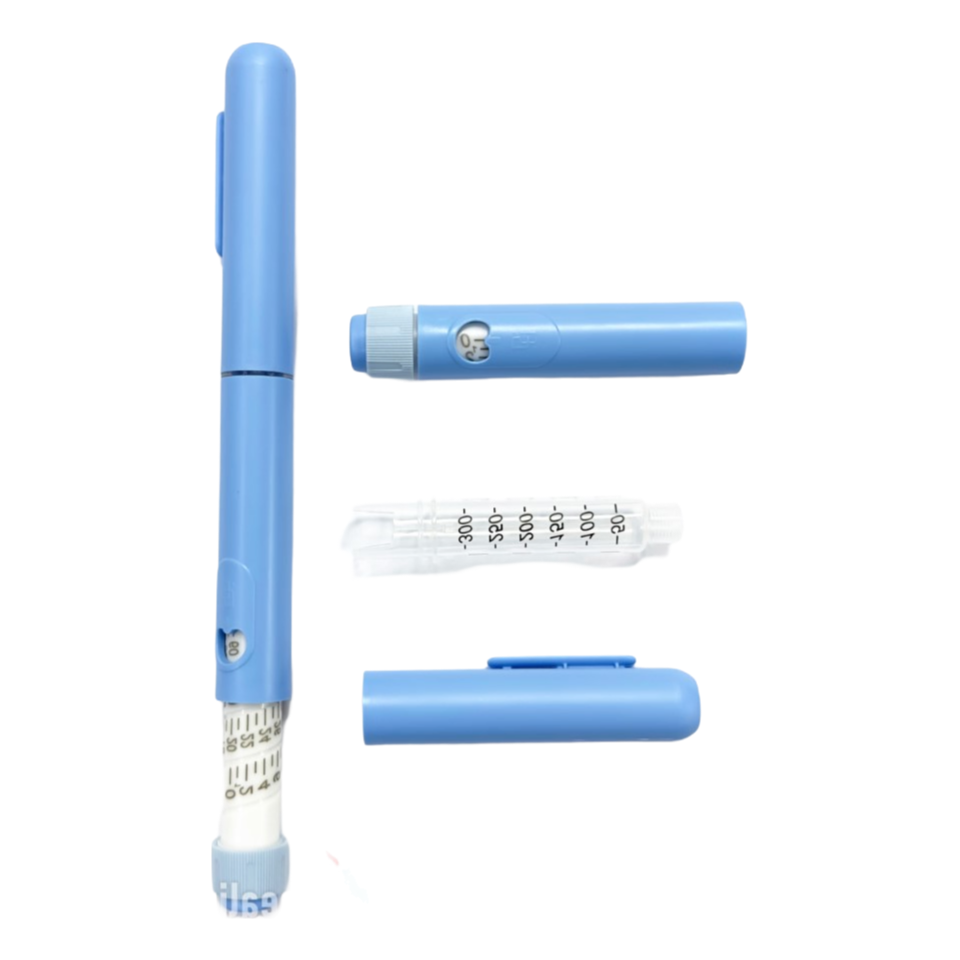
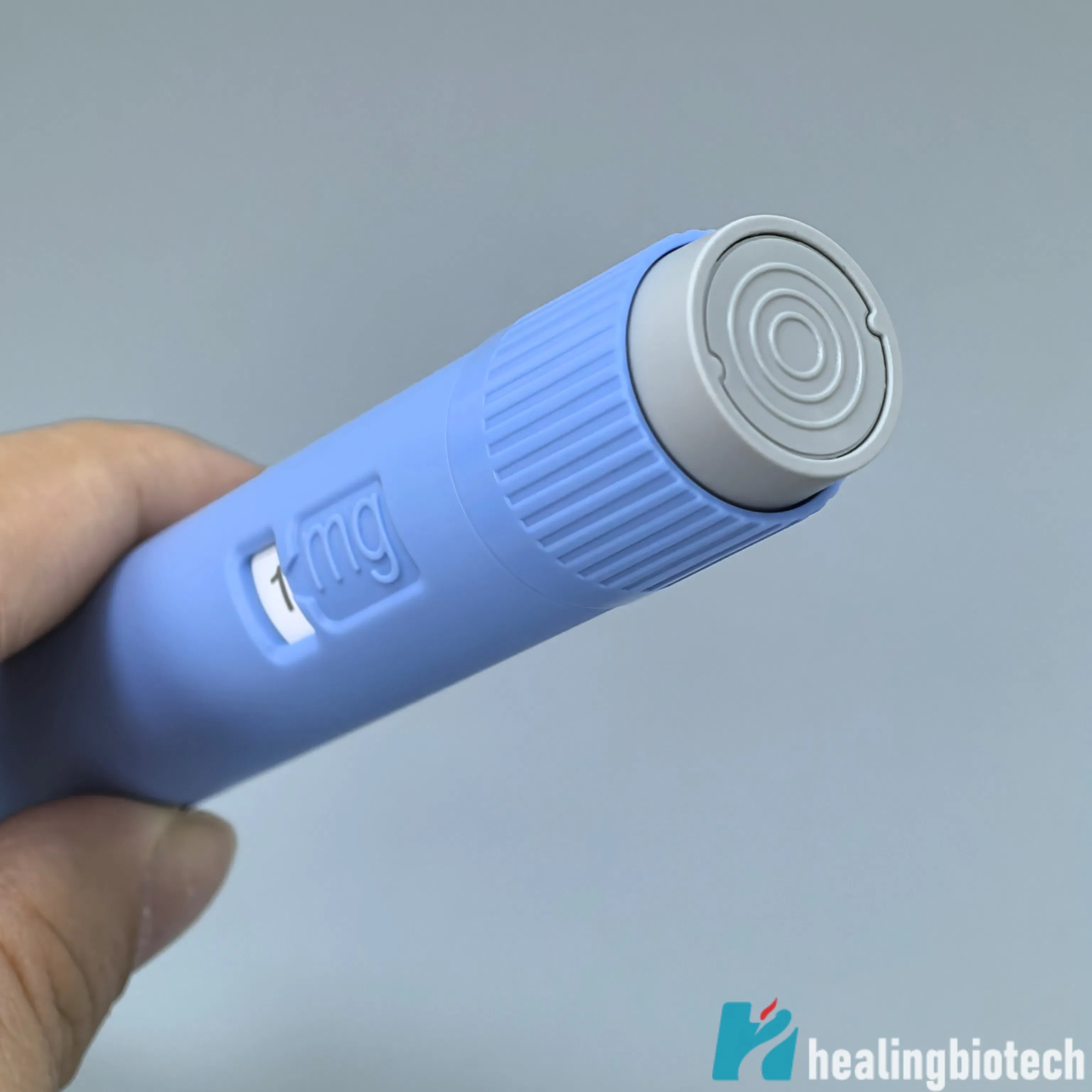
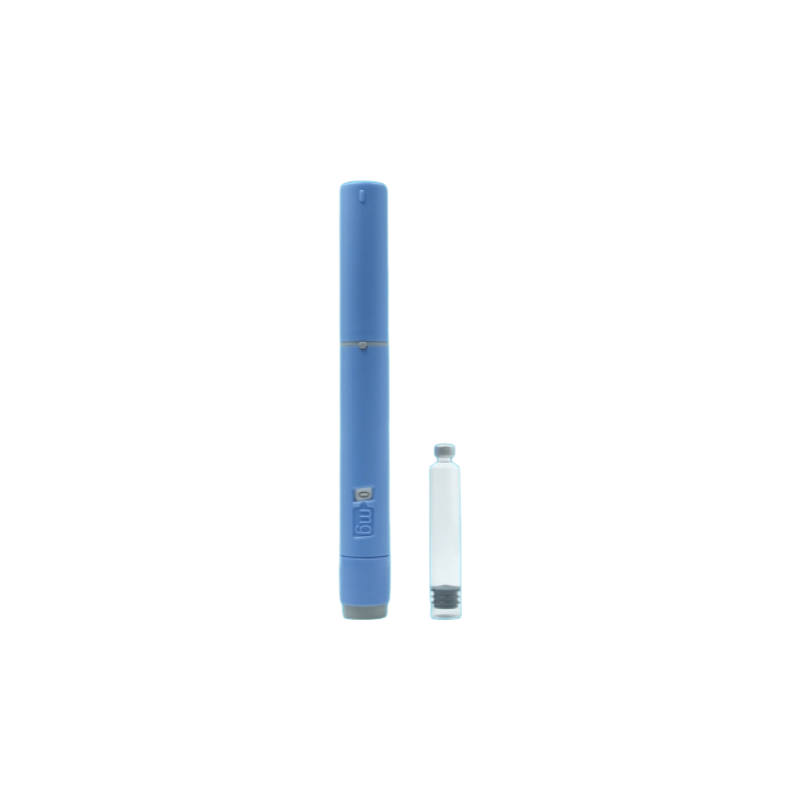
It's really what you'd want if you're dealing with high-viscosity GLP-1 peptides like Tirzepatide or Dulaglutide—handles up to 20cP without jamming, which is better than most consumer-grade pens we've tested. The fixed dose setup means fewer calibration headaches, but check your batch because some buyers find the 2.25ml version easier to handle for weekly injections.
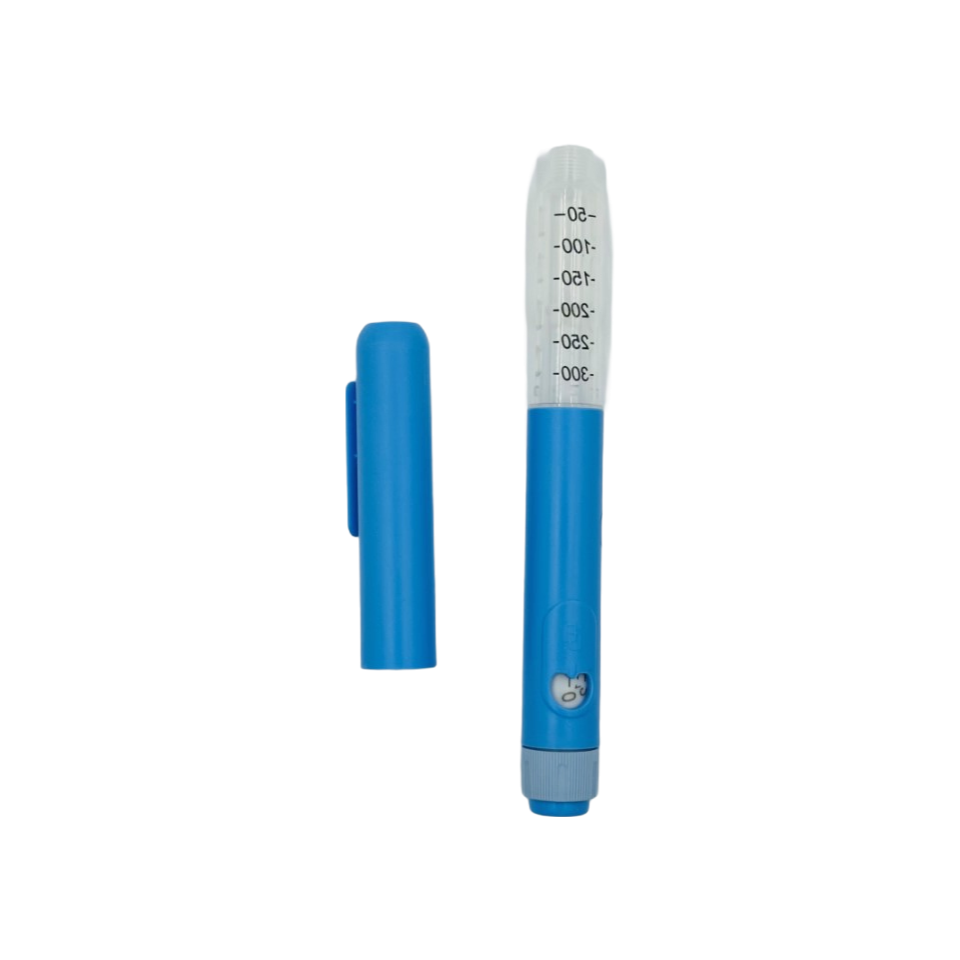
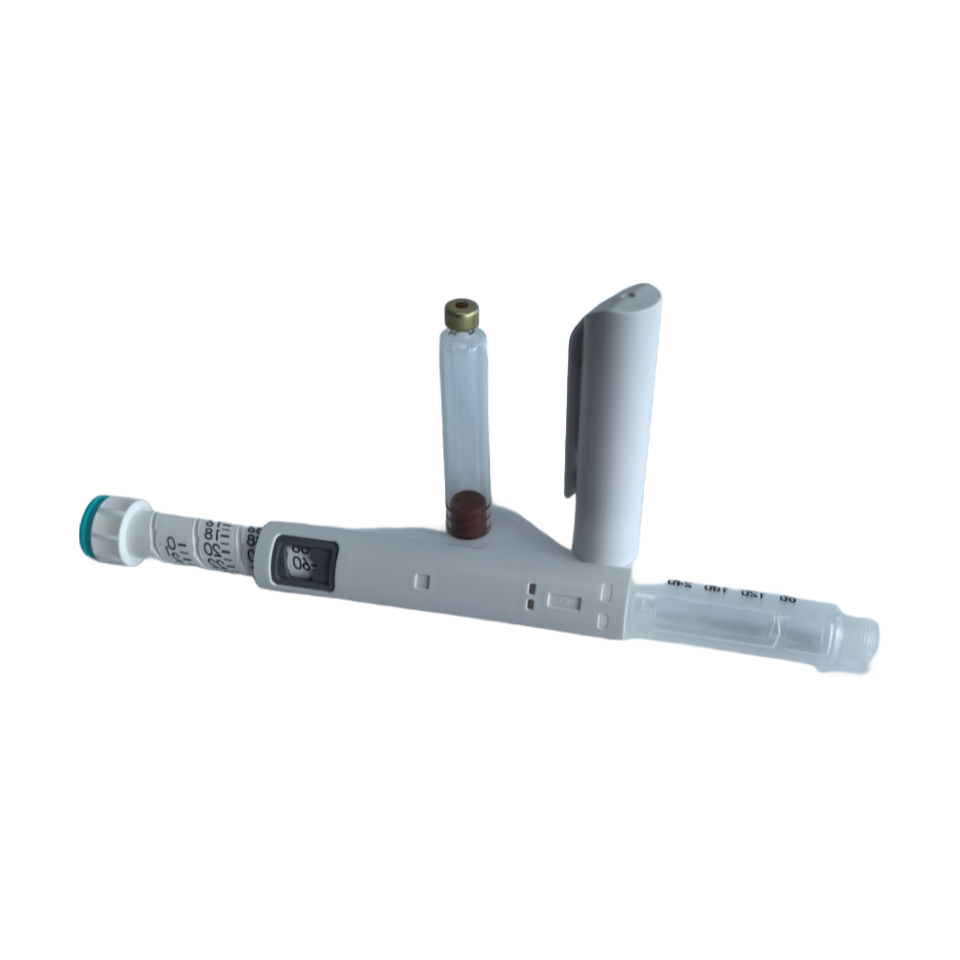
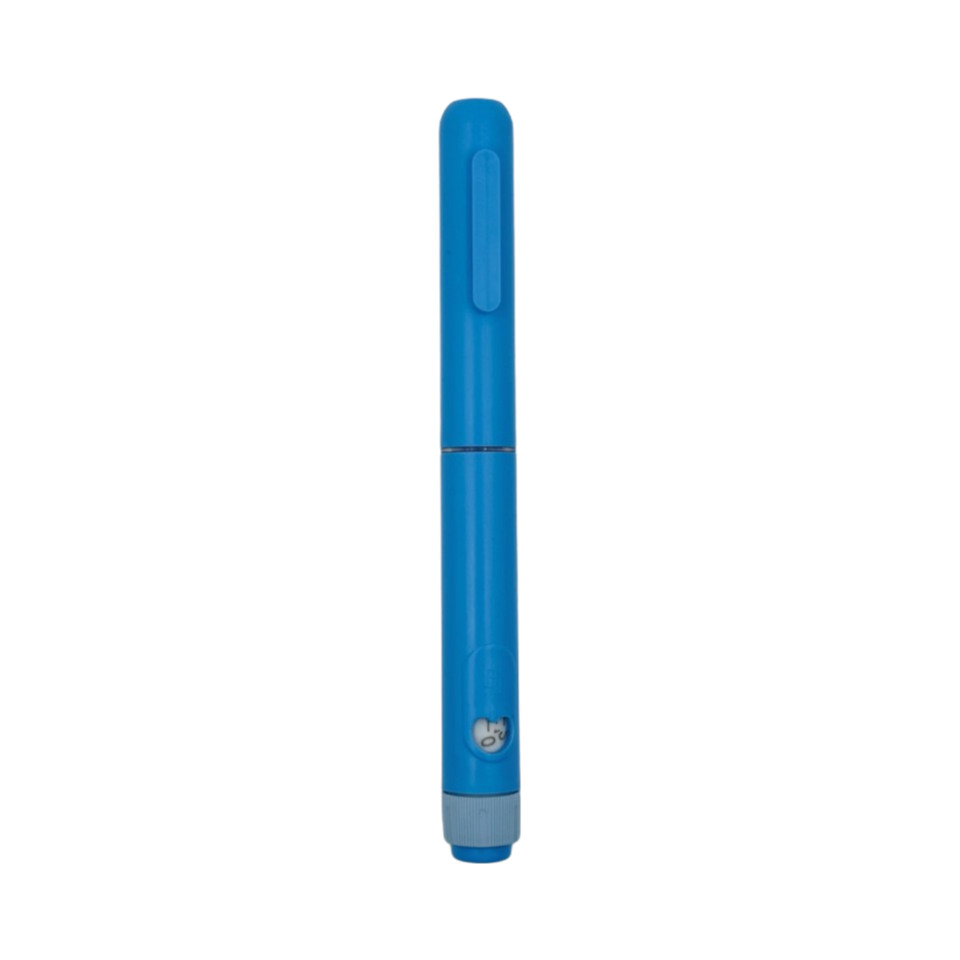
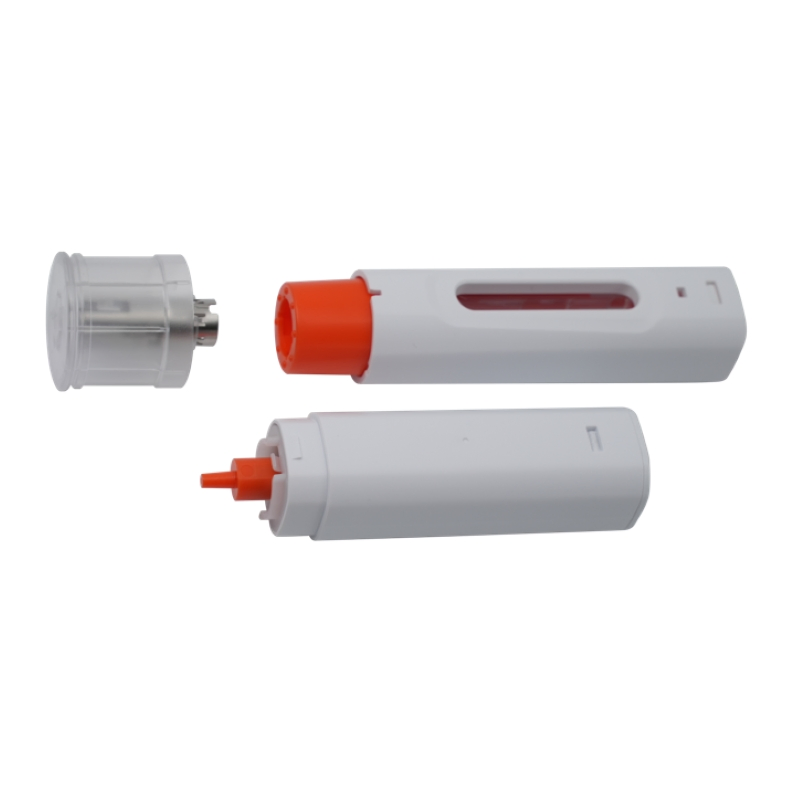
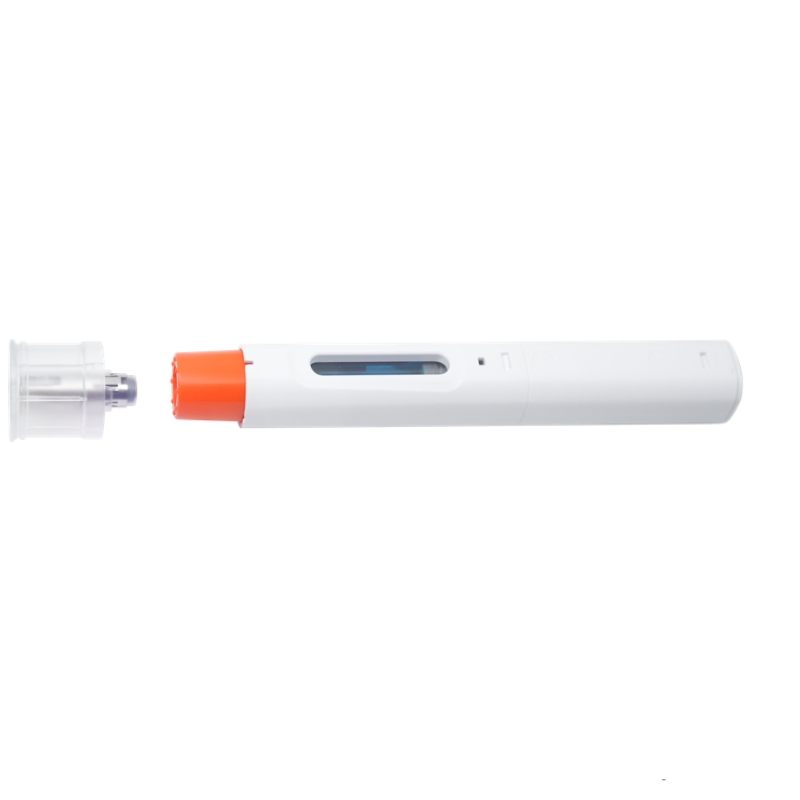
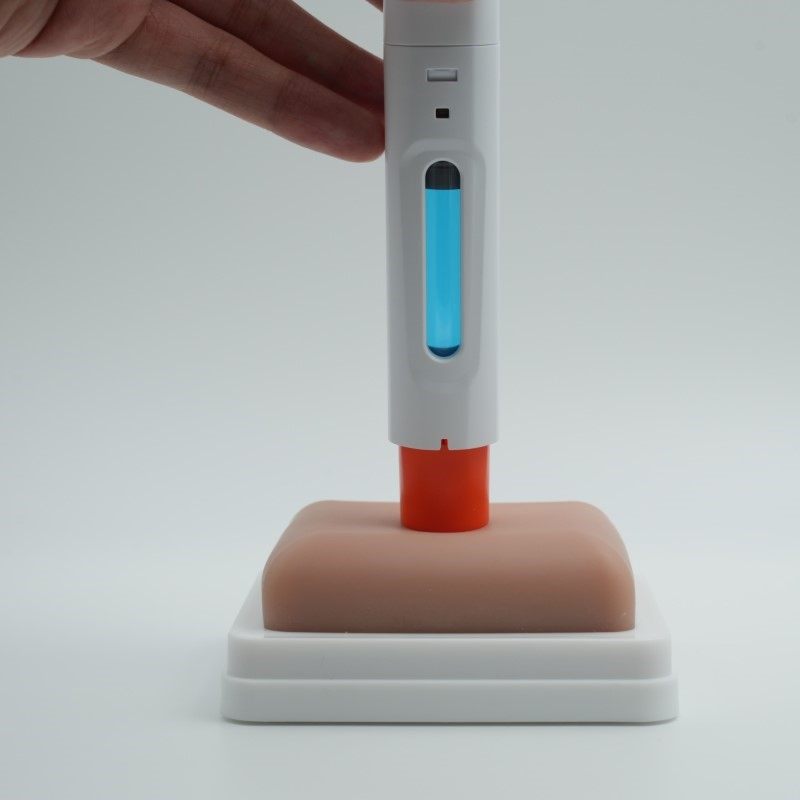
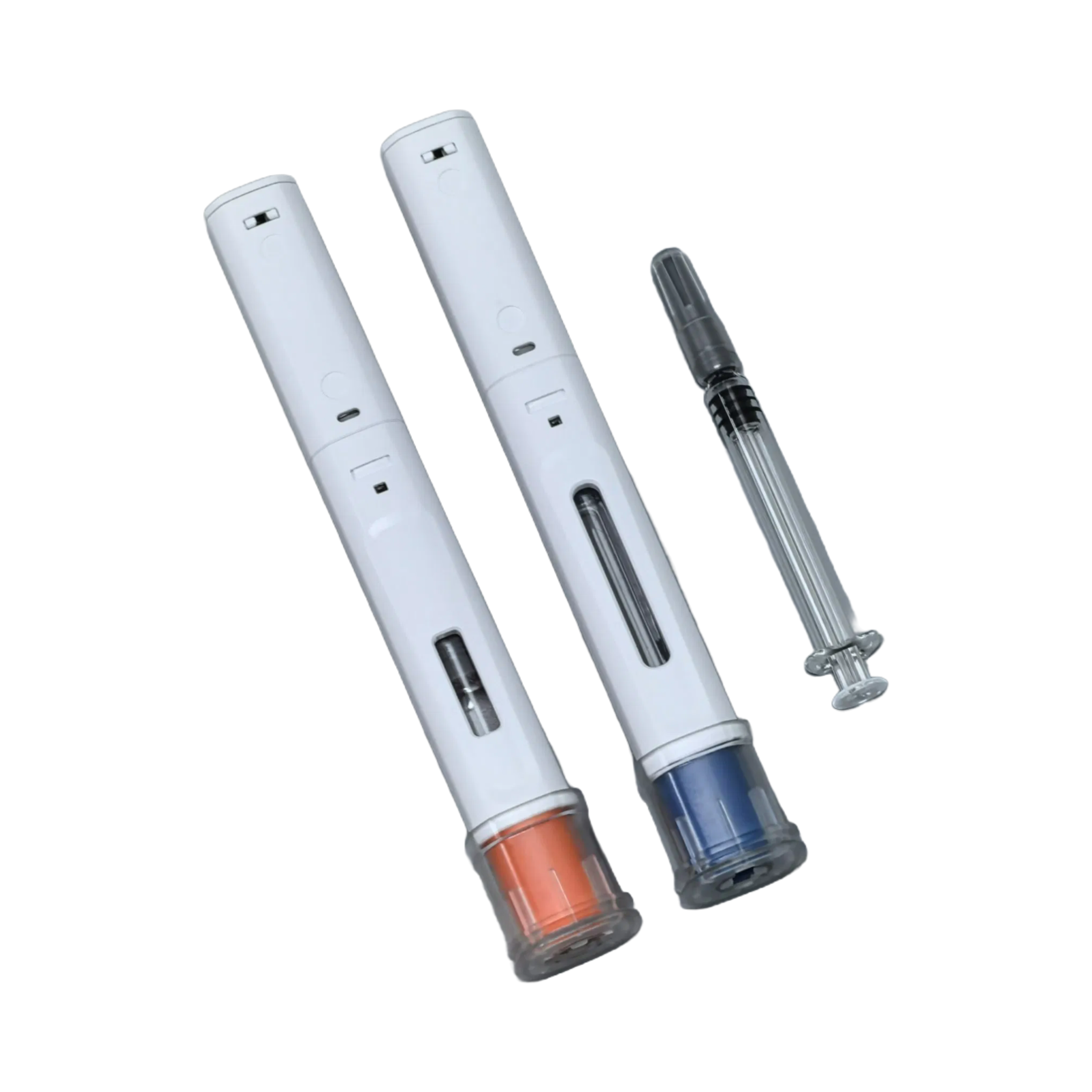
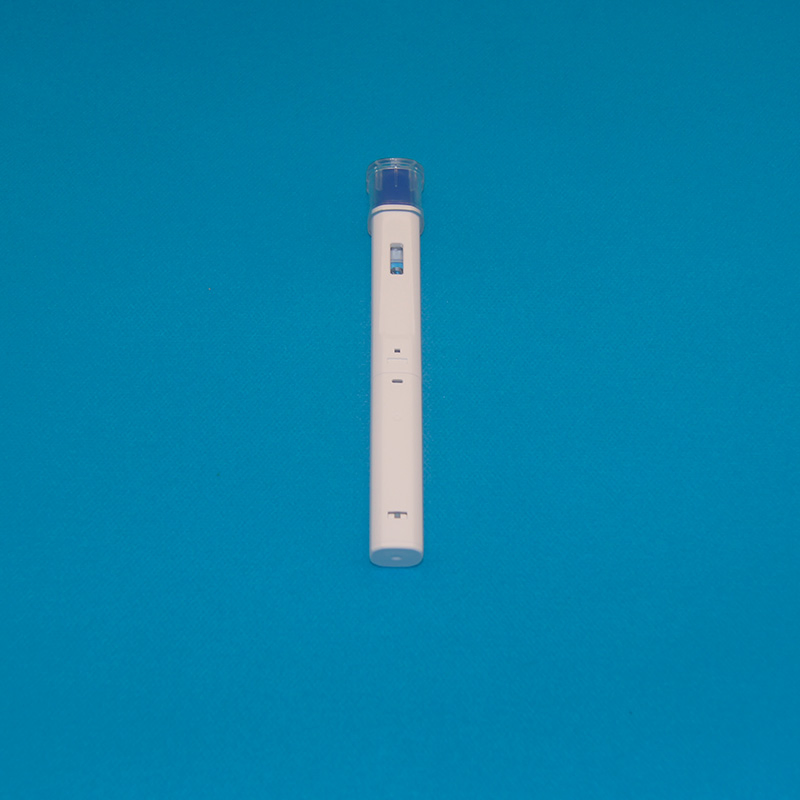
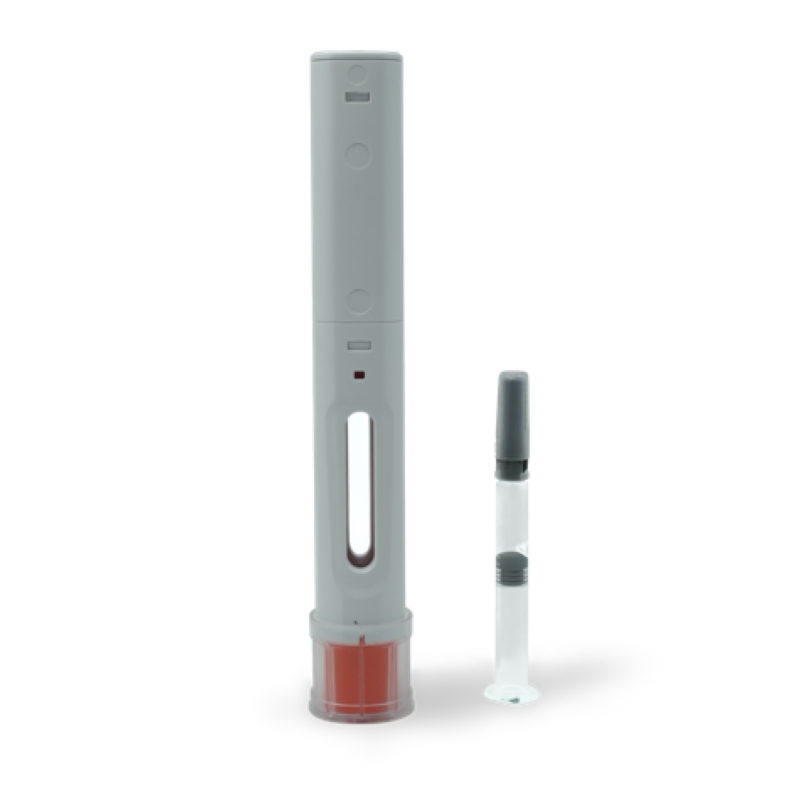
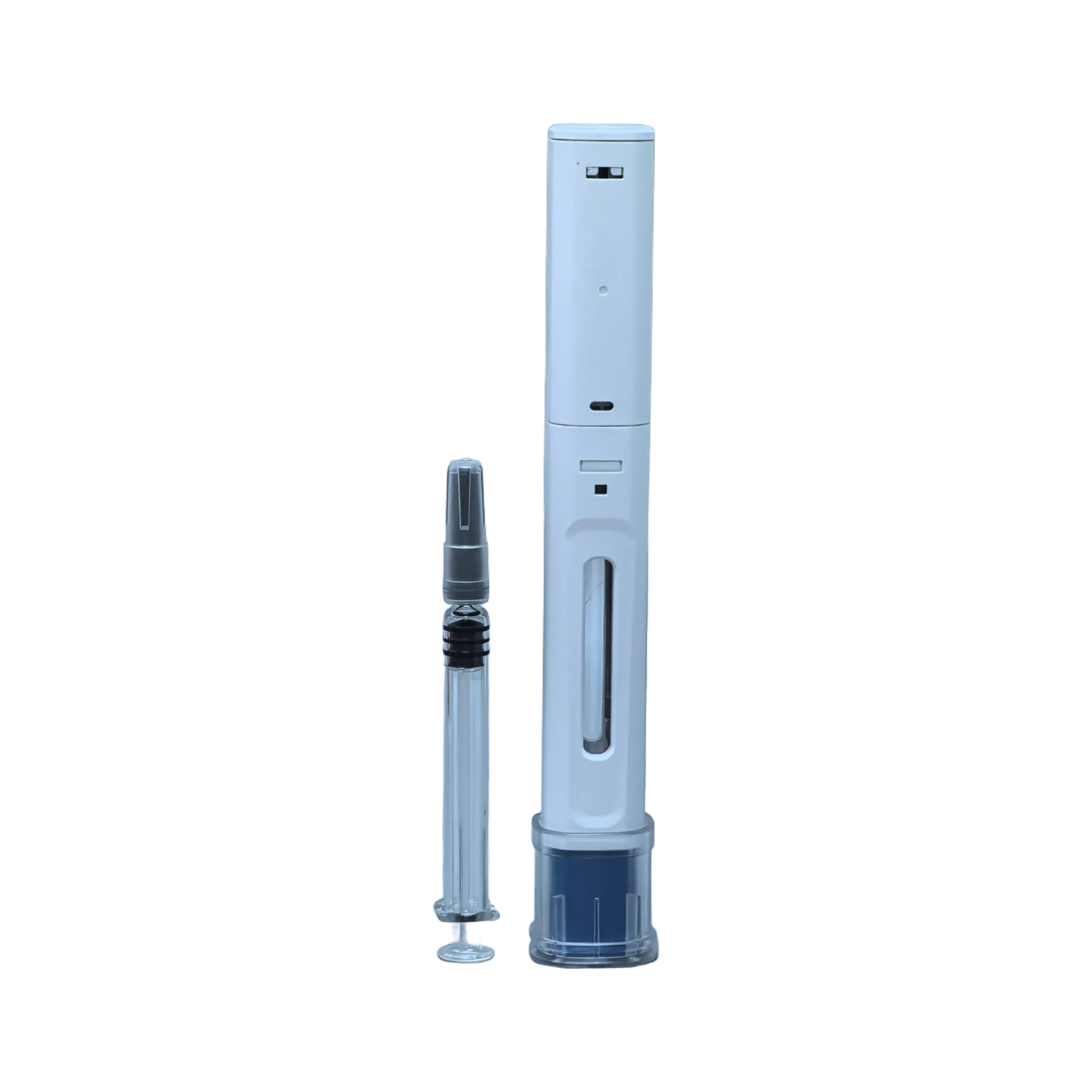
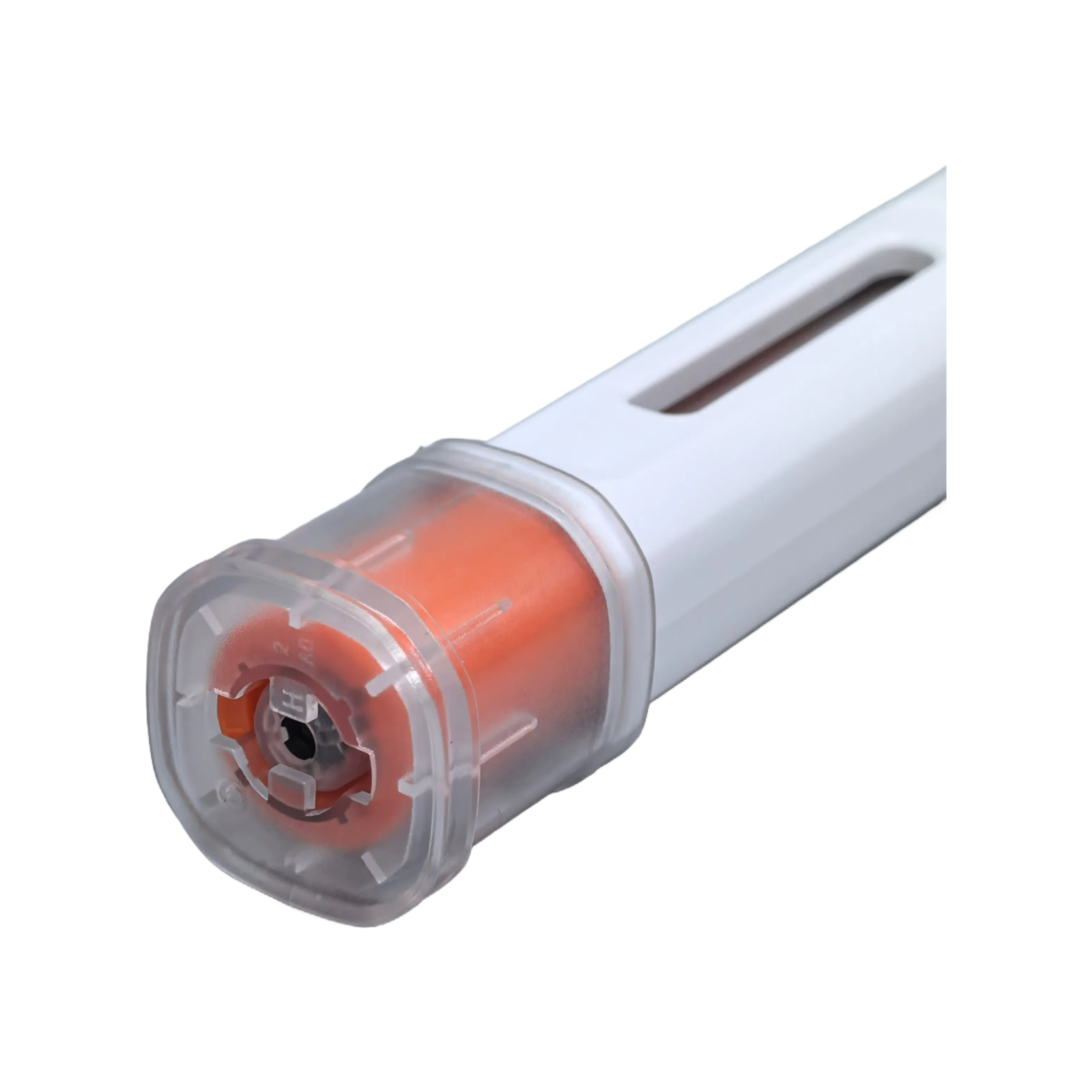
Activation is basically a two-step deal: push the needle cover against skin and it fires—you get a loud click and a visual window confirming the dose is done. Needle sits at 6±2mm depth, and it's permanently hidden behind a passive locking cover, so there's zero risk of a stick after use. We usually have stock in both 1ml and 2.25ml formats, though the 18×18×145mm dimnesions make the smaller one more pocket-friendly for travel.
Audible clicks plus a visual window might sound like overkill, but in practice it saves you from guessing if the injection actually went through—especially with thicker solutions where you don't feel the flow. The 27G or 29GTW needle is fine for most peptides, though if your compound is above 20cP it'll clog pretty quickly, so don't push it.
Medical-grade plastic construction holds up fine for single-use, and the customization on injection time is nice if you're dialing in a specific dilevery speed for a sensitive formulation. One thing that's not on the spec sheet: the needle cover activation mechanism can feel stiff on the first few units from a new batch—it loosens up after a couple of cycles, but it's something to note.
Orders typically take 20 days or so from confirmation, but we recommend confirming lead time because MOQs can shift with the raw material supply. COAs come with every batch, and we'll send you the HPLC data if you ask—though for most research protocols the standerd spec is good enough without it.
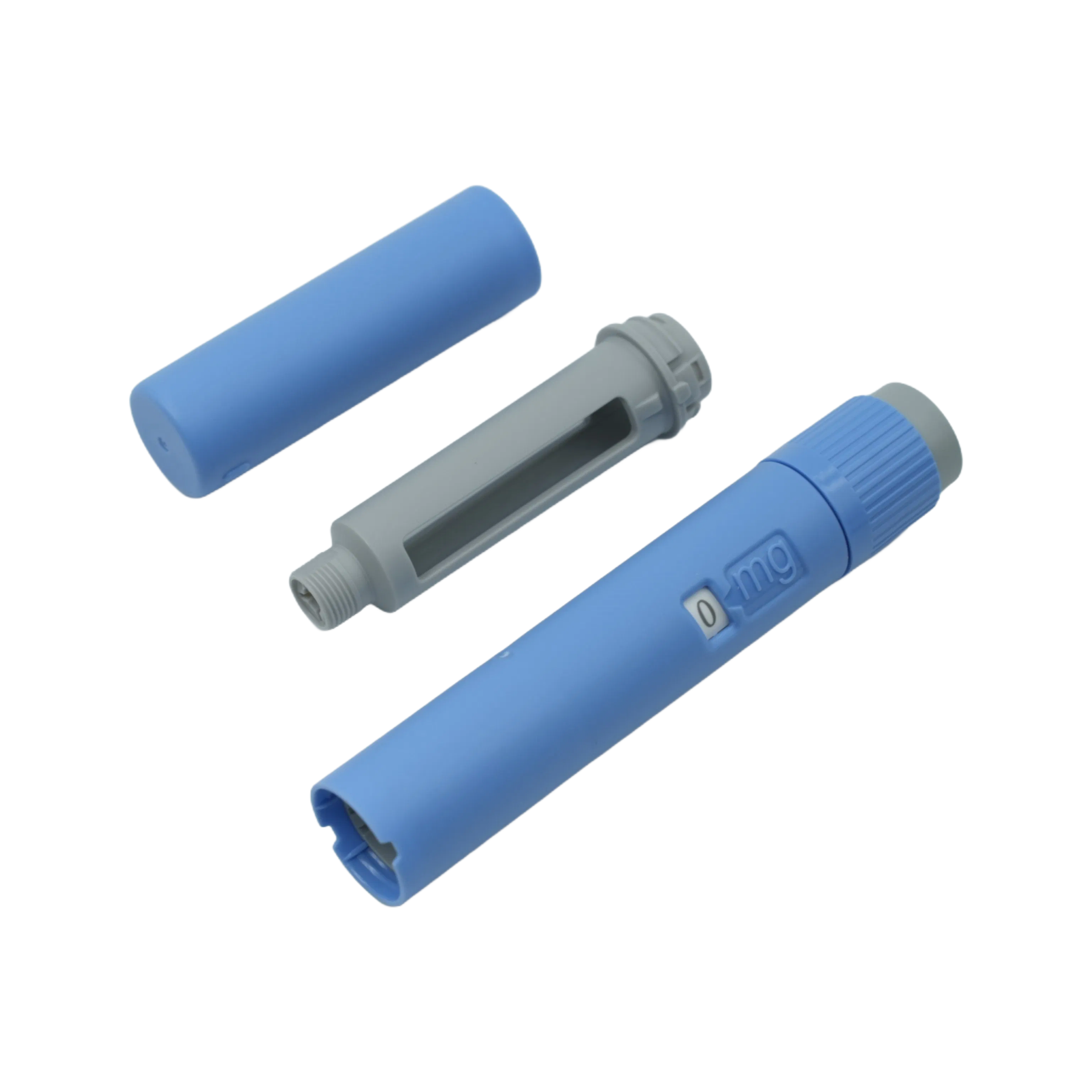
Not suited for anything requiring variable dosing on the fly—this is strictly fixed-dose, so don't plan to split a single pen across multiple patients or days. Anyway, the 2.25ml version is what most weight-loss programs go with, but the 1ml is better if you're testing multiple compounds in parallel and want to minimize waste.
MOQ is typically 10,000 units per model, but we can discuss a smaller trial batch for first-time buyers to test the market.
We provide ISO 13485 certification, CE marking, and a full material compliance report for the medical-grade plastics used.
Yes, injection time is customizable based on your formulation's viscosity, typically from 5 to 20 seconds, and we'll adjust it during production.
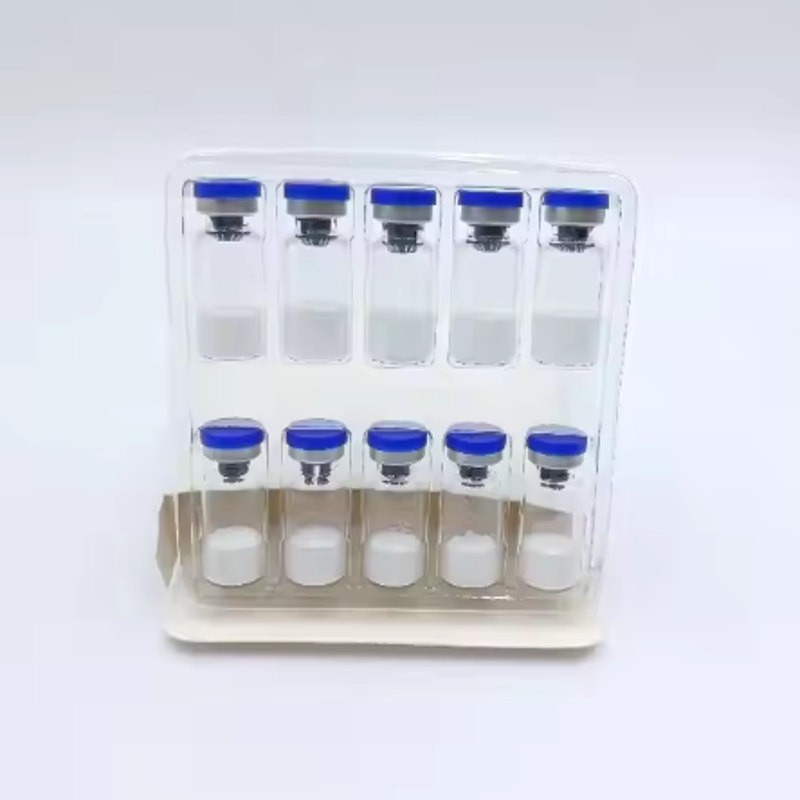
They're packaged in a blister tray with a Tyvek lid, 10 units per box, and should be stored at 2-8°C for optimal stability of the drug.
Yes, it's compatible with those and similar peptides, as long as the viscosity stays at or below 20cP and the syringe fits the 1ml or 2.25ml primary container.