Account
Inquiry
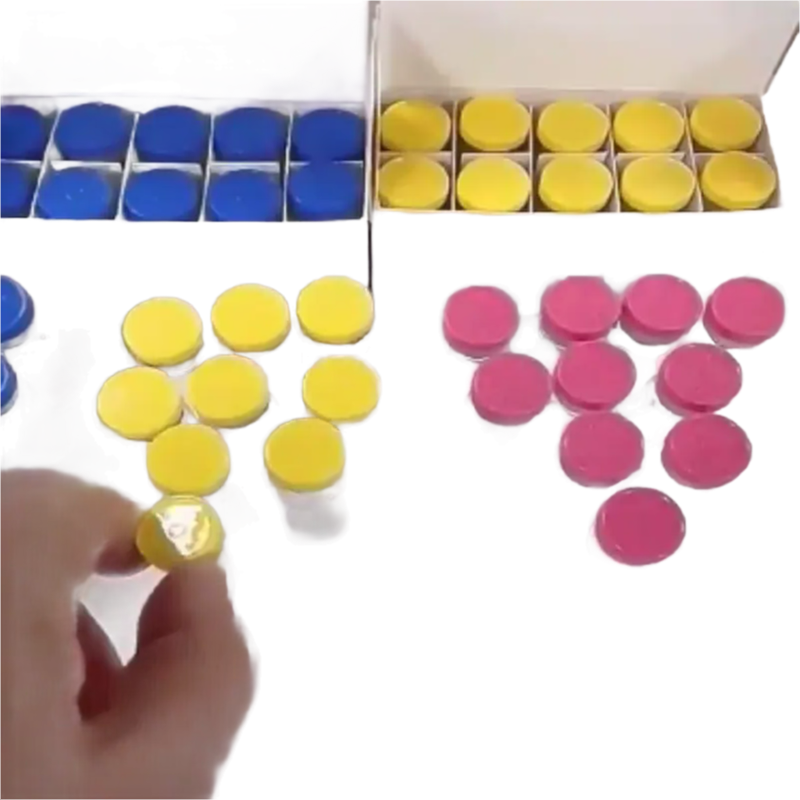
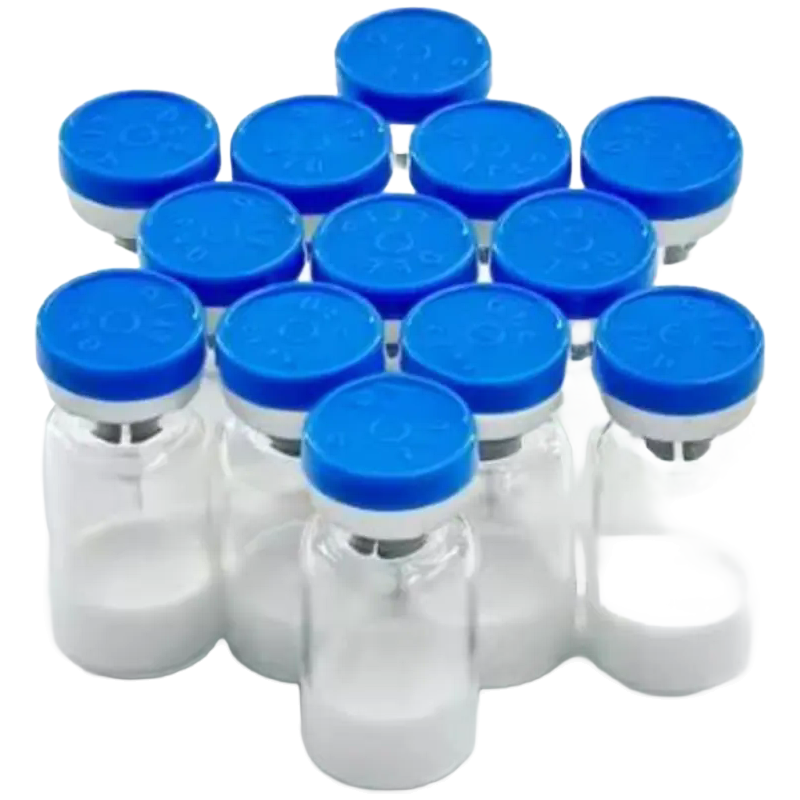
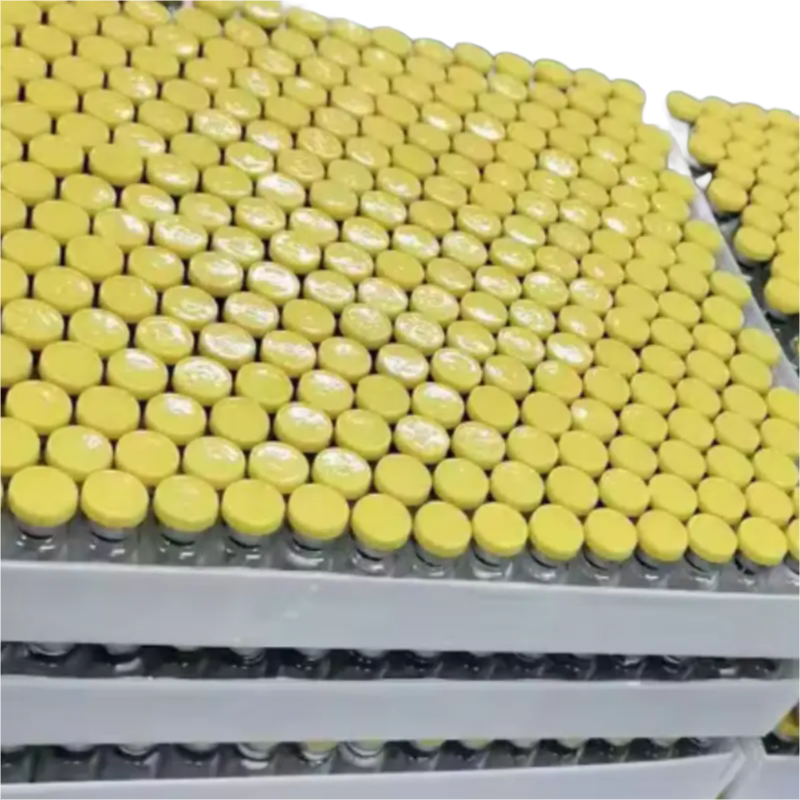
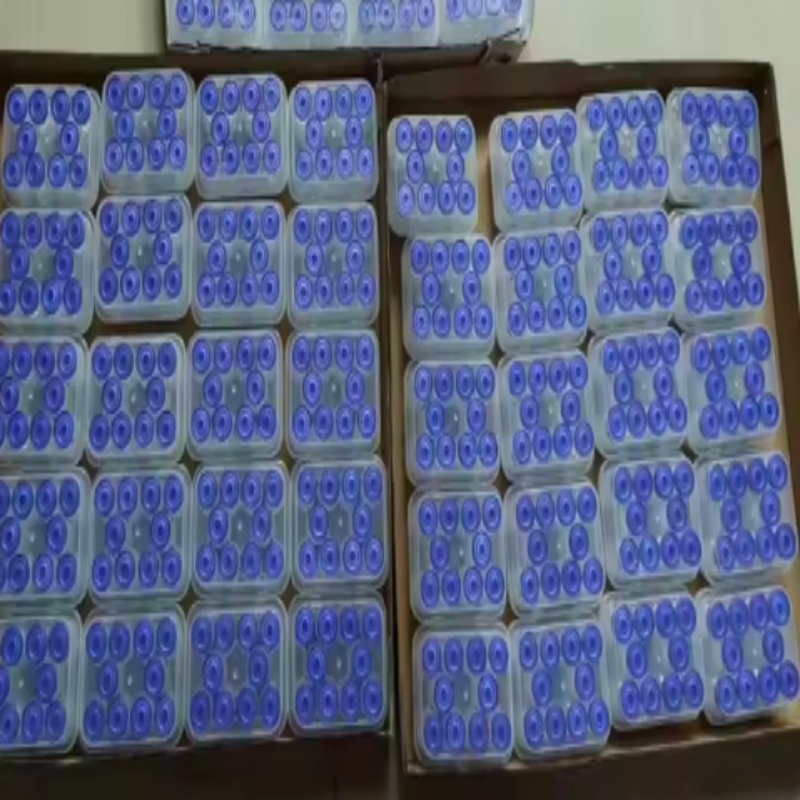
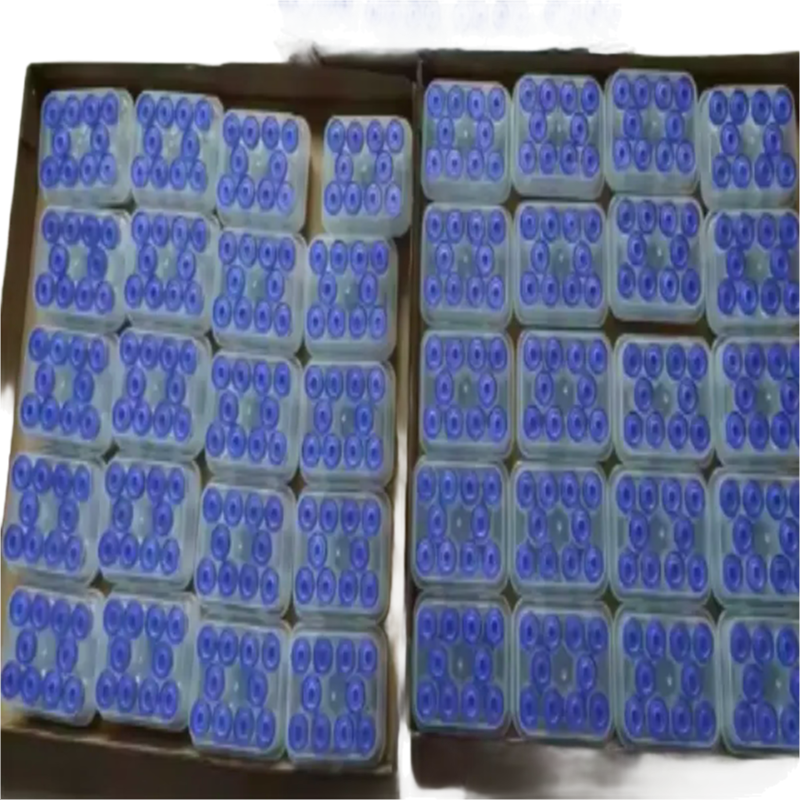
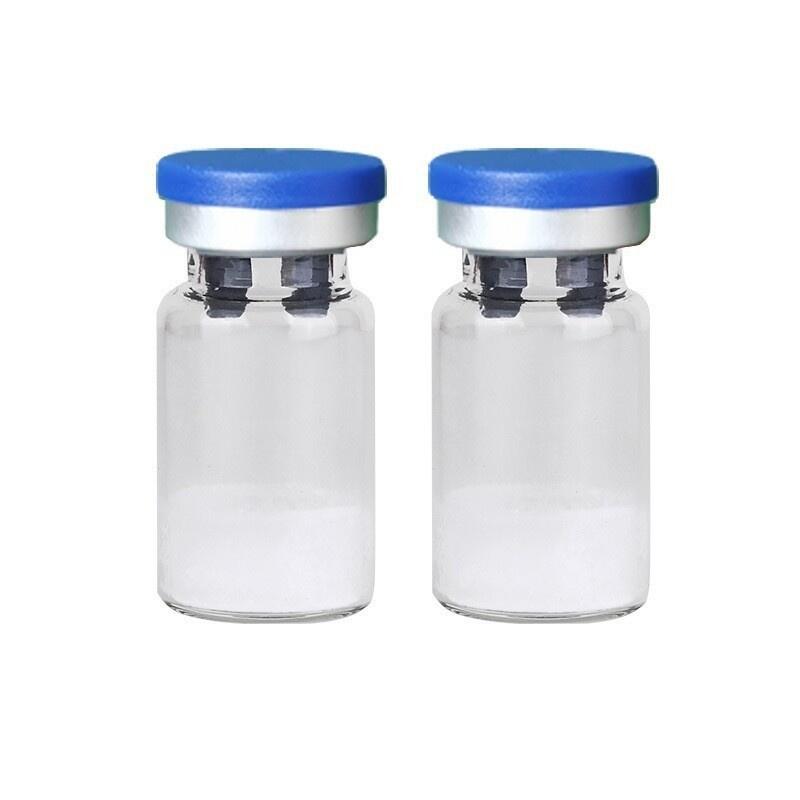
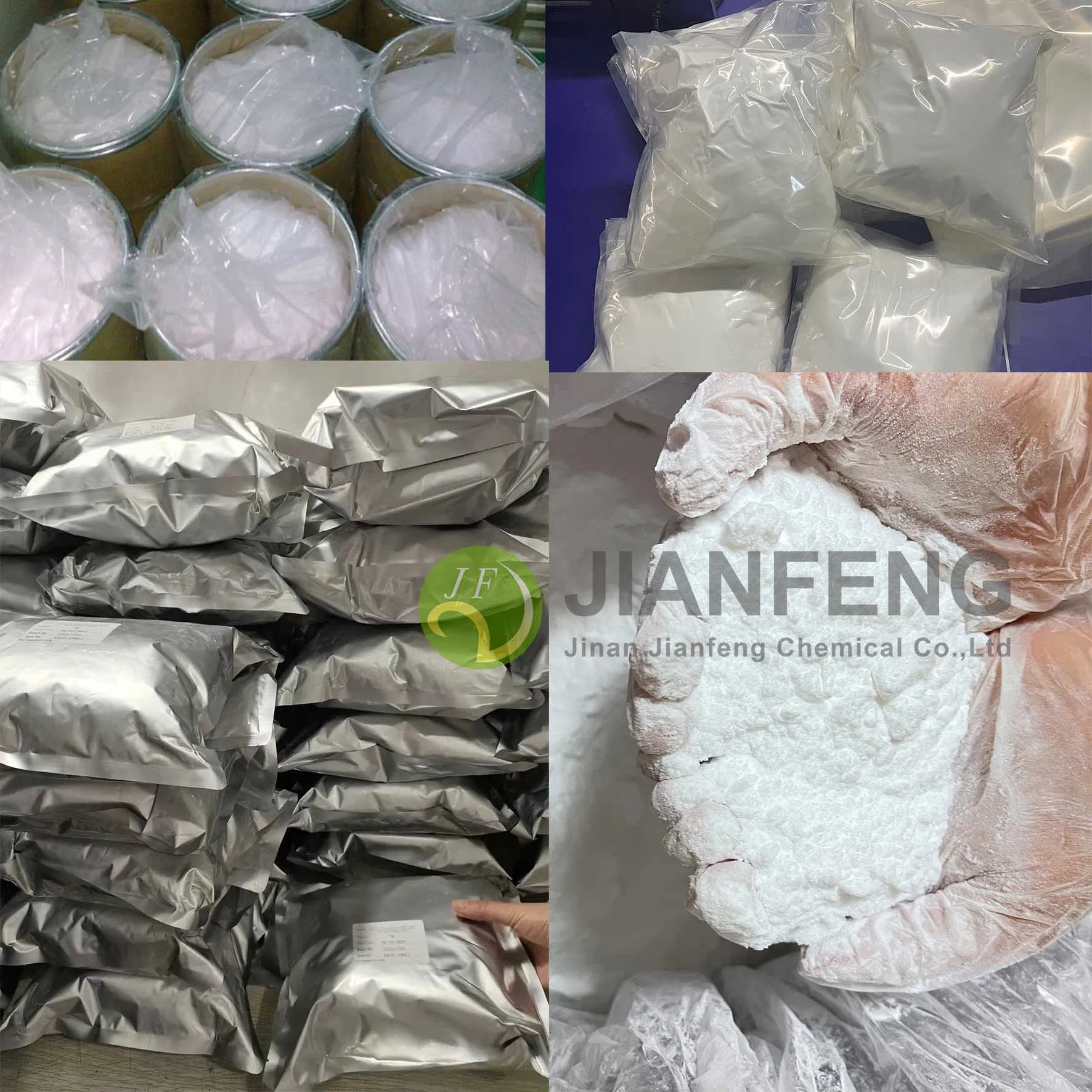
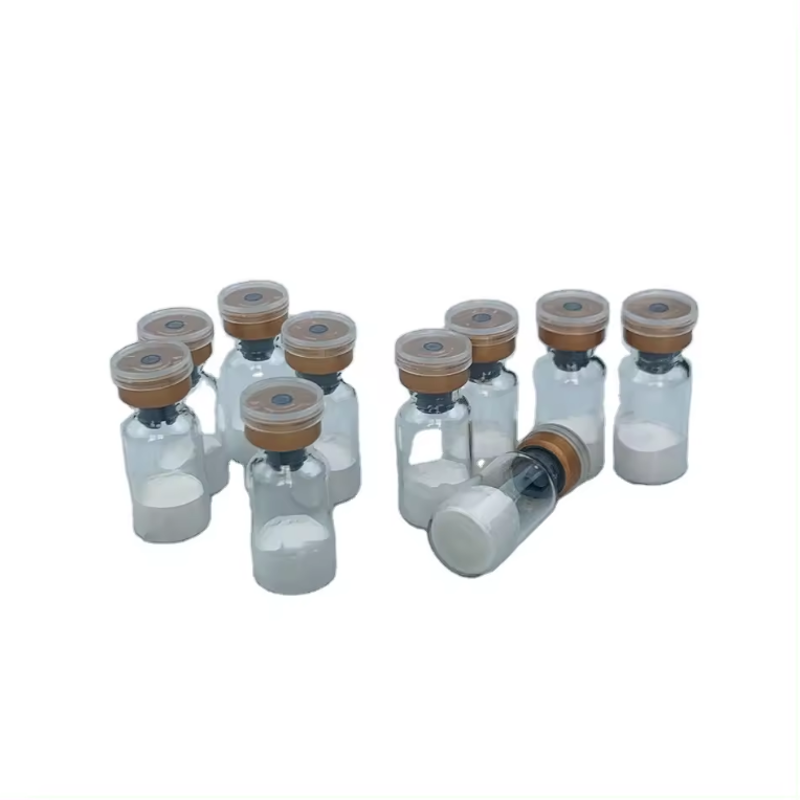
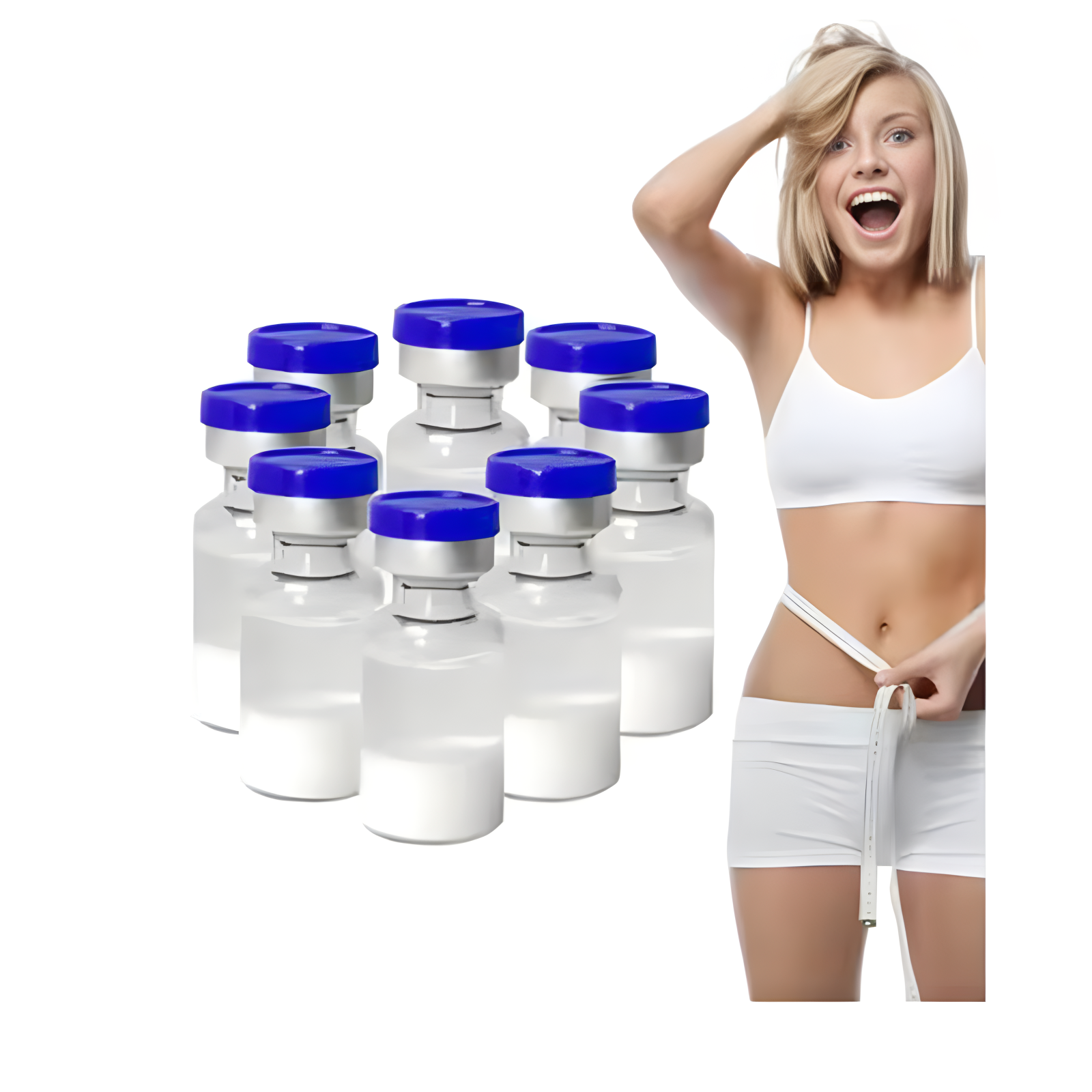
They’ve been sourcing form us for about three years now, and what keeps them coming back is the consistency—every batch of that white powder hits 99.9% purity by HPLC, which basically means no surprises when they reconstitute it for their studies. We usually have stock on the 10mg vials, but the 30mg ones take a little longer—check lead time, especially if they’re ordering more than 50 boxes or so. The CAS is 2023788-19-2, and teh molecular weight sits at roughly 4813 g/mol, but that’s not something most researchers dwell on past the first spec sheet.
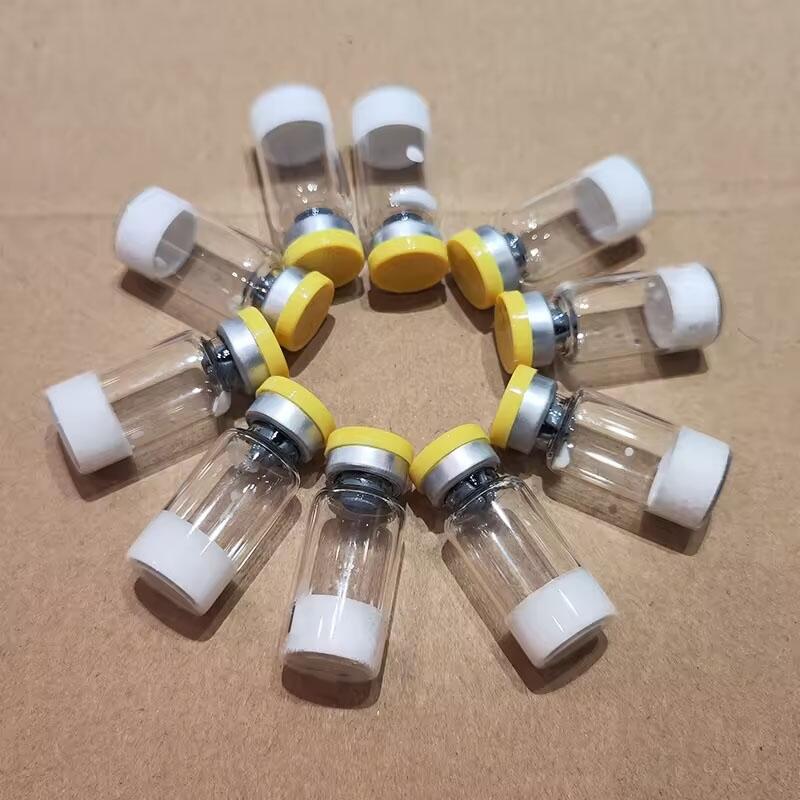
For their lab, it’s mainly about weight management and type 2 diabetes pathways—they run comparing it to selective GLP-1 agonists, and this dual GIP/GLP-1 mechanism gives them tighter glucose control data. One detail they didn’t expect was how well it holds up at room temperature for storage, though we still recommend keeping it in a freezer below -20°C for long-term stability. The formula C225H348N48O68 is complex, but the white powder form makes it easy to handle—just don’t expect it to dissolve instantly in sterile water; give it a minute or two with gentle swirling.
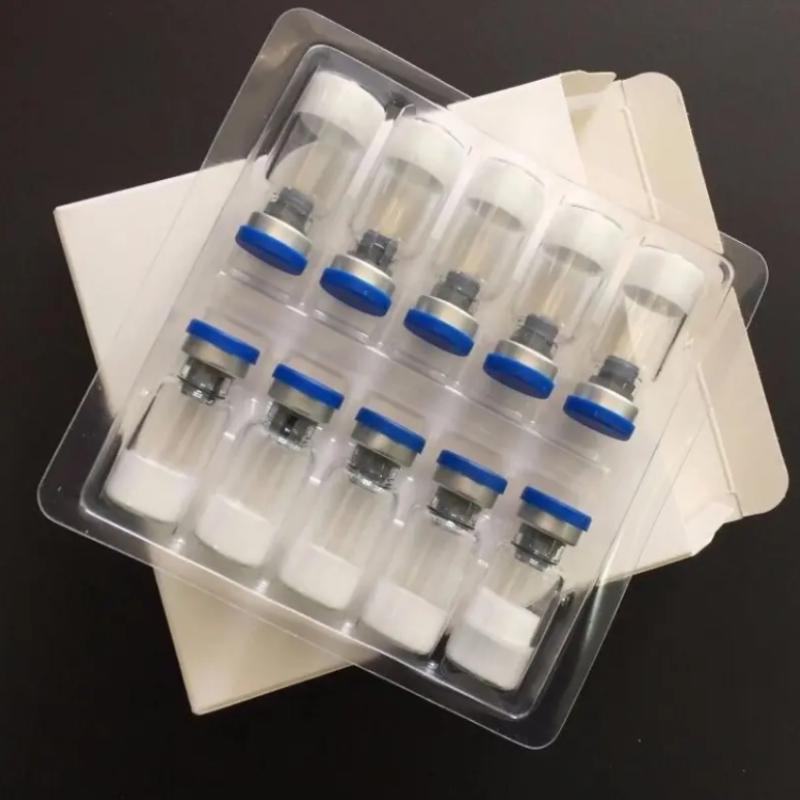
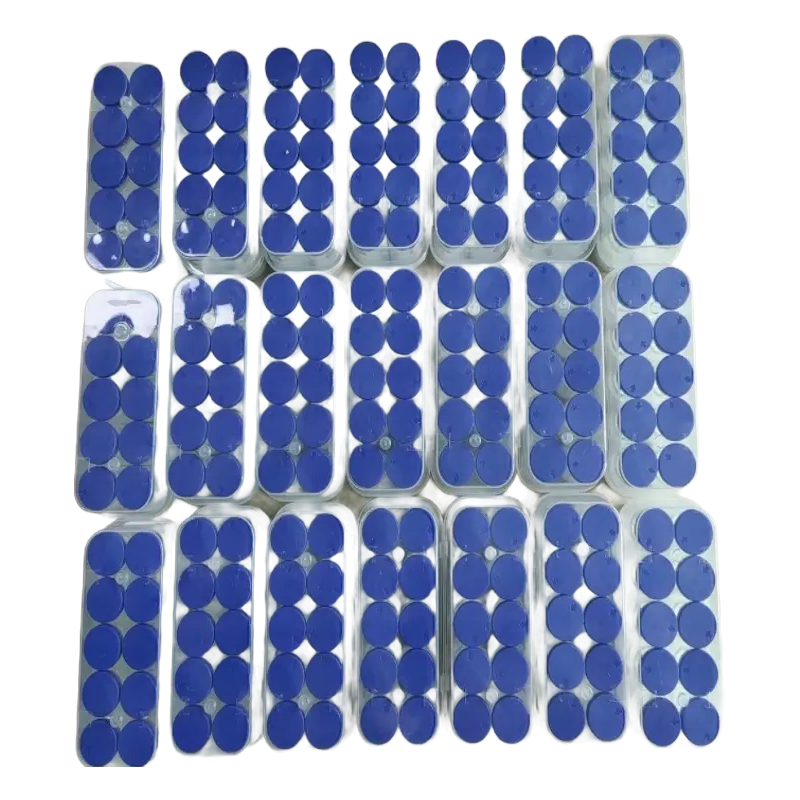
The 99.9% purity grade is pharmaceutical grade, but it’s for research use only—not a clinical product, so they know to check local regulations if anyone asks about human application. We’ve had buyers push for custom packging, like single-vial orders instead of boxes of 10, but our MOQ is 10 vials per variant—10mg or 30mg—and we can mix them in a batch if they’re flexible. Actually, last month a guy tried to order just 5 vials for a pilot study, and we had to explain it’s not cost-effective to break up the blister packs.
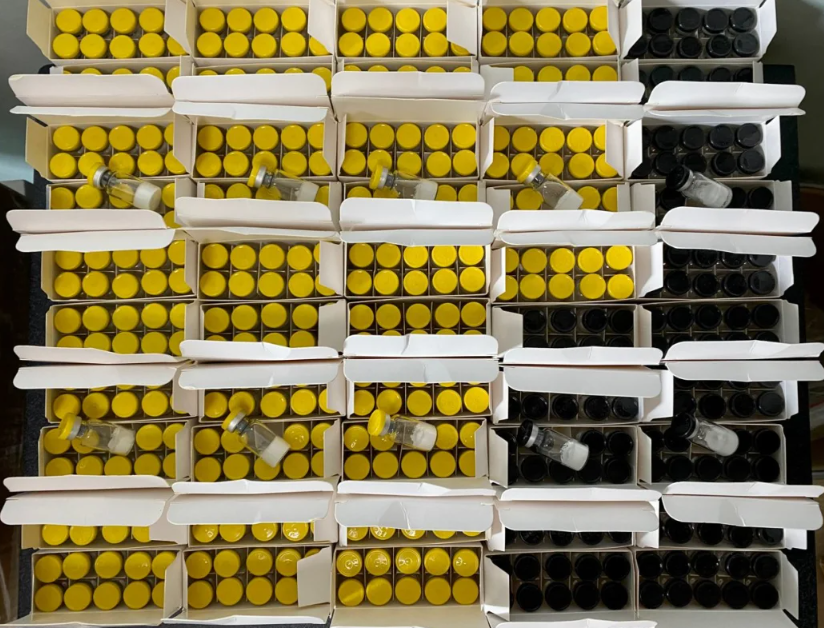
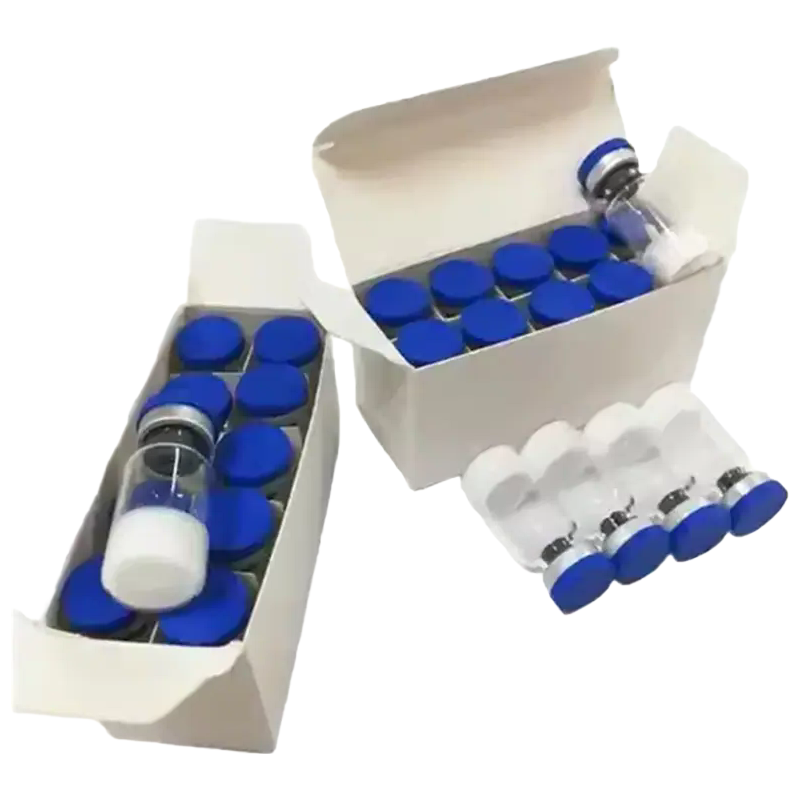
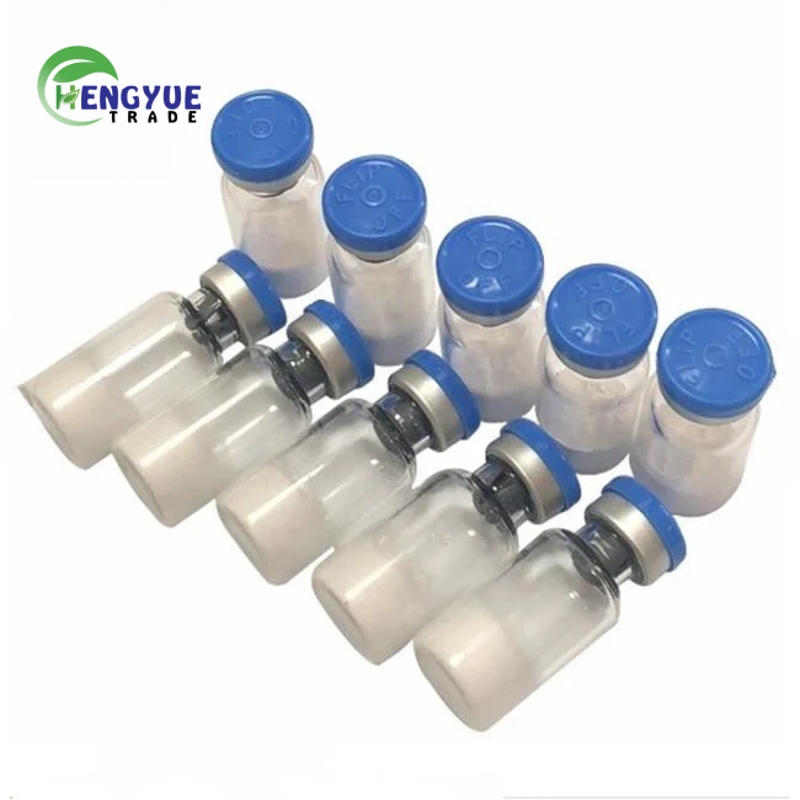
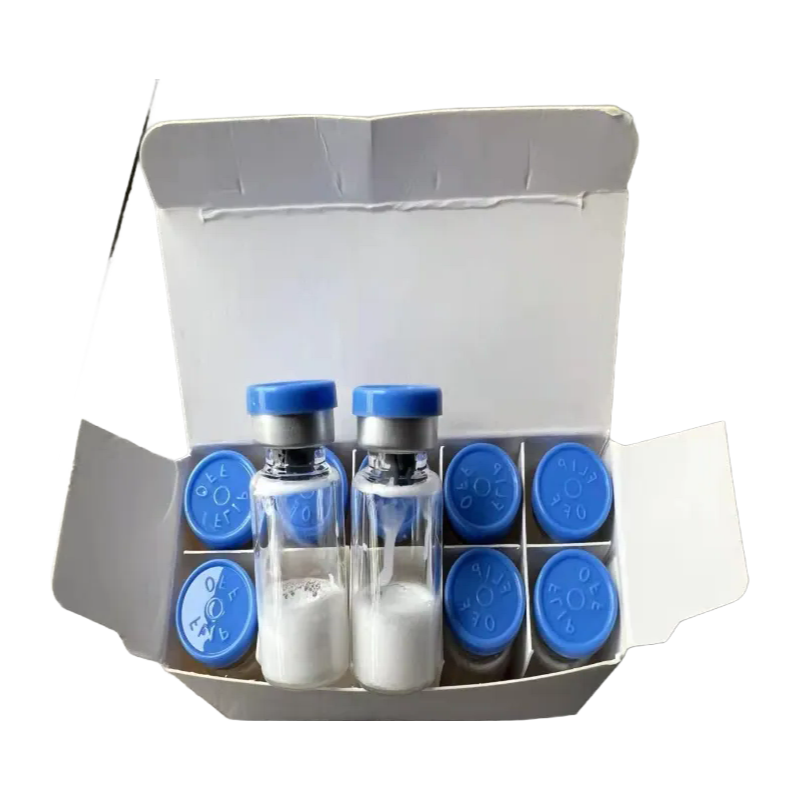
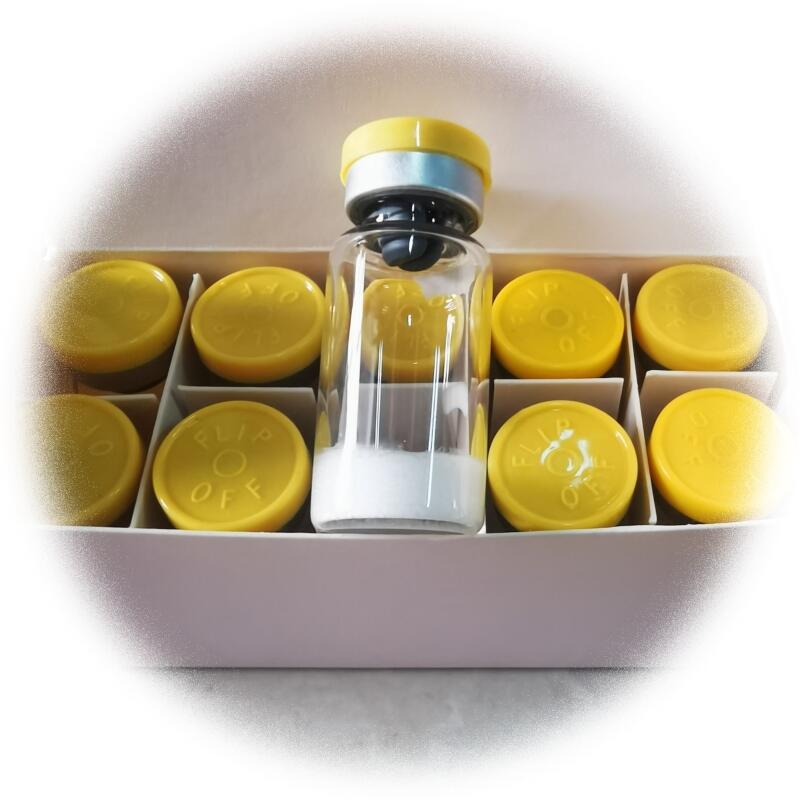
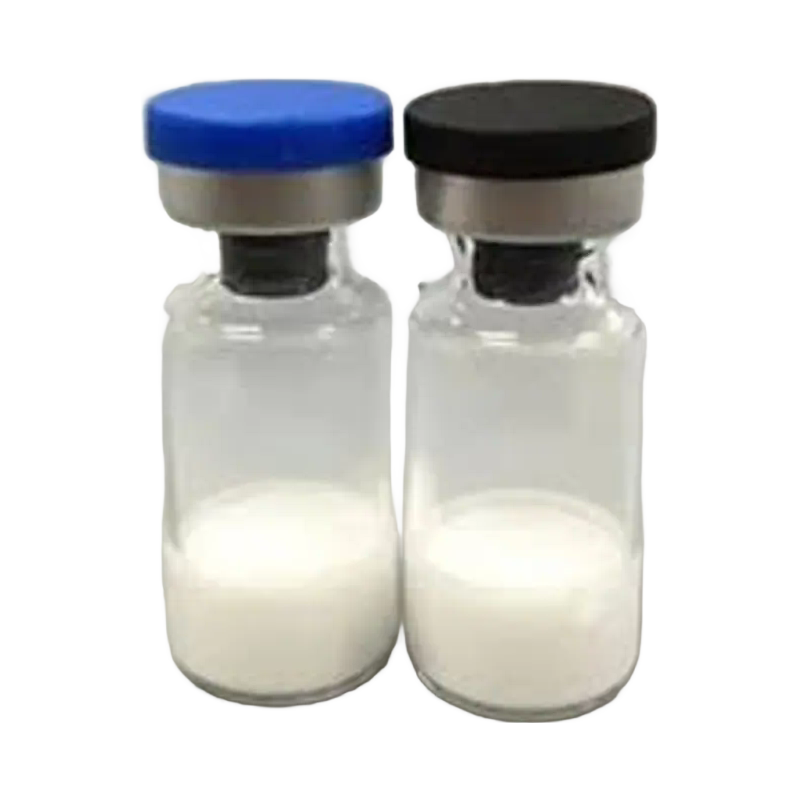
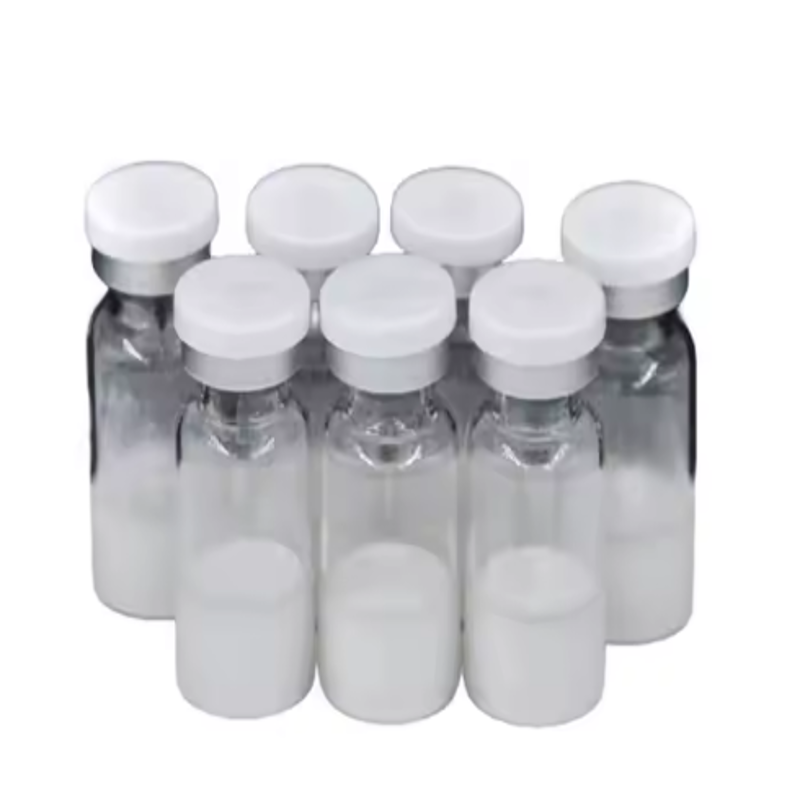
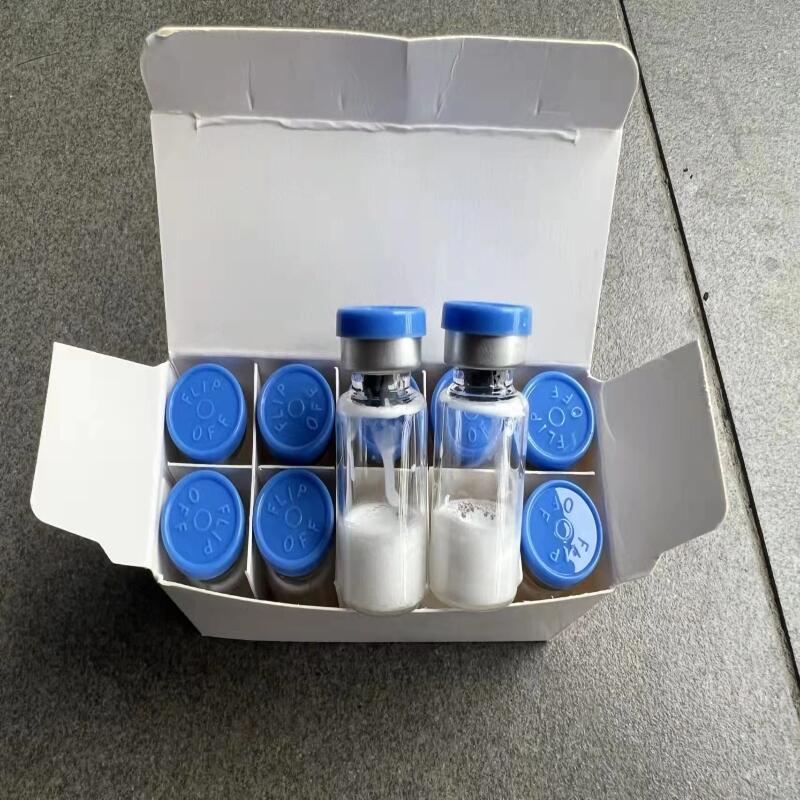
They usually go with the 10mg size because it’s easier to dose for their standard protocols—30mg per vial is better for longer experiments but requires more careful reconstitution. Packaging is secure: individual vials in a box, each triple-bagged to avoid moisture, and we include a COA with every shipment that shows the HPLC trace. One thing that catches new buyers off guard is the shipping timeline—customs can add 3-5 business days, so we advise factoring that in when planning assays.
Most orders come in for 100 to 200 vials at a time, and they’ve settled on the 10mg format for repeat buys—the 30mg tends to sit on the shelf longer unless they’re running chronic studies. The stability data our company provide shows it’s good for 24 months at -20°C, but we’ve seen labs use it up to 30 months without degradation if stored right. They don’t always ask, but the lyophilized powder is actually pretty hygroscopic, so we recommend opening the vial in a low-humidity environment—a small detail, but it saves headaches later.
Their sourcing experience has been straightforward—no on the 10mg in the last 18 months, and we’ve only had one purity discrepancy in over 50 batches, which we corrected same week. Anyway, for custom orders, they just email the quantity and preferred vial size, and we quote within 24 hours—usually 10-15% discount for orders over 500 vials. The TDS and SDS are available on request, but most buyers just rely on the COA and move on to their research.
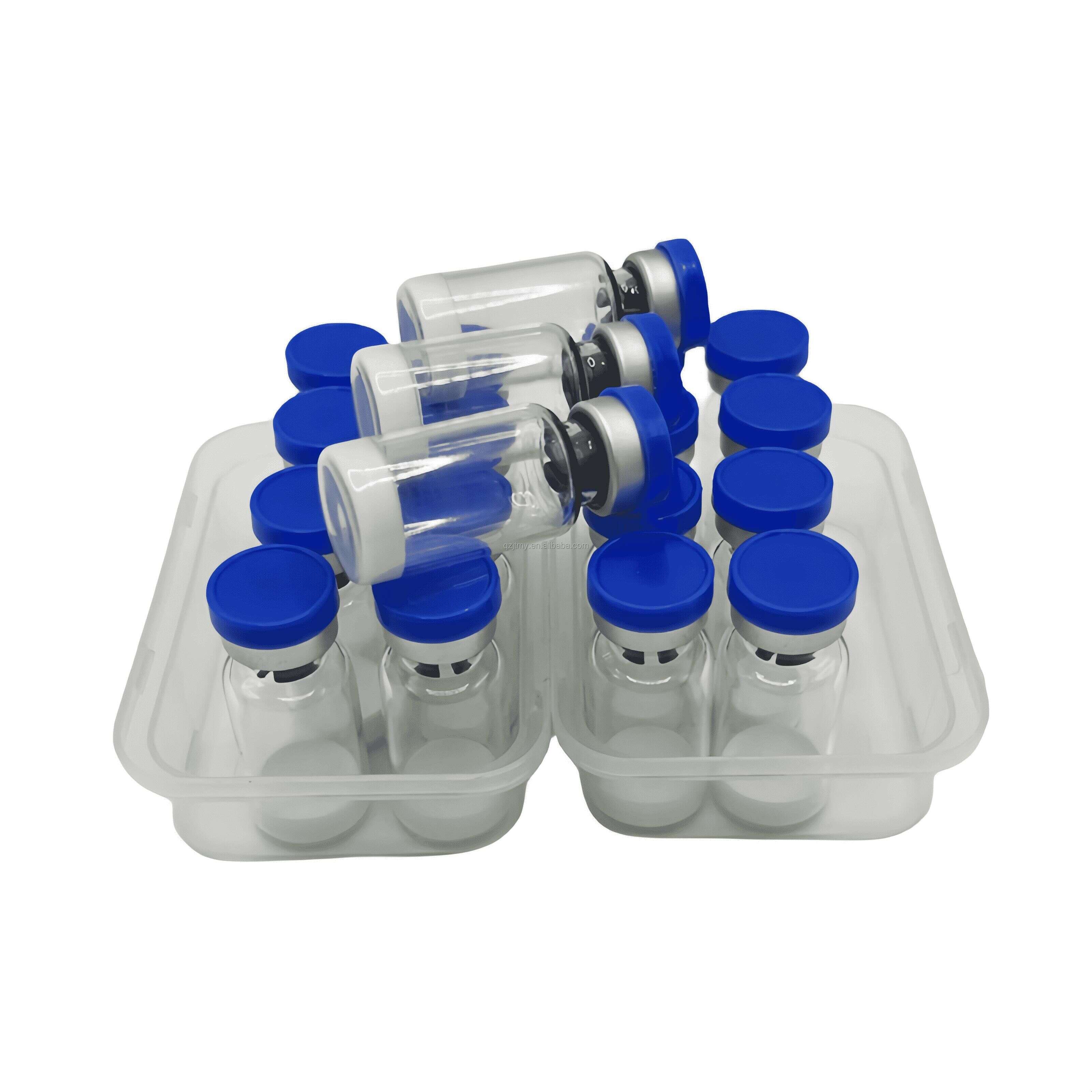
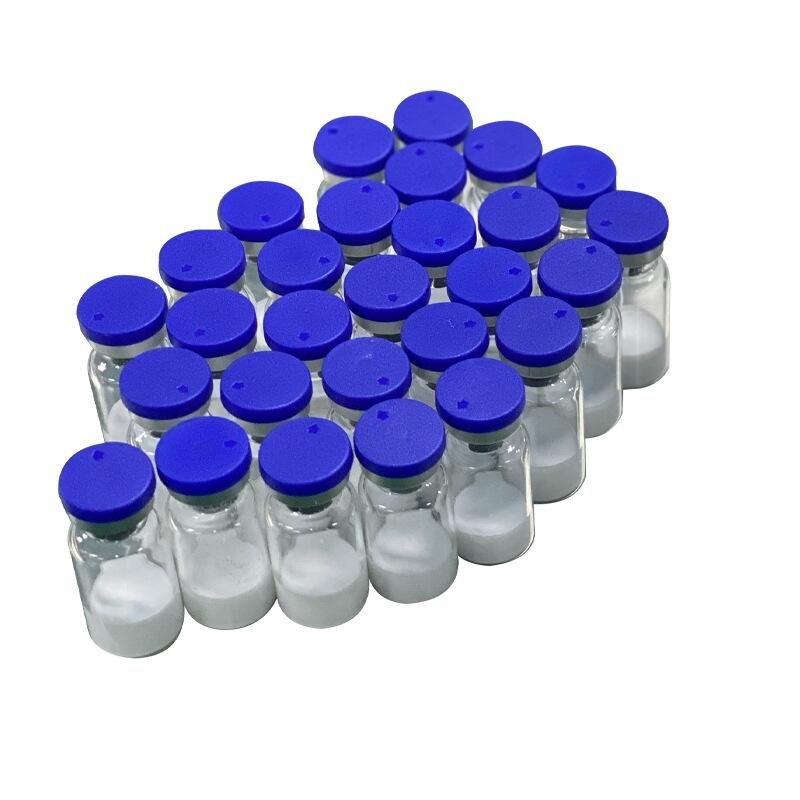
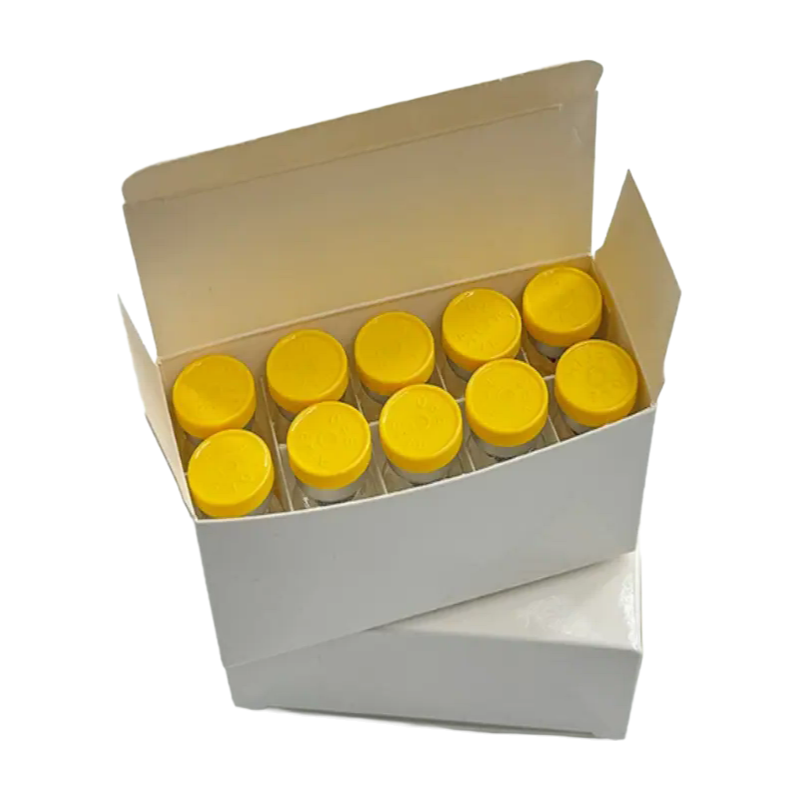
We offer 10mg/vial or 30mg/vial, packed 10 vials per box. You can choose either option for your order.
The MOQ is 10 vials, so you can start with a single box — either the 10mg or 30mg strength.
Yes, we can include a Certificate of Analysis (COA) with each batch to confirm the 99.9% purity and pharmaceutical grade specs.
Absolutely, we offer custom orders — just let us know your label or packaging requirements, and we'll sort it out.
Keep it in a cool, dry place away from light and moisture. For long-term storage, a refrigerator works well to maintain stability.