Account
Inquiry
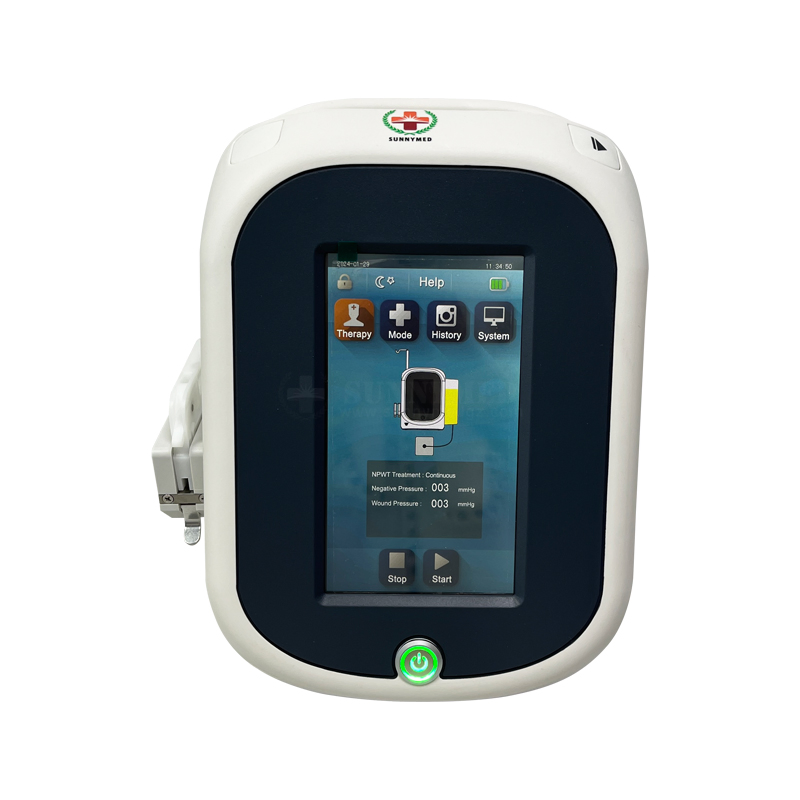
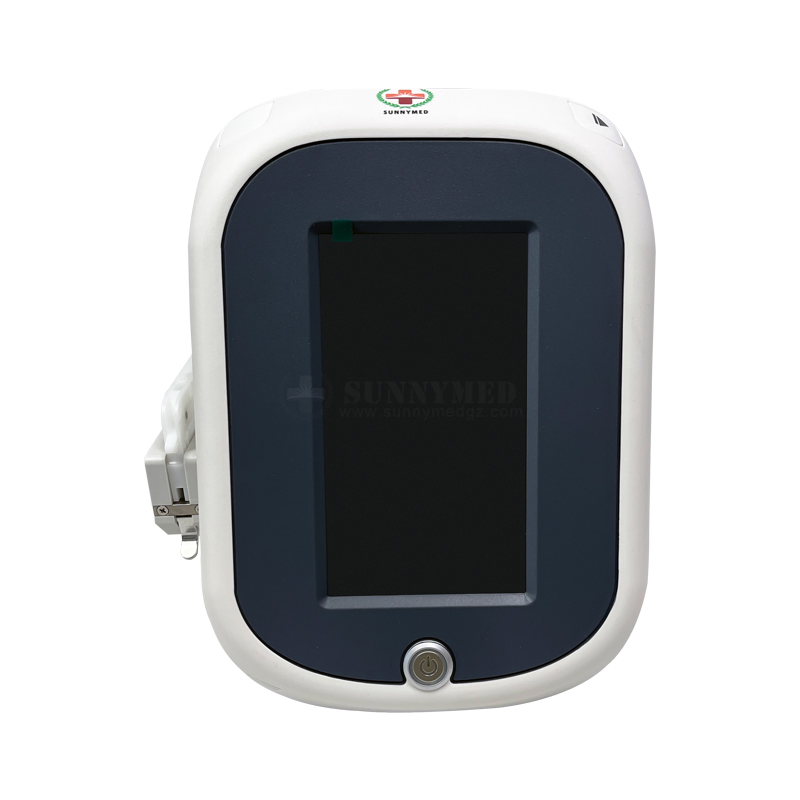
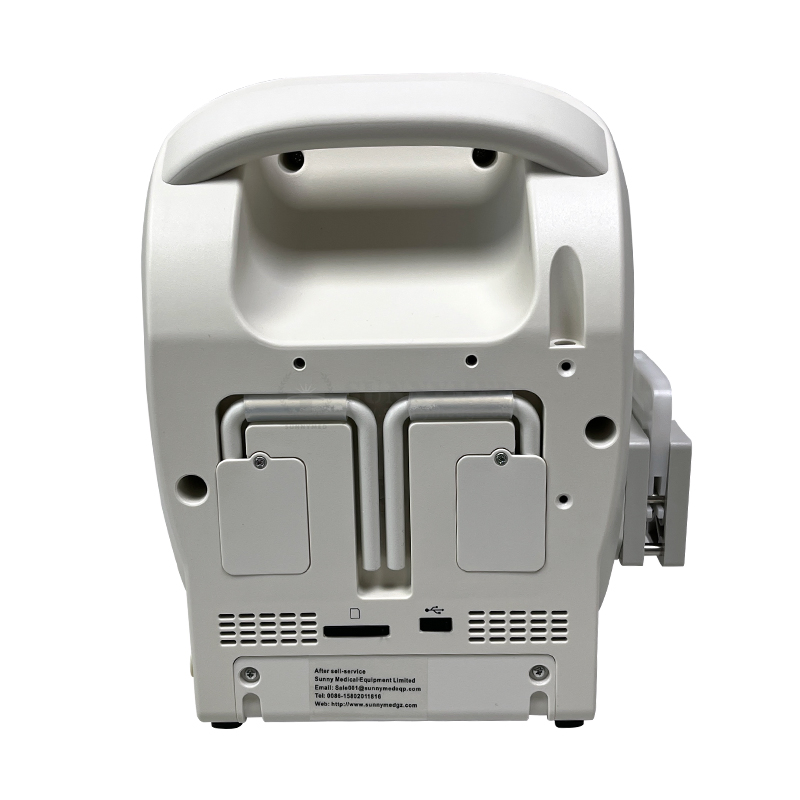
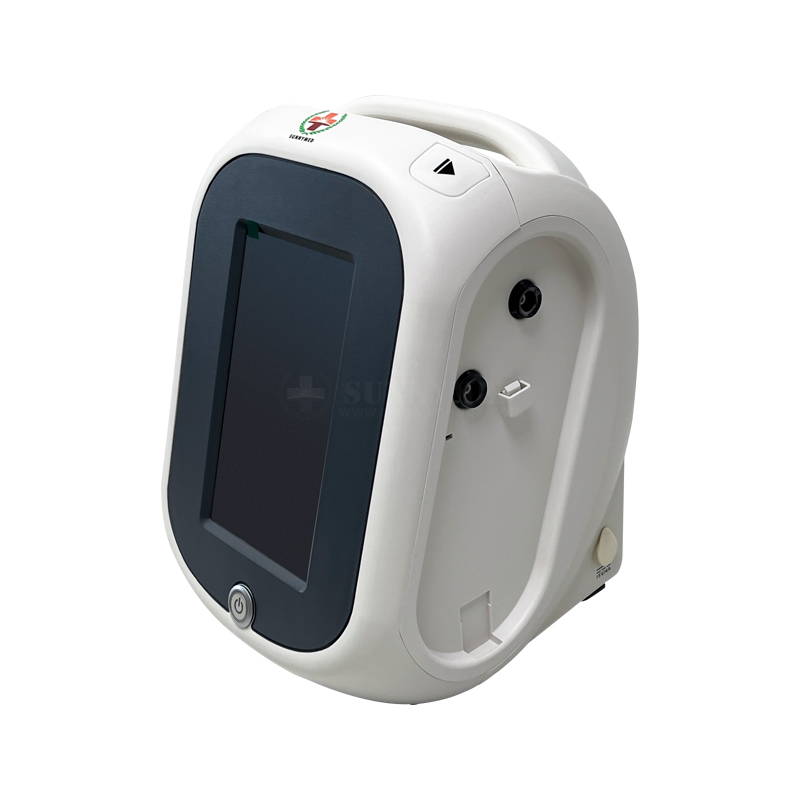
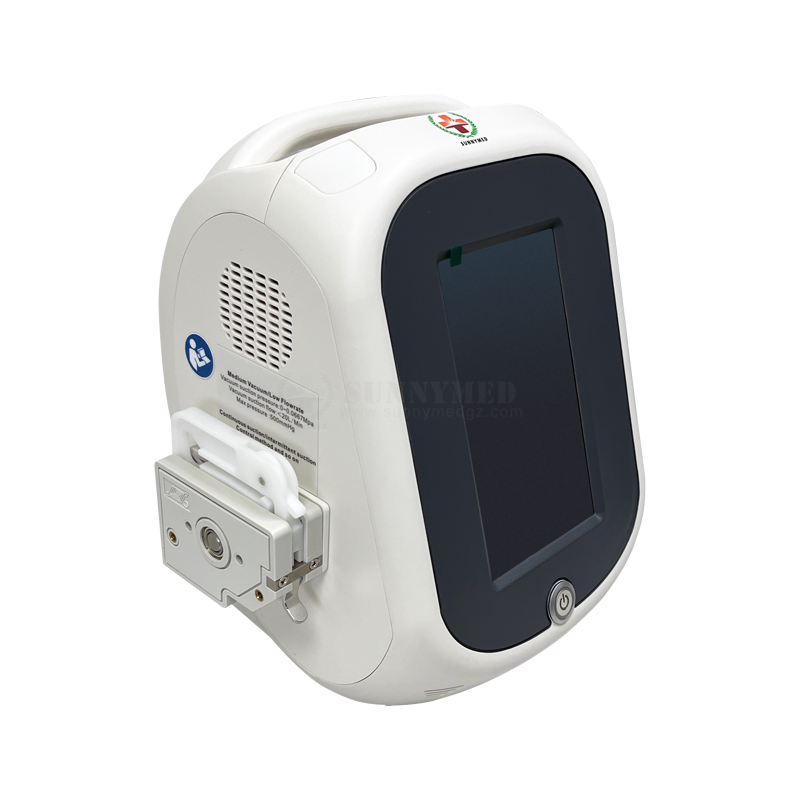
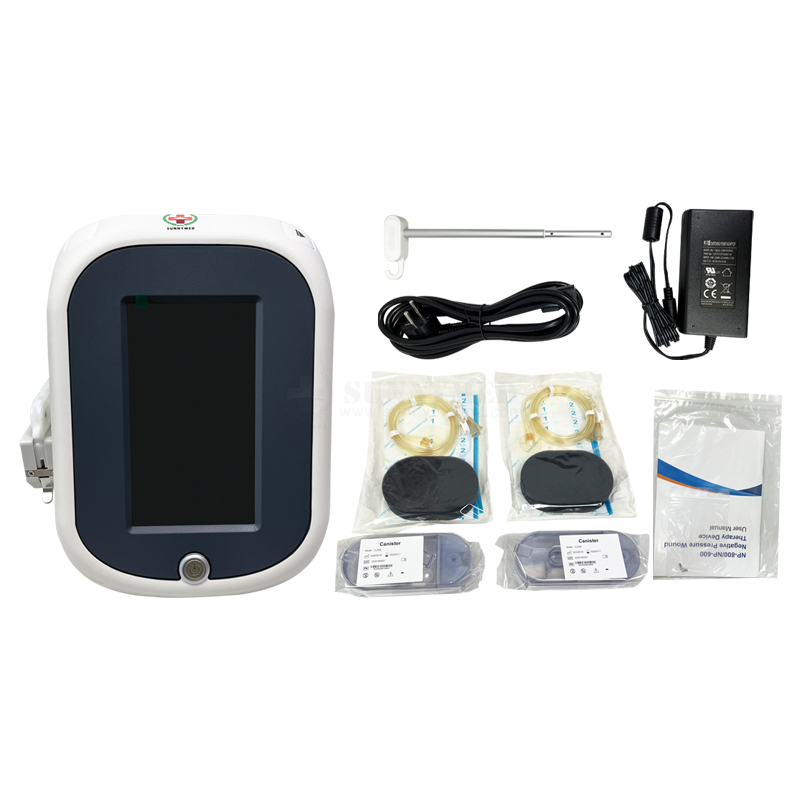
We’ve seen these fail if not set correctly for the first 24 hours—so the learning curve is real, but once you dial in the mode, the -25 to -500 mmHg range covers most surgical wounds without much fuss.
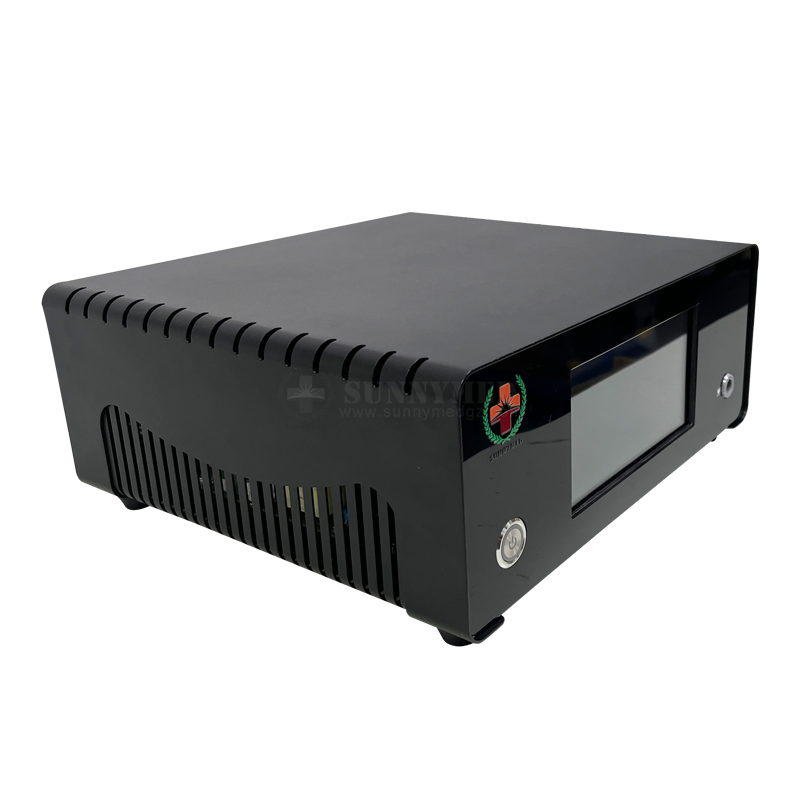
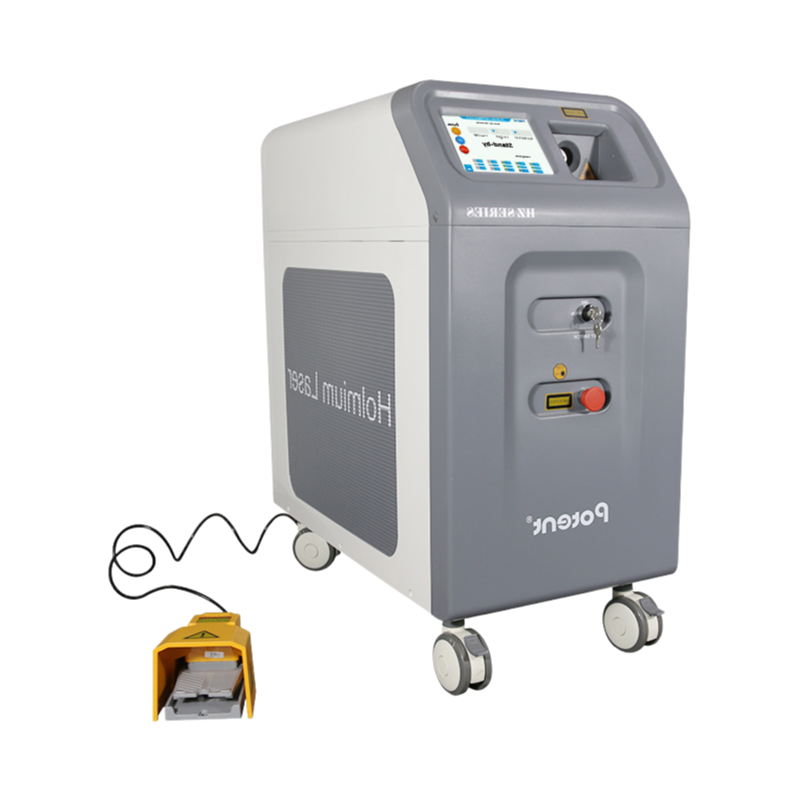
It’s a Class II device, so you’re not dealing with a toy here, and the 7-inch touch screen actually makes it easier to switch between Continuous, Intermittent, or DPC modes than poking at tiny buttons—though the 500 ml canister fills faster than you’d expect with heavy exudate (usually in 4-6 hours).
Teh 5200 mAh battery gives about 6 hours of run time, which is enough for a shift but not overnight—so keep it plugged in when you can, or have a spare unit ready for longer procedures.
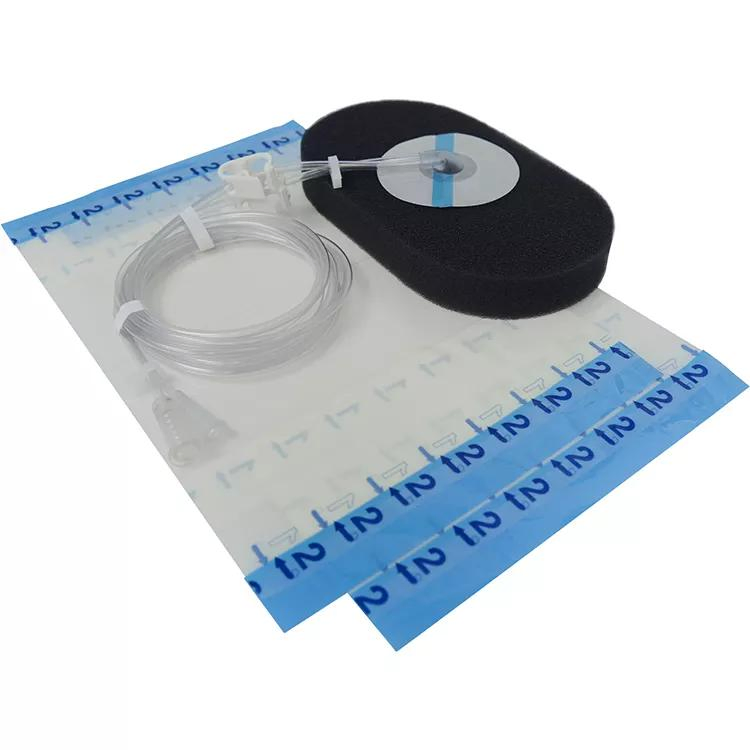
We recommend the polyurethane foam kit with the 260×150mm dressing for abdominal wounds; the smaller 100×75mm is better for limb sites, but either way you’ll need the drainage tube suite to maintain that seal, or leakage alarms will drive you crazy.
What it does is maintain a pretty consistent vacuum even with movement—basically, patients can get up to ambulate without triggering false alarms, though the overpressure alarm might sound if you kink the tubing getting out of bed.
Lead time is roughly 20 days or so for orders under 10 units, but we usually have stock on the 500ml canisters and foam kits—just confirm before you place PO if you need a specific dressing size.
Our MOQ is 10 units per order, but we can discuss smaller trial orders depending on your market needs.
It's CE and ISO13485 certified, and it meets the GB15979-2002 safety standard for medical devices.
The 5200 mAh battery gives you about 6 hours of continuous operation, so it's fine for a full day of use without plugging in.
Yes, we can adjust the dressing sizes within the existing range—from 100x75mm up to 260x150mm—to fit your specific wound care protocols.
The system has a leak and overpressure alarm, but the canister shows clear 50 ml increments up to 500 ml, so you'll see it filling and can swap it out before it's completely full.