Account
Inquiry
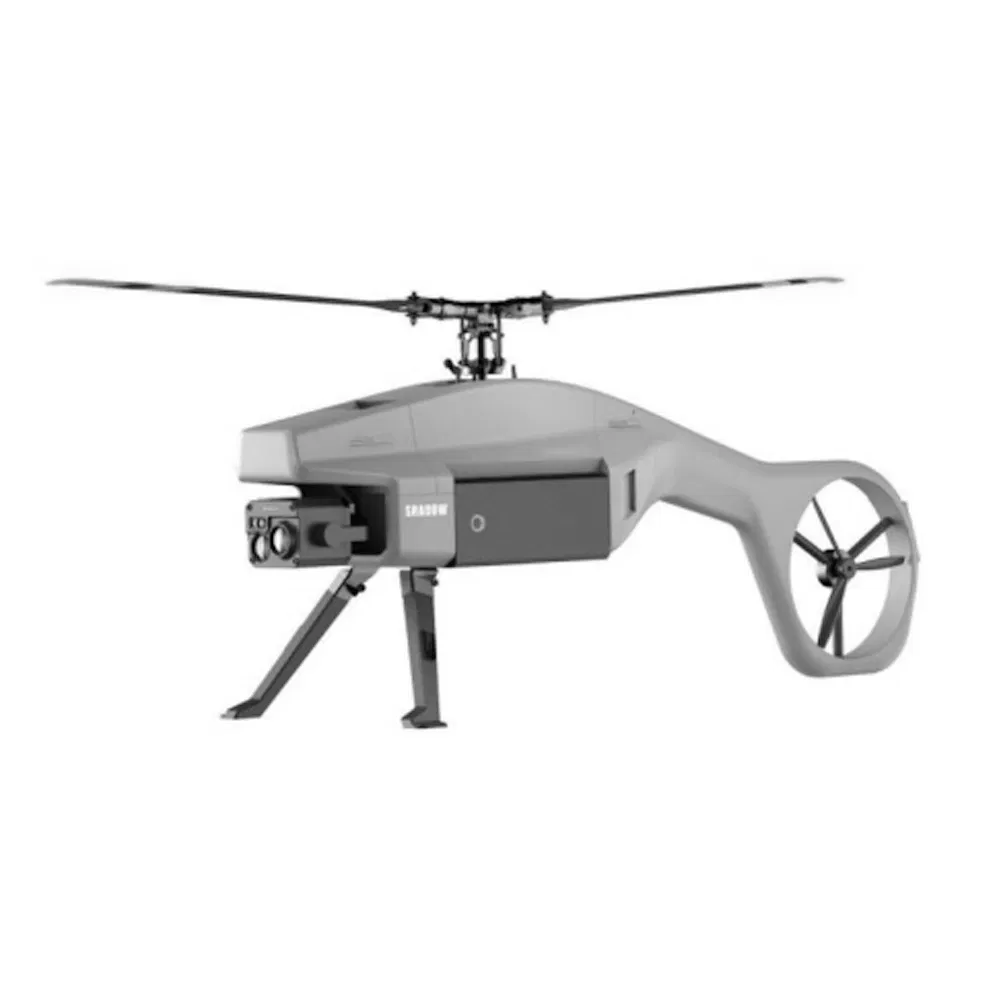
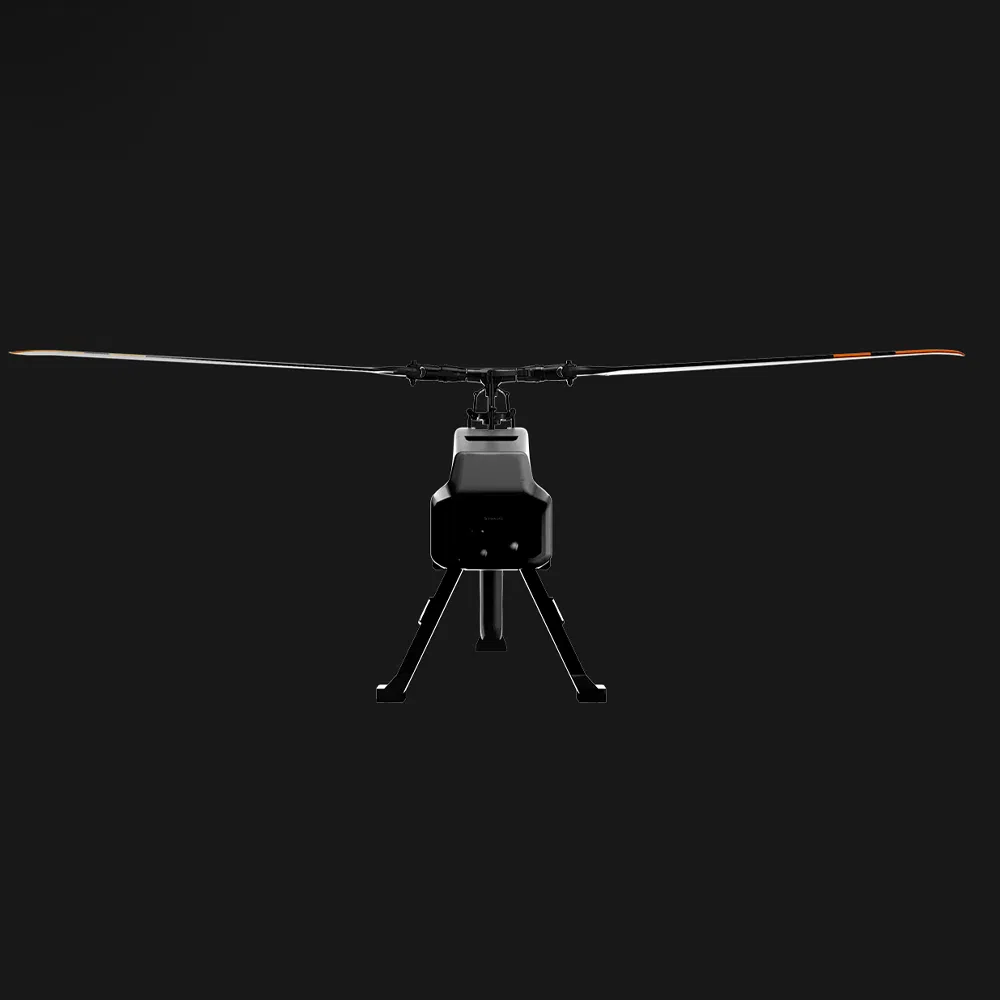
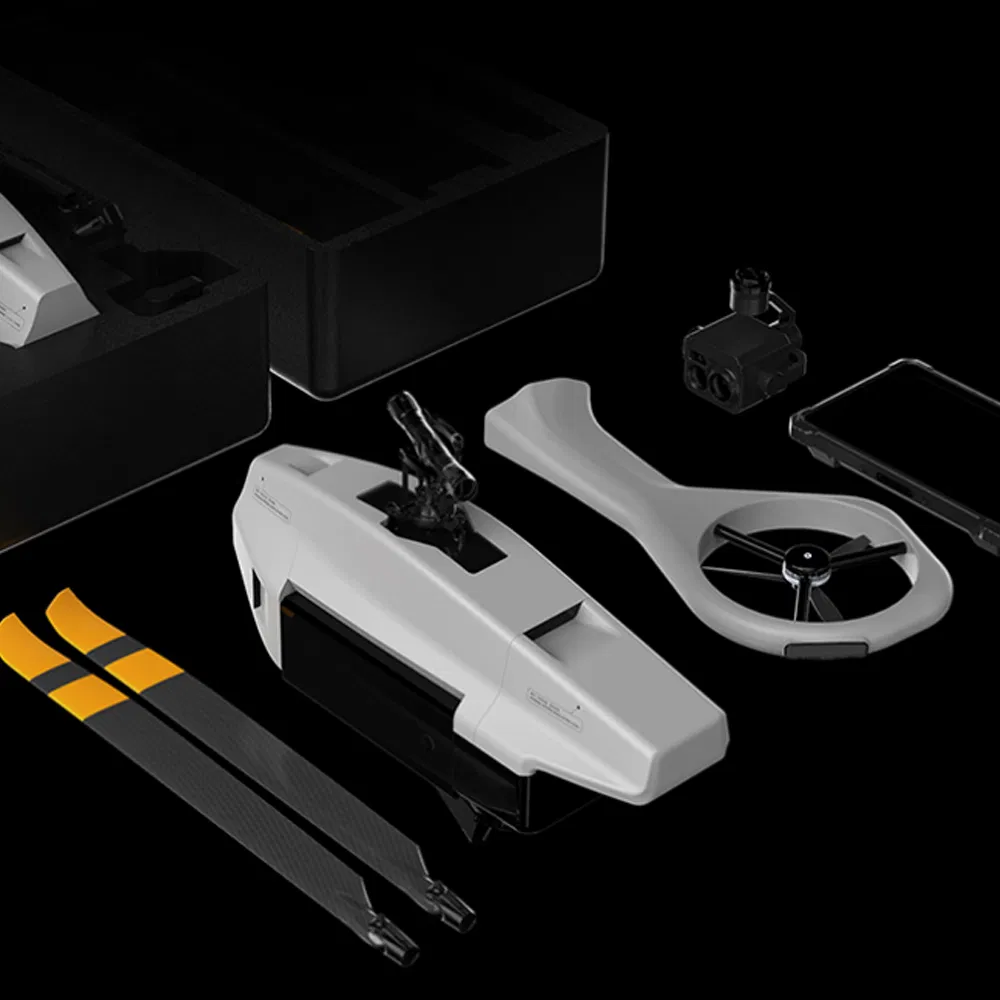
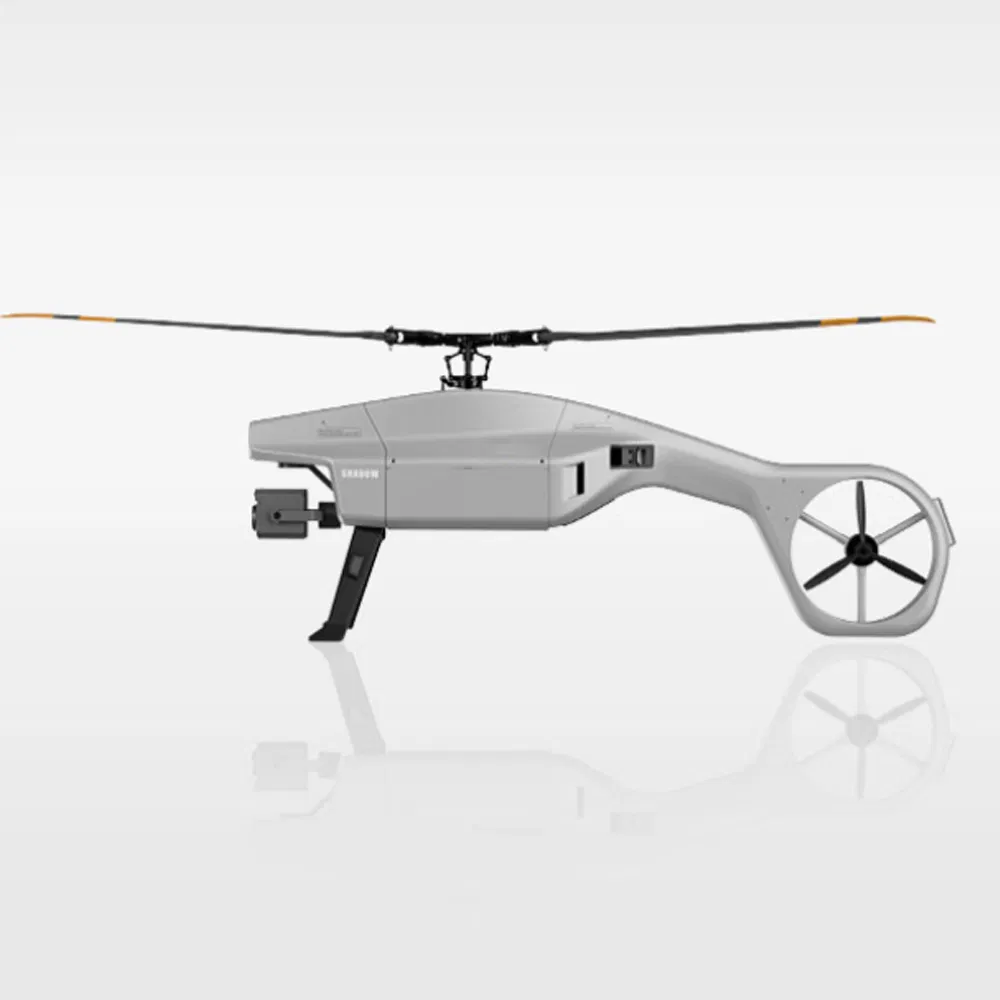
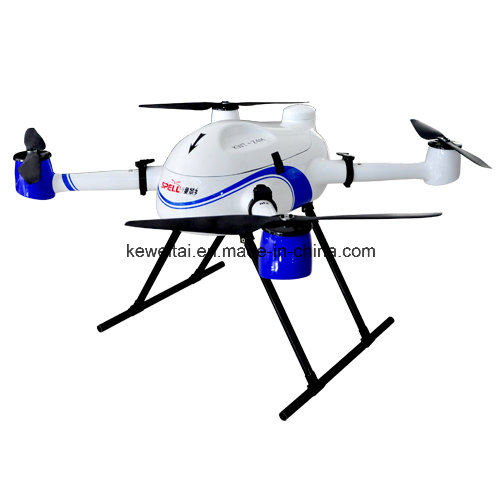
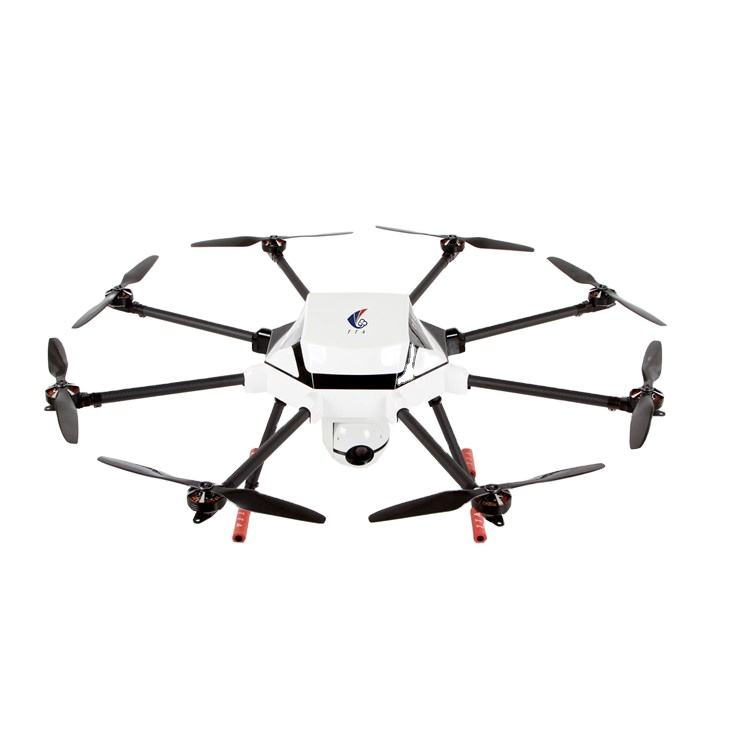
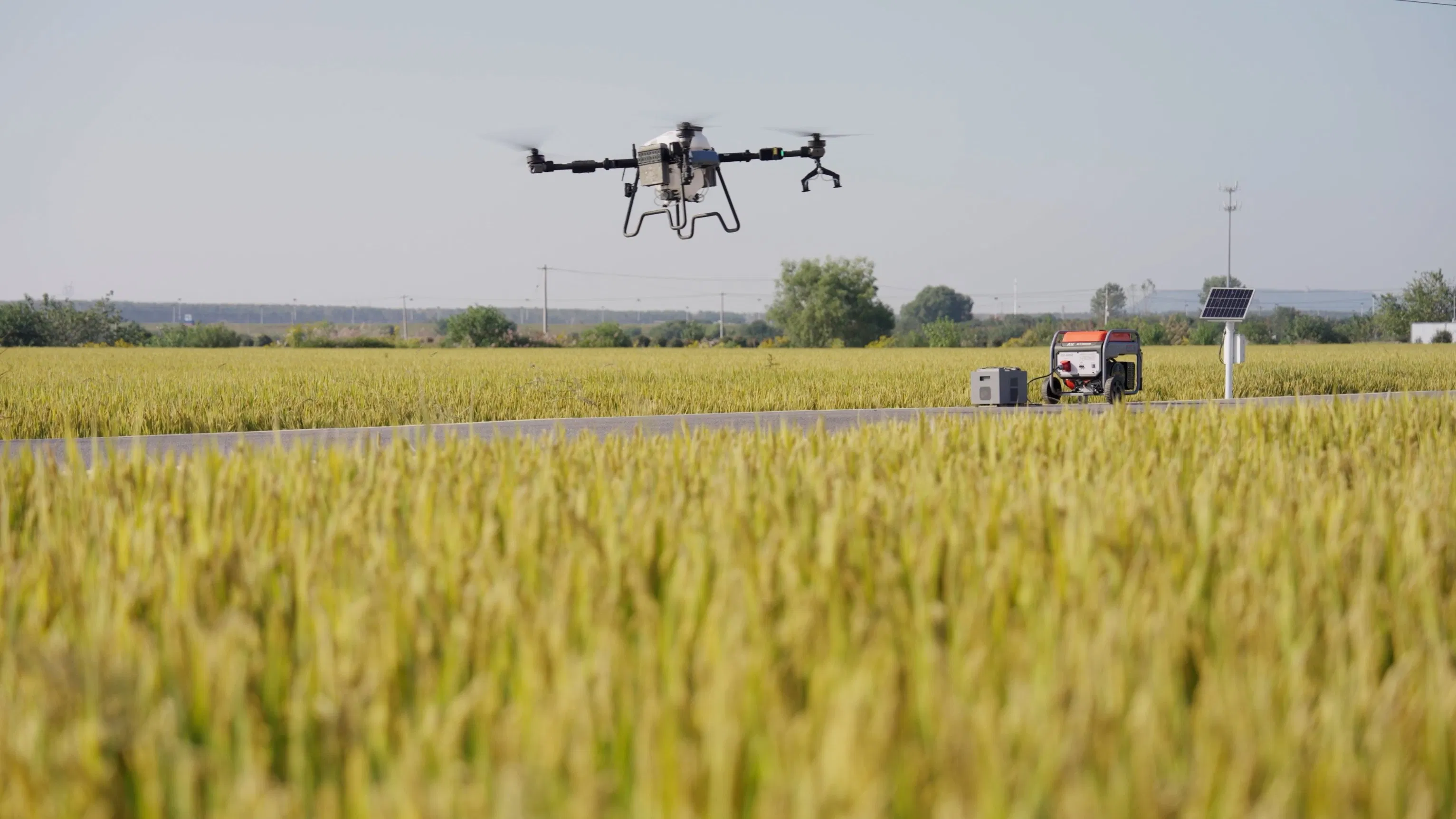
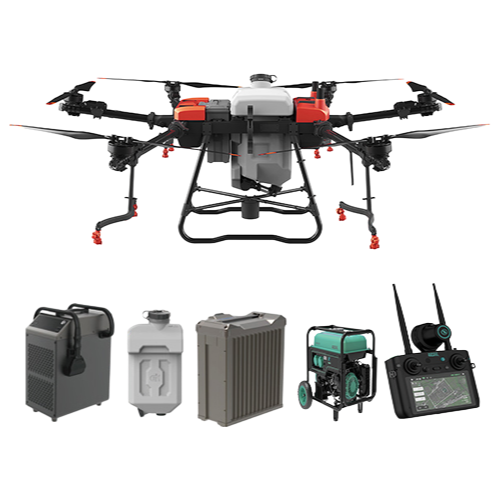
You're used to quadcopters or fixed-wing for survey work, but the 7kg max takeoff and 3.2kg payload on this flapping-wing is a different trade-off—it trades raw lift for endurance in gusty, high-altitude conditions, and we ship form Suzhou with 22 units in regular stock so lead time is usually 3 working days, custom at most 12, and MOQ is just one unit which means you can test one without committing to a fleet.
1332mm main rotor diameter and 7000m ceiling mean it's not for tight urban or low-altitude scans—this is built for mountain patrol, pipeline inspection in cold zones, or resource mapping where a quadcopter burns battery fighting the wind, and the 15km communication range gives you breathing room, though payload capasity (3.2kg dedicated) limits heavy sensor stacks, so check your camera mass.
We calibrate each unit ±0.1m after a 72-hour continuous flight aging test that basically stresses the flapping mechanism to failure points, and it passes ISO9001 line audit, so I'd trust consistency more than a budget OEM's random 5-unit batch.
It ships as a single 998*157*442mm box, empty weight exactly matches payload at 3.2kg, which is pretty unusual—most platforms have a bigger gap, so if you're pushing weight margins this optimizes it. Also, OEM branding is supported if you're integrating into your own lineup.
One detail: teh flapping-wing structure handles 7-level wind resistnce better than fixed-wing of similar weight, but it's noisier in flight, so for stealth surveys near wildlife stands, you'll want to run a background sound check first.
MOQ is 1 unit, so you can start with a single bird for testing or small-scale projects.
You can load up to 3.2kg of any compatible gear—cameras, LiDAR, gas detectors—as long as it fits within the 998*157*442mm transport size.
Yes, we include ISO9001 certs for the whole production process. Just request them when you place the order.
For a standard unit, we ship within 15-20 days. OEM tweaks add about 5-7 days depending on the changes.
It's designed for ultra-high-altitude work, but keep in mind the 7kg max takeoff weight includes your payload—so at thinner air you might need to reduce payload slightly to maintain stability.