Account
Inquiry
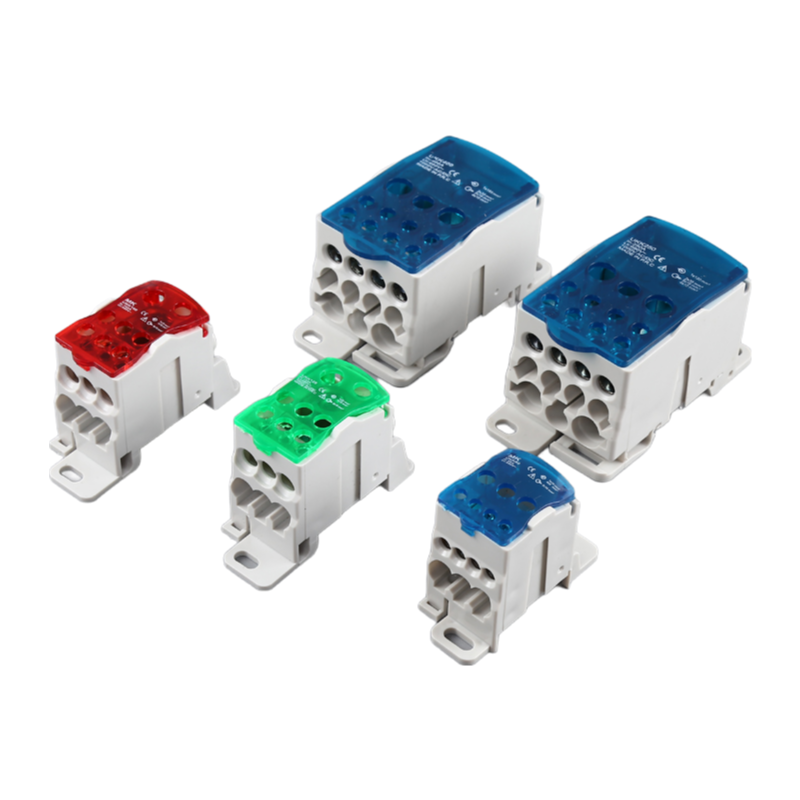
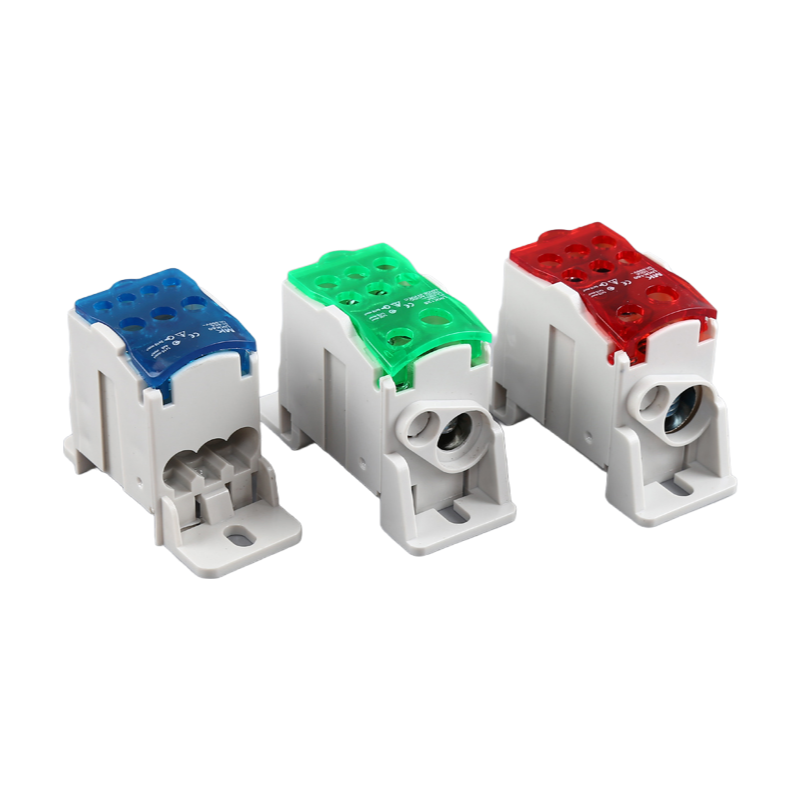
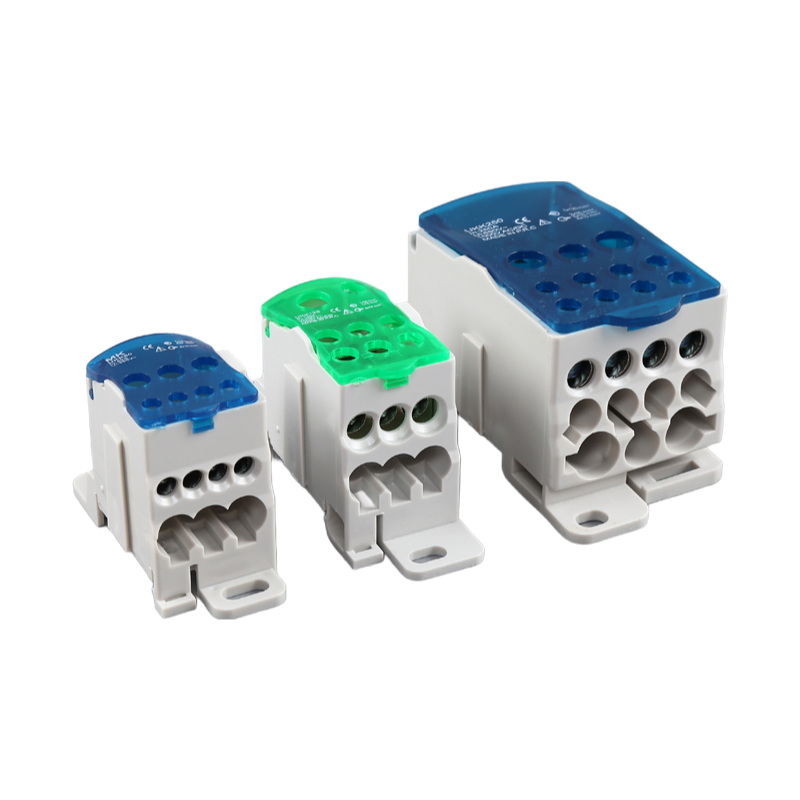
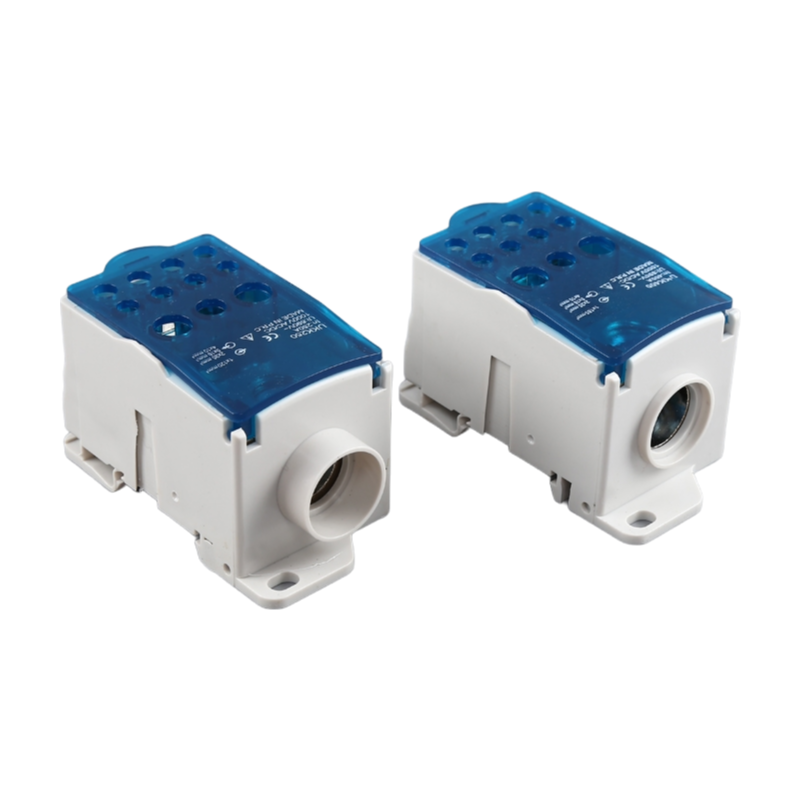
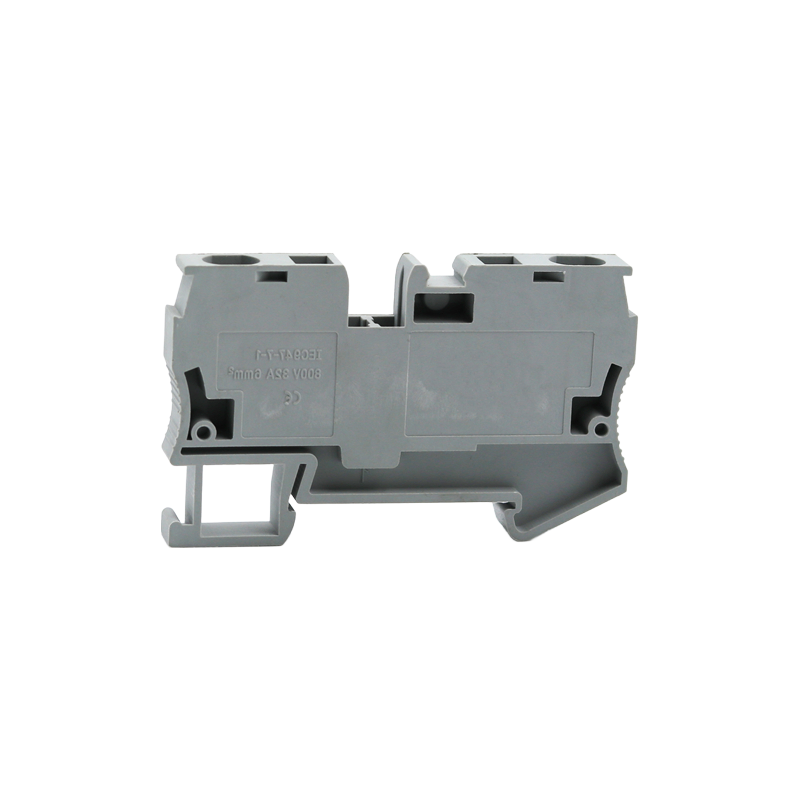
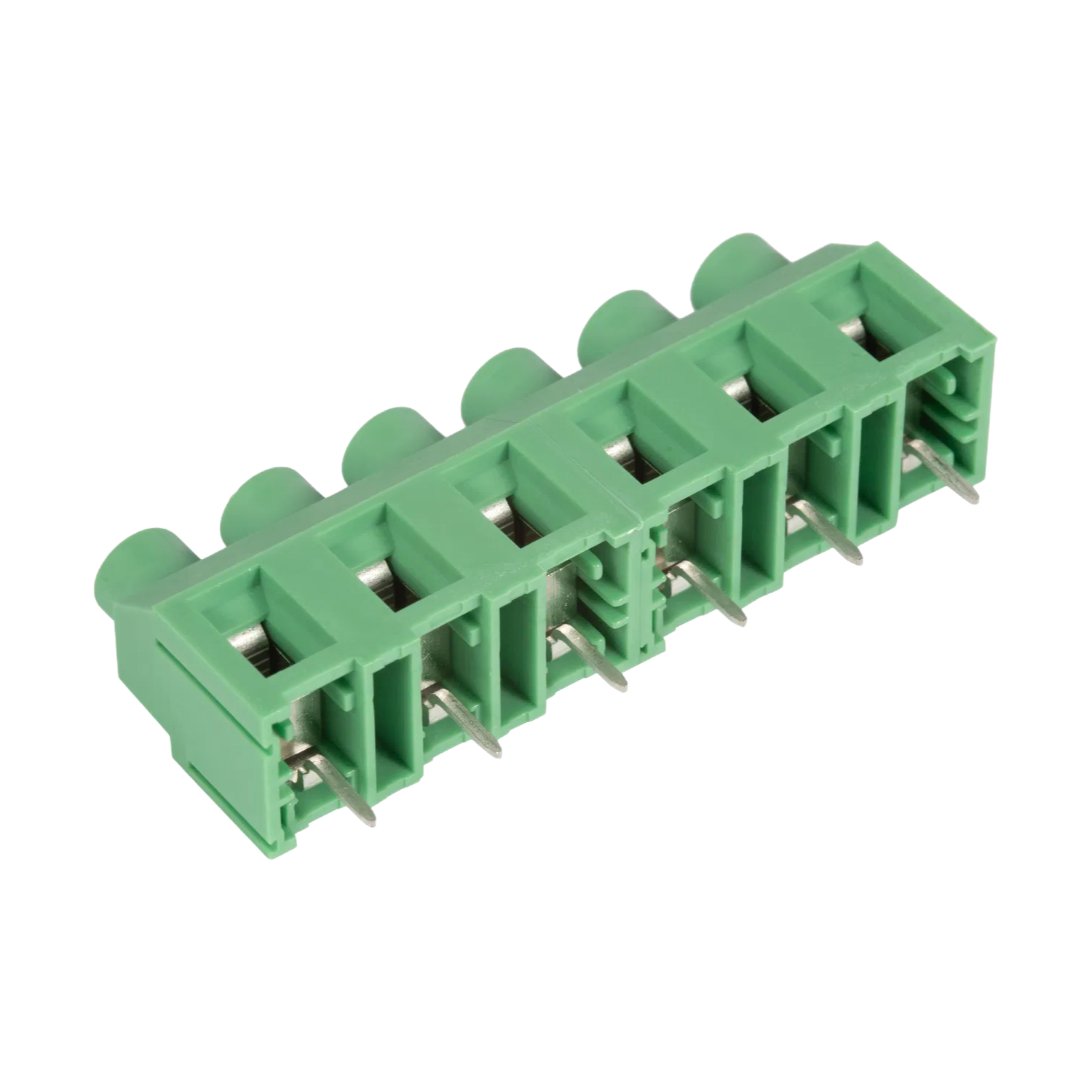
We've been shipping these 125A terminal blocks to the UK market for a couple years now — roughly 18 months of consistent orders — and the feedback on copper conductivity is solid, especially for those pushing circuits near the 400A rating; the lead times to the EU run about 20 days or so from order, but we usually stock the UL-certified batch ready to go.
The PA66 insulation handles moisture better than most alternatives in that class, so if your application is outdoor distribution or a humid industrial setup, it's a pretty reliable choice; just keep in mind it's not ideal for submersed installations, as the round HDR interface is designed for plug-in access, not water-tight sealing.
For compliance, every shipment comes with full COA and the UL documentation that customs tends to flag for electrcial imports into teh US — we've had zero holds as long as the importer lists the component as 'wiring accessory' on the commercail invoice, which is basically a standard practice.
4. And the 25mm² contact area gives better conductivity than some 300A-rated alternatives we've tested; the injection molding process keeps production consistent, so you're not chasing batch-to-batch variance on insulation thickness, which some buyers overlook when comparing shop floor tolerances.
That's a common point of confusion. The model number is 125A, but the actual current rating is 400A — the name just refers to the series or design, not the limit. So yes, it handles up to 400A safely.
Our MOQ for this terminal block is 500 pieces per color. If you need a mix of red, green, and blue, we can do that within the same total.
Yes, we include a copy of the UL certificate with every order, and you can also request the test report for the PA66 insulation and copper contacts if needed.
The 25mm² contact area is designed for cables up to that cross-section, which works fine for most 125A applications. If you're using larger lugs, let us know and we can check compatibility.
Just keep them in a dry, cool place — original packaging is fine. The PA66 insulation already handles moisture well, but avoid long-term exposure to high humidity or direct water.
Yikes, the shipping was incredibly fast, arriving days earlier than the initial estimate provided. The packaging was secure and professional, ensuring the product was perfectly intact upon arrival. Regarding quality, the terminal blocks feel exceptionally solid and well-made. The copper material is clearly high-grade, and the construction inspires confidence for high-current applications. The UL certification markings are clearly visible and reassuring. Customer service was prompt and helpful when I had a pre-purchase question about specifications. They responded within hours with clear, detailed information. Overall, a very smooth transaction from a seller that seems to prioritize reliability and customer satisfaction. The product appears to exactly match its description, which is always a plus. I would not hesitate to order from them again for similar electrical components.
Quick delivery and excellent packaging. The shipping was faster than I expected, which was a pleasant surprise. Everything arrived securely wrapped and in perfect condition. Regarding the product itself, the build quality feels very solid and durable. The copper material seems genuine and high-grade, and the overall construction inspires confidence for high-current applications. The UL certification marking is clearly visible, which is important for my projects. Customer service was responsive and helpful when I had a pre-sale question about specifications. They answered promptly and professionally. Overall, a very satisfactory purchase experience from start to finish. The terminal blocks appear to be exactly as described—robust and suitable for demanding electrical connections. I appreciate the attention to detail in both the product and the service. Would definitely consider purchasing from this seller again for similar components. The combination of good logistics, apparent quality, and supportive service makes this a reliable choice.
Just received my order, and I'm thoroughly impressed! The delivery was incredibly fast, arriving ahead of schedule, which made the whole process smooth and hassle-free. Jumping into the quality, the terminal blocks feel robust and well-made, with no visible defects—definitely seems durable for long-term use. As for service, the customer support team was very responsive and helpful when I had a quick question about my shipment. Overall, a fantastic experience from start to finish.
Great experience overall with the delivery and product aspects. The shipping was incredibly fast, arriving much sooner than I anticipated, which was a pleasant surprise. Everything was packaged securely to prevent any damage during transit, showing their attention to detail. In terms of quality, the materials feel robust and durable, exactly as described, giving me confidence in their long-term performance. Customer service was responsive and helpful when I had a query, making the process smooth and hassle-free. Highly satisfied with this purchase and would recommend it to others based on these factors.
With excellent shipping speed, the product arrived much earlier than expected, which was a pleasant surprise. While the packaging was secure and protected the items well, there was a minor delay in the initial dispatch that could be improved. Overall, the delivery process was smooth and reliable, making it a positive experience. Would definitely consider ordering again for future projects.
Wow, what a fantastic purchase! The delivery was incredibly fast, arriving two days ahead of the estimated date, which was a pleasant surprise. The packaging was secure and well-protected, ensuring that the product reached me in perfect condition without any damage. When I inspected the terminal block, the quality was immediately apparent; it feels robust and durable, with excellent craftsmanship that speaks to its reliability. The copper material seems high-grade and conductive, promising efficient performance. Customer service was also top-notch; they were responsive and helpful when I had a quick question about my order. Without a doubt, I am thoroughly satisfied with this transaction and would highly recommend this to anyone in need of such accessories. Will definitely be coming back for more in the future!