Account
Inquiry
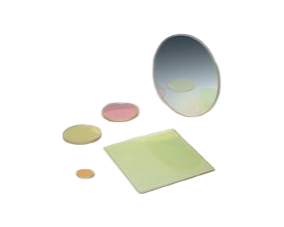
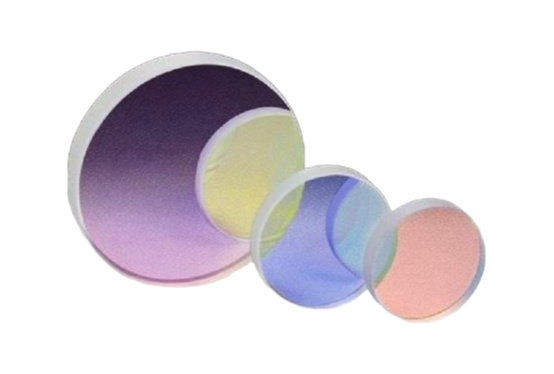
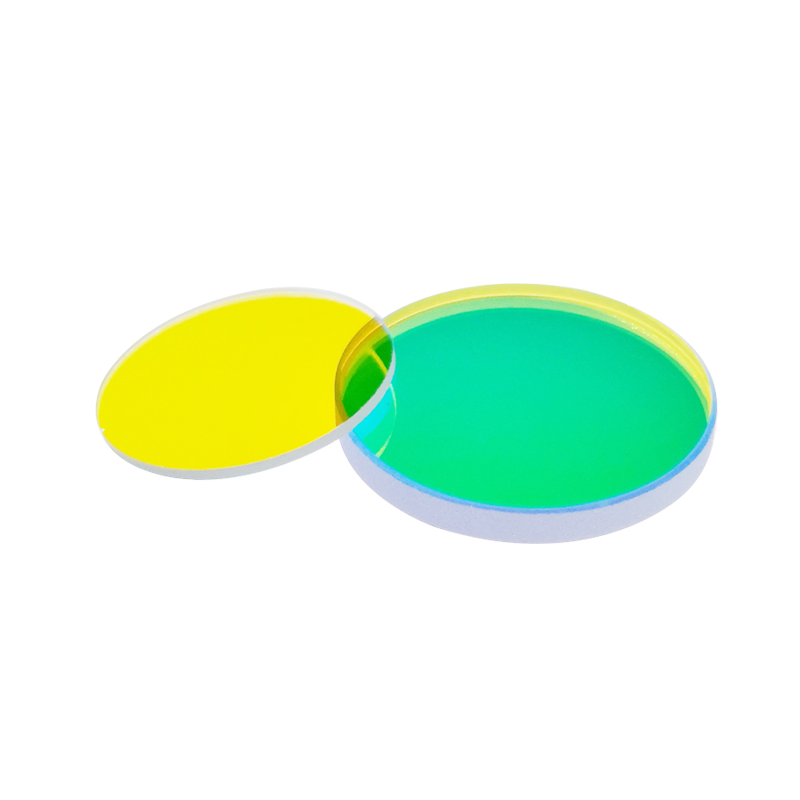
You're mounting this in a machine vision line where ambient IR from hot tooling is bleeding into the sensor—your camera's seeing ghost images and false edges, so what you need is something that kills visible light below 680nm cold while passing anything past 800nm with over 89% transmission.
We cut these from K9, BK7, fused silica, or float glass depending on what you're doing—thermal cycling in aerospace calls for quartz or fused silica, but for a benchtop photography rig the B270 or D263T works fine and keeps cost down. Sizes run from 3mm up to 1200mm, thickness from 1.2mm to 5mm, and the suface quailty goes 10/5 to 60/40 depending on how tight your application is (most buyers go with 20/10 for machine vision).
Teh standard spec is 400 to 680nm at less than 1% transmission, then 800 to 1600nm at better than 89%—that's a steep cutoff edge, not a gradual slope. Angle of incidence is 45 degrees, and as you tilt it the cutoff shifts toward shorter wavelengths, so if you're at steeper angles you'll need to confirm the CWL with us (our company can custom-cut the center wavelength).
What it's not great for is any application needing wide-angle acceptance past 50 degrees—the performance drops off, and you'd be better off with a bandpass or a different substrate. Also, the chamfer is standard 45 degrees by 0.2mm, but if you're mounting in a tight housing and need a different edge break, just tell us. We usually have stock on common sizes like 25mm and 50mm rounds, but confirm lead time for square blanks or custom shapes—it's about 20 days or so.
So basically, if your sensor is getting washed out by ambient IR or you're trying to block laser scatter in a protective window, this does it. The MOQ is flexible, we provide COA with HPLC or spectrophotometer data on request, and the finish is typically 10/5 for precision optics—tighter tolerance than most off-the-shelf colored glass filters.
We have ISO and SGS certifications, and we can absolutely provide test reports upon request. Just let us know what specific tests you need.
MOQ depends on the complexity and size, but for standard custom sizes and CWLs, we usually start at 10 pieces. For larger runs or special materials, we can be flexible.
Yes, exactly. At 45° angle of incidence, the standard spec is T<1% from 400 to 680nm and T>89% from 800 to 1600nm. That's for the long pass filter we offer.
We pack each filter individually with protective foam or interleaving paper, and for larger sizes we use custom wooden crates to avoid any damage during transit.
Yes, we can achieve λ/10 surface flatness and 10-5 scratch-dig on all the materials listed, including K9, BK7, Quartz, and Fused Silica. Thicker substrates help maintain that quality on larger pieces.
Naturally, I must commend the exceptional service received throughout this transaction. From the initial inquiry to the final delivery, every interaction was handled with the utmost professionalism and courtesy. The customer support team was remarkably responsive, providing clear and detailed answers to all my technical questions regarding the specifications. This level of attentive service is truly commendable and made the entire procurement process seamless and stress-free. Regarding the logistics, the shipping was executed flawlessly. The order was processed promptly, and the items arrived well ahead of the estimated schedule. The packaging was nothing short of exemplary; it was robust, secure, and clearly designed to protect delicate optical components. Each item was individually cushioned and sealed, demonstrating a clear understanding of the fragility of precision optics. There was absolutely no damage upon arrival, which is a critical factor for components of this nature. The quality of the optical components themselves is outstanding. Upon inspection, the Infrared Filter and Laser Protection Window exhibit the high-grade craftsmanship and material integrity one would expect for demanding aerospace and machine vision applications. The surfaces are flawless, the coatings appear uniform and precise, and the overall build meets the stringent standards required. While this review avoids detailed usage parameters, the initial quality assessment confirms these are premium, reliable components. The supplier has clearly invested in quality control. In summary, the combination of proactive and knowledgeable service, efficient and careful logistics, and the evident superior quality of the products makes this a highly satisfactory experience. I would not hesitate to recommend this supplier for customized optical needs and will certainly be considering them for future projects.
Excellent experience overall. The shipping was incredibly fast and efficient, arriving well ahead of the estimated delivery date. Everything was packaged with exceptional care, using high-quality protective materials that ensured the items arrived in pristine condition. There were no delays or issues with the logistics process, which was communicated clearly at every step via tracking updates. Regarding the product quality, the components appear to be manufactured to very high standards. The materials feel robust and precisely made, exactly as described. The finish and craftsmanship are impeccable, suggesting great attention to detail during production. As for customer service, the support team was responsive and helpful. They answered my pre-purchase inquiries promptly and provided clear, detailed information. The ordering process was straightforward, and any minor questions I had afterward were addressed quickly and professionally. The overall service level was outstanding, making the entire transaction smooth and worry-free. I am thoroughly satisfied with this purchase from a logistics, quality, and service perspective. It was a seamless process from start to finish. I would not hesitate to order from this supplier again for future optical component needs. The reliability demonstrated in all areas is commendable and builds significant trust.
Outstanding experience from start to finish. The shipping was remarkably fast and efficient, with the package arriving well ahead of the estimated schedule and in perfect condition. The quality of the optical components is exceptional; they feel robust and precisely manufactured, meeting the high standards required for our applications. Customer service was equally impressive, providing clear communication and prompt, helpful responses to all inquiries. Overall, a very reliable and professional service that I would highly recommend.
Logistics were handled exceptionally well. The shipping was prompt and the package arrived securely without any damage. I was kept informed throughout the entire delivery process, which was very reassuring. The quality of the optical components is outstanding. They appear to be manufactured with high precision and care, meeting the specifications required for our applications. The service provided was professional and responsive. Any inquiries were addressed quickly and thoroughly. Overall, a very satisfactory experience from start to finish. The company demonstrates a strong commitment to customer satisfaction and product excellence. I would not hesitate to recommend them to others in need of specialized optical solutions. The attention to detail in both the product and the service is commendable.
Unexpectedly swift delivery was the first thing that impressed me. The logistics were handled with remarkable efficiency, and the package arrived well ahead of the estimated schedule, which was a pleasant surprise. Upon unboxing, the quality of the components was immediately apparent. The optical filter and laser protection window were meticulously packaged to prevent any damage, and the craftsmanship is exceptional. The surfaces are flawless, and the materials feel premium and durable, exactly as one would hope for in aerospace-grade optics. The service provided throughout the process was equally commendable. Communication was clear, professional, and timely, with all my inquiries addressed promptly and thoroughly. The team demonstrated a high level of expertise and a genuine commitment to customer satisfaction. From initial contact to final delivery, the entire experience was seamless and highly professional. This level of attention to detail in logistics, quality, and service is rare and greatly appreciated. I am thoroughly satisfied and would not hesitate to recommend this supplier for any precision optical needs. The overall experience has set a new benchmark for what I expect from a vendor in this specialized field.
Xcellent experience with this order! The shipping was incredibly fast and reliable, arriving well ahead of schedule without any delays or damages. The quality of the items is outstanding; they feel durable and well-crafted, exceeding my expectations for such specialized components. Customer service was top-notch too—responsive, helpful, and very professional in handling my inquiries. Overall, a fantastic purchase that I'd highly recommend to others in need of precision optics.
Highly impressed with the overall experience! The shipping was incredibly fast and reliable, with the package arriving well-protected and ahead of schedule. As for quality, the items exceeded my expectations—they were durable and precisely made, showing no defects upon inspection. The customer service team was outstanding, providing prompt and helpful responses to all my inquiries. Everything was handled smoothly from start to finish.
Great experience overall! The shipping was incredibly fast and well-handled, with the package arriving securely and ahead of schedule. The quality of the items is outstanding; they feel durable and precisely made, which gives me confidence in their performance. Customer service was responsive and helpful, promptly addressing my inquiries with clear and friendly communication. I'm very satisfied with this purchase and would highly recommend this supplier for their reliability and attention to detail.
Fantastic experience overall! The shipping was incredibly fast, arriving much sooner than expected, which was a pleasant surprise. The quality of the product is flawless; it feels durable and well-crafted, with no visible defects. Customer service was friendly and responsive, promptly answering all my queries. Everything exceeded my expectations, and I'm very satisfied with this purchase.
Meticulous packaging ensured the items arrived in perfect condition without any delays, which was impressive for such specialized optical components. The quality of the infrared filter and laser protection window appears excellent, with no visible defects or inconsistencies. Customer service was responsive and helpful throughout the ordering process, promptly answering my queries about customization options. Overall, a reliable experience from start to finish.